


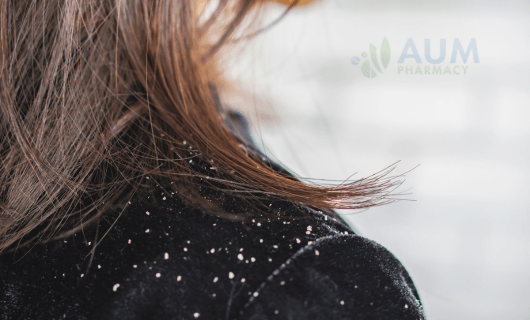
Dandruff
Overview of Dandruff
Dandruff is a widespread scalp condition that most people experience at some point in their lives. It affects nearly 50% of the global population, regardless of age, gender, or ethnicity.
This condition is marked by flaking and itching of the scalp. Dead skin cells, mixed with natural oils and surface debris, clump together, leading to visible flakes and an irritated scalp. Additionally, dandruff can accelerate hair shedding beyond the normal rate.
It is most commonly observed from puberty through middle age, as sebaceous glands are particularly active during this period. Seasonal variations can impact its severity, with symptoms often worsening during colder months.
If left untreated, dandruff may contribute to fungal infections and significant hair loss. Managing the condition typically involves medicated shampoos and natural remedies.
Important Facts of Dandruff

Usually seen in
- All ages

Gender affected
- Both men and women

Body part(s) involved
- Scalp, Hair

Prevalence
- Global: 50% (2010)
- India: 7.6–18.7% (2015)

Mimicking Conditions
- Psoriasis
- Dermatitis
- Eczema
- Alopecia
- Seborrheic Dermatitis
- Ringworm
- Scalp Folliculitis
- Head Lice

Necessary health tests/imaging

Treatment
- Antifungal Agents: Zinc Pyrithione, Ketoconazole, Climbazole, Selenium Sulphide, Clotrimazole, Piroctone Olamine
- Anti-Proliferative Agents: Coal Tar
- Keratolytic Agents: Salicylic Acid

Specialists to consult
- Dermatologist
- Trichologist
Symptoms Of Dandruff
Dandruff manifests through several distinct symptoms, including:
- White or yellowish flakes on the scalp
- Scalp itching
- Either a dry or excessively oily scalp
Flakes from dry scalp conditions tend to be smaller and white, whereas dandruff linked to excess oil appears larger and yellowish.
Signs of Severe Dandruff
- Large patches of redness or swelling on the scalp
- Intense itching with worsening flaking over time
- No improvement even after using anti-dandruff shampoos for a month
Triggering Factors Of Dandruff
Dandruff can stem from various factors, differing from person to person. However, it is often linked to improper scalp and hair care. Experts suggest that dandruff arises due to the accelerated maturation and shedding of scalp cells, primarily triggered by excessive oil production.
The causes of dandruff can be broadly classified into:
1. Microbial Factors
A) Fungal Infection
One of the primary culprits behind dandruff is the fungus Malassezia. This fungus activates the enzyme lipase, which produces both saturated and unsaturated fats. While saturated fats promote fungal cell growth and division, unsaturated fats lead to scalp inflammation and irritation. Additionally, Malassezia disrupts the natural shedding process of dead skin cells, resulting in noticeable white flakes.
B) Bacterial Infection
Certain bacteria present on the scalp, such as Propionibacterium acnes and Staphylococcus epidermidis, may also contribute to dandruff formation.
2. Non-Microbial Factors
- Dry scalp
- Excess oil production leading to greasy or irritated skin
- Poor hair hygiene
- Frequent use of hair styling products and tools
- Scalp conditions such as psoriasis and eczema
- Infrequent shampooing
- Extreme weather conditions
Types Of Dandruff
Potential Risks for Dandruff
Certain factors increase the likelihood of developing dandruff, including:
Age
Dandruff typically begins during adolescence and persists through middle age. However, some individuals may experience it throughout their lifetime.
Gender
Men are more prone to dandruff compared to women.
Chronic Health Conditions
Neurological disorders such as Parkinson’s disease and conditions affecting the immune system, including HIV, can heighten the risk of dandruff.
Other Contributing Factors
- Stress and fatigue
- An excessively oily scalp
- Persistent scalp itching despite the absence of dryness
- Hair that appears greasy most of the time
- Neglecting to brush hair regularly
- Leaving oily hair untreated
- Using harsh shampoos
- Frequent use of heat styling tools
Diagnosis Of Dandruff
A dermatologist or trichologist can diagnose dandruff through a simple scalp examination. They may ask about your hair care routine and symptoms to assess the severity of your condition. Based on their evaluation, they will recommend an appropriate treatment plan. Since dandruff is a surface-level condition, no blood tests or imaging scans are required for diagnosis.
Preventive Measures Of Dandruff
Maintaining a healthy hair and scalp care routine can significantly reduce the chances of dandruff.
- Reduce intake of sugary foods, unhealthy fats, and alcohol.
- Develop a hair care regimen suited to your scalp type. If your scalp is oily, frequent shampooing can help remove excess oil and flakes. Gently massaging the scalp while washing can aid in loosening flakes. For dry and sensitive scalps, washing less frequently and using a moisturizing conditioner between washes is beneficial.
- Minimize the use of hair styling products, as they can build up and contribute to oiliness.
- Regularly brush your hair to stimulate circulation in the scalp.
- Avoid sharing combs to maintain scalp hygiene.
- Protect your hair from environmental pollutants by covering it when stepping outdoors, as dust and grime can worsen dandruff.
Specialist to Consult
If you're experiencing a dry, itchy scalp or noticeable white flakes, it’s important to seek medical attention for proper treatment. The specialists best suited to address hair and skin issues related to dandruff include:
- Dermatologist
- Trichologist
Dandruff can worsen when the Malassezia fungus proliferates. You should consult a dermatologist if:
- Your dandruff persists despite regular use of over-the-counter shampoos.
- The flakiness extends to areas such as the eyebrows, ears, or eyelid margins (seborrheic dermatitis).
- Your scalp becomes red, inflamed, or intensely itchy.
Treatment Of Dandruff
In most cases, dandruff can be controlled by using a gentle anti-dandruff shampoo daily. For more severe cases, doctors may prescribe medicated shampoos containing ingredients like Zinc Pyrithione, Selenium Sulphide, Ketoconazole, Coal Tar, or Salicylic Acid.
These treatments aim to address the root cause of dandruff and alleviate symptoms.
Antifungal Agents
This category of treatments targets the fungus responsible for dandruff. They typically work by affecting the fungal cell membrane, which leads to the death of the microbes, helping to treat the condition. Some common antifungal treatments include:
- Zinc Pyrithione, which helps prevent itching and flaking.
- Ketoconazole, a broad-spectrum antifungal that disrupts fungal cell membrane function.
- Climbazole, which impedes the normal function of the fungal cell membrane.
- Selenium Sulphide-based shampoos, though they may cause hair and scalp discoloration.
- Clotrimazole, which blocks the synthesis of ergosterol (a fat that aids fungal cell structure).
- Piroctone Olamine, which prevents the breakdown of sebum triglycerides, reducing inflammation and itching.
Anti-Proliferative Agents
Coal tar is a well-known anti-dandruff ingredient that is used in tar-based shampoos. It contains over 10,000 chemical compounds that help inhibit microbial growth and inflammation, providing relief from dandruff symptoms.
Keratolytics
These agents work by causing the skin to shed dead cells from the outermost layer, increasing moisture levels in the scalp. By preventing the clumping of dead cells, they help clear dandruff. Salicylic acid is a common keratolytic agent.
These treatments are available in various forms such as shampoos, lotions, creams, herbal oils, and gels.
Health Complications Of Dandruff
Dandruff should not be ignored as it may indicate:
- The overgrowth of a fungus called Malassezia, which, although present on most people’s scalps, usually causes no symptoms.
- A potential slowdown in hair growth.
- Microinflammation that can often go unnoticed due to the lack of obvious symptoms.
If you experience dandruff or an itchy scalp with white flakes, it's advisable to consult a dermatologist to identify the cause and treat it before it worsens.
Alternative Therapies For Dandruff
Here are some natural remedies to help manage dandruff:
Vinegar:
Mix half a cup of white or apple cider vinegar with an equal amount of water and apply it to your scalp. Leave it on for 10 minutes, then scrub and rinse with a mild shampoo or water.
Fenugreek (Methi):
Make a paste using two tablespoons of fenugreek powder and half a cup of water. Apply it to your scalp and leave it on for 30-45 minutes before rinsing with mild shampoo.
Lemon (Nimbu):
Massage the juice of two lemons into your scalp and rinse with a mixture of lemon juice and water. The antifungal properties of lemon help, and its acidity balances the scalp’s natural pH.
Salt/Baking Soda:
Sprinkle salt (either table or Epsom) or baking soda on your scalp and massage gently to exfoliate. Rinse with a mild shampoo.
Neem:
Boil two handfuls of neem leaves in half a liter of water and let it soak overnight. Wash your hair with the strained liquid. Neem's antifungal properties help soothe itching.
Curd (Dahi):
Apply fermented curd to your scalp for an hour and then wash off with shampoo. The acidity of the curd fights dandruff and conditions your hair.
Orange (Santra) Peel:
Apply a mixture of orange peel and lemon to your scalp and leave for 30 minutes before washing off. The mixture’s acidity helps condition the hair and combat dandruff.
Honey (Sahed):
Mix 1/4 teaspoon of water with a tablespoon of honey, then massage it into your scalp for 2-3 minutes. Rinse after 3 hours for shiny, dandruff-free hair.
Coconut (Nariyal) Oil and Camphor (Kapoor):
Warm 2-3 teaspoons of coconut oil and dissolve a pinch of camphor. Massage gently into your scalp at night and wash with mild shampoo in the morning. Repeat once or twice a week.
Tea Tree Oil:
Mix tea tree oil with water in a 1:3 ratio and spray onto your scalp. Pat the excess liquid in, but do not rinse off.
Homemade Remedies for Dandruff
Making small adjustments to your lifestyle can help you effectively manage dandruff. Here are some useful tips:
Brush Your Hair Regularly
- Brushing your hair regularly promotes blood circulation in the scalp. It also helps remove dead cells. However, avoid brushes with sharp ends that could cause irritation; instead, use a paddle brush or one with ball-tipped bristles for a gentler approach.
Avoid Harsh Shampoos
- Shampoos containing harsh chemicals can dry out the scalp and cause irritation, which may worsen dandruff. Opt for a mild herbal shampoo with a balanced pH that is gentle on your scalp and hair.
Limit the Use of Styling Tools
- Heat and chemicals from styling tools like straighteners, blow dryers, and perming devices can weaken your hair and damage your scalp, contributing to dandruff. Avoid excessive use to prevent further damage.
Choose an Anti-Dandruff Shampoo
- Over-the-counter anti-dandruff shampoos such as Pyrithione zinc, tar-based, and ketoconazole shampoos are commonly recommended. While these can be used daily, alternate with other shampoos once your dandruff improves to maintain overall hair health.
Eat a Healthy Diet
- A balanced diet rich in green vegetables, lean proteins, and fruits can improve skin, hair, and overall health. Incorporate leafy greens like kale, lettuce, and broccoli into your meals, and include lean proteins such as eggs, nuts, and beans to promote healthy skin and hair.
Get Some Sunlight
- Limited exposure to sunlight can help control dandruff. However, avoid prolonged sun exposure, which can damage your skin and increase the risk of skin cancer. Instead, spend a little time outdoors while wearing sunscreen to protect your skin.
Lifestyle Modifications Dandruff
Frequently Asked Questions
Subscribe to stay informed
Subscribe to our carefully crafted informative emailers by Medical Experts and be the first to get the latest health news, tips, and important updates.