


Edema
Overview of Edema
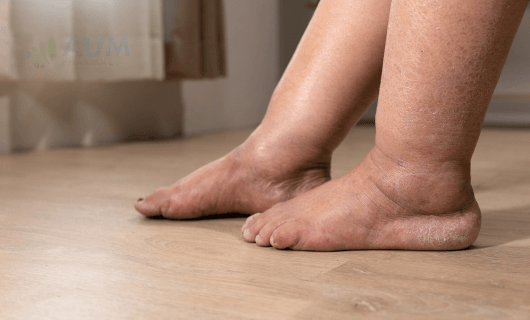
Edema refers to the visible swelling that occurs when fluid accumulates in the body's tissues. It most commonly affects the extremities such as the feet, ankles, legs, and hands, and is referred to as peripheral edema. There are various types of edema, often named according to the area of the body affected.
Mild edema is common and generally not harmful. It can occur due to prolonged immobility, pregnancy, or conditions like varicose veins. Certain medications, allergies, or more serious underlying health issues such as heart failure, liver disease, and kidney problems can also cause edema.
Making dietary adjustments, such as reducing sodium intake, can help manage fluid buildup. Treatment typically includes diuretics like furosemide and bumetanide to reduce swelling. Patients on these medications are often advised to take potassium supplements or consume potassium-rich foods like bananas, orange juice, tomatoes, and potatoes.
Important Facts of Edema

Usually seen in
- Adults over 40 years of age

Gender affected
- Both men and women

Body part(s) involved
- Face
- Abdomen
- Limbs
- Kidneys
- Lungs
- Heart

Prevalence
- Worldwide: 0.62 to 11.8 per thousand (2016)
- India: 18% (2021)

Mimicking Conditions
- Hypothyroidism
- Capillary leak syndrome
- Angioedema
- Autoinflammatory diseases
- Localized swelling
- Obesity
- Nephrotic syndrome
- Deep vein thrombosis
- Lipedema
- Urticaria
- Cellulitis

Necessary health tests/imaging
- Blood tests: Complete blood count (CBC), kidney function tests, lipid profile, liver function tests
- Imaging: Chest X-ray, Echocardiography, MRI

Treatment
Medications:
- Diuretics: Acetazolamide, Theophylline, Furosemide, Amiloride
- Corticosteroids: Dexamethasone

Specialists to consult
- General physician
- Urologist
- Nephrologist
- Pulmonologist
- Cardiologist
- Oncologist
- Gastroenterologist
Symptoms Of Edema
Common signs and symptoms of edema include:
- Swelling: Fluid retention causes swelling in areas like the feet, ankles, legs, face, hands, and abdomen.
- Stretched, shiny skin: The skin may appear tight and glossy due to excess fluid pulling on it.
- Pitting: Pressing on the swollen area for a few seconds can create a dimple or depression, indicative of poor circulation or fluid retention.
- Aching or pain: Swelling can cause localized or general pain, depending on the cause.
- Weight gain: Sudden, unexplained weight gain may occur due to fluid retention, causing puffiness in the limbs, face, or abdomen.
- Decreased urine output: Kidney dysfunction can lead to reduced urine production, exacerbating fluid buildup and edema.
- Shortness of breath: Pulmonary edema can cause difficulty breathing due to fluid in the lungs, leading to dyspnea.
- Chest pain: Pulmonary edema associated with heart disease or injury may present with severe chest pain.
Triggering Factors Of Edema
Edema occurs when fluid leaks from small blood vessels (capillaries) and accumulates in the surrounding tissues. It can be triggered by various factors, such as an injury, insect sting, or skin infection. In some cases, this is a protective response, as more fluid brings white blood cells to the site of infection. However, edema may also indicate more serious health conditions, including:
Congestive Heart Failure
In congestive heart failure, one or both lower chambers of the heart lose their ability to pump blood effectively. This causes blood to back up into the legs, ankles, and feet, leading to edema. In severe cases, fluid can also accumulate in the lungs (pulmonary edema), causing difficulty breathing.
Liver Cirrhosis
Liver damage (cirrhosis) can lead to ascites (fluid buildup in the abdominal cavity) and swelling in the legs due to impaired liver function.
Kidney Disease
Kidney problems can cause fluid and sodium retention, resulting in swelling, particularly in the legs.
Venous Damage in the Legs
If the one-way valves in the veins of the legs become weakened or damaged, blood can pool, leading to swelling. A blood clot (deep vein thrombosis or DVT) can also cause sudden swelling in one leg along with pain in the calf. Immediate medical attention is needed in this case.
Lymphatic System Dysfunction
The lymphatic system helps remove excess fluid from the tissues. If this system is disrupted, such as following cancer surgery, it can lead to swelling due to impaired drainage.
Protein Deficiency
Proteins like albumin help maintain fluid balance in blood vessels. A lack of sufficient protein in the diet can contribute to fluid retention, although this is a rare cause of edema.
Allergic Reactions
Swelling often occurs as part of an allergic reaction when blood vessels leak fluid into the affected area in response to an allergen.
Head Trauma
Cerebral edema, swelling in the brain, can occur due to conditions like low sodium, high altitudes, brain tumors, or blocked fluid flow in the brain (hydrocephalus). Symptoms may include headache, confusion, or unconsciousness.
Critical Illness
Conditions like severe burns, life-threatening infections, and other critical health problems can cause widespread edema as fluid leaks into tissues throughout the body.
Emphysema
This lung disease can lead to swelling in the legs and feet if elevated pressure in the lungs and heart is present.
Types Of Edema
Edema can be classified into various types, including:
- Peripheral edema: Swelling in the legs, feet, and ankles.
- Pedal edema: Swelling specifically in the foot.
- Pulmonary edema: Fluid accumulation in the lungs, which can lead to respiratory failure.
- Cerebral edema: Swelling in the brain, often caused by ischemic stroke, cancer, or infections like meningitis or encephalitis.
- Angioedema: Typically affects the face, characterized by swelling beneath the skin.
- Hereditary angioedema: A rare genetic disorder affecting the immune system, leading to swelling in the face, abdomen, and genital areas.
- Papilledema: Swelling of the optic nerve due to increased pressure within the skull.
- Macular edema: Swelling of the macula in the retina caused by leaking blood vessels.
- Dependent edema: Swelling in the legs and lower body influenced by gravity and body position.
- Scrotal lymphedema: Enlargement of the scrotum due to fluid accumulation around the testes.
- Lipedema: A disorder of fatty tissue causing swelling in the legs and hips.
- Ascites: Fluid buildup in the abdominal cavity.
- Pleural effusion: Excess fluid in the chest cavity, often caused by heart failure.
- Anasarca: Generalized swelling throughout the entire body.
- Idiopathic edema: Fluid retention without a known cause.
Edema can also be classified as:
- Pitting edema: Indentation remains when pressure is applied to the swollen area.
- Non-pitting edema: No indentation forms when pressure is applied.
Potential Risks for Edema
Several factors can increase your risk of developing edema, including:
Pregnancy
During pregnancy, the body retains more fluid to support the growing fetus and placenta, increasing the likelihood of edema.
Medications
Certain medications can increase the risk of edema, including:
- Blood pressure medications
- Nonsteroidal anti-inflammatory drugs (NSAIDs)
- Estrogens
- Thiazolidinediones (used for diabetes)
- Corticosteroids (e.g., prednisone, methylprednisolone)
Prolonged Sitting or Standing
Remaining in one position for extended periods, especially in hot weather, can lead to swelling, particularly in the feet, ankles, and lower legs.
Excessive Sodium Intake
Consuming too much salt can cause the body to retain fluid, leading to swelling in areas like the fingers and ankles.
Obesity
Being overweight is a recognized risk factor for developing edema, as it can affect circulation and fluid distribution.
Uncontrolled Diabetes
Diabetes can impair blood circulation, resulting in fluid retention, especially in the lower extremities.
Premenstrual Hormonal Changes
Many women experience edema during the second phase of the menstrual cycle, primarily due to the hormone progesterone, which causes the body to retain water.
Diagnosis Of Edema
If you notice symptoms of edema, such as swelling, puffiness, tight skin, unexplained weight gain, or changes in urine output, it's important to seek medical advice. Your doctor will likely conduct a physical examination and inquire about your medical history. The examination typically includes assessing the swollen area and applying gentle pressure to see if a dimple remains (indicative of pitting edema). Additional tests may be ordered to help determine the cause:
Chest X-ray
A chest X-ray can help confirm pulmonary edema and rule out other potential causes of shortness of breath.
Urine Routine Microscopy
A urine test can reveal protein, which may indicate kidney dysfunction, as proteins like albumin are typically reabsorbed by the kidneys and not excreted in urine.
Ultrasound
An ultrasound can help assess the distribution and intensity of edema, providing insight into its extent.
Echocardiography (ECG)
An echocardiogram can evaluate any heart-related causes of edema.
Magnetic Resonance Imaging (MRI)
MRI scans can help identify any damage to the bones or tissues that may contribute to edema.
Blood Tests
Tests such as a complete blood count (CBC), kidney function test, lipid profile, and liver function tests are useful in diagnosing the underlying causes of edema.
In some cases, additional tests such as allergy testing, or tests for infections or toxins, may be recommended depending on the suspected cause of the edema.
Preventive Measures Of Edema
Here are some helpful tips for managing and preventing edema:
Stay Active
Engage in regular physical activity. Avoid sitting or standing for extended periods without movement. Moving your body helps activate muscles, especially in the legs, which can assist in returning excess fluid to the heart. When traveling, take breaks to walk around, particularly on long flights.
Follow a Low-Sodium Diet
Minimize sodium intake in your diet. A low-salt diet helps regulate blood pressure and prevent fluid retention, which is often associated with edema.
Elevate Your Legs
Raise your legs above heart level for about 30 minutes, several times a day. This is particularly beneficial for reducing swelling in the legs, ankles, and feet. For those with mild venous issues, simply elevating the legs may be enough to reduce edema.
Stay Hydrated
Despite the link between fluid retention and swelling, drinking plenty of water can help reduce edema. Aim for 8-10 glasses of water daily. Dehydration causes the body to retain water, contributing to edema.
Limit Alcohol Consumption
Refrain from drinking alcohol. If alcohol causes recurring swelling, it could signal issues with your kidneys, liver, or heart.
Include Magnesium-Rich Foods
A lack of magnesium can contribute to water retention. Include magnesium-rich foods in your diet, such as tofu, spinach, cashews, almonds, dark chocolate, broccoli, and avocados, to help prevent edema.
Foot Massage
Massaging swollen feet can help alleviate edema by aiding fluid drainage. It’s beneficial after physical activity, long periods of standing, or extended travel.
Consume Potassium-Rich Foods
Potassium deficiency can lead to fluid retention and high blood pressure. Include potassium-rich foods like sweet potatoes, bananas, salmon, chicken, and white beans in your diet. If you have kidney issues, consult your doctor before increasing potassium intake.
Sleep on Your Side
Try sleeping on your side, preferably the left side, to relieve pressure on the vein that carries blood from the lower body to the heart. This can help reduce swelling.
Swimming
Swimming or walking in a pool can help decrease swelling in your feet and ankles. The water pressure helps compress tissues and alleviate edema.
Specialists to Consult
Edema may not always resolve with lifestyle changes, especially if it’s caused by a serious underlying condition related to the heart, lungs, or kidneys. If you experience severe chest pain, shortness of breath, or changes in urine output, it’s important to see a doctor.
Depending on the area affected, you may need to consult with the following specialists:
- General physician
- Urologist
- Nephrologist
- Pulmonologist
- Cardiologist
- Oncologist
- Gastroenterologist
Treatment Of Edema
In many cases, mild edema resolves on its own, especially if you elevate the affected limb above your heart. Treatment for more persistent edema often involves medications that either prevent fluid buildup or help remove excess fluid from the body. These medications include:
Diuretics
Diuretics, also called water pills, help the body eliminate excess salt and water, reducing edema. Common diuretics include:
- Acetazolamide
- Theophylline
- Furosemide (Lasix)
- Chlorthalidone (Hygroton)
- Hydrochlorothiazide (Esidrix)
- Amiloride (Midamor)
Corticosteroids
Although it may seem counterintuitive, corticosteroids can be helpful in treating edema, especially in advanced cancer patients. These medications reduce peritumoral edema and relieve obstruction in the venous and lymphatic systems, helping to reduce swelling. Common corticosteroids for edema treatment include:
- Dexamethasone
- Betamethasone
- Methylprednisolone
Benzopyrones
Benzopyrones, such as coumarin and oxerutins, have shown promise in treating chronic edema caused by venous and lymphatic disorders.
Health Complications Of Edema
If left untreated, edema can result in several complications:
- Painful Edema: If the cause of swelling is not addressed promptly, the pain can worsen and become unbearable.
- Difficulty Walking: Edema can make walking painful and challenging.
- Infections: Swollen areas are more vulnerable to infections. Even a minor injury or abrasion in the swollen area can lead to infections, which may result in skin ulcers.
- Angiosarcoma: This rare cancer, which affects the inner lining of blood and lymph vessels, has been linked to chronic edema lasting for more than 10 years. The risk of developing angiosarcoma is 10% in such cases.
Other possible complications include:
- Scarring between tissue layers
- Reduced blood circulation
- Decreased flexibility in arteries, veins, joints, and muscles
Alternative Therapies For Edema
Here are some quick remedies to help control and relieve edema:
Ayurveda
- Rock Salt (Sendha Namak): Soak your feet in a bucket of lukewarm water with rock salt to reduce inflammation and swelling. Rock salt is considered a pure form of salt.
- Grapefruit Essential Oil (Angur ka Tel): Grapefruit oil has antioxidant and diuretic properties. Adding a few drops to warm water can help alleviate swelling.
- Cucumber and Lemon Water (Kheera and Nimbu Pani): The antioxidants in cucumber and lemon act as natural diuretics, helping to reduce excess water while retaining essential nutrients.
- Watermelon (Tarbuj): With its high water content (92%), watermelon is a natural diuretic that stimulates urination, thus reducing swelling and fluid retention.
- Coriander Seeds (Dhaniya ke Beej): Coriander seeds have anti-inflammatory effects. Boil 2-3 teaspoons of coriander seeds in a cup of water, reduce it by half, strain, and cool. Drink twice a day for optimal results.
- Dandelion: Known for its diuretic properties, dandelion can help relieve edema, but should not be taken with diuretic medications.
Yoga
Yoga can aid in reducing edema by improving blood circulation. Some simple yoga asanas that may help include:
- Tadasana
- Urdhahastottasana
- Parsvakonasana
- Viparita Karani
- Sarvangasana
- Halasana
- Setu Bandha Asana
- Ashwa Sanchalan
- Katichakrasana
- Surya Namaskar
Yoga poses like Tadasana (Mountain Pose) stretch the muscles and nerves in the legs, enhancing blood circulation and reducing fluid retention. This asana is effective in alleviating edema in the limbs.
Acupressure
Acupressure involves applying pressure to specific acupuncture points to promote the free flow of energy, enhancing blood circulation and reducing swelling in the feet and legs. This alternative therapy can help manage edema effectively.
Homemade Remedies for Edema
Diet and lifestyle modifications play a significant role in managing and treating edema. Here are some essential tips to help control edema:
Stay Active
Regular movement and muscle activation, especially in the legs, can assist in moving excess fluid back toward the heart.
Avoid Prolonged Immobilization
Avoid remaining in a single position for long periods as it can disrupt venous drainage, leading to edema. Standing or sitting without support for extended durations can cause fluid to accumulate in your legs and feet. It’s important to move around at regular intervals.
Use Compression Stockings
If you experience edema in one limb, consider wearing compression stockings, sleeves, or gloves to prevent further swelling. Make sure to consult your doctor before using them.
Soak Your Legs
Soaking your legs in a cool Epsom salt bath for 15-20 minutes can help reduce swelling. Epsom salt (magnesium sulfate) is known for its anti-inflammatory properties and can relieve edema.
Try Massage
Massaging the affected area with firm but gentle pressure, moving toward your heart, can help shift the excess fluid out of the area.
Eat a Healthy Diet
Include foods like asparagus, parsley, beets, grapes, green beans, leafy greens, pineapple, pumpkin, onion, leeks, and garlic in your diet, as these are natural diuretics that can aid in fluid reduction.
Consume Antioxidant-Rich Foods
Foods like blueberries, cherries, tomatoes, squash, and bell peppers are high in antioxidants and can help combat edema.
Stay Hydrated
Drinking plenty of water is crucial, as it helps to flush out excess fluids. Aim for 7-8 glasses (2-3 liters) of water daily.
Increase Potassium Intake
A potassium deficiency can contribute to water retention. Include potassium-rich foods like sweet potatoes, white beans, bananas, salmon, pistachios, and chicken in your diet, provided there are no dietary restrictions.
Limit Salt and Refined Foods
Excess salt can exacerbate edema by increasing fluid retention. Avoid refined foods such as white bread, pasta, and sugar.
Lifestyle Modifications Edema
If you experience occasional edema, it can usually be managed with a few lifestyle and posture adjustments. However, it’s important to note that edema may also be a sign of underlying conditions such as kidney disease, heart issues, or pulmonary disorders like renal failure, congestive heart disease, or COPD. If edema is related to these chronic conditions, it may require more than just dietary and lifestyle changes, potentially including medications and close medical monitoring.
Here are some dietary and lifestyle changes that can help manage edema:
- Avoid long periods of standing or sitting in one position
- Ensure that you keep moving your limbs to promote proper circulation.
- Wear compression garments
- Compression stockings, sleeves, or gloves can help prevent further swelling.
- Limit certain foods
- Avoid foods that can exacerbate edema, such as carbonated beverages, deep-fried foods, fatty dairy products, alcohol, and meats. Also, refrain from eating items containing trans fats, commonly found in baked goods.
- Increase antioxidant-rich foods
- Foods like blueberries, cherries, tomatoes, squash, and bell peppers are rich in antioxidants and can help manage swelling.
- Consume potassium-rich foods
- If there are no dietary restrictions, increase your intake of potassium-rich foods to help balance fluid levels.
- Cut back on salt
- Excess salt can contribute to fluid retention, so reducing your salt intake is essential.
- Avoid refined foods
- Minimize your consumption of refined foods such as white bread, pasta, and sugar.
Edema During Pregnancy
During pregnancy, swelling in the feet and ankles is common due to the additional fluid in the body and the pressure from the growing uterus. Swelling tends to worsen as the due date approaches, especially during the later stages of pregnancy.
While sudden swelling in the face or hands may signal preeclampsia (a condition characterized by high blood pressure during pregnancy), mild swelling in the ankles and feet is generally not a concern.
To alleviate or prevent swelling in pregnancy, consider these tips:
Avoid prolonged standing
- Take breaks to move around or sit down periodically.
Stretch regularly
- If sitting for extended periods, ensure that you stretch your legs frequently.
Sleep on your left side
- This can help improve circulation and reduce swelling.
Wear maternity support stockings
- Put them on before getting out of bed to help reduce swelling.
Stay hydrated
- Drink plenty of water to keep your body balanced and avoid fluid retention.
Stay cool in hot weather
- In warm or humid conditions, ensure you stay cool and hydrated to prevent additional swelling.
Frequently Asked Questions
Subscribe to stay informed
Subscribe to our carefully crafted informative emailers by Medical Experts and be the first to get the latest health news, tips, and important updates.