


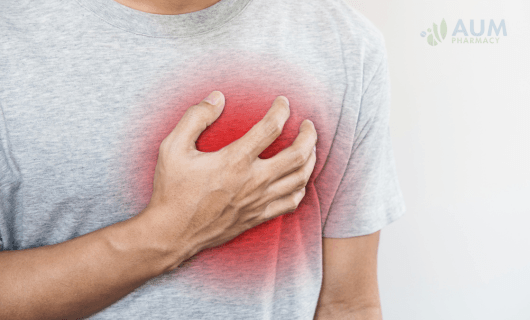
Heart attack
Overview of Heart attack
Myocardial infarction, or heart attack, occurs when blood flow to a section of the heart is blocked, causing damage to the heart muscle. The heart muscles require a steady supply of oxygen to function properly. When the blood flow is obstructed due to the buildup of fatty substances (plaque) within the arteries, it leads to muscle damage. If blood flow is not restored quickly, it can cause lasting damage, resulting in a heart attack.
Heart attacks are one of the leading causes of death globally. Common symptoms include chest pain, discomfort in the back, sweating, nausea, vomiting, and shortness of breath. In case of a suspected heart attack, aspirin should be administered, and the person should be transported to a hospital immediately. Waiting for symptoms to subside is not advisable. Early medical intervention significantly increases the chances of survival.
Treatment options for heart attacks include medications, and in some instances, surgery may be necessary. Adopting healthy lifestyle changes, undergoing regular health check-ups, and taking prescribed medications can help reduce the risk of a second heart attack.
Important Facts of Heart attack

Usually seen in
- Adults over 60 years of age

Gender affected
- Both men and women

Body part(s) involved
- Heart
- Blood vessels

Prevalence

Mimicking Conditions
- Aortic dissection
- Pericarditis
- Acute gastritis
- Acute cholecystitis
- Asthma
- Esophagitis
- Myocarditis
- Pneumothorax
- Pulmonary embolism
- Angina pectoris
- Non-ST segment elevation myocardial infarction (NSTEMI)
- ST-segment elevation myocardial infarction (STEMI)

Necessary health tests/imaging
- Lipid Profile Test
- C-reactive protein (CRP) test
- Cardiac troponins (I and T)
- Creatine kinase (CK)
- Creatine kinase-MB (CKMB)
- Myoglobin
- Electrocardiogram (EKG / ECG)
- Holter monitoring or ambulatory ECG
- Echocardiogram (Echo)
- Stress test
- Carotid ultrasound
- Tilt table tests
- MRI of the heart
- Coronary angiography
- Cardiac CT Scan
- Cardiac catheterization
- Radionuclide ventriculography (MUGA Scan)
- Transesophageal echocardiography (TEE)
- Positron emission tomography (PET) scan
- Single photon emission computed tomography (SPECT)
- Myocardial perfusion imaging (MPI) test

Treatment
- Thrombolytic drugs: Streptokinase, Alteplase, Urokinase
- Anticoagulants: Apixaban, Dabigatran, Heparin
- Antiplatelet agents: Aspirin, Clopidogrel, Prasugrel
- Angiotensin-converting enzyme (ACE) inhibitors: Fosinopril, Captopril, Enalapril
- Angiotensin receptor blockers: Telmisartan, Losartan, Valsartan
- Beta blockers: Atenolol, Metoprolol, Propranolol
- Combined alpha and beta blockers: Carvedilol, Labetalol
- Statins: Atorvastatin, Lovastatin, Rosuvastatin
- Diuretics: Hydrochlorothiazide, Chlorthalidone, Furosemide
- Vasodilators: Hydralazine, Minoxidil
Surgical Options:
- Percutaneous coronary intervention
- Bypass surgery
- Atherectomy
- Implantable medical devices: Pacemaker, Implantable cardiac defibrillator (ICDs), Ventricular assist devices (VADs)
- Other surgeries: Cardiomyoplasty, Heart transplant

Specialists to consult
- Cardiologist
- Thoracic surgeon
- Cardiac surgeon
- Interventional cardiologist
- Vascular surgeon
Symptoms Of Heart attack
Often, people don’t realize they have heart disease until they experience chest pain (angina) or a heart attack. Angina, which can occur days, hours, or even weeks before a heart attack, is one of the early warning signs and should not be ignored. However, heart attack symptoms vary greatly from person to person, and not all attacks begin with a sudden, severe chest pain. Common signs of a heart attack include:
- Pain or discomfort in the left shoulder, arm, neck, jaw, or back
- Shortness of breath
- Sweating
- Nausea
- Lightheadedness
- Abnormal heartbeat
- Vomiting
- Unusual fatigue
If you or someone else experiences chest pain or any of the above symptoms, it is essential to seek immediate medical help. Do not wait for the symptoms to subside. Even mild chest discomfort may indicate a serious problem with the heart.
Triggering Factors Of Heart attack
A heart attack occurs when an artery that supplies blood to the heart is completely or partially blocked. Coronary artery disease is the most common underlying cause, where the coronary arteries become blocked due to plaque buildup. The longer the blockage persists, the greater the damage to the heart muscle. If blood flow isn’t restored promptly, permanent damage to the heart muscle may result. Some of the common causes of a heart attack include:
- Coronary artery disease
- Coronary artery embolism
- Atherosclerosis
- Hypoxia (low oxygen levels)
- Drug abuse
- Cocaine-induced ischemia
Potential Risks for Heart attack
Age and family history are among the primary non-modifiable risk factors that can elevate the likelihood of a heart attack. However, certain modifiable factors can help you reduce or prevent your risk if they are addressed early on.
Here are some of the key modifiable risk factors for a heart attack:
High Blood Pressure
- High blood pressure increases strain on the blood vessels, causing them to narrow over time. This restricts blood flow to the heart, heightening the risk of a heart attack. The condition worsens when plaque, fat, and cholesterol accumulate in the coronary arteries.
Diabetes
- Poorly controlled blood glucose levels can lead to inflammation in the blood vessels, which impairs blood flow. Over time, this can damage the heart and increase the risk of a heart attack.
Cholesterol
- Excess cholesterol in the arteries that supply blood to the heart can block or narrow these vessels. This disruption in blood flow can lead to a heart attack. Regular cholesterol checks are recommended.
Smoking
- Smoking exposes the body to harmful chemicals that inflame the blood vessels. This inflammation accelerates the accumulation of substances like cholesterol and calcium in the blood, potentially obstructing the arteries and causing a heart attack.
Excessive Alcohol Consumption
- Heavy drinking can lead to dehydration, affecting blood flow to the heart and other organs. Alcohol also contributes to vessel inflammation, which can cause cholesterol and calcium deposits, increasing the risk of a heart attack over time.
Stress
- Chronic stress triggers the release of cortisol, which can disrupt hormone levels in the body. This imbalance can elevate cholesterol production, thereby increasing the likelihood of a heart attack.
Lack of Exercise
- A sedentary lifestyle often leads to weight gain and conditions like diabetes and high blood pressure, both of which are significant risk factors for heart attacks.
Diagnosis Of Heart attack
If chest pain or discomfort occurs, doctors will typically recommend blood tests and imaging procedures to identify the cause.
A. Lab Tests
Some common lab tests include:
Lipid Profile Test
- This series of blood tests measures different types of lipids in the blood, including total cholesterol, HDL (high-density lipoprotein) cholesterol, LDL (low-density lipoprotein) cholesterol, and triglycerides. It can provide insight into the risk of heart disease and the levels of harmful fats in the body.
C-Reactive Protein (CRP) Test
- CRP is a protein produced by the liver in response to inflammation. This test measures CRP levels in the blood to identify ongoing inflammation, which could indicate heart-related conditions.
Cardiac Troponins (I and T)
- Troponins are proteins found in heart muscles. Elevated levels in the blood can signal heart muscle damage, which is crucial for diagnosing heart injury or a heart attack.
Creatine Kinase (CK)
- This test detects muscle damage, including that of the heart, by measuring the levels of creatine kinase, an enzyme that is more prevalent in heart muscle cells. A more specific test, Creatine Kinase-MB (CKMB), focuses on heart muscle damage.
Myoglobin
- Myoglobin levels rise in cases of muscle damage. Elevated levels are indicative of heart injury, especially during a heart attack.
B. Imaging & Other Tests
Alongside blood tests, doctors may recommend additional tests to confirm a heart attack:
Electrocardiogram (EKG/ECG)
- The ECG is a primary diagnostic tool for acute coronary syndrome (ACS). It helps track electrical activity in the heart, and changes in the waveform can indicate a heart attack. Serial ECGs can provide further diagnostic information.
Holter Monitoring or Ambulatory ECG
- A Holter monitor is a wearable device that tracks the heart’s rhythm over an extended period. It’s used to detect irregular heartbeats (arrhythmias) that could indicate heart disease.
Echocardiography
- This imaging test uses sound waves to create images of the heart’s structure and function, helping detect abnormalities.
Stress Test
- This test evaluates heart function during physical exertion, typically on a treadmill. It helps determine how well the heart responds to exercise.
Carotid Ultrasound
- A carotid ultrasound checks for narrowing or blockages in the carotid arteries, which supply blood to the brain and are a significant risk factor for strokes.
Tilt Table Test
- This test monitors blood pressure, heart rate, and rhythm while the patient is tilted at various angles to assess how the body’s cardiovascular system responds.
MRI of the Heart
- A heart MRI uses magnets and radio waves to create detailed images of the heart, helping identify any issues with the heart muscle or blood vessels.
Cardiac CT Scan
- A cardiac CT scan provides three-dimensional images of the heart and coronary arteries, offering valuable insights into their condition and blood flow.
Coronary Angiography
- A coronary angiogram uses X-ray imaging to examine the heart’s blood vessels, helping detect blockages or other issues.
Cardiac Catheterization
- This procedure involves inserting a catheter into the heart’s blood vessels to examine the function of the heart, valves, or arteries.
Radionuclide Ventriculography (MUGA Scan)
- This scan produces images of the heart during its pumping cycle, helping assess its function and detect areas of damage.
Transesophageal Echocardiography (TEE)
- TEE provides detailed images of the heart using high-frequency sound waves. This test is often used to visualize the heart’s structure more clearly.
C. Nuclear Heart Scans
Nuclear heart scans use radioactive dye and imaging technology like CT or PET scans to assess heart function:
Positron Emission Tomography (PET) Scan
- This scan uses radioactive tracers to produce images of the heart, distinguishing between healthy and damaged muscle tissue.
Single Photon Emission Computed Tomography (SPECT)
- SPECT scans use radioactive substances to visualize blood flow to the heart, identifying areas that may be suffering from reduced blood supply.
Myocardial Perfusion Imaging (MPI)
- This test shows how well blood flows through the heart muscle, revealing areas of poor blood supply.
Preventive Measures Of Heart attack
Do Not Ignore Heart Disease Symptoms
Chest pain (angina), typically felt behind the breastbone, is a common sign of a heart attack. If you experience chest pain that occurs after walking a distance you normally manage, it could indicate an impending heart attack. Other typical symptoms include shortness of breath, sweating, and discomfort in areas such as the jaw, arms, and shoulders. If you notice any of these signs, seek immediate medical attention or visit a hospital as soon as possible.
Schedule Regular Health Check-ups
Conditions like diabetes, high blood pressure, and high cholesterol are significant contributors to heart disease. Regular health check-ups are essential, especially for individuals with high glucose levels, hypertension, or high cholesterol. People over 45 should prioritize annual heart check-ups, but with rising heart disease rates among younger individuals, adults over 30 should also schedule check-ups yearly.
Avoid Self-Medicating
Taking painkillers at home is common, but relying on them frequently can lead to health complications, including increasing your risk of cardiovascular problems. Research has shown that prolonged use of opioids can elevate the risk of heart disease. Always consult a doctor before using any medication to avoid potential side effects and complications. Never self-medicate, especially when it concerns heart-related issues.
Maintain a Good Relationship with Your Family Doctor
Many people hesitate to discuss health issues with their family doctors, fearing their concerns may be trivial. This lack of communication can prevent proper care. Having a strong, open relationship with your doctor is vital. Feel free to ask questions about medications, treatment options, and any symptoms you're experiencing. This will help you receive the proper guidance and treatment for heart health.
Exercise Regularly to Keep Your Heart Healthy
With busy lifestyles, regular exercise can be difficult to maintain, but staying active is key to preventing heart disease. A simple daily routine like walking for 30-45 minutes or aiming for 10,000 steps a day can significantly benefit your cardiovascular health. Strive for at least five days of physical activity each week to keep your heart in top shape.
Heart-Healthy Diet
A well-balanced diet rich in essential nutrients such as vitamins, minerals, protein, fiber, and healthy fats is crucial for heart health.
- Whole Grains: Foods like oats, barley, and legumes are excellent sources of fiber, which helps reduce fat absorption and lower blood triglyceride levels.
- Fruits and Vegetables: These provide antioxidants that protect cholesterol from oxidation, which can lead to heart disease. Cruciferous vegetables like broccoli, cauliflower, and celery, along with potatoes with skin, are particularly beneficial.
- Fatty Fish: The American Heart Association recommends eating two servings of fatty fish such as salmon, mackerel, or sardines each week for their omega-3 fatty acids, which can help control cholesterol levels.
- Garlic: Garlic helps lower triglycerides and total cholesterol while supporting glucose regulation, making it an excellent food for heart health.
- Nuts: Packed with fiber, omega-3 fatty acids, and healthy fats, nuts are great for overall heart health and should be included in your daily diet.
Specialists to Consult
If you experience heart attack symptoms such as persistent chest discomfort, pain in the arms, neck, or stomach, shortness of breath, sweating, or dizziness, you should seek immediate medical attention. While a family doctor is usually the first point of contact, specialists such as cardiologists, cardiac surgeons, and interventional cardiologists may be necessary for further evaluation and treatment.
Treatment Of Heart attack
Based on the severity and type of blockage, treatment may involve medications or surgery.
A. Medications
Heart attack treatments include various medications, and your doctor will prescribe the most suitable combination for your condition. Common heart attack drugs include:
- Thrombolytics: These intravenous medications break down blood clots and are most effective within the first 12 hours after a heart attack. Examples include Streptokinase, Alteplase, and Urokinase.
- Anticoagulants: These prevent blood clotting and help reduce the risk of further blockages. Examples are Apixaban, Dabigatran, Heparin, and Warfarin.
- Antiplatelet Agents: These medications, such as Aspirin and Clopidogrel, help prevent blood clots by inhibiting platelet aggregation.
- ACE Inhibitors: These lower blood pressure and are helpful for those with heart failure or high blood pressure. Some examples are Enalapril and Ramipril.
- Angiotensin Receptor Blockers (ARBs): If ACE inhibitors are not suitable, ARBs such as Losartan and Valsartan can help lower blood pressure.
- Beta Blockers: These reduce heart rate and blood pressure, with drugs like Atenolol and Metoprolol being commonly prescribed.
- Calcium Channel Blockers: These help relax blood vessels and reduce blood pressure. Amlodipine and Verapamil are examples.
- Statins: These reduce “bad” cholesterol (LDL) and help improve heart health. Atorvastatin and Rosuvastatin are commonly used.
- Diuretics: These medications help eliminate excess fluid and reduce blood pressure. Hydrochlorothiazide and Furosemide are examples.
- Vasodilators: Medications like Nitroglycerin help widen blood vessels, improving blood flow and lowering blood pressure.
B. Surgery
In some cases, surgery is required to treat a heart attack:
- Percutaneous Coronary Intervention (PCI): Also known as angioplasty, this non-surgical procedure uses a balloon to widen blocked arteries and may involve placing a stent to keep the artery open.
- Bypass Surgery: Known as coronary artery bypass grafting (CABG), this surgery reroutes blood flow around blocked arteries using healthy blood vessels from other parts of the body.
- Atherectomy: A catheter with a rotating shaver is used to remove plaque from the arteries.
- Implantable Devices: Pacemakers, implantable cardioverter defibrillators (ICDs), and ventricular assist devices help manage heart rhythm and support circulation.
Other surgical options may include:
- Cardiomyoplasty: Involving muscle support for the heart.
- Radiofrequency Ablation: To correct heart arrhythmias.
- Transmyocardial Revascularization (TMR): Using a laser to create channels in the heart.
- Heart Transplant: Replacing a diseased heart with a healthy donor heart
Health Complications Of Heart attack
If not treated promptly, a heart attack can lead to severe complications, including:
- Angina
- Arrhythmias
- Cardiogenic shock
- Heart failure
- Cardiac rupture
- Myocardial dysfunction
- Peripheral embolism
- Pericarditis
- Pericardial effusion
Alternative Therapies For Heart attack
While there are no definitive studies supporting the use of Ayurveda or homeopathy for heart attack treatment, certain lifestyle changes and yoga practices can contribute to heart health.
Yoga Poses for a Healthy Heart
While cardio and strength training exercises elevate heart rate and build muscle, yoga can serve as a complementary practice to prevent or manage heart disease. A combination of weight training, aerobics, and yoga is highly effective for improving heart health.
Here are some yoga asanas that promote heart health:
- Padangusthasana (Big Toe Pose): This pose stretches all the body’s muscles, stimulates abdominal organs and the heart, and helps slow the heart rate.
- Janu Sirsasana A (Head-to-Knee Pose): It stretches the entire back of the body, bringing the heart closer to gravity, slowing the heart rate, and calming the mind.
- Utthita Hastapadasana (Extended Hands and Feet Pose): This pose promotes breathing control, improves posture, calms the mind, and enhances blood circulation, thus supporting heart health.
- Setu Bandha Sarvangasana (Bridge Pose): This pose encourages deep breathing, opens the chest, enhances blood flow to the heart, and helps control blood pressure.
Homemade Remedies for Heart attack
What to Do if You Suspect a Heart Attack
If you suspect that you or someone in your family is experiencing a heart attack, it’s essential to act quickly and seek medical help. In the absence of immediate medical assistance, here are some steps that can be followed:
Recognize the Symptoms
Not all heart attacks involve chest pain. Some, referred to as "Silent Heart Attacks," may lack the typical symptoms. Be alert to other signs such as deep or irregular breathing, dizziness, nausea, anxiety, or a sensation of a panic attack. These subtle discomforts could signal a heart attack.
Act Promptly
Heart attacks often progress slowly, providing a window of time to respond. Understanding the symptoms and acting fast is crucial. Many people mistakenly confuse heart attacks with other conditions like indigestion, flu, or panic attacks. If you're unsure, it’s always best to seek immediate help.
Know Which Medications to Take
If you suspect a heart attack, chewing an aspirin tablet might offer some relief for many people. However, aspirin may not be suitable for everyone, so it’s essential to consult with your doctor beforehand to know what medication to take in such a scenario.
Seek Medical Help Right Away
Call for help immediately and don’t hesitate to ask someone to contact emergency services for medical assistance. If help is not available quickly, have someone take you to the nearest hospital. Avoid any physical activity, as it can worsen heart damage. Rest calmly and refrain from trying to drive yourself.
Tips for Maintaining Heart Health
In addition to following your doctor's instructions and taking prescribed medications, consider these lifestyle changes to keep your heart in optimal condition:
Increase Fiber Intake
- Consume more whole grains, cereals, fruits like oranges, pears, and melons, and vegetables such as carrots and broccoli. Whole fruits are a better choice than fruit juices as they contain more fiber.
Limit Fruit Intake if Diabetic
- Fruits are nutritious but should be consumed in moderation, especially for diabetics. Opt for fiber-rich fruits like berries, apples, and pears, which have lower sugar content.
Add Salads to Every Meal
- Vegetables, especially in raw form, are rich in nutrients. A large bowl of salad with vegetables and sprouts is a healthy addition to your daily meals. Sprouts are packed with protein and fiber, so aim for two servings a day.
Incorporate Fenugreek Seeds
- Fenugreek seeds are rich in soluble fiber and contain compounds that help lower cholesterol. If you have diabetes along with heart disease, adding fenugreek seeds to curries, dals, or curd can be beneficial.
Reduce Salt Intake
- The recommended salt intake for healthy individuals is around 5-6 grams per day. For those with heart disease or those recovering from surgery, it's advisable to limit salt consumption to no more than 2 grams daily, which is approximately half a teaspoon.
Choose Healthy Cooking Oils
- Opt for oils that are high in essential fatty acids like monounsaturated (MUFA) and polyunsaturated fatty acids (PUFA). Oils such as groundnut, sunflower, safflower, mustard, sesame, and rice bran are good choices. Vary your cooking oils each month to maximize benefits.
Monitor Oil Usage
- Regardless of the type of cooking oil used, it’s important not to exceed 15 ml per day, roughly three teaspoons. You can also incorporate a small amount of ghee but ensure it doesn’t surpass the total daily limit.
Practice Portion Control
- Instead of consuming three large meals, aim for six smaller meals spread throughout the day. A lighter dinner with easily digestible food is ideal. Avoid heavy and gas-forming foods like beans and cauliflower during the evening.
Include Nuts in Your Diet
- Nuts like almonds and walnuts are rich in omega-3 fatty acids, which are essential for heart health. They help regulate blood pressure, lower cholesterol, and reduce the risk of inflammation and heart disease.
Choose Healthy Snacks
- Opt for light, homemade snacks like boiled corn, puffed rice, vegetable chaat, or sprouts chaat. Avoid packaged or processed snacks. Fruits can serve as a mid-morning snack, but try to limit their intake after meals.
Lifestyle Modifications Heart attack
On average, about 25% of individuals who survive the first year after a heart attack are at risk of experiencing another one within the next four to six years.
To lower the risk of a second heart attack and maintain a healthy lifestyle, consider these straightforward yet effective steps:
Adopt a Healthy and Balanced Diet
Making simple changes in your diet, such as reducing the intake of cholesterol-rich foods, especially trans fats, saturated fats, added sugars, salt, and caffeine, can have a significant impact on overall health. Instead, focus on eating more fresh fruits, vegetables, legumes, and beans. Omega-3 fatty acids, which are beneficial for metabolism, should also be incorporated into the diet.
Exercise Regularly
Engaging in regular, mild physical activity, such as walking, can improve metabolism, keep the heart healthy, and boost your mood.
Quit Smoking and Drinking
Smoking harms the heart and arteries and is linked to an increased risk of heart attacks. Quitting smoking can lower the chances of a second heart attack by about 50%.
While moderate alcohol consumption doesn't pose a significant risk, excessive drinking can raise blood pressure and increase the likelihood of a heart attack.
Regular Health Checkups
Stick to your doctor's prescribed medications following your first heart attack and ensure you keep up with regular health checkups. Do not alter or stop taking any medications without consulting your healthcare provider.
Lead a Healthy Social and Emotional Life
Maintain social connections, share your concerns with trusted individuals, get enough sleep, and seek professional help if needed. Limiting emotional stress and engaging in activities like joining a laughter club can help manage stress and promote happiness.
Frequently Asked Questions
Subscribe to stay informed
Subscribe to our carefully crafted informative emailers by Medical Experts and be the first to get the latest health news, tips, and important updates.