


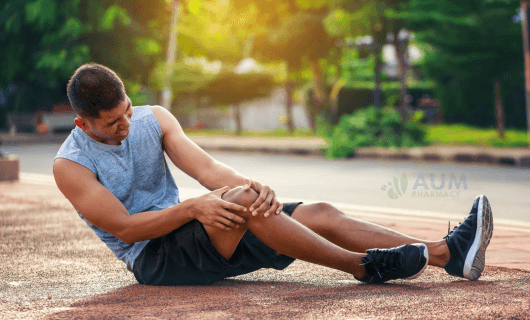
Heat Cramps
Overview of Heat Cramps
Heat cramps are painful muscle contractions triggered by physical activity in hot conditions. They are commonly caused by dehydration and a loss of electrolytes due to excessive sweating.
The symptoms include muscle spasms, particularly in the legs, abdomen, or arms, along with nausea, vomiting, fatigue, and a rapid heart rate.
To relieve the symptoms, rehydration with water and electrolytes, resting in a cool environment, and stretching the affected muscles are often effective.
Though heat cramps are the least severe form of heat-related illness, they serve as an early warning sign that the body is struggling with the heat. In some cases, medical attention may be necessary, especially if the symptoms persist or worsen.
Important Facts of Heat Cramps

Usually seen in
- All age groups

Gender affected
- Both men and women

Body part(s) involved

Prevalence

Mimicking Conditions
- Exercise-associated muscle cramps
- Nighttime leg cramps
- Leg cramps in pregnant women
- Writer's cramp

Necessary health tests/imaging
- Physical examination and medical history review
- Blood tests: Checking electrolyte levels, kidney and liver functions, and creatine kinase (CK) levels
- Urinalysis
- MRI

Treatment
- Rest
- Cool environment
- Massage
- Stretching
- Electrolyte drinks

Specialists to consult
- General physician
- Internal Medicine Specialist
- Pediatrician
Symptoms Of Heat Cramps
Heat cramps are the mildest form of heat-related illness, characterized by severe muscle spasms caused by prolonged exercise and excessive sweating in extreme heat. Typical symptoms include:
- Painful muscle contractions or spasms, typically in the abdomen, shoulders, arms, or legs.
- Excessive sweating
- Dizziness
- Clammy skin
- Fatigue
- Nausea and vomiting
- Increased heart rate
Triggering Factors Of Heat Cramps
Heat cramps are primarily caused by dehydration and electrolyte imbalance. The body loses vital fluids and electrolytes, especially sodium and potassium, during heavy sweating in intense heat or physical exertion.
A depletion of these electrolytes results in involuntary muscle contractions, leading to cramps.
Potential Risks for Heat Cramps
While heat cramps can affect people of all ages, infants and the elderly are more vulnerable due to challenges in regulating body temperature. Various factors increase the risk of heat cramps:
- High temperatures and humidity: Exposure to extreme heat and humidity increases the likelihood of heat-related conditions, including heat cramps.
- Heatwaves: Prolonged periods of high temperatures (above 32.2°C or 90°F) significantly raise the risk of heat cramps.
- Physical exertion: Intense physical activity, particularly in hot conditions, increases the risk.
- Age: Older adults and infants are more susceptible to heat cramps due to differences in thermoregulation and hydration.
- Obesity: Excess body weight can hinder the body’s ability to regulate temperature, raising the risk of heat cramps.
- Dehydration: Lack of fluid intake or excessive sweating without proper rehydration contributes to heat cramps.
- Lack of acclimatization: Individuals who are not accustomed to hot climates are at a higher risk.
- Limited access to cooling: A lack of air conditioning or cool water, particularly during heatwaves, increases the risk.
- Certain occupations: People working in hot environments, such as construction or firefighting, face a higher risk.
- Alcohol consumption: Alcohol impairs temperature regulation and hydration, making individuals more susceptible to heat cramps.
- Underlying health conditions: Chronic conditions like heart disease, lung disease, obesity, diabetes, and immune disorders increase the risk. Pregnant and breastfeeding individuals are also at higher risk.
- Concurrent infections: Infections can exacerbate the body’s response to heat stress, increasing the risk of heat cramps.
- Certain medications: Medications such as antipsychotics, antihypertensives, or anti-diabetic drugs can interfere with the body’s temperature regulation, heightening the risk.
- History of heat-related illnesses: A past history of heat-related ailments increases the chances of future episodes.
Diagnosis Of Heat Cramps
Heat cramps can typically be self-diagnosed, especially after intense physical activity in hot environments when muscle spasms occur.
Medical History and Physical Examination
A healthcare provider will review your medical history and current medications. They will also ask about:
- Pain intensity
- Timing of the cramps (e.g., after exercise or during work)
- Duration of cramps
- Nature of muscle spasms
- Other symptoms
Blood Tests
Blood tests may be performed to check electrolyte levels, kidney function, liver function, and creatine kinase (CK) levels to assess muscle damage or electrolyte imbalances.
Urine Test
A urine test can help identify dehydration or heat-related conditions, with results typically showing very low or no detectable urine sodium.
MRI
In rare cases, an MRI may be used to rule out neurological issues as the cause of leg cramps.
Preventive Measures Of Heat Cramps
Taking proactive measures is essential to avoid heat-related issues like heat cramps. Here are some key steps to prevent them:
Stay Hydrated
Make sure to drink plenty of water throughout the day, even if you don't feel thirsty. You can also try coconut water, buttermilk, juices, lightly salted water, or broth. Avoid excessive alcohol and caffeinated drinks.
Dress Appropriately
Wear loose, lightweight, and light-colored clothing during hot weather to help regulate body temperature and promote sweat evaporation.
Stay Informed
Keep an eye on weather forecasts and heat advisories in your area. Monitoring the heat index, which combines temperature and humidity, can help assess the level of heat-related risk.
Stay Cool and Safe
Avoid being outside during peak heat hours, which are typically between 10 a.m. and 4 p.m. If you must be outside, take regular breaks in cool or shaded areas. Try to stay indoors on especially hot, humid days.
Sun Safety
When outdoors, seek shade or use an umbrella or canopy. Wear a wide-brimmed hat made of tightly woven fabric and UV-protective sunglasses. Be sure to apply sunscreen with SPF 30 or higher, ensuring it offers broad-spectrum protection and is water-resistant.
Cool Your Body
Take cool baths or showers regularly to help regulate your body temperature. Stay in air-conditioned spaces whenever possible, such as shopping malls or other cooling environments.
Avoid Strenuous Activities
Limit physical activity in hot and humid conditions. If possible, schedule exercise or physical work during the cooler parts of the day and take frequent breaks in shaded or cool areas.
Acclimatize Gradually
If you’re not accustomed to hot weather, gradually increase your exposure to outdoor heat to help your body adapt.
Be Mindful of Certain Medications
Consult your doctor about any medications you take and whether they could impact your body’s ability to cope with heat.
Medical Considerations
If you or your child has any underlying medical conditions or takes medication, consult a healthcare provider for personalized advice on how to prevent heat-related illnesses.
Doctor to Visit
If you're experiencing heat cramps and they don't improve with rest or rehydration, it may be time to seek medical attention. See a doctor if:
- The cramps are severe or persistent.
- The symptoms do not improve with hydration and rest.
- Nausea or vomiting makes it difficult to stay hydrated.
- You notice dark urine or other signs of dehydration.
- The cramps are accompanied by symptoms of heat exhaustion, such as dizziness, fatigue, vomiting, headaches, rapid heartbeat, trouble breathing, or a high fever (above 104°F).
Doctors to consult include:
- General Physician
- Internal Medicine Specialist
- Pediatrician (for children)
A General Physician can diagnose and treat heat cramps, providing guidance on hydration, rest, and electrolyte replenishment.
An Internal Medicine Specialist will address heat cramps by diagnosing any underlying conditions, creating a treatment plan, and recommending preventive measures. They also assess other heat-related illnesses that may need attention.
A Pediatrician specializes in the care of infants and children, offering tailored treatment to ensure proper hydration and prevent complications.
Treatment Of Heat Cramps
Heat cramps are generally mild and can be managed with simple methods:
Rest
- Take a break from physical activity to allow the body to recover.
Cool Environment
- Rest in a cool, shaded area to help lower your body temperature and ease discomfort.
Massage
- Gently massage the affected muscles to reduce cramping and pain. You can also apply cold compresses, like ice packs, to the muscles for added relief.
Stretching
- Stretch the affected muscles to relieve pain and discomfort. Focus on muscles involved in the cramps, such as the calves, thighs, or abdomen.
Electrolyte Drinks
- Rehydrate with fluids, especially those containing electrolytes, to replenish lost salts. You can also drink water with added salt (around 2 teaspoons per quart or liter) to help restore electrolyte balance.
Health Complications Of Heat Cramps
If heat cramps are not addressed promptly, they can lead to serious complications, some of which may be life-threatening. These include:
Muscle Injury
- In severe or prolonged cases, heat cramps can lead to muscle damage, such as strains or tears, due to continuous spasms.
Heat Exhaustion
- Heat cramps may escalate into heat exhaustion if left untreated. This condition is marked by heavy sweating, rapid pulse, weakness, dizziness, nausea, and fainting.
Heat Stroke
- Heat stroke is a critical, life-threatening condition that occurs when the body’s temperature control system fails, causing an extremely high body temperature. It requires immediate medical intervention.
Note: In severe cases of heat cramps, seeking medical treatment may be required. Intravenous (I.V.) fluids can quickly rehydrate the body and help restore the balance of electrolytes.
Alternative Therapies For Heat Cramps
Homemade Remedies for Heat Cramps
During the intense summer heat, the body is prone to issues like heat cramps. Here are some home remedies that can help keep you cool and reduce discomfort:
Aam Panna
- Mangoes, a summer staple in India, are packed with pectins that help combat heat-related conditions. Aam panna, a drink made by boiling raw mangoes, is commonly used to prevent heat cramps. After cooling, add sugar, salt, and cumin, and drink it 2-3 times a day for optimal results.
Aloe Vera Juice
- Aloe vera is known for its cooling properties and healing benefits. Consuming aloe vera pulp in smoothies or as part of snacks like porridges can provide relief.
Buttermilk (Chhaachh)
- Buttermilk is full of essential nutrients like proteins, calcium, minerals, and vitamins. It's also packed with electrolytes, making it an effective remedy for dehydration and heat cramps. Mix two tablespoons of curd with half a glass of water, then add black salt, pepper, green chilies, ginger, and coriander, and drink it throughout the day.
Coconut Water
- Tender coconut water is naturally rich in electrolytes and helps rehydrate the body, providing a refreshing energy boost. Add lemon and mint leaves to coconut water for an extra burst of freshness.
Lifestyle Modifications Heat Cramps
Frequently Asked Questions
Subscribe to stay informed
Subscribe to our carefully crafted informative emailers by Medical Experts and be the first to get the latest health news, tips, and important updates.