


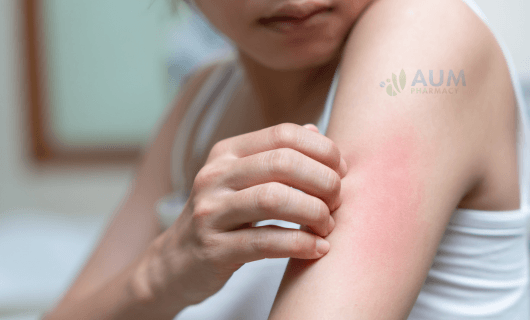
Heat rash
Overview of Heat rash
Heat rash is a frequent heat-related condition that occurs when the sweat glands in the skin become blocked and inflamed, resulting in discomfort. This condition is characterized by small, itchy bumps or blisters, redness, and a prickling or stinging sensation on the skin.
Heat rash typically develops in hot and humid conditions and is most common in environments with high temperatures and moisture levels. While it can affect people of all ages and genders, it is more likely to occur in individuals who engage in strenuous activities, wear tight-fitting clothing, or are exposed to extreme heat.
Though heat rash often resolves on its own, if left untreated, it can lead to complications such as infections, abscesses, or cellulitis. Early recognition and treatment are crucial for relieving symptoms and avoiding complications.
Important Facts of Heat rash

Usually seen in
- All age groups

Gender affected
- Both men and women

Body part(s) involved
- Skin

Prevalence

Mimicking Conditions
- Viral infections like herpes simplex or varicella
- Fungal infections such as cutaneous candidiasis
- Folliculitis
- Neonatal acne
- Drug rashes
- Grover disease
- Insect bites
- Lymphocytoma cutis or cutaneous T-cell pseudolymphomas

Necessary health tests/imaging
- Medical history review
- Physical examination
- Dermoscopy
- Skin punch biopsy
- High-definition optical coherence tomography (OCT)

Treatment
- Relocate to a cooler environment
- Rest and rehydrate
- Apply active cooling measures
- Loosen tight clothing
- Monitor for worsening symptoms

Specialists to consult
- General physician
- Dermatologist
Symptoms Of Heat rash
The symptoms of heat rash vary in intensity and typically appear in areas where sweat accumulates, such as the armpits, neck, chest, groin, under the breasts, behind the knees, and in elbow folds.
Common symptoms of heat rash include:
- Itching or a prickling sensation
- Mild swelling
- Clusters of red pimples or small blisters
- Red, inflamed skin
Triggering Factors Of Heat rash
Heat rash is primarily caused by excessive sweating, which blocks the sweat glands and prevents sweat from evaporating. This causes irritation and the formation of bumps under the skin. Babies are more susceptible to heat rash as their temperature-regulation systems are not as efficient as those of adults.
Several factors contribute to the blockage of sweat glands:
- Small dead skin cells or secretions that obstruct the glands
- Accumulation of sweat between the skin and clothing
- Hair follicles blocking the glands
- Hormonal changes, such as during menstruation
- Lack of airflow between the skin and clothing
Types Of Heat rash
Heat rash, caused by blocked sweat ducts, is categorized based on how deep the blockage occurs. There are four main types:
- Miliaria Crystallina: The mildest form, caused by blockage of the outermost skin layers, leading to clear, fluid-filled blisters.
- Miliaria Rubra: Known as prickly heat, this type involves deeper blockage of sweat ducts, causing an itchy, prickling feeling.
- Miliaria Pustulosa: This occurs when miliaria rubra becomes infected or inflamed, resulting in pus-filled bumps.
- Miliaria Profunda: The rarest form, where sweat ducts in the dermis become blocked, causing firm, flesh-colored lesions similar to goosebumps.
Potential Risks for Heat rash
Heat rash often arises from sweating and environmental factors. The key contributors include:
- Newborns: Immature sweat ducts make infants more vulnerable to heat rash.
- Hot and Humid Weather: Living or working in hot, humid environments increases the risk.
- Physical Activity: Intense exercise or activities that cause heavy sweating can lead to heat rash.
- Fever: High body temperatures, like those seen with fever, can trigger heat rash.
- Clothing: Wearing non-breathable or synthetic clothing that traps heat and sweat against the skin can contribute.
- Hospitalization: Patients confined to beds, particularly on waterproof mattresses, may be at higher risk.
- Other Medical Conditions: Certain diseases, medications, and treatments, such as drug-induced hyperhidrosis, chemotherapy side effects, genetic disorders, and radiotherapy, may increase the likelihood of developing heat rash.
Diagnosis Of Heat rash
Diagnosing heat rash typically involves reviewing the patient's medical history, conducting a physical examination, and sometimes performing additional tests. The process generally includes:
- Medical History: The doctor will ask about your symptoms, including when they began, the areas affected, and any potential triggers, such as heat exposure or excessive sweating.
- Physical Examination: The doctor will inspect the skin for signs of heat rash, such as redness, bumps, blisters, or irritation.
- Dermoscopy: This tool is especially helpful in individuals with darker skin tones, revealing large white globules surrounded by darker halos, resembling a white bullseye.
- Skin Punch Biopsy: If there is any uncertainty or difficulty in diagnosing the condition, a skin punch biopsy may be done to confirm the diagnosis.
- High-Definition Optical Coherence Tomography (OCT): OCT can help identify blockages in the eccrine ducts, which aids in diagnosing conditions like miliaria (heat rash).
Preventive Measures Of Heat rash
The best way to manage heat rash is by preventing it. Keeping the skin exposed to fresh air reduces the likelihood of sweat duct blockages and inflammation.
To prevent heat rash, consider these strategies:
Stay Cool and Comfortable:
- Wear loose, lightweight, light-colored clothing made of breathable cotton fabrics.
- Avoid tight clothing, wool, and thick creams that may clog pores.
- Take cool showers or baths to regulate your body temperature and prevent sweat accumulation.
- Seek shade or air-conditioned areas, especially during the hottest parts of the day (10 am - 4 pm).
Hydrate and Protect from the Sun:
- Drink plenty of water to stay hydrated and support the body’s natural cooling mechanisms.
- Protect your skin from sun exposure with shade, wide-brimmed hats, sunglasses, and SPF 30+ sunscreen with UVA/UVB protection and water resistance.
Reduce Activity and Minimize Irritation:
- Limit strenuous physical activity during hot weather, opting for cooler times of the day or indoor spaces with air conditioning.
- Minimize skin-on-skin contact to reduce sweat buildup and irritation, particularly for those with excess weight.
- Avoid using creams and ointments that can clog pores.
- If you take medications like clonidine, beta-blockers, or opioids that cause excessive sweating, consult your doctor as they may worsen heat rash.
Preventing Baby Heat Rash
To help prevent heat rash in babies, follow these steps:
- Monitor Overheating: Ensure your baby doesn’t overheat, especially while playing outside. If you notice damp clothing or flushed skin, remove a layer and move to a cooler area.
- Hydration: Keep your baby hydrated with frequent feedings of milk or water to help regulate their body temperature.
- Appropriate Layering: Dress your baby in breathable, moisture-wicking fabrics that allow sweat to evaporate. Avoid overdressing to prevent heat buildup.
- Proper Sleepwear: Opt for snug, flame-retardant sleepwear made from natural fibers like cotton, which helps the body release heat.
- Re-rinse Laundry: Add an extra rinse cycle or adjust detergent levels to remove any residue that could irritate the skin and cause heat rash.
When to Visit a Doctor
While heat rash typically heals on its own with cooling and avoiding heat exposure, you should consult a doctor if:
- The rash is severe, painful, or lasts for several days.
- You notice signs of infection, such as redness, swelling, or pus at the rash site.
- You develop a fever or other symptoms in addition to the rash.
- The rash appears unusually bright red or has streaks.
- The rash occurs after starting a new medication or antibiotic.
- The rash leaks pus or forms scabs.
Treatment Of Heat rash
Heat rash, also known as miliaria, usually resolves on its own when the affected skin is cooled and exposed to air. However, treatment may be necessary in certain cases. Here are some approaches to managing heat rash effectively:
General Measures:
- Apply a cold compress, such as a damp cloth or ice pack (wrapped in a towel), for up to 20 minutes to soothe itching and prickling sensations.
- Avoid scratching the rash, and instead, gently tap or pat it.
- Steer clear of scented shower gels or creams that could irritate the skin.
Medications:
- Antipyretics (e.g., paracetamol) to reduce fever.
- Anti-Itch Medications:
- Calamine Lotion: Provides relief from itching and discomfort.
- Mild Topical Steroids: Hydrocortisone can help reduce inflammation. Consult a doctor before using on children under 10.
- Antiseptics and Antibiotics: Used if secondary infections occur, especially antibiotics targeting staphylococcal infections.
Treatment Based on Severity:
- Mild Cases: These often resolve within 24 hours without treatment.
- Moderate Cases: Treatment focuses on reducing inflammation, and mild to moderate corticosteroid creams like triamcinolone (0.1%) can be used for 1-2 weeks.
- Bacterial Infections: If an infection develops, topical antibiotics like clindamycin may be needed.
- Severe Cases: Severe cases may require oral isotretinoin and topical anhydrous lanolin.
Health Complications Of Heat rash
Heat rash, also known as miliaria, can lead to the following complications:
Anhidrosis:
Severe cases of heat rash can damage sweat glands, resulting in anhidrosis (inability to sweat), which prevents the body from cooling itself effectively.
Heat Exhaustion:
Without proper sweating, the body’s ability to regulate temperature is compromised, increasing the likelihood of heat exhaustion.
Skin Infections:
Persistent scratching can break the skin, leading to bacterial infections, such as impetigo.
Alternative Therapies For Heat rash
Homemade Remedies for Heat rash
Here are eight natural treatments that might help ease the discomfort of heat rash, along with over-the-counter creams and medications:
- Cold Compress: Applying a cold pack or a chilled cloth wrapped in a towel can help reduce swelling, redness, and itching.
- Cool Bath: A cool or lukewarm bath can lower the skin temperature and relieve itching. Using an exfoliating agent may help unclog blocked pores.
- Keep Indoor Spaces Cool: Use fans or air conditioning to keep your environment comfortable. If you're on bed rest, gently moving around can help circulate air.
- Wear Loose, Cotton Clothing: Opt for lightweight, breathable cotton fabrics to allow air to flow freely and help keep the body cool, reducing irritation.
- Colloidal Oatmeal Bath: Colloidal oatmeal is known for its anti-inflammatory and antioxidant effects, which may help soothe itchy skin, as suggested by some studies.
- Topical Pine Tar: Pine tar has been traditionally used to alleviate itching and reduce inflammation when applied to affected areas.
- Aloe Vera Gel: Aloe vera is famous for its skin-soothing properties and can help calm irritated, itchy skin.
- Sandalwood Paste: According to Ayurvedic traditions, a paste made from sandalwood and water can potentially reduce inflammation when applied to heat rash areas.
These natural remedies aim to offer relief from heat rash symptoms based on traditional uses and, in some cases, scientific backing.
Lifestyle Modifications Heat rash
Frequently Asked Questions
Subscribe to stay informed
Subscribe to our carefully crafted informative emailers by Medical Experts and be the first to get the latest health news, tips, and important updates.