


Hyperpigmentation
Overview of Hyperpigmentation
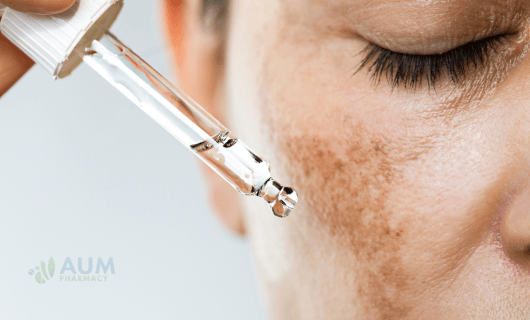
Hyperpigmentation is a condition where certain areas of the skin become darker than the surrounding areas. It is generally harmless and results from an excess of melanin, a brown pigment responsible for the skin's natural color.
Hyperpigmentation can affect individuals of all skin tones and ethnicities. There are several types, including melasma, post-inflammatory hyperpigmentation, and age spots. Factors such as prolonged sun exposure, inflammation, hormonal changes, reactions to certain medications, and some medical conditions are known to contribute to hyperpigmentation.
While it does not pose any health risks, some people may seek treatment. Treatment options include sun protection, topical creams with ingredients like retinoids, hydroquinone, azelaic acid, and kojic acid, as well as cosmetic procedures like laser therapy and chemical peels.
Important Facts of Hyperpigmentation

Usually seen in
- Adults

Gender affected
- Both men and women

Body part(s) involved
- Skin,
- Face,
- Hands,
- Legs,
- Chest

Prevalence

Mimicking Conditions

Necessary health tests/imaging
- Physical exam,
- Medical history review,
- Wood’s lamp test

Treatment
- Topical creams (Kojic acid, Azelaic acid,
- Hydroquinone,
- Retinoids,
- Vitamin C),
- Chemical peels,
- Laser therapy,
- Microdermabrasion

Specialists to consult
- General physician,
- Dermatologist
Symptoms Of Hyperpigmentation
The primary symptom of hyperpigmentation is the appearance of darker patches on the skin, which can vary in size and location. These patches can develop anywhere on the body. The symptoms differ based on the type of hyperpigmentation. The most common forms include:
Sunspots
Also known as solar lentigines or age spots, sunspots are frequently observed and are unrelated to any liver disease despite the nickname "liver spots." They result from prolonged sun exposure over time and appear as brown, black, or tan spots. These spots are typically found on areas like the face, backs of hands, and other sun-exposed skin areas.
Melasma
Melasma, or chloasma, is characterized by dark brown or greyish patches on the face, particularly on the cheeks, upper lip, and forehead, but it can also affect the forearms. It may also appear on other exposed parts of the body, including the neck, back, and tummy. Often referred to as the "mask of pregnancy," melasma primarily impacts pregnant women but can also affect those taking oral contraceptives. It is more common in women, especially those with darker skin tones.
Post-inflammatory Hyperpigmentation (PIH)
This type occurs after the skin has been injured or inflamed, often following conditions like acne or eczema. It manifests as darkened spots or patches, primarily on the face or neck, where the inflammation or injury occurred.
Triggering Factors Of Hyperpigmentation
The primary cause of hyperpigmentation is the overproduction of melanin, the pigment responsible for skin color. Several factors and conditions can influence melanin production, leading to hyperpigmentation, including:
Excessive Sun Exposure
Prolonged exposure to the sun causes the skin to produce more melanin as a protective response to harmful UV rays. This can result in dark spots or patches, commonly referred to as sun spots or age spots. These are typically seen as people age and become more prominent over time.
There is a direct relationship between skin pigmentation and geographical regions with varying levels of ultraviolet radiation. Darker-skinned individuals tend to live in areas with higher UVB radiation, while lighter-skinned individuals are typically found in regions further from the tropics.
Skin Inflammation
Inflammation in the skin can lead to darkening of the affected areas. Conditions such as acne, psoriasis, eczema, atopic dermatitis, and allergic contact reactions can trigger this response. Post-inflammatory hyperpigmentation is usually more severe with recurring inflammation compared to a single episode. The resulting pigmentation can persist for months or even years, significantly affecting a person's appearance.
Melasma
Also called "chloasma" or the "mask of pregnancy," melasma is a common form of hyperpigmentation, especially in pregnant women. It appears as dark, uneven patches on the face, often symmetrically on both sides of the face.
Melasma primarily affects women, though men can also develop it. It is more common and can last longer in those with darker skin. While the exact cause remains unclear, it is often linked to hormonal changes, such as those during pregnancy or from the use of oral contraceptives. UV exposure can worsen melasma. It generally fades after pregnancy or discontinuation of birth control pills but may persist longer in some individuals. Genetic factors, thyroid or liver disorders, and excessive sun exposure can also contribute to its development.
Reaction to Certain Medications
Certain medications, such as tricyclic antidepressants and antimalarial drugs, may cause hyperpigmentation. Some topical treatments can also lead to skin darkening, resulting in patches with a greyish tint.
Addison's Disease
Addison’s disease, an autoimmune disorder affecting the adrenal glands, can lead to hyperpigmentation, especially on areas like elbows, knees, the skin folds, lips, knuckles, and toes. Along with hyperpigmentation, symptoms of Addison's disease include fatigue, muscle weakness, nausea, and vomiting.
Hemochromatosis
Hemochromatosis is a genetic condition where the body absorbs too much iron, which can result in hyperpigmentation. The skin may appear darker or more tanned than usual. Other symptoms include stomach pain, joint pain, fatigue, and weight loss.
Acanthosis Nigricans
This condition leads to dark, velvety patches of skin, especially in areas like the back of the neck and armpits. It is commonly associated with insulin resistance, which is often seen in diabetes and metabolic syndrome, a combination of conditions that increases the risk of heart disease and type 2 diabetes.
Linea Nigra
This refers to a darkened line that appears along the abdomen during pregnancy.
Peutz-Jeghers Syndrome
Peutz-Jeghers syndrome is an inherited disorder characterized by dark spots on the lips, oral mucosa, and gastrointestinal polyps.
Smoker's Melanosis
This condition, often seen in tobacco users, causes dark pigmentation on the gums, cheeks, and palate, particularly on the lower gums. It can also affect the larynx.
Mercury Poisoning
Mercury poisoning, especially from the topical use of mercurial ointments intended for skin lightening, can cause skin darkening, particularly on the outer skin layers.
Porphyria
Porphyria is a group of liver disorders where substances called porphyrins accumulate in the body, causing skin damage and long-term hyperpigmentation.
Metabolic Causes
Deficiencies in vitamins such as B12 and folic acid can lead to hyperpigmentation.
Cancer
Although less common, hyperpigmentation can occur in cases of malignancy, especially in melanoma. It is more often seen in patients with metastatic disease or melanoma of an unknown origin.
Potential Risks for Hyperpigmentation
Common risk factors for hyperpigmentation include:
- Prolonged sun exposure
- Darker skin tones, which are more susceptible to pigmentation changes
- Pregnancy or the use of oral contraceptives, particularly in cases of melasma
- Medications that increase skin sensitivity to sunlight
- Skin trauma, such as burns
- Inflammation, especially post-acne
Diagnosis Of Hyperpigmentation
Since hyperpigmentation can result from a variety of causes, accurate diagnosis is essential. Some common diagnostic methods include:
Physical Examination
A dermatologist can evaluate the cause of hyperpigmentation through a physical examination. A biopsy, where a small skin sample is taken for lab analysis, may also be performed. Melasma can typically be diagnosed based on its visual appearance.
Complete Medical History
Certain medications or medical conditions can contribute to hyperpigmentation. A detailed medical history helps identify potential underlying causes.
Wood's Lamp Examination
A Wood's lamp uses ultraviolet light to examine skin pigmentation. This test is conducted in a dark room, allowing the light to reveal the affected area. The lamp will show fluorescence if certain pigment disorders, fungal or bacterial infections are present. Normal skin does not fluoresce.
Preventive Measures Of Hyperpigmentation
While there is no guaranteed way to fully prevent hyperpigmentation, there are steps you can take to lower your chances of developing it:
- Always apply sunscreen to protect your skin from harmful sun rays. SPF 50 is recommended.
- Wear hats or caps to shield your face from the sun when outdoors.
- Try to avoid going out during the peak sunlight hours, particularly in the afternoon.
- Incorporate Vitamin C into your skincare routine.
- Minimize the habit of scratching or touching your skin frequently.
Specialists to Consult
Although hyperpigmentation is generally harmless, it can impact both your physical appearance and mental well-being, particularly if linked to an underlying health issue. Specialists who can help in managing hyperpigmentation or diagnosing any related conditions include:
- Dermatologist
- General Physician
Treatment Of Hyperpigmentation
There are several treatments available to reduce or manage hyperpigmentation. These include:
Topical Creams
Many people choose over-the-counter creams containing skin-lightening ingredients such as kojic acid, azelaic acid, hydroquinone, retinoids, and Vitamin C.
Prescription creams containing hydroquinone can help lighten the skin. Hydroquinone is considered one of the most effective treatments for melasma and hyperpigmentation, but prolonged use can lead to a condition called ochronosis, where the skin darkens further. Always consult a dermatologist before using products with hydroquinone to ensure proper use.
Retinoid or kojic acid creams may take several months to show results.
Chemical Peels
Chemical peels can effectively treat hyperpigmentation by applying a chemical solution to the skin, causing it to exfoliate and peel. The new skin that forms is smoother and more even.
Common chemicals used in peels include glycolic acid, salicylic acid, and trichloroacetic acid. If you're using retinoids, consult your doctor before opting for a chemical peel, as you may need to pause retinoid use for a few days. Superficial peels use mild acids to target the outer layer of skin, while medium-strength peels penetrate deeper layers to treat more significant discoloration. Deep peels can help with deeper skin issues like scars or age spots.
Dermabrasion
Dermabrasion is a procedure that uses a wire brush or diamond wheel to remove the outer skin layer, allowing fresh skin to grow. It can be an effective treatment, but it does require healing time, and patients must be prepared for the post-treatment appearance during recovery. Results from dermabrasion can take several weeks or even months to fully appear.
Laser Resurfacing
Laser resurfacing is a popular treatment that uses lasers to improve skin texture and remove damaged layers. CO2 lasers are commonly used for minor wrinkles and scars, while erbium lasers are effective for treating superficial and deeper lines. YAG lasers and intense pulse light can be used for treating hyperpigmentation like melasma and post-inflammatory hyperpigmentation.
Health Complications Of Hyperpigmentation
Hyperpigmentation is a benign condition that causes darkened areas of skin but generally does not lead to any serious complications. However, if the pigmentation persists for several months without improvement, it is advisable to consult a doctor to rule out any underlying medical issues.
Alternative Therapies For Hyperpigmentation
Home Remedies
Various natural remedies can help lighten hyperpigmentation, though it's always best to consult with a dermatologist before trying any home treatments.
Aloe Vera
Aloe vera contains aloesin, a compound known to reduce melanin production in the skin, helping to lighten hyperpigmentation. It has also shown benefits in treating melasma in pregnant women. You can use fresh aloe vera gel or store-bought versions.
Licorice (Mulethi)
Licorice extract is known to lighten dark spots and pigmentation, thanks to its antioxidants and anti-inflammatory properties.
Green Tea
Green tea is rich in antioxidants and has anti-inflammatory effects that can aid in reducing hyperpigmentation.
Turmeric (Haldi)
The antioxidants in turmeric help lighten dark patches while also preventing pimples that may later cause hyperpigmentation.
Potato (Aloo)
Potatoes contain catecholase, an enzyme that helps lighten dark spots and skin pigmentation.
Tomato (Tamatar)
Tomato paste, rich in lycopene, helps protect the skin from the short- and long-term effects of sun exposure.
Milk (Dudh)
Milk, buttermilk, and sour milk contain lactic acid, which aids in lightening skin discoloration.
Sandalwood (Chandan)
An age-old remedy, sandalwood helps lighten hyperpigmented spots and is known for its natural skin-brightening properties.
Homemade Remedies for Hyperpigmentation
While hyperpigmentation isn’t typically a serious condition, it can be distressing due to its impact on appearance. Here are some home-care tips to help manage it:
- Follow your dermatologist's instructions carefully.
- If advised to use a topical cream or face wash, apply them consistently and be patient for visible results.
- Always wear sunscreen when going outside, even on cloudy days.
- Avoid touching or picking at areas with acne or other skin injuries.
- Picking or scratching these areas can worsen inflammation and lead to darker skin.
- Use over-the-counter products with ingredients like arbutin and niacinamide to help target dark spots.
- Be cautious with the amount of any product you apply, as excessive use may irritate the skin.
- Natural remedies like aloe vera, green tea extract, and sandalwood can also help lighten skin.
Lifestyle Modifications Hyperpigmentation
While hyperpigmentation is not harmful to physical health, it can have psychological effects, affecting self-esteem and mental health. Fortunately, there are effective strategies to manage it.
- Avoid prolonged sun exposure. Always wear sunscreen with SPF 30 or higher when outdoors, and reapply every two hours.
- Protect your skin by wearing hats or caps to block out UV rays.
- Opt for gentle, fragrance-free skincare products that don't irritate or inflame your skin.
- Refrain from waxing areas with melasma, as this can lead to further skin irritation.
- Incorporate more foods rich in Vitamin A and antioxidants, such as spinach, carrots, broccoli, red bell peppers, and sweet potatoes, to help reduce pigmentation.
- Eat plenty of citrus fruits, as Vitamin C helps reduce the damage caused by UV rays and prevents dark spots.
- Vitamin B12 deficiency can contribute to pigmentation, so ensure you're getting enough of this vitamin in your diet.
- Drink at least 2-3 liters of water daily to keep your skin hydrated and flush out toxins.
- Always consult a dermatologist for a proper diagnosis and treatment of underlying causes of hyperpigmentation.
Frequently Asked Questions
Subscribe to stay informed
Subscribe to our carefully crafted informative emailers by Medical Experts and be the first to get the latest health news, tips, and important updates.