


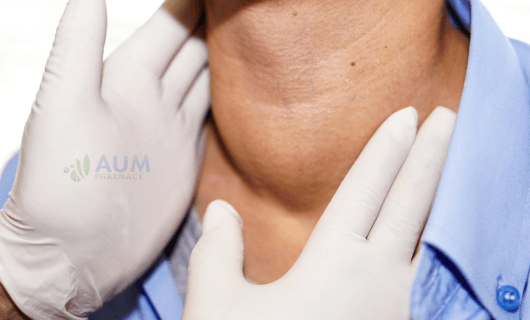
Hyperthyroidism
Overview of Hyperthyroidism
Hyperthyroidism is a condition where the thyroid gland releases an excessive amount of thyroxine hormone into the bloodstream. This leads to an accelerated metabolism, resulting in symptoms such as a rapid heartbeat, increased appetite, weight loss, and anxiety.
Several medical conditions can trigger hyperthyroidism, including Graves' disease, thyroid nodules, and thyroid gland inflammation. Women are more likely to develop hyperthyroidism than men.
Treatment options for hyperthyroidism vary. If diagnosed with this condition, it is important to follow the prescribed medication and lifestyle changes recommended by your healthcare provider. Failure to treat hyperthyroidism can cause damage to vital organs, particularly the heart and bones.
Important Facts of Hyperthyroidism

Usually seen in
- Adults over 60 years

Gender affected
- Affects both men and women, but more common in women

Body part(s) involved
- Thyroid gland,
- Heart,
- Bones,
- Skin,
- Eyes

Prevalence

Mimicking Conditions
- Alzheimer's disease,
- Depression,
- Cirrhosis,
- Dementia,
- Hypoglycemia

Necessary health tests/imaging
- Blood tests: TSH (Thyroid Stimulating Hormone), Total T4 (Thyroxine), Total T3 (Triiodothyronine), Anti-thyroglobulin antibody, Thyroxine-binding globulin
- Imaging: Thyroid scan, Ultrasound, Radioactive iodine uptake test

Treatment
- Radioactive iodine therapy
- Antithyroid medications (Methimazole & Propylthiouracil)
- Beta blockers
- Surgery
- Radiofrequency ablation (RFA)

Specialists to consult
- General physician,
- Endocrinologist
Symptoms Of Hyperthyroidism
Hyperthyroidism can lead to a wide range of symptoms that affect various parts of the body, often occurring simultaneously. Common symptoms include:
- Rapid heartbeat or palpitations
- Irregular heart rhythms (arrhythmia)
- Unexplained weight loss
- Increased hunger
- Feelings of nervousness and irritability
- Trembling hands or fingers
- More frequent bowel movements or diarrhea
- Double vision
- Changes in menstrual cycles
- Thinning skin
- Difficulty sleeping
- Sensitivity to heat
- Excessive sweating
- Swelling of the neck due to an enlarged thyroid (goiter)
- Brittle, thin hair
- Bulging eyes
- Muscle weakness
In older adults, hyperthyroidism may manifest differently, often resembling depression. They may show few or subtle symptoms such as loss of appetite, fatigue, heat intolerance, or social withdrawal.
Triggering Factors Of Hyperthyroidism
The thyroid gland is a small, butterfly-shaped organ located at the front of the neck, just beneath the Adam's apple and above the collarbone. It is regulated by thyroid-stimulating hormone (TSH) from the pituitary gland and produces two key hormones: T4 (thyroxine) and T3 (triiodothyronine). These hormones are crucial for regulating metabolism, breathing, heart rate, and body temperature.
Typically, the thyroid produces the correct amount of TSH and thyroxine to maintain bodily functions. However, when the thyroid either produces too much TSH or thyroxine, hyperthyroidism can occur.
1. Primary Hyperthyroidism
Primary hyperthyroidism, or thyrotoxicosis, occurs when the thyroid gland itself is responsible for producing excessive amounts of thyroxine. This can be caused by several factors:
- Graves' disease: Graves' disease is an autoimmune disorder where the immune system produces thyroid-stimulating immunoglobulin (TSI), which overstimulates the thyroid to produce excess hormones. The cause of Graves' disease is unknown but is often hereditary. It is more common in women and typically affects those aged 30-50 years.
- Thyroid nodules: These are lumps within the thyroid that produce excess hormones, leading to hyperthyroidism. Typically, these nodules are non-cancerous and are large enough to be felt in the neck.
- Thyroiditis: This condition involves inflammation of the thyroid, which can cause it to leak hormones. It may result from infections, autoimmune disorders, or postpartum thyroiditis (following childbirth). Though hyperthyroidism due to thyroiditis is often temporary, it can sometimes cause permanent damage, leading to hypothyroidism.
- Iodine: Excessive iodine intake, often from dietary sources like seaweed or supplements, as well as some medications such as amiodarone or cough syrups, can trigger hyperthyroidism. Rarely, iodine used in medical imaging can also cause this condition.
2. Secondary Hyperthyroidism
Secondary hyperthyroidism is uncommon and occurs when there is an overproduction of TSH, often due to a benign pituitary tumor. The pituitary produces TSH, which stimulates the thyroid. In rare cases, the hypothalamus can also produce excessive thyroid-releasing hormone (TRH), leading to higher TSH levels.
3. Subclinical Hyperthyroidism
This form of hyperthyroidism is characterized by low or undetectable TSH levels with normal thyroid hormone levels. It can be caused by conditions such as Graves' disease, multinodular toxic goiter, or thyroiditis. Certain medications, including glucocorticoids, amiodarone, and dopaminergic drugs, may also contribute to subclinical hyperthyroidism.
4. Hyperthyroidism in Neonates
This rare condition can occur in newborns of mothers who have Graves' disease or a history of treated Graves' disease. It may also happen in babies whose mothers have normal thyroid function but experience a rise in TSH-receptor antibodies. This can lead to hyperthyroidism in the infant.
Potential Risks for Hyperthyroidism
Certain factors can increase your chances of developing hyperthyroidism, including:
- A family history of thyroid disorders
- Previous thyroid surgery or conditions like goiter (swollen thyroid)
- Being female
- Being over 60 years old
- Recent pregnancy or childbirth within the last 6 months
- Having chronic illnesses such as type 1 diabetes, primary adrenal insufficiency (Addison’s disease), or pernicious anemia (Vitamin B12 deficiency)
- Overconsumption of iodine supplements or medications
- Overtreatment of hypothyroidism with excessive doses of thyroxine
Diagnosis Of Hyperthyroidism
To diagnose hyperthyroidism, the following tests are commonly used:
Physical Examination
The doctor will feel your neck to check the size of your thyroid gland. They will also examine your skin, eyes, and heart to look for signs of tremors, overactive reflexes, and warm, moist skin.
Blood Tests
- Thyroid Stimulating Hormone (TSH): A key test for diagnosing hyperthyroidism. Low levels of TSH suggest that the thyroid is overactive and producing too much hormone, causing the pituitary gland to reduce TSH production. If the TSH level is abnormal, further tests may be recommended.
- Total Thyroxine (T4): Most T4 in the bloodstream is bound to a protein called thyroxine-binding globulin. Only a small percentage of T4 is unbound and can enter cells. Measuring the "free" T4 in blood can indicate hyperthyroidism if levels are high.
- Total Triiodothyronine (T3): This test measures both bound and unbound T3 levels in the blood, and elevated T3 levels are common in hyperthyroidism.
Additional tests may be conducted to further evaluate thyroid function, such as:
- Anti-thyroglobulin antibody
- Thyroxine-binding globulin
Imaging Tests
- Thyroid Scan: Uses radioactive iodine to assess the thyroid's size, shape, and position, helping to diagnose the cause of hyperthyroidism, including the presence of nodules.
- Ultrasound: Used to examine thyroid nodules more closely, determining if they are solid or fluid-filled and evaluating whether they are benign or cancerous.
- Radioactive Iodine Uptake Test: This test measures the amount of radioactive iodine the thyroid absorbs after swallowing a small dose. It helps assess thyroid function and determine the cause of hyperthyroidism.
Preventive Measures Of Hyperthyroidism
There are no definitive methods to prevent hyperthyroidism. However, if you have a family history of Graves’ disease, it’s advisable to have regular health checkups. Those at higher risk of developing hyperthyroidism can adopt healthier lifestyle habits, including balanced eating, regular exercise, and avoiding smoking.
When to See a Doctor
If you experience symptoms such as unexplained weight loss, increased appetite, heat intolerance, excessive sweating, brittle hair, nervousness, hand tremors, or heart palpitations, these may indicate hyperthyroidism. It’s important to consult a doctor for an accurate diagnosis. You may need to see:
- A general physician
- An endocrinologist
Treatment Of Hyperthyroidism
Hyperthyroidism can be managed using a variety of treatment methods, with the choice depending on an individual’s age, overall health, the underlying cause, and the severity of the condition. Common treatment options include:
Radioactive Iodine Therapy
Radioactive iodine therapy is a well-established and effective treatment for hyperthyroidism. In this procedure, patients are given radioactive iodine-131 either in capsule or liquid form. The iodine is absorbed by the thyroid gland, where it gradually destroys the thyroid cells responsible for producing excess hormones.
However, this treatment often results in hypothyroidism, as the thyroid is permanently damaged. Hypothyroidism can be managed by daily thyroid hormone replacement medication to maintain normal hormone levels.
Pregnant or breastfeeding women should avoid radioactive iodine, as it can affect the baby’s thyroid. Occasionally, patients may experience a temporary loss of sensation in their mouth, which can last up to a year before returning to normal.
Antithyroid Medications
Antithyroid medications, such as methimazole, are commonly prescribed to manage hyperthyroidism. For pregnant women in their first trimester, propylthiouracil is typically recommended, as methimazole can occasionally harm the developing fetus.
These medications reduce thyroid hormone production. Treatment typically lasts for 1 to 2 years, but some patients may need to take them for several years. While effective at controlling symptoms of conditions like Graves' disease, these drugs are not a permanent cure and are not suitable for hyperthyroidism caused by thyroiditis.
Antithyroid medications can cause side effects, such as allergic reactions, reduced white blood cell count, and, in rare cases, liver damage.
Beta-Blockers
Beta-blockers are used to block the effects of thyroid hormones on the body but do not affect hormone production. They are often used in conjunction with other treatments for long-term management.
These medications help alleviate symptoms such as tremors, rapid heartbeat, and nervousness by relaxing the blood vessels and reducing the body’s response to excess thyroid hormones. Patients often notice symptom improvement within hours of taking these medications.
Thyroid Surgery
Thyroid surgery (thyroidectomy) has become less common with the advent of radioactive iodine therapy and antithyroid drugs. Surgery involves the removal of part or all of the thyroid gland and may be recommended in certain cases:
- For pregnant women or children at risk of side effects from antithyroid drugs
- For patients with large thyroid glands causing issues like difficulty swallowing, hoarseness, or shortness of breath
After surgery, hypothyroidism may occur, requiring lifelong thyroid hormone replacement. In rare cases, complications such as vocal cord paralysis or damage to the parathyroid glands may occur, which can affect calcium regulation and require additional treatments.
Radiofrequency Ablation (RFA)
Radiofrequency ablation (RFA) is a newer, minimally invasive procedure primarily used to treat benign thyroid nodules. This technique uses heat to destroy tissue and shrink the nodules. RFA is recommended for patients who have not responded well to medications or surgery.
Health Complications Of Hyperthyroidism
If hyperthyroidism remains untreated, it can lead to various complications that affect different parts of the body, including:
Heart Problems
Hyperthyroidism can result in a fast or irregular heartbeat. The rapid metabolism triggered by an overactive thyroid causes the body to work harder than usual, leading to the sensation of a racing heart. This can increase the likelihood of serious health issues, such as strokes or heart failure.
Bone Health Issues
Elevated thyroid hormone levels can weaken the bones, making them more prone to fractures. An excess of thyroxine disrupts the bone replacement process and accelerates bone loss. This can lead to osteoporosis, a condition where bones become fragile and more susceptible to breaking.
Eye and Skin Issues
When hyperthyroidism is caused by Graves' disease, it can have a significant impact on both the eyes and the skin. Eye problems such as bulging, vision loss, swelling, redness, double vision, and light sensitivity can occur. The skin may also become inflamed, particularly affecting the shins and feet.
Thyroid Storm (Thyrotoxic Crisis)
A thyroid storm is a life-threatening complication that can arise from a sudden and severe increase in thyroid hormone levels. It requires immediate medical intervention. Symptoms include a high fever, increased blood pressure and heart rate, and confusion or lethargy.
Infertility and Pregnancy Issues
Hyperthyroidism can lower sperm count in men, impacting fertility. Once the thyroid condition is treated, sperm count usually returns to normal. Women with untreated Graves' disease may experience irregular or lighter periods, which can make conception difficult. Hyperthyroidism can also increase the risk of early miscarriage and preterm birth.
Alternative Therapies For Hyperthyroidism
Homeopathic remedies, such as Iodium, Natrum Muriaticum, and Lachesis Muttus, have been reported to offer benefits in managing hyperthyroidism.
Homemade Remedies for Hyperthyroidism
For patients taking antithyroid medications, it’s important to follow the prescribed regimen and take medications consistently. Depending on the cause of hyperthyroidism, it may take 6 to 12 weeks for hormone levels to stabilize with antithyroid drugs.
Once hormone levels are under control, doctors may prescribe non-radioactive iodine drops to normalize thyroid levels within 7 to 10 days. To help remember medication schedules, patients can use labeled containers and set reminders or alarms.
If you have undergone thyroid surgery, it is essential to follow post-operative care instructions carefully to prevent infections. Continuing thyroid hormone therapy is crucial to maintain proper thyroid function.
Diet
Eating a balanced diet rich in vegetables, fruits, and lean proteins helps ensure adequate nutrition. If weight loss has occurred due to hyperthyroidism, your doctor may recommend a diet to support healthy weight gain. A low-iodine diet is often suggested for those with hyperthyroidism since excess iodine can worsen thyroid hormone production.
Avoid foods high in iodine, such as saltwater fish, dairy products, eggs, kelp, and seaweed. If you are taking supplements, ensure they do not contain iodine. Additionally, managing salt intake is important, as sodium can exacerbate swelling associated with Graves’ disease. Foods rich in calcium, such as tofu and fortified soy products, can help counteract bone weakening, a common issue with untreated hyperthyroidism.
Exercise
Regular exercise contributes to long-term health and is particularly beneficial for people with hyperthyroidism. Low-intensity cardiovascular exercises can help reduce stress and alleviate symptoms like irritability and nervousness. Strength training can also improve bone density. However, caution is needed not to overexert yourself, as untreated hyperthyroidism can increase heart rate and metabolic rate even at rest.
Start with mild activities like walking, yoga, or tai chi. If possible, work with a trainer experienced in managing medical conditions. Exercise can also be beneficial for post-surgery patients by helping control weight and manage appetite.
Stress Management
Hyperthyroidism often causes heightened anxiety and nervousness, which can worsen symptoms. Managing stress is a crucial aspect of treatment, particularly for patients with Graves' disease. Relaxation techniques like daily meditation, or even a simple walk outdoors, can help reduce stress and promote relaxation.
Nutritional Supplements
People with hyperthyroidism may benefit from supplements such as Vitamin D, multivitamins without iodine, omega-3 fatty acids, Vitamin C, probiotics, and L-carnitine. Always consult your healthcare provider before adding any new supplements to your routine.
Lifestyle Modifications Hyperthyroidism
A hyperthyroidism diagnosis can bring about stress and anxiety, which can worsen other health issues. Patients may struggle with symptoms like hair loss, tremors, nervousness, and fertility problems. The long-term outcome largely depends on the underlying cause, but early detection, treatment, and good self-care can significantly improve the prognosis.
Maintain a Healthy Weight
The increased metabolic rate from elevated thyroid hormone levels can cause unintended weight loss. While some individuals may welcome this weight loss, it is not necessarily healthy. It’s important to work with your doctor to determine an appropriate weight and caloric intake.
Eat a Balanced Diet
Eating a nutritious and balanced diet can help counter the effects of hyperthyroidism. If you've experienced significant weight loss, increasing your food intake can help balance out the fast metabolism. Those with hyperthyroidism may also have an increased appetite, so it’s important to choose healthy snacks and avoid excessive sugar, as this can lead to insulin resistance.
Avoid Smoking and Secondhand Smoke
Graves’ disease can lead to eye problems, which can worsen with exposure to smoke. It’s crucial to avoid smoking and stay away from secondhand smoke.
Practice Yoga and Meditation
Mental health is often impacted by hyperthyroidism, leading to anxiety and nervousness. Managing stress through relaxation techniques, such as yoga and meditation, can help reduce symptoms and improve well-being.
Take Medications Regularly
Following your doctor’s instructions and taking prescribed medications on time is vital. Antithyroid drugs require time to take effect, and it’s essential to maintain a consistent medication schedule to keep hormone levels stable.
Frequently Asked Questions
Subscribe to stay informed
Subscribe to our carefully crafted informative emailers by Medical Experts and be the first to get the latest health news, tips, and important updates.