


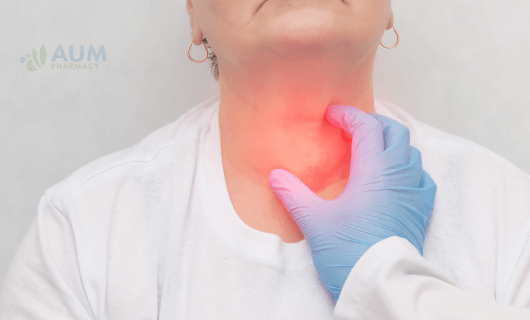
Hypothyroidism
Overview of Hypothyroidism
Hypothyroidism is a condition where the thyroid gland fails to produce enough thyroxine, a hormone that regulates metabolism. The resulting low hormone levels can lead to symptoms such as fatigue, unexplained weight gain, difficulty losing weight, increased sensitivity to cold, facial puffiness, hoarseness, excessive hair loss, muscle and joint aches, fertility issues, and depression.
Several factors can contribute to hypothyroidism, including autoimmune thyroiditis, iodine deficiency, pregnancy, radiation treatment, and surgical removal of the thyroid. Although it is more common in women, men can also be affected.
The good news is that hypothyroidism can usually be controlled with affordable medications if diagnosed in a timely manner. If not treated, however, it can lead to serious complications, including obesity, goiter, infertility, and heart failure. It is important for patients, particularly those at higher risk, to monitor for the symptoms of hypothyroidism closely.
Important Facts of Hypothyroidism

Usually seen in
- Adults over 60 years

Gender affected
- Both men and women, though it is more prevalent in women

Body part(s) involved
- Thyroid gland,
- Heart,
- Peripheral nerves,
- Joints,
- Reproductive system

Prevalence

Mimicking Conditions
- Addison’s disease,
- Chronic fatigue syndrome,
- Dysmenorrhea,
- Polycystic ovarian syndrome (PCOS),
- Anemia

Necessary health tests/imaging
- Blood tests: Thyroid stimulating hormone (TSH), Total Thyroxine (T4), Total Triiodothyronine (T3), Anti-thyroglobulin antibody, Thyroxine binding globulin
- Imaging tests: Thyroid scan, Ultrasound, Radioactive iodine uptake test

Treatment
- Thyroxine

Specialists to consult
- General physician,
- Endocrinologist
Symptoms Of Hypothyroidism
In the early stages, hypothyroidism may not present noticeable symptoms. When they do appear, they often develop gradually, which can make them difficult to detect at first. Common symptoms include:
- Chronic fatigue
- Unexplained weight gain or difficulty losing weight
- Facial puffiness
- Hoarseness
- Irregular menstrual cycles in women
- Fertility challenges in women of reproductive age
- Excessive hair loss; hair may become brittle, dry, and prone to breakage
- Muscle and joint pain
- Elevated cholesterol levels
- Slower heart rate
- Constipation
- Dry skin
- Memory issues
- Depression
- Increased sensitivity to cold
- Thyroid enlargement (goiter)
In children, particularly infants, young children, and teens, hypothyroidism can cause:
- Stunted growth
- Delayed puberty
- Lethargy and excessive sleepiness
Note: Infants may be born with either no thyroid gland or one that doesn’t function properly, leading to specific symptoms such as constipation, difficulty breathing, a protruding tongue, and jaundice.
Triggering Factors Of Hypothyroidism
Two key hormones play a role in hypothyroidism—thyroid stimulating hormone (TSH) and thyroxine. TSH is produced by the pituitary gland and stimulates the thyroid to produce thyroxine, which is essential for regulating metabolism.
Hypothyroidism occurs when the thyroid does not produce enough thyroid hormone. It is primarily diagnosed by measuring the levels of TSH and free thyroxine in the blood. In this condition, TSH levels are elevated while thyroxine levels fall below the normal range.
A. Primary Hypothyroidism
Primary hypothyroidism originates from a problem within the thyroid gland itself. This form occurs when the thyroid does not produce sufficient thyroid hormone. Several causes can lead to this underproduction, including:
Autoimmune Diseases
- In autoimmune conditions, the immune system creates antibodies that attack the thyroid, resulting in damage from white blood cells. This impairs the thyroid’s ability to produce thyroxine. The most common autoimmune thyroid disorders are Hashimoto’s thyroiditis and atrophic thyroiditis.
Iodine Deficiency
- Iodine is crucial for the production of thyroxine. A lack of iodine in the diet leads to decreased thyroid hormone production.
Pregnancy
- During or after pregnancy, inflammation of the thyroid may occur, affecting hormone production. This condition is called postpartum thyroiditis. Most women recover normal thyroid function after postpartum thyroiditis.
Surgical Removal of the Thyroid
- Some individuals with hyperthyroidism, thyroid cancer, thyroid nodules, or goiter may require partial or complete removal of their thyroid gland. Total thyroidectomy leads to hypothyroidism as no thyroid hormone is produced. However, if only part of the thyroid is removed, the remaining gland may still produce enough hormones.
Medications
- Certain drugs, such as lithium (used in psychiatric conditions), amiodarone (used for arrhythmias), and other medications like interleukins and cancer treatments, can affect thyroid hormone production. Drugs used to treat hyperthyroidism may also lead to a paradoxical case of hypothyroidism.
Radiation Therapy
- Radiation therapy, particularly for conditions like hyperthyroidism or cancers of the head and neck (e.g., lymphoma, leukemia), can damage the thyroid. Exposure to ionizing radiation as part of these treatments can lead to hypothyroidism.
B. Central Hypothyroidism
Central hypothyroidism occurs when the thyroid gland itself is normal but fails to produce enough hormone due to insufficient stimulation by TSH. This type can be either secondary hypothyroidism (originating from the pituitary) or tertiary hypothyroidism (due to the hypothalamus).
In rare cases, the hypothalamus does not produce adequate amounts of thyrotropin-releasing hormone (TRH), which leads to a reduced release of TSH from the pituitary and, consequently, hypothyroidism. This is known as tertiary hypothyroidism.
C. Congenital Hypothyroidism
Some infants are born with an underdeveloped or non-functioning thyroid gland, leading to hypothyroidism from birth.
Potential Risks for Hypothyroidism
Several factors increase the likelihood of developing hypothyroidism, including:
Gender
Women are more prone to hypothyroidism than men.
Age
The risk increases with age, particularly in individuals over 60 years.
Family History
A family history of hypothyroidism or other thyroid disorders raises the risk.
Race
People of White or Asian descent are more likely to develop hypothyroidism.
Medical Conditions
Certain health conditions increase the risk of hypothyroidism, including:
- Type 1 or Type 2 diabetes
- Multiple sclerosis
- Rheumatoid arthritis
- Sjögren’s syndrome
- Lupus
- Celiac disease
- Addison's disease
- Pernicious anemia
- Vitiligo
- Bipolar disorder
- Down syndrome
- Turner syndrome
Diagnosis Of Hypothyroidism
To confirm hypothyroidism, a series of tests are required:
A. Blood Tests
Common blood tests used to diagnose hypothyroidism include the TSH test and thyroxine (T3 and T4) tests.
Thyroid Stimulating Hormone (TSH) Test
- The TSH test is the most sensitive and crucial test for diagnosing hypothyroidism. It measures the level of TSH, which indicates how much thyroxine the thyroid is being prompted to produce. High TSH levels suggest hypothyroidism because the thyroid is being stimulated to make more thyroxine but is unable to do so effectively. TSH tests also help determine the correct dosage of medication for treatment.
Thyroxine Total (T4) Test
- The T4 hormone is primarily bound to thyroxine-binding globulin, preventing it from entering body cells. Only about 1%–2% of T4 in the blood is free and can enter cells. The free T4 test measures how much free T4 is available in the blood, and in hypothyroidism, these levels are typically low.
Thyroxine Total (T3) Test
- The total T3 test measures both bound and free forms of T3 in the blood. T3 levels in hypothyroidism may either be normal or low, depending on the severity of the condition.
In addition to these tests, other supportive tests may be necessary to evaluate the condition, such as anti-thyroglobulin antibody and thyroxine binding globulin. Newborns are routinely screened for thyroid hormone deficiencies to detect congenital hypothyroidism.
B. Imaging Tests
Imaging can help identify the cause of hypothyroidism:
Thyroid Scan
- A thyroid scan uses a small amount of radioactive iodine to evaluate the size, shape, and position of the thyroid gland. It helps diagnose the cause of hypothyroidism and check for thyroid nodules.
Ultrasound
- An ultrasound can provide detailed images of the thyroid gland to identify thyroid nodules. It can also help determine whether these nodules are cancerous.
Radioactive Iodine Uptake Test
- This test measures how much radioactive iodine the thyroid absorbs from the bloodstream after taking a small dose. It helps assess thyroid function and determine the cause of hypothyroidism.
Preventive Measures Of Hypothyroidism
There is no definitive method to prevent hypothyroidism. However, the best approach to avoid complications or significant symptoms is to remain vigilant for signs of the condition. People who are at a higher risk of hypothyroidism should be especially alert for symptoms. If any signs appear, it’s crucial to seek medical advice. Hypothyroidism can be effectively managed if diagnosed early.
Specialists to Consult
If you experience symptoms like weight gain, hair loss, an enlarged thyroid, facial and limb swelling, fatigue, weakness, poor concentration, reduced libido, or difficulty conceiving, it’s important to see a doctor. These symptoms may indicate hypothyroidism. You can consult with:
- A general physician
- An endocrinologist
Treatment Of Hypothyroidism
Hypothyroidism is typically treated with synthetic thyroid hormone (thyroxine), which must be taken daily, usually in the morning. Some medications, like iron and calcium supplements or antacids containing aluminum hydroxide, can interfere with the absorption of thyroid hormones.
Dosage adjustments are often necessary, based on regular monitoring of TSH and thyroxine levels. The correct dosage depends on factors such as age, the cause of hypothyroidism, any coexisting health conditions, and other medications being taken. For example, older individuals might start with a lower dose, while those with conditions that affect absorption, like celiac disease, may need higher doses.
The main risks of thyroid hormone treatment arise from taking too much or too little. If the dose is too low, hypothyroidism will persist, while taking too much can cause symptoms of hyperthyroidism, such as fatigue, sleep disturbances, increased appetite, nervousness, heat intolerance, shortness of breath, and a racing heart. If such symptoms occur, a blood test for TSH levels should be done to adjust the dosage if needed.
Health Complications Of Hypothyroidism
Hypothyroidism can lead to various health complications, including:
Goiter
Persistent stimulation of the thyroid gland may cause it to enlarge, resulting in a goiter. This can lead to neck deformity and potentially interfere with breathing or swallowing.
Obesity
Despite a reduced appetite, individuals with hypothyroidism often struggle to lose weight due to a slower metabolism, leading to obesity.
Cardiac Issues
Hypothyroidism increases the risk of heart diseases and heart failure. It raises levels of LDL (bad cholesterol), which can harm heart health.
Infertility
In women, hypothyroidism can disrupt the menstrual cycle and impair ovulation, making it harder to conceive. In men, it can cause abnormal sperm production and erectile dysfunction.
Peripheral Neuropathy
Long-term hypothyroidism may damage the peripheral nerves, causing pain, tingling, or numbness in the extremities.
Myxedema
In severe cases, extremely low thyroid hormone levels can lead to myxedema, a serious condition where the individual becomes lethargic and may fall into a life-threatening coma.
Balance Issues
Hypothyroidism can lead to balance problems, particularly in older women.
Joint Pain
Thyroid hormone deficiency can result in joint pain, muscle aches, and tendonitis (inflammation of tendons).
Mental Health Issues
Hypothyroidism may cause cognitive impairment, memory lapses, and concentration difficulties. Depression can also occur and worsen over time.
Birth Defects
Untreated hypothyroidism during pregnancy increases the risk of birth defects and developmental problems in the child. Infants with untreated congenital hypothyroidism may face both physical and mental developmental delays.
Alternative Therapies For Hypothyroidism
Ayurveda
Ayurvedic remedies, including triphala, guggulu, and punarnavadi, have shown benefits in managing hypothyroidism.
Homeopathy
In homeopathic treatment, remedies like calcarea carbonica are considered effective in managing hypothyroidism.
Homemade Remedies for Hypothyroidism
If you have hypothyroidism, the prescribed synthetic hormone will help correct the deficiency. Here are a few tips for managing the condition and improving your symptoms:
- Take your medication daily, ideally in the morning, as directed by your doctor.
- Take your medication with water on an empty stomach.
- Maintain a four-hour gap between thyroid medication and other drugs like calcium or iron supplements.
- To keep track of doses, store your medications in an airtight box labeled for each day of the week.
Dietary Tips
A well-balanced diet that includes adequate iodine can help prevent hypothyroidism caused by iodine deficiency. Iodized salt is an easy way to ensure enough iodine in your diet. Shellfish, lean proteins, and whole grains are also good sources.
However, if you have autoimmune thyroid disorders like Hashimoto's disease, excess iodine might worsen the condition. Consult your doctor regarding which foods to limit or avoid and whether iodine supplements are appropriate for you.
For those with hypothyroidism, a low-fat diet rich in calcium and vitamin D is beneficial. Dairy products, oily fish, and lean proteins like chicken and fish are recommended.
Certain vegetables, such as cabbage, broccoli, and cauliflower, can interfere with thyroid function and should be limited. Also, avoid soy products (tofu, soy milk, soybeans, etc.) as they can hinder thyroid hormone absorption. Maintain a four-hour gap between taking soy-based foods and thyroid medication.
Fiber also affects thyroid hormone absorption. While fiber is essential for health, avoid taking thyroid medication within several hours of eating high-fiber foods.
Exercise and Yoga
Regular exercise and yoga can help improve metabolism and alleviate hypothyroidism symptoms. They also aid in managing complications like obesity and heart disease. Light exercise routines can boost metabolism and improve overall well-being.
Yoga asanas beneficial for thyroid issues include:
- Sarvangasana
- Halasana
- Setubandhasana
- Sirsasana
Note: Perform these poses under professional supervision.
Lifestyle Modifications Hypothyroidism
A diagnosis of hypothyroidism can often be overwhelming due to its associated symptoms. Patients may experience obesity, low energy levels, and cardiovascular issues like high cholesterol or heart failure. Women of childbearing age may also struggle with fertility. Additionally, hypothyroidism can lead to chronic depression, affecting one's overall quality of life. Thankfully, this condition is generally manageable with affordable medication. With appropriate treatment and the following lifestyle adjustments, your quality of life can significantly improve.
Lose Weight
- Hypothyroidism often leads to a reduced metabolic rate and an increased risk of obesity. If you’re overweight, your body may require more thyroid hormone to function properly. A low-calorie diet can support weight loss, and in more severe cases, surgery might be recommended. Consult your doctor to discuss options for weight management and its potential benefits for controlling your thyroid condition.
Eat a Balanced Diet
- Consuming a well-rounded diet helps alleviate symptoms like fatigue and sluggishness, which are common in hypothyroidism. A nutritious diet can also reduce the risk of further complications related to an underactive thyroid. Focus on foods rich in selenium, omega-3 fatty acids, calcium, magnesium, and vitamins E and B6. Fresh fruits and vegetables, whole grains, and lean proteins are essential. Avoid processed foods for optimal health.
Exercise Regularly
- Although hypothyroidism can drain your energy, staying physically active is vital. Regular exercise not only boosts metabolism but also contributes to weight management and overall health. Start with simple activities like walking or cycling. Yoga is also beneficial, as it involves stretching and twisting exercises that can stimulate the thyroid gland, aiding in metabolic health.
Take Your Medications Consistently
- Adhere to your doctor's instructions regarding thyroid medication. Taking your medication daily, preferably at the same time each day, ensures stable hormone levels throughout the day. The ideal time to take thyroid medicine is early morning, and it should be taken at least 30 minutes before food, tea, or coffee. Set a reminder to avoid missing doses.
Manage Stress
- Stress can trigger hormonal imbalances that may worsen hypothyroidism by reducing the thyroid cells' responsiveness to hormones and weakening immunity. To manage stress effectively, engage in hobbies, practice meditation, join activities like dance or art classes, or spend quality time with family and friends. A balanced approach to stress is crucial for both mental and physical well-being.
Hypothyroidism and Pregnancy
Hypothyroidism is common during pregnancy and can pose risks to both the mother and the baby. The mother may face increased risks of miscarriage, hypertension, anemia, and muscle pain, while the baby might experience developmental delays. Pregnant women with hypothyroidism often need an adjusted dosage of thyroid medication. It's crucial to consult your doctor and have regular tests to monitor TSH and thyroxine levels for proper management.
Frequently Asked Questions
Subscribe to stay informed
Subscribe to our carefully crafted informative emailers by Medical Experts and be the first to get the latest health news, tips, and important updates.