


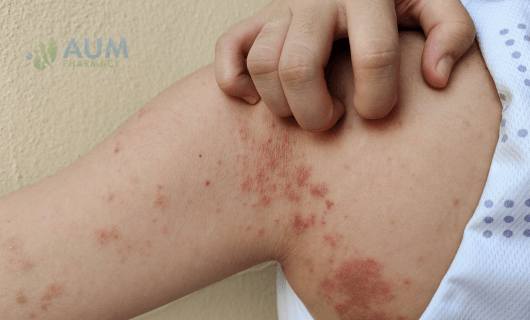
Impetigo
Overview of Impetigo
Impetigo is a highly contagious skin infection that primarily affects children but can also occur in adults. It is caused by bacteria, usually Staphylococcus aureus or Streptococcus pyogenes, which enter through cuts, scratches, or insect bites.
Although impetigo can develop anywhere on the body, it most commonly affects the face, hands, and feet. The primary symptoms include red sores or blisters that burst and form a yellowish, honey-colored crust. Risk factors include poor hygiene, crowded living conditions, and skin injuries, with children being particularly vulnerable.
Treatment typically involves topical or oral antibiotics to eliminate the infection, along with maintaining proper hygiene. While impetigo often resolves on its own, early treatment is necessary to prevent its spread to others.
Important Facts of Impetigo

Usually seen in
- All age groups, though it’s more prevalent in children aged 2 to 5 years.

Gender affected
- Affects both men and women, but more common in men.

Body part(s) involved
- Skin

Prevalence
- Global occurrence: 11.2%

Mimicking Conditions
- Atopic dermatitis
- Scabies
- Contact dermatitis
- Herpes simplex
- Candidiasis
- Varicella zoster

Necessary health tests/imaging
- Culture and sensitivity testing
- Nasal swabs
- Serologic testing and ASO response
- HIV testing
- Skin biopsy

Treatment
- Topical Antiseptics: Hydrogen peroxide, Povidone-iodine
- Topical Antibiotics: Fusidic acid, Mupirocin, Retapamulin
- Oral Antibiotics: Cefuroxime, Dicloxacillin, Flucloxacillin, Amoxicillin, Trimethoprim, Sulfamethoxazole, Erythromycin
- Systemic Antibiotics: Amoxicillin-clavulanate, Dicloxacillin, Penicillin, Clindamycin, Doxycycline

Specialists to consult
- General Physicians,
- Pediatricians,
- Dermatologists,
- Allergists
Symptoms Of Impetigo
- Red sores or blisters on the skin
- Itching
- Blisters that may burst, releasing clear or yellowish fluid (pus)
- Formation of a honey-colored crust or scab as the fluid dries
- Redness and swelling around the affected area
- Fever (in cases of severe infection)
- Swelling of nearby lymph nodes in some cases
Triggering Factors Of Impetigo
Impetigo occurs when Streptococcus or Staphylococcus aureus bacteria enter the body through breaks in the skin, such as cuts, insect bites, or scratches. The bacteria multiply at the site of entry, causing the infection. Symptoms like red sores and blisters typically appear about 10 days after exposure to the bacteria.
Impetigo is highly contagious and spreads through direct skin-to-skin contact or by touching contaminated items. There are two ways the infection can develop:
- Primary Impetigo: This occurs when the bacteria invade the skin through an injury, such as a cut or insect bite.
- Secondary Impetigo: In this case, the bacteria enter through an already compromised skin barrier due to a condition like eczema or scabies.
Impetigo is often confused with eczema, but unlike eczema, which is a non-infectious, chronic condition causing dry and itchy skin, impetigo is a bacterial infection characterized by sores and crusting.
Types Of Impetigo
Impetigo has three main types, each caused by different bacteria:
Non-bullous Impetigo (Crusted)
- This most common form accounts for 70% of cases and is usually caused by Staphylococcus aureus or Streptococcus pyogenes. It typically starts on the face and around the nose but may spread to the arms and legs.
Bullous Impetigo (Large Blisters)
- This form accounts for 30% of cases and is caused by Staphylococcus aureus bacteria that produce a toxin, leading to larger, fluid-filled blisters or bullae.
Note: Both non-bullous and bullous impetigo usually resolve in two to three weeks without scarring, although rare complications like post-streptococcal glomerulonephritis can occur.
Ecthyma (Ulcers)
- A more severe form of impetigo, ecthyma occurs when the infection penetrates deeper layers of the skin. It results in painful, ulcer-like sores that may lead to scarring after healing.
Potential Risks for Impetigo
Several factors can increase the likelihood of developing impetigo. These include:
Age and Gender
- Impetigo is more common in children, particularly those between the ages of 2 and 5, especially in settings like schools or daycare centers. Additionally, it tends to affect males more often than females.
Skin Injuries or Conditions
- Conditions that cause skin disruptions, such as eczema, dermatitis, psoriasis, scabies, herpes simplex, and chickenpox, increase the risk of developing impetigo.
Environmental Factors
- Exposure to insect bites, plant irritants, warm and humid climates, sharing personal items, crowded living situations, poor hygiene, and close contact with infected individuals all contribute to a higher risk of infection.
Medical Conditions
- Individuals with underlying conditions like diabetes or HIV/AIDS are at greater risk of developing impetigo due to weakened immune systems.
Diagnosis Of Impetigo
The diagnosis of impetigo typically involves the following steps:
History and Clinical Examination
- A detailed history and physical exam are crucial in recognizing signs of impetigo, such as small blisters and honey-colored crusts. The doctor will inquire about recent skin injuries, possible exposure to infected individuals, and the patient's medical background to confirm the diagnosis.
Culture and Sensitivity Testing
- For recurrent or widespread cases, or when methicillin-resistant Staphylococcus aureus (MRSA) is suspected, a skin swab may be taken for culture and sensitivity testing. This helps determine the exact bacteria causing the infection and guides the choice of the most effective antibiotics.
Nasal Swabs
- In cases of recurrent impetigo, nasal swabs can help detect the presence of staphylococcal bacteria in the nose, which may require targeted treatment to prevent further infections.
Serologic Testing and ASO Response
- Although the anti-streptolysin O (ASO) response is typically mild in impetigo cases, testing for streptococcal antibodies may be recommended if post-streptococcal kidney infection is suspected after an impetigo outbreak.
HIV Testing for Bullous Impetigo
- If an otherwise healthy adult develops bullous impetigo, HIV testing may be advised to rule out an underlying HIV infection.
Skin Biopsy
- In rare situations where the diagnosis is uncertain, particularly with bullous impetigo or if the condition doesn’t improve with treatment, a skin biopsy may be performed. This involves removing a small sample of the affected skin for further examination.
Preventive Measures Of Impetigo
Preventing impetigo is vital to stop its spread to others and prevent further infection. The following measures can help reduce the risk:
Hygiene Practices
- Regular hand washing with soap and water is essential, especially after touching potentially contaminated surfaces or interacting with infected individuals. Towels and washcloths should be changed daily, and linens, sheets, and bath towels should be laundered in hot water. Applying anti-itch creams to lesions can also help reduce scratching.
Cleanliness
- Keep the skin clean by bathing regularly to remove bacteria and reduce the risk of skin infections. Always wear clean clothes, wash worn garments in hot water, and practice frequent handwashing, especially after handshakes.
Other Preventive Tips
- Avoid sharing personal items like towels and clothing with individuals who are infected. In places like schools and daycare centers, keep communal areas clean. Athletes should take extra care in maintaining hygiene and properly treating wounds. Regularly wash and change bedding and clothing to prevent bacteria from spreading, and practice good nasal hygiene to avoid recurring impetigo. Timely treatment of other skin conditions can also prevent secondary bacterial infections.
Doctors to Visit
Several specialists can assist in managing impetigo:
- General Physicians: They can typically diagnose and treat mild cases of impetigo, and refer patients to specialists if necessary.
- Pediatricians: As experts in childhood health, pediatricians are ideal for treating impetigo in children, as they have experience with skin infections in young patients.
- Dermatologists: These specialists are trained to diagnose and treat skin conditions like impetigo. They can determine the type of impetigo and prescribe appropriate treatment, including antibiotics.
- Allergists: If there is a suspected underlying allergic cause contributing to impetigo, an allergist can help identify and address any triggers.
When to See a Doctor
While impetigo often resolves on its own within a few weeks, seeking medical help is recommended in the following situations:
- If itching or dryness associated with impetigo persists or worsens.
- If the infection significantly impacts daily life, work, or sleep quality.
- If over-the-counter treatments do not alleviate symptoms and the infection appears to be worsening.
- If symptoms, such as fever, appear alongside impetigo, indicating a more serious infection may be developing.
Treatment Of Impetigo
Treatment for impetigo typically involves both topical and, in some cases, oral antibiotics. Below is an overview of the common treatment methods:
Topical Antibiotics (for localized, non-bullous impetigo)
For mild cases, the primary treatment involves the application of antiseptic creams 2-3 times a day for 5-7 days. Some common antiseptics and antibiotics used include:
Antiseptics:
- Hydrogen peroxide
- Povidone–iodine
Antibiotics:
- Fusidic acid
- Mupirocin
- Retapamulin
Oral Antibiotics
Oral antibiotics are recommended for bullous impetigo, widespread non-bullous impetigo (more than three lesions), treatment failure with topical antibiotics, or when there is a high risk of complications or systemic illness. Some commonly prescribed oral antibiotics are:
- Cefuroxime
- Dicloxacillin
- Flucloxacillin
- Amoxicillin
Note: In cases of penicillin allergy or suspected MRSA infection, antibiotics like Trimethoprim + Sulfamethoxazole or Erythromycin may be used.
Systemic Antibiotics
For bullous impetigo or non-bullous impetigo with more than five lesions, deep tissue involvement, systemic signs, lymphadenopathy, or lesions in the oral cavity, systemic antibiotics are recommended. These include:
- Cephalosporins, amoxicillin-clavulanate, dicloxacillin
- Penicillin (if a streptococcal infection is confirmed)
- Clindamycin or Doxycycline (for MRSA or MRSA-positive cultures)
Evaluation of Recurrence and Bacterial Carriage
If impetigo recurs, it is important to evaluate for bacterial carriage, particularly in the nose, which is a common reservoir. Carriers may be treated with mupirocin (Bactroban Nasal), applied inside the nostrils.
Health Complications Of Impetigo
If left untreated or inadequately managed, impetigo can lead to several complications, including:
Wider Spread of Infection
- Cellulitis: Spread of infection to surrounding skin
- Lymphangitis: Bacterial involvement in lymphatic vessels
- Septicemia: Presence of bacteria in the bloodstream
Staphylococcal Scalded Skin Syndrome (SSSS)
This condition occurs when toxins from Staphylococcus aureus cause widespread skin damage.
Scarlet Fever
Impetigo caused by streptococcal bacteria can sometimes lead to scarlet fever, characterized by a red rash, fever, and sore throat.
Post-streptococcal Glomerulonephritis (PSGN)
A rare kidney condition that occurs 2-6 weeks after a skin infection with Streptococcus pyogenes, causing inflammation in the kidneys.
Rheumatic Fever
If untreated, streptococcal infections can lead to rheumatic fever, affecting the heart, joints, skin, and other organs.
Streptococcal Toxic Shock Syndrome
A rare but serious complication causing a diffuse red rash, low blood pressure, and fever due to toxins from Streptococcus pyogenes.
Post-inflammatory Pigmentation
The skin may become discolored due to the inflammation caused by impetigo.
Scarring
Severe cases of impetigo, particularly when accompanied by ecthyma, may lead to deeper skin damage and scarring.
Alternative Therapies For Impetigo
While complementary therapies may support the healing process, they should not replace conventional medical treatment. Here are some alternative options that have been explored:
Topical Disinfectants
Some studies suggest that disinfectant soaps may help, but the evidence is limited, and they are generally less effective than topical antibiotics. Research comparing disinfectants like hexachlorophene and hydrogen peroxide with antibiotics found that antibiotics provide better results.
Retapamulin Therapy
Retapamulin, derived from an edible mushroom, prevents bacterial protein synthesis and is effective against S. aureus and S. pyogenes, though not against MRSA. While it shows promising results, it may not fully eliminate bacteria.
Homemade Remedies for Impetigo
While antibiotic treatments are essential, several home remedies can help alleviate symptoms and support healing. These should be used alongside medical treatment:
Tea Tree Oil
- Known for its antimicrobial properties, tea tree oil can be diluted and applied to the skin. It is important to perform a patch test before use to prevent irritation.
Olive Oil
- Olive oil is commonly used for its moisturizing effects. Applying a thin layer of olive oil to the affected skin can help keep it hydrated.
Coconut Oil
- With both moisturizing and antimicrobial properties, coconut oil can be applied in a thin layer to the affected areas to relieve symptoms.
Turmeric (Haldi)
- Turmeric’s curcumin content has anti-inflammatory and antibacterial properties. Applying a turmeric paste to the skin may help reduce irritation and promote healing.
Aloe Vera
- Aloe vera gel is soothing and may accelerate skin healing. It can be applied directly to the affected area for relief.
Colloidal Silver
- Known for its antimicrobial benefits, colloidal silver may be used topically to help fight infection both internally and externally.
Anti-itch Cream
- Applying anti-itch cream can provide relief from itching associated with impetigo lesions. It's important to avoid scratching, as this can spread the bacteria. Keeping nails trimmed can also help reduce bacterial transfer.
Impetigo Care Tip:
To help prevent the spread of impetigo, wash your hands thoroughly with soap and warm water for at least 20 seconds, scrubbing all areas of the hands. Use alcohol-based hand sanitizer when soap and water are unavailable.
Lifestyle Modifications Impetigo
Living with impetigo can have a significant impact on a person’s overall well-being, affecting physical, emotional, and social aspects of their life. Here are some of the ways impetigo can influence daily life and potential coping mechanisms:
Physical Discomfort
Impetigo lesions often cause persistent itching, pain, and skin irritation, leading to heightened sensitivity and overall discomfort.
Coping Strategies:
- Follow prescribed treatments to manage discomfort and itching effectively.
- Use gentle skin care routines to minimize irritation and skin sensitivity.
Social Stigma and Isolation
Because impetigo is contagious, it can lead to social stigma and feelings of isolation as individuals may avoid interaction with those affected.
Coping Strategies:
- Educate those around you, including friends, family, and colleagues, to help dispel myths and misunderstandings about impetigo.
- Foster open conversations to reduce stigma and increase awareness and support.
Psychological Impact
The visible and contagious nature of impetigo can lead to emotional distress, anxiety, and even depression, affecting mental well-being.
Coping Strategies:
- Seek support from loved ones or consult with a mental health professional for emotional guidance.
- Engage in stress-relief activities such as mindfulness, meditation, or deep breathing exercises to help manage emotional stress.
Tips for Caregivers
- Maintain Cleanliness: Gently cleanse the affected areas using mild soap and warm water.
- Use Bandages: Cover the sores with clean bandages to prevent further infection and reduce the risk of spreading.
- Prevent Scratching: Trim the affected individual’s nails to reduce the chance of spreading the infection, and encourage them not to scratch.
- Hand Hygiene: Wash hands frequently, especially after coming into contact with infected areas.
- Limit Sharing: Avoid sharing personal items such as towels, bedding, and clothing to prevent cross-contamination.
- Regular Disinfection: Clean common surfaces and wash contaminated clothing, bedding, and towels in hot water to eliminate bacteria.
- Follow Treatment Guidelines: Ensure adherence to prescribed treatments, including antibiotics, to facilitate effective healing.
Frequently Asked Questions
Subscribe to stay informed
Subscribe to our carefully crafted informative emailers by Medical Experts and be the first to get the latest health news, tips, and important updates.