


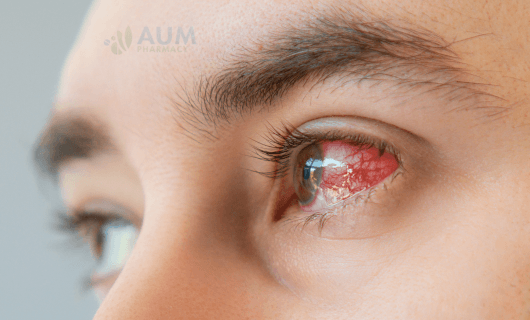
Keratitis
Overview of Keratitis
Keratitis refers to inflammation of the cornea, the transparent outermost layer of the eye responsible for focusing light. The severity of keratitis can vary from mild to severe and may also affect other parts of the eye. This condition can occur in just one eye (unilateral) or both eyes (bilateral).
Keratitis can arise due to infectious agents or non-infectious causes. Infections are commonly triggered by bacteria, viruses, fungi, and parasites, while non-infectious keratitis is often caused by external irritants or underlying systemic diseases.
Some typical symptoms of keratitis include eye discomfort and pain, excessive tearing, light sensitivity, blurred vision, and eye redness.
While keratitis is usually treatable and tends to resolve quickly, complications can arise if the infection penetrates deeper into the cornea. This may lead to scarring, vision impairment, or even complete vision loss, making prompt diagnosis and treatment essential.
Important Facts of Keratitis

Usually seen in
- Individuals between 21 and 50 years old

Gender affected
- Both men and women

Body part(s) involved

Prevalence

Mimicking Conditions
- Atopic keratoconjunctivitis
- Bacterial endophthalmitis
- Band keratopathy
- Blepharitis
- Corneal ulcer
- Entropion
- Epidemic keratoconjunctivitis
- Fungal keratitis
- Herpes simplex virus keratitis
- Herpes zoster
- Interstitial keratitis
- Neurotrophic keratitis
- Nasolacrimal duct obstruction
- Ocular rosacea
- Pseudophakic bullous keratopathy
- Scleritis
- Viral conjunctivitis

Necessary health tests/imaging
- Comprehensive eye examination
- Slit-lamp examination
- Penlight test

Treatment
- Bacterial Keratitis: Cefazolin, Gentamicin, Amikacin
- Protozoal Keratitis: Topical biguanides, Levofloxacin
- Viral Keratitis: Acyclovir, Topical corticosteroids
- Fungal Keratitis: Amphotericin B, Fluconazole, Ketoconazole

Specialists to consult
- General practitioner
- Ophthalmologist
Symptoms Of Keratitis
Keratitis commonly presents with eye redness and pain as initial symptoms. While it typically affects one eye, both eyes may sometimes be involved. Other associated symptoms include:
- Eye discomfort or pain
- Redness of the eye
- Watery discharge
- Excessive tearing
- Difficulty opening the eyelid due to irritation
- Blurred or reduced vision
- Sensitivity to light (photophobia)
- Sensation of a foreign object in the eye
Triggering Factors Of Keratitis
Keratitis can be categorized as either infectious or non-infectious, with distinct underlying causes for each type.
Infectious Keratitis
A leading cause of visual impairment and blindness globally, infectious keratitis predominantly affects marginalized communities. The key pathogens responsible for this condition include:
1. Bacterial Causes: Bacterial keratitis is frequently linked to improper contact lens use. Common bacteria involved include:
- Pseudomonas
- Staphylococcus
- Streptococcus
- Moraxella
- Nocardia
- Atypical mycobacteria
2. Viral Causes: Viral keratitis can be triggered by:
- Adenovirus, known for causing respiratory infections
- Herpes simplex virus (HSV), the same virus responsible for cold sores
- Herpes zoster virus (HZV), associated with shingles and chickenpox
- Zika virus, transmitted by Aedes aegypti mosquitoes, also responsible for dengue
- SARS-CoV-2, the virus responsible for COVID-19
3. Parasitic Causes: Acanthamoeba keratitis is a rare but severe eye infection that can result in permanent vision loss. This condition is associated with exposure to contaminated water, soil, or improper contact lens hygiene, particularly in developed nations.
4. Fungal Causes: Fungal keratitis is a serious corneal infection commonly linked to eye trauma or contact lens use. Individuals exposed to outdoor environments or engaged in agricultural activities are at higher risk. The responsible fungi include:
- Aspergillus
- Fusarium
- Candida (yeast)
- Cladosporium
- Alternaria
- Curvularia
- Microsporidia
5. Oomycete Causes: Oomycetes, similar in structure to fungi, can lead to Pythium keratitis.
6. Helminth Causes: Onchocercal keratitis, also called river blindness or sclerosing keratitis, is a parasitic infection caused by motile worms. The worms themselves do not cause blindness, but as they die—naturally or due to treatment—they induce inflammation and corneal opacity. Repeated infections can ultimately lead to complete vision loss. This condition is more prevalent in developing regions of Africa, Asia, Latin America, and Australia.
Non-Infectious Keratitis
Non-infectious keratitis arises from various factors, including local irritants and systemic health conditions:
1. Local Irritants: Factors causing irritation in the sulcus subtarsalis (a groove on the inner surface of the eyelid) can lead to keratitis. These include:
- Presence of a foreign object in the eye
- Trichiasis (misaligned eyelashes)
- Entropion (inward-folding eyelid)
- Distichiasis (abnormal extra row of eyelashes)
- Giant papillary conjunctivitis, a condition where the inner eyelid becomes swollen and inflamed, often seen in soft contact lens users
2. Collagen Vascular Diseases: Autoimmune diseases that can lead to peripheral ulcerative keratitis include:
- Rheumatoid arthritis
- Granulomatosis with polyangiitis
- Polyarteritis nodosa
- Relapsing polychondritis
- Systemic lupus erythematosus
3. Trigeminal Nerve Damage: Damage to the ophthalmic division of the trigeminal nerve can lead to neurotrophic keratitis. Such damage may occur due to:
- Corneal surgeries (e.g., cataract surgery, corneal transplants)
- Orbital surgeries
- Laser vision correction procedures
- Tumor removal affecting the trigeminal nerve
4. Xerophthalmia (Severe Dry Eye Condition): A deficiency in Vitamin A can result in extreme dryness of the conjunctiva and cornea, leading to necrosis and keratitis.
By understanding the causes, symptoms, and available treatments for keratitis, individuals can seek early intervention and prevent complications that may impact vision.
Potential Risks for Keratitis
Several factors can elevate the likelihood of developing keratitis, including:
Contact Lenses
Wearing contact lenses heightens the risk of both infectious and non-infectious keratitis, particularly in the following situations:
- Sleeping while wearing lenses
- Using extended-wear contact lenses
- Improperly disinfecting lenses
- Neglecting to clean the lens case
- Using contaminated solutions to clean lenses
- Failing to replace used solution with fresh solution in storage cases
- Mixing fresh solution with previously used solution
- Rinsing or storing lenses with water
- Swimming or bathing with lenses on
- Sharing non-corrective cosmetic lenses
Eye Trauma
Previous eye injuries, such as scratches, tears, or other trauma, can increase susceptibility to keratitis.
Weakened Immune System
Individuals with compromised immunity due to underlying conditions or medications are at higher risk of keratitis.
Corticosteroids
Prolonged or excessive use of corticosteroid eye drops to manage eye conditions may heighten the risk of infectious keratitis or exacerbate existing cases.
Exposure to Intense Light
Prolonged exposure to intense natural sunlight, such as reflected sunlight from snow, water, ice, or sand, can contribute to keratitis. Staring directly at the sun without eye protection can also be harmful. Additionally, artificial UV light sources like tanning lamps and tanning beds can trigger photokeratitis.
Diagnosis Of Keratitis
If keratitis is suspected, it is crucial to seek medical attention promptly to prevent further complications. The diagnostic process includes:
Eye Examination
A thorough eye exam is conducted to assess visual acuity and check for signs of infection.
Slit-Lamp Examination
This diagnostic procedure, also known as biomicroscopy, utilizes a magnified light source to evaluate the nature and severity of keratitis and its impact on the eye’s structures.
Penlight Examination
A penlight is used to check for pupil irregularities. A dye may be applied to the eye to detect corneal surface abnormalities and ulcerations.
Laboratory Testing
A sample of tears or a corneal scraping may be collected for laboratory analysis to identify the cause of keratitis and aid in determining the appropriate treatment plan.
Preventive Measures Of Keratitis
Although keratitis can develop in anyone, certain measures can help minimize the risk:
Contact Lens Care
- Follow your eye doctor’s instructions on wearing, cleaning, and replacing contact lenses.
- Wash and dry hands thoroughly before handling lenses.
- Replace contact lens cases every three to six months.
- Use only sterile solutions designed for contact lens care.
- Discard used solution after each disinfection cycle.
- Gently rub lenses during cleaning to avoid damage.
- Avoid wearing lenses while sleeping, bathing, or swimming.
- Never share cosmetic or colored contact lenses.
- Schedule regular eye checkups.
Protecting Your Eyes
Keratitis can also occur in non-contact lens wearers. Protect your eyes by:
- Wearing sunglasses to shield against intense sunlight.
- Using protective eyewear when performing agricultural work.
- Identifying and avoiding allergens when possible.
- Maintaining a diet rich in vitamin A.
Preventing Viral Keratitis
While some forms of viral keratitis cannot be entirely prevented, the following steps can reduce risk:
- Refrain from touching your eyes with unclean hands.
- Wash hands frequently with antiseptic soap.
- Use only doctor-prescribed eye drops.
Specialist Consultation
An ophthalmologist, a physician specializing in eye diseases and surgeries, conducts keratitis diagnosis. A detailed medical history and physical examination of the eyes are recorded, with additional lab tests or cultures recommended if necessary.
Treatment Of Keratitis
Infectious Keratitis
Infectious keratitis is a leading cause of preventable blindness, making early and appropriate treatment essential to reducing complications.
Bacterial Keratitis
- As bacterial keratitis progresses rapidly, prompt antibiotic treatment is crucial.
- A combination of antibiotics like cefazolin and tobramycin or gentamicin is commonly used.
- Methicillin-resistant Staphylococcus aureus (MRSA) infections may require topical vancomycin or linezolid.
- Aminoglycosides such as gentamicin and tobramycin are often applied as fortified eye drops.
- Cephalosporins like cefazolin are also employed.
- Amikacin is effective for gram-negative bacteria resistant to other aminoglycosides.
Protozoal Keratitis
- Early diagnosis is vital for treating Acanthamoeba keratitis, as it is challenging to manage due to its cystic form.
- Treatment often involves topical cationic antiseptics such as biguanides (e.g., polyhexamethylene biguanide [PHMB] and chlorhexidine) or pentamidine.
- Levofloxacin may be added for resistant cases.
Viral Keratitis
- Topical acyclovir is the standard treatment for viral keratitis.
- Corticosteroids may be prescribed in specific cases.
- Herpes simplex virus infections are typically managed with topical steroids.
- Herpes zoster keratitis is treated with oral acyclovir to prevent recurrence.
Fungal Keratitis
- Treatment depends on the fungal strain:
- Amphotericin B is effective against Aspergillus and Candida species.
- Natamycin is the first-line treatment for Fusarium and Aspergillus infections.
- Fluconazole is used when natamycin or miconazole fails, particularly for Candida keratitis.
- Ketoconazole is effective against Aspergillus, Candida, and Curvularia species.
- In severe cases where medication proves ineffective, a corneal transplant may be necessary.
Non-Infectious Keratitis
Treatment varies based on severity:
Local Causes
- Keratitis related to trichiatic lashes, entropion, or distichiasis requires early correction through electrolysis, lid eversion, or lid-splitting procedures.
- Giant papillary keratitis is managed with topical steroids, cyclosporine, and lubricants.
Systemic Causes
- Rheumatoid arthritis (RA): Managed with topical and oral steroids, as well as methotrexate.
- Granulomatosis with polyangiitis (GPA): Treated with cyclophosphamide along with topical and oral steroids.
Health Complications Of Keratitis
Prompt treatment can facilitate a quick recovery from keratitis. However, if left untreated, it may lead to serious complications, including:
Corneal Scarring
- Infections, injuries, or degenerative conditions may cause corneal scarring, potentially leading to partial or complete vision impairment.
Chronic Inflammation
- Since keratitis affects the cornea, the complications vary depending on the depth of inflammation. If the middle layer of the cornea (stroma) is affected, scarring may occur, sometimes resolving on its own over time. However, inflammation reaching the innermost corneal layer (endothelium) can cause long-term vision problems.
Corneal Ulcers
- Prolonged corneal inflammation and scarring can trigger recurrent viral infections, which may result in corneal ulcers. These open sores can contribute to temporary or permanent vision reduction.
Recurring Infections
- If keratitis remains untreated for an extended period, the likelihood of recurrent infections increases. The condition can occur with or without an infectious agent.
Glaucoma
- In rare cases, keratitis may lead to glaucoma—a condition that damages the optic nerve, sometimes accompanied by increased eye pressure—potentially causing gradual vision loss.
Vision Loss
- While most cases of keratitis can be treated effectively, severe infections may lead to complications that cause irreversible damage to vision.
Alternative Therapies For Keratitis
Homeopathic Remedies for Keratitis
Homeopathic treatments can serve as complementary support for keratitis, working alongside conventional medicine to help relieve symptoms such as burning, discomfort, and discharge. Below are some commonly used homeopathic remedies:
- Belladonna – Derived from the deadly nightshade plant, this remedy is frequently recommended for eye conditions involving redness and congestion.
- Apis Mellifica – Known for addressing pain associated with keratitis, Apis Mellifica is especially effective for sharp, stinging, or tearing sensations in the eyes.
- Euphrasia – Also called Eye-bright, this homeopathic remedy is beneficial for keratitis cases involving excessive tearing and sensitivity to light.
- Pulsatilla – Made from the Pulsatilla Nigricans plant, this remedy is useful for eye discharges, irritation, and sticky eyelids, particularly in the morning.
Homemade Remedies for Keratitis
Lifestyle Modifications Keratitis
With timely diagnosis and suitable treatment, including regular follow-ups, keratitis can typically be managed without resulting in lasting vision problems. It is advisable to undergo periodic eye evaluations with a general physician if you experience any concerning eye-related symptoms. Depending on the severity of your condition, your doctor may recommend a consultation with an ophthalmologist.
For individuals who wear contact lenses, it is essential to remove them immediately if the eyes become red or irritated. Avoid rubbing or touching your eyes, as this can increase the risk of infection. Using lubricating eye drops can help alleviate discomfort associated with keratitis.
It is crucial to adhere to your healthcare provider’s instructions regarding the proper use, cleaning, and storage of contact lenses. Always wash your hands thoroughly before handling your lenses, and ensure they are removed before sleeping or swimming.
In cases of viral infections, hand hygiene is particularly important. Always wash your hands with an antiseptic solution before touching your eyes.
Seek immediate medical attention from an eye specialist if you experience symptoms such as eye redness, pain, or blurred vision.
Frequently Asked Questions
Subscribe to stay informed
Subscribe to our carefully crafted informative emailers by Medical Experts and be the first to get the latest health news, tips, and important updates.