


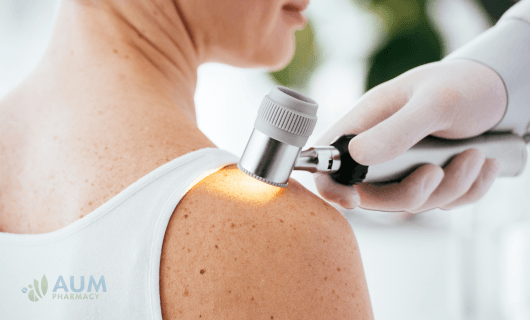
Melanoma
Overview of Melanoma
Melanoma is a form of cancer that develops in the melanocytes, the cells responsible for producing skin color. It is considered more dangerous than other types of skin cancer due to its tendency to spread (metastasize) to other parts of the body, leading to severe complications.
Several factors increase the risk of melanoma, including fair skin, light hair and eye color, a history of intense sun exposure, family members with a history of melanoma, and having large, irregular moles.
Early identification and diagnosis are vital for successful treatment. Any changes in existing moles or new spots on the skin should be examined by a healthcare professional. A biopsy, where a sample of the affected skin is removed for lab testing, is typically used for diagnosis.
When detected early, melanoma can often be treated with minor surgery. However, in advanced stages, treatment becomes more complex and may involve surgery, chemotherapy, radiation therapy, immunotherapy, and targeted treatments.
Important Facts of Melanoma

Usually seen in
- Adults over the age of 65

Gender affected
- Both men and women

Body part(s) involved
- Skin

Prevalence
- 1.7% worldwide (2018)

Mimicking Conditions
- Solar lentigo
- Seborrheic keratosis
- Blue nevus
- Dermatofibroma
- Keratoacanthoma
- Pyogenic granuloma
- Atypical fibroxanthoma
- Basal cell carcinoma
- Epithelioid tumor
- Halo nevus
- Histiocytoid hemangioma
- Mycosis fungoides
- Pigmented spindle cell tumor
- Sebaceous carcinoma

Necessary health tests/imaging
- Biopsy: Punch biopsy, incisional biopsy, fine needle aspiration (FNAC), excisional lymph node biopsy
- Imaging: Chest X-ray, ultrasound, CT scan, CT-guided needle biopsy
- Blood tests: Lactate dehydrogenase (LDH), CBC, liver function tests (LFT), kidney function tests (KFT)

Treatment
- Immunotherapy: Nivolumab, Pembrolizumab, Pegylated Interferon Alpha 2B
- Chemotherapy: Carboplatin, Abraxane
- Radiation therapy
- Targeted therapy
- Surgery

Specialists to consult
- Dermatologist
- Surgical oncologist
- Radiation oncologist
- Medical oncologist
Symptoms Of Melanoma
Melanoma can develop anywhere on the body, though it is more common in areas that are frequently exposed to the sun, like the face, arms, legs, and back. In individuals with darker skin tones, it may appear in less exposed areas such as the palms, soles, or under the nails, often referred to as hidden melanomas.
The earliest symptoms of melanoma may include:
- A change in an existing mole
- The appearance of a new mole, pigmented skin, or growth
However, melanoma does not always originate from an existing mole. Here are some key characteristics to differentiate between a regular mole and a potential melanoma, summarized by the ABCDE method:
- A stands for asymmetry: A cancerous mole typically lacks symmetry, with uneven halves and an irregular shape.
- B stands for border: Cancerous moles often have jagged or scalloped edges, unlike the smooth borders of a normal mole.
- C stands for color: Melanomas can have varying colors or uneven coloring, which is a red flag.
- D stands for diameter: Moles larger than ¼ inch (about 6 mm) may be cancerous.
- E stands for evolving: A mole that changes in size, shape, color, or becomes itchy or bleeds is a strong indicator of melanoma.
Triggering Factors Of Melanoma
Melanoma arises when melanocytes, the pigment-producing cells, become damaged. It typically starts in moles, though not all moles become cancerous. DNA damage in skin cells can lead to abnormal cell growth, forming cancerous clusters. The DNA mutations that lead to melanoma can be either acquired or inherited:
Acquired Gene Mutations
Melanoma is usually caused by gene mutations acquired during life. These mutations may occur randomly or as a result of exposure to external factors, particularly UV radiation from the sun or tanning beds.
Inherited Gene Mutations
In rare cases, individuals may inherit genetic changes that make them more susceptible to melanoma. These individuals typically have a higher risk, especially in sun-exposed areas.
Types Of Melanoma
Melanoma is classified into several types, including:
Cutaneous (Skin) Melanoma
The four main types of cutaneous melanoma are:
- Superficial spreading melanoma: The most common form, making up around 70% of cases. It typically starts in a pre-existing mole.
- Nodular melanoma: The second most common type, accounting for 15-30% of cases. This form is more aggressive and develops more rapidly.
- Lentigo maligna melanoma: Found as large, flat lesions, often in older individuals with lighter skin. This type, responsible for 4-10% of cases, has a lower risk of spreading.
- Acral lentiginous melanoma: Occurs on the palms, soles, or beneath the nails. It accounts for 2-8% of melanomas in fair-skinned individuals but up to 60% in darker-skinned people. This type is highly aggressive.
Mucosal Melanoma
Mucosal melanoma is rare, representing only about 1% of all melanoma cases. It occurs in the mucosal tissue lining body cavities and hollow organs, including the nasal cavity, mouth, esophagus, rectum, urinary tract, and vagina.
Ocular Melanoma
The eyes, which contain melanocytes, can also develop melanoma. There are two types of ocular melanoma:
- Uveal melanoma: Affects the iris, ciliary body, or choroid of the eye.
- Conjunctival melanoma: Affects the conjunctiva, presenting as a raised pigmented or non-pigmented lesion.
Potential Risks for Melanoma
Several factors increase the risk of developing melanoma:
Dysplastic Moles
A dysplastic nevus is a type of mole that appears different from typical moles. Those with many dysplastic moles have a higher risk of developing melanoma.
Fair Skin
Melanoma is more common in individuals with fair skin who are prone to sunburn and freckling. These individuals are more susceptible to UV damage.
Ethnicity
Melanoma is more prevalent among Caucasians compared to people with darker skin, as lighter skin is more vulnerable to sun damage.
Family or Personal History of Melanoma
Individuals who have had melanoma or have close relatives with the disease are at higher risk. A family history of melanoma increases the chances of developing the disease.
Atypical Mole Syndrome
This inherited condition leads to the development of numerous unusual moles. People with this syndrome and a family history of melanoma are at increased risk.
Age
Although melanoma can affect individuals of any age, it is more common in older adults, with the median age of diagnosis being around 50.
Environmental Factors
Exposure to ultraviolet (UV) radiation from the sun or indoor tanning, as well as severe sunburns, are key risk factors for melanoma.
Weakened Immune System
Individuals with a weakened immune system, such as those undergoing cancer treatment, organ transplants, or living with HIV, are at higher risk for melanoma.
Other Inherited Conditions
Certain inherited conditions, such as Xeroderma Pigmentosum, Retinoblastoma, Li-Fraumeni Syndrome, Werner Syndrome, and hereditary breast and ovarian cancer syndromes, can increase the likelihood of developing melanoma.
Diagnosis Of Melanoma
To diagnose melanoma, several tests and procedures are conducted to confirm its presence. The following are commonly used methods:
Physical Examination
Initially, the doctor will ask questions about your health and medical history. Following this, they will inspect your skin for any signs or symptoms that could indicate melanoma.
Biopsy
- Shave Biopsy: This method is often used when the risk of melanoma is low and involves removing a small section of the mole.
- Punch Biopsy: A circular tool is used to remove a sample from the skin, going through all its layers, after which the wound is stitched.
- Excisional Biopsy: This is performed when the tumor has potentially spread to deeper layers of skin.
- Incisional Biopsy: Only a portion of the tumor is removed for examination in this method.
Biopsy for Metastatic Melanoma
- Fine Needle Aspiration Cytology (FNAC): This is used to sample large lymph nodes near melanoma to check for spread.
- Surgical Lymph Node Biopsy: A small incision is made to remove an enlarged lymph node for testing.
- Sentinel Lymph Node Biopsy: If melanoma shows concerning features, this test checks if it has spread to nearby lymph nodes.
Imaging Tests
- Chest X-ray: Aids in determining whether melanoma has spread to the lungs.
- Ultrasound: Uses sound waves to create images of internal body structures.
- CT Scan: Produces detailed cross-sectional images to detect the spread of melanoma.
- MRI: Uses magnets and radio waves for detailed imaging, especially helpful for detecting tumors in the brain or spinal cord.
- PET Scan: Shows if the cancer has spread to lymph nodes or other parts of the body, often used for more advanced cases.
- PET/CT Scan: Combines both PET and CT scans to pinpoint areas of cancer spread more accurately.
Blood Tests
- Lactate Dehydrogenase (LDH)
- Complete Blood Count (CBC)
- Liver and Kidney Function Tests (LFT & KFT)
Preventive Measures Of Melanoma
There are various ways to reduce the risk of melanoma and other skin cancers:
Avoid Sun Exposure
- Stay out of direct sunlight between 10 am and 4 pm, when UV rays are most intense. Always protect your skin from tanning and sunburn.
Use Sunscreen
- Apply sunscreen with SPF 30+ daily, even on overcast days, and reapply every two hours.
Cover Up
- Wear protective clothing like long sleeves, wide-brimmed hats, and UV-blocking sunglasses.
Avoid Tanning Beds
- Stay away from artificial tanning, which emits harmful UV radiation.
Regular Skin Checks
- Conduct regular self-exams for any changes to your skin and visit a dermatologist annually.
Specialists to Consult
If you notice any concerning skin changes, consult a healthcare provider to determine the appropriate treatment. Specialists who can assist in managing melanoma include:
- Dermatologist: Detects and diagnoses melanoma in its early stages.
- Surgical Oncologist: Performs biopsies and surgical procedures for cancer patients.
- Radiation Oncologist: Specializes in using radiation to treat cancer.
- Medical Oncologist: Treats cancer with chemotherapy, targeted therapy, or immunotherapy.
Treatment Of Melanoma
In its early stages, melanoma is usually treated with surgery. However, if melanoma has spread, other treatment methods are considered:
Lymph Node Removal
If melanoma has spread to lymph nodes, they are surgically removed to prevent further spread.
Immunotherapy
Immunotherapy uses drugs to boost the body’s immune system to fight cancer.
- Immune Checkpoint Inhibitors: These drugs help the immune system recognize and destroy cancer cells. Examples include Nivolumab, Pembrolizumab, and Ipilimumab.
- Cytokines: Artificial versions of proteins like interferons help strengthen the immune response. Common drugs include Interferon Alpha 2A and 2B.
Targeted Therapy
This therapy uses drugs designed to target specific aspects of cancer cells, depending on how the cancer responds to treatment.
Chemotherapy
These drugs kill cancer cells. Examples include Carboplatin and Abraxane.
Radiation Therapy
This treatment uses high-energy rays to destroy cancer cells, especially when melanoma has spread and surgery isn't an option.
Health Complications Of Melanoma
Melanoma can lead to several complications, including:
Recurrence
- Even after melanoma is completely removed, there remains a possibility of it returning. It's essential to regularly monitor your skin for any changes, even after treatment.
Metastasis
- In some cases, melanoma can spread from the skin to other parts of the body, including muscles, organs, and nerves.
Secondary Infections
- Disruption of the skin barrier due to melanoma can increase the risk of infections.
Scarring
- Scarring may occur either from the melanoma itself or as a result of treatments used to manage it.
Lymphedema
- This condition involves swelling of the tissues caused by a buildup of protein-rich fluid, often a result of lymph node removal, though it can also occur due to the cancer itself.
Depression and Anxiety
- People with advanced melanoma often experience higher rates of anxiety and depression compared to those with earlier stages of the disease.
Alternative Therapies For Melanoma
Before trying any alternative therapies, always consult your doctor. These therapies are intended to complement, not replace, conventional treatments:
Acupressure and Acupuncture
- These physical therapies are used to relieve pain. Acupressure involves applying pressure to certain body points, while acupuncture uses needles to release trapped energy.
Massage and Physiotherapy
- These methods can help alleviate chronic pain. They are useful for improving mobility, reducing discomfort, and enhancing the overall quality of life, especially in advanced stages of melanoma.
Exercise and Wellness Therapy
- Regular, moderate exercise such as walking or yoga can help improve strength and maintain a healthy weight during melanoma treatment. This promotes better overall health without the need for strenuous activity.
Hyperthermia
- This treatment involves heating body tissues to temperatures as high as 113 °F to destroy cancer cells while minimizing damage to surrounding healthy tissues. However, it is not widely available and is considered an alternative treatment.
Homemade Remedies for Melanoma
While diet doesn't directly cause melanoma, it plays a role in supporting the immune system and managing side effects from treatments:
Eat a Balanced Diet
Include protein-rich foods like lean meats, eggs, and nuts, and whole grains such as oatmeal and brown rice. Limit sugary foods and include antioxidants from foods like green tea, which has shown to inhibit melanocytic growth.
Stay Hydrated
Proper hydration helps your body flush out toxins and improve overall treatment response.
Exercise Regularly
Staying active helps relieve stress and manage fatigue, contributing to better overall health during treatment.
Lifestyle Modifications Melanoma
A melanoma diagnosis can be life-changing, both physically and emotionally. It may be overwhelming at first, and the uncertainty of the journey ahead can be daunting. Here are some tips to help cope with the disease:
Educate Yourself
- Learn as much as possible about melanoma, including treatment options, diet, and prognosis. Ask your doctor questions to ensure you can make informed decisions.
Stay Connected
- Maintain strong relationships with family and friends. They provide emotional support and can assist you during treatment and recovery.
Focus on Emotional Well-being
- Address your fears and anxiety by having open discussions with loved ones. It's important to talk about the emotional challenges you face, including concerns related to intimacy and physical limitations, and make adjustments accordingly.
Manage the Financial Impact
- Cancer treatments can be costly, and additional unforeseen expenses can strain finances. Seek financial aid through social workers, grants, and available benefits to manage treatment costs.
Tips for Caregivers
Caregivers play a crucial role in supporting individuals with melanoma. Some helpful guidelines include:
- Provide emotional support and encouragement.
- Understand the treatment plan to help manage side effects.
- Assist in scheduling and attending medical appointments.
- Help with personal care, hygiene, and household responsibilities.
- Offer empathetic communication and maintain a positive outlook.
- Support the individual with insurance claims, billing, and financial matters.
Frequently Asked Questions
Subscribe to stay informed
Subscribe to our carefully crafted informative emailers by Medical Experts and be the first to get the latest health news, tips, and important updates.