


Osteomalacia
Overview of Osteomalacia
The term ‘osteomalacia’ is derived from the Greek words ‘osteon’ (meaning bone) and ‘malakia’ (meaning soft), describing a condition characterized by the softening of bones due to defective mineralization.
Bones are composed of various minerals, primarily calcium and phosphorus, which provide strength and structure. Vitamin D plays a critical role in regulating calcium and phosphorus levels in the body. When there is a deficiency of Vitamin D, it disrupts bone mineralization, resulting in osteomalacia.
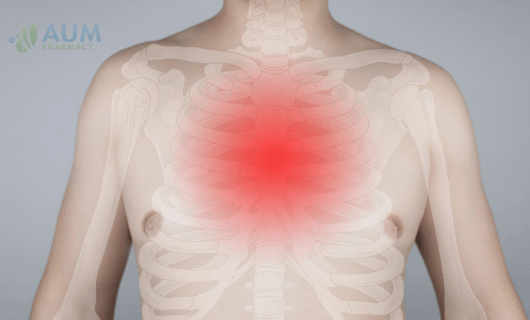
This condition can cause bone pain, muscle weakness, and an increased risk of fractures. It also makes walking difficult. Osteomalacia mainly affects adults, whereas in children, it is referred to as rickets. Rickets leads to the softening and deformation of growing bones.
It is important to note that osteomalacia differs from osteoporosis. While both conditions can cause bone fractures, osteomalacia is due to insufficient bone hardening, whereas osteoporosis results from a loss of bone density caused by an imbalance between bone formation and bone resorption.
Treatment for osteomalacia typically involves correcting Vitamin D and calcium levels, as both are essential for strengthening and mineralizing bones. Treating the underlying causes is also a key component of management.
Important Facts of Osteomalacia

Usually seen in
- Adults aged 18 years and older

Gender affected
- Occurs in both men and women

Body part(s) involved
- Long bones
- Ribs
- Spine

Prevalence

Mimicking Conditions
- Primary hyperparathyroidism
- Renal osteodystrophy
- Osteoblastic bone metastases
- Osteoporosis

Necessary health tests/imaging
- Blood tests: Serum calcium, phosphorus, alkaline phosphatase, and Vitamin D levels
- Bone radiographs
- Bone biopsy

Treatment
- PTH level management: Maintain serum 25OHD above 30 ng/mL with PTH levels within the reference range
- Vitamin D supplementation: Daily oral doses of 800 to 1200 IU
- Vitamin D with calcium: Higher doses of 2000 to 3000 mg/day in cases with underlying conditions

Specialists to consult
- General physicians
- Orthopedists
- Rheumatologists
- Endocrinologists
Symptoms Of Osteomalacia
The symptoms of osteomalacia arise due to insufficient mineralization, which weakens bones and makes them more flexible, often resulting in bowing of the lower extremities. Common symptoms include:
- Bone pain and tenderness
- Muscle weakness, especially around the thighs and knees
- Fragile bones prone to fractures
- Myopathy (muscle diseases)
- Waddling gait (altered walking pattern)
- Frequent falls
- Hypocalcemic seizures or tetany
- Myalgias and arthralgias (muscle and joint pain)
- Muscle spasms
- Spinal, pelvic, or limb deformities
Triggering Factors Of Osteomalacia
Osteomalacia is a metabolic bone disorder resulting from inadequate bone matrix mineralization, which is dependent on the deposition of hydroxyapatite crystals. The primary causes include:
1. Reduced Vitamin D Production
Vitamin D is essential for bone remodeling and strength. Insufficient production can occur due to:
- Limited sun exposure: Individuals living in regions with cold weather and reduced sunlight may develop Vitamin D deficiency.
- Darker skin tones: Increased melanin content reduces the absorption of UVB light, lowering Vitamin D synthesis.
- Obesity: Excess fat tissue reduces the bioavailability of Vitamin D.
- Aging: Vitamin D production declines with age due to reduced skin synthesis and storage capacity.
2. Poor Vitamin D Absorption
Certain conditions hinder the absorption of Vitamin D, including:
- Crohn's disease: An inflammatory bowel condition affecting nutrient absorption.
- Cystic fibrosis: A genetic disorder impairing digestion and nutrient absorption.
- Celiac disease: An autoimmune reaction to gluten, causing malabsorption.
- Cholestasis: Impaired bile flow, reducing fat-soluble vitamin absorption.
- Gastrointestinal surgeries: Procedures like gastric bypass can impair Vitamin D absorption.
3. Abnormal Vitamin D Metabolism
Certain factors alter how the body metabolizes Vitamin D, such as:
- Pregnancy: Lower calcidiol levels may necessitate 1000–2000 IU/day of Vitamin D supplementation.
- Liver diseases: Conditions like cirrhosis and non-alcoholic fatty liver disease reduce Vitamin D conversion to its active form.
- Chronic kidney disease (CKD): CKD impairs the enzyme 1-alpha-hydroxylase, required for Vitamin D activation.
- Nephrotic syndrome: Excessive excretion of Vitamin D-binding protein (DBP) reduces circulating Vitamin D levels.
4. Hypophosphatemia or Hypocalcemia
Low phosphorus or calcium levels in the blood can lead to osteomalacia. This occurs in conditions such as:
- Renal tubular acidosis: Seen in Fanconi syndrome, which alters calcium and phosphate balance.
- Tumor-induced osteomalacia (TIO): A rare paraneoplastic syndrome causing phosphate loss and hypophosphatemia.
5. Medications
Certain drugs can interfere with Vitamin D metabolism, contributing to osteomalacia, including:
- Antiepileptics: Phenobarbitone, phenytoin, and carbamazepine
- Anti-tuberculosis drugs: Isoniazid and rifampicin
- Bronchodilators: Theophylline
- Antifungals: Ketoconazole
- Long-term steroids
- Bisphosphonates: Etidronate and fluoride
Potential Risks for Osteomalacia
Individuals with Vitamin D deficiency are at an increased risk of developing osteomalacia. Risk factors include:
- Limited sun exposure: Staying indoors for prolonged periods reduces Vitamin D synthesis.
- Climatic factors: People living in regions with less sunlight are more prone to deficiency.
- Lifestyle habits: Individuals working indoors during daylight hours are at higher risk.
- Clothing habits: Wearing attire that covers most of the skin reduces sunlight exposure.
- Darker skin tones: People of South Asian, Middle Eastern, or Afro-Caribbean descent have a reduced ability to synthesize Vitamin D.
- Use of high-SPF sunscreen: Excessive sunscreen application blocks UVB rays, impairing Vitamin D production.
- Low socioeconomic status: Poor nutrition can contribute to deficiency.
- Pregnancy and breastfeeding: These increase the demand for Vitamin D.
Rare risk factors include:
- Kidney disorders: Chronic kidney disease impairs Vitamin D metabolism.
- Liver diseases: Conditions such as cirrhosis affect Vitamin D activation.
- Medications: Long-term use of antiepileptics, steroids, or antifungals.
- Untreated celiac disease: Causes chronic malabsorption.
- Gastrointestinal surgery: Alters Vitamin D and calcium absorption.
Diagnosis Of Osteomalacia
Osteomalacia can be challenging to diagnose, as no single laboratory test definitively confirms the condition. However, diagnosis typically involves the following steps:
Medical History and Physical Examination
When assessing for osteomalacia, the doctor gathers a thorough medical history, including any family history of bone diseases and past surgeries, such as gastric bypass. Questions may also cover the patient’s physical activity level, dietary habits, lifestyle, and socioeconomic factors.
Blood Tests
- Serum Calcium and Phosphorus: Individuals with osteomalacia frequently exhibit low calcium (hypocalcemia) or low phosphorus (hypophosphatemia) levels.
- Serum Alkaline Phosphatase: Elevated levels of alkaline phosphatase are often indicative of impaired bone mineralization and are commonly observed in osteomalacia patients.
- Serum Vitamin D: The level of 25-hydroxyvitamin D (25(OH)D) in the blood is the most reliable indicator of vitamin D status. Patients with osteomalacia often have severely low levels, typically below 10 ng/mL.
- Other Biomarkers: Early calcium deficiency may also present with increased parathyroid hormone (PTH) levels and reduced urinary calcium excretion.
Bone Radiography
X-rays of the bones can reveal characteristic signs of osteomalacia, such as:
- Decreased Bone Mineral Density (BMD): Reduced BMD may be observed alongside focal areas of increased uptake at Looser zones (pseudofractures) on bone scintigraphy.
- Insufficiency Fractures: These appear as transverse radiolucent lines perpendicular to the bone cortex and are commonly seen in the femoral neck, pubic rami, or shafts.
- Blurring of Vertebral Trabeculae: Reduced clarity of the bone’s internal structure may indicate insufficient mineralization.
- Although radiographs are not necessary for diagnosis, reduced BMD in the spine, hips, and forearms is often detected.
Bone Biopsy
A bone biopsy from the iliac crest is the gold standard for confirming osteomalacia. However, it is typically reserved for cases where the diagnosis is unclear or when other non-invasive methods fail to identify the underlying cause. Key findings on biopsy include:
- Deficient Mineralization: Demonstrated by a thickened layer of unmineralized osteoid.
- Bone Pain and Muscle Weakness: Symptoms combined with biochemical findings may necessitate further testing.
- Pseudofractures or Looser Zones: Multiple areas of bone involvement detected through imaging may warrant a biopsy.
Preventive Measures Of Osteomalacia
Osteomalacia is primarily caused by a deficiency of vitamin D, often due to inadequate sun exposure or poor dietary intake. Preventative measures include:
1. Consuming Vitamin D-Rich Foods
Incorporating foods high in vitamin D into the diet can help prevent osteomalacia. These include:
- Fatty fish (salmon, mackerel)
- Egg yolks
- Fortified dairy products (milk, yogurt)
- Cereals and bread enriched with vitamin D
2. Sunlight Exposure
Regular exposure to sunlight helps the body naturally produce vitamin D. Spending time outdoors, especially during the morning or late afternoon, can enhance vitamin D synthesis.
3. Supplements
If dietary intake and sunlight exposure are insufficient, vitamin D supplements may be recommended, particularly for individuals at risk of deficiency, such as the elderly or those with limited sun exposure.
4. Managing Underlying Conditions
For individuals with conditions that hinder vitamin D absorption (e.g., celiac disease, chronic kidney disease), managing the underlying disorder can reduce the risk of osteomalacia.
Specialists to Consult
Osteomalacia, commonly linked to vitamin D deficiency, often requires evaluation and management by multiple specialists, including:
- General Physicians: For initial diagnosis and basic management.
- Orthopedists: For assessing bone health and treating fractures or deformities.
- Rheumatologists: To manage associated musculoskeletal symptoms and autoimmune conditions.
- Endocrinologists: To address hormonal imbalances and vitamin D metabolism disorders.
Treatment Of Osteomalacia
The primary goals of osteomalacia treatment are to relieve symptoms, promote fracture healing, and restore bone strength. Treatment also focuses on correcting secondary hyperparathyroidism and replenishing vitamin D and calcium levels.
1. Regulating Parathyroid Hormone (PTH) Levels
There are no universally accepted guidelines for PTH regulation in osteomalacia treatment. However, most treatment plans aim to maintain serum 25(OH)D levels above 30 ng/mL and keep PTH within the normal range.
- Symptom Improvement: Patients often experience symptom relief within weeks, but complete recovery may take several months.
- Biochemical Changes: During treatment:
- Alkaline phosphatase levels initially rise, then gradually decrease.
- Secondary hyperparathyroidism may persist temporarily.
- In rare cases, hypercalcemic tertiary hyperparathyroidism may develop.
- Bone Density: Bone mineral density (BMD) significantly improves with effective treatment.
2. Oral Vitamin D Therapy
Oral vitamin D supplementation is the cornerstone of osteomalacia treatment. Recommended dosages include:
- Standard Dose: 800 to 1200 IU daily.
- High Dose: 50,000 IU of native vitamin D weekly for 8–12 weeks, followed by maintenance doses of 1000–2000 IU daily.
- In Severe Cases: Patients with impaired gastrointestinal absorption may require higher doses (10,000–50,000 IU) of vitamin D. Loading doses should not exceed 100,000 IU at a time.
3. Calcium and Vitamin D Combination Therapy
Vitamin D supplementation is often paired with calcium to enhance bone mineralization. Recommended calcium doses include:
- Standard: 1000 mg of elemental calcium, divided into 2–3 doses per day.
- Higher Doses (2000–3000 mg daily): Required for individuals with:
- Malabsorption Syndromes: Patients post-bariatric surgery or with GI issues may need calcifediol (a more easily absorbed vitamin D metabolite).
- Hyperparathyroidism: Calcitriol combined with vitamin D may be preferred in these cases
Health Complications Of Osteomalacia
If left untreated, osteomalacia can lead to several complications due to poor bone mineralization. Symptoms may recur if vitamin D deficiency or underlying conditions are not addressed. Potential complications include:
- Insufficiency Fractures: Also known as Looser zones, these fractures may occur with minimal or no trauma, especially in the legs.
- Bone Deformities: Chronic osteomalacia can cause spinal curvature (kyphoscoliosis) and deformities in long bones.
- Children’s Complications: In children, osteomalacia may occur alongside rickets, resulting in bowing of the legs or premature tooth loss.
- Spinal Compression Fractures: Though more common in osteoporosis, they can occasionally occur in osteomalacia as well.
Alternative Therapies For Osteomalacia
Octreotide Therapy for Tumor-Induced Osteomalacia
Tumor-induced osteomalacia (also known as oncogenic osteomalacia) is a rare condition marked by excessive phosphate excretion in the urine (phosphaturia), low blood phosphorus levels (hypophosphatemia), and weakened bones (osteomalacia). This form of osteomalacia results from tumors, typically benign, though occasionally malignant.
Surgical excision of the tumor can often lead to a complete resolution of symptoms. The most common tumor associated with this condition is hemangiopericytoma, a rare type of vascular and soft tissue tumor. These tumors secrete substances referred to as "phosphatonins," which disrupt phosphate reabsorption by the kidneys, causing phosphate loss.
Research indicates that subcutaneous administration of octreotide, a synthetic analog of somatostatin, can temporarily halt phosphate wasting by the kidneys before the tumor is surgically removed.
Phosphorus Supplements
Phosphorus, the second most abundant mineral in the body after calcium, is essential for bone and teeth formation. It also plays a role in balancing and utilizing other nutrients such as vitamin D, iodine, magnesium, and zinc.
While most people consume adequate phosphorus through their diet (from sources like dairy, grains, and protein-rich foods), supplementation may be necessary in cases of osteomalacia. Common phosphorus supplements include:
- Dibasic potassium phosphate
- Monobasic potassium phosphate
- Dibasic sodium phosphate
- Monobasic sodium phosphate
- Tribasic sodium phosphate
- Phosphatidylcholine
- Phosphatidylserine
Recommended daily phosphorus intake:
- Adults (19 years and older): 700 mg
- Pregnant and breastfeeding women: 700 mg
Note: Consult with a healthcare provider before starting any phosphorus supplements.
Homemade Remedies for Osteomalacia
In addition to medical treatment, certain lifestyle modifications can help manage osteomalacia symptoms and improve bone health:
1. Boost Vitamin D Intake
Ensure adequate vitamin D levels by:
- Getting regular sunlight exposure.
- Including vitamin D-rich foods in the diet, such as:
- Fatty fish (salmon, tuna)
- Egg yolks
- Fortified cereals and dairy products
2. Calcium-Rich Diet
A diet rich in calcium strengthens bones. Sources include:
- Dairy products (milk, cheese, yogurt)
- Green leafy vegetables (except spinach, which contains oxalates that hinder calcium absorption)
- Fish with edible bones (sardines)
- Tofu, nuts, and soya beans
3. Lifestyle Adjustments
Adopt habits that promote bone health, such as:
- Maintaining a balanced diet
- Avoiding smoking and excessive alcohol consumption
- Keeping a healthy body weight
- Taking supplements as prescribed
4. Regular Exercise
Weight-bearing exercises, such as walking, jogging, or resistance training, can help strengthen bones. However, individuals should avoid intense activities until fractures or bone cracks have fully healed.
Lifestyle Modifications Osteomalacia
Osteomalacia causes weakened bones, making them prone to fractures. The condition occurs when bone mineralization is impaired, leading to bone breakdown outpacing its repair. It may take several months for symptoms like bone pain and muscle weakness to improve. To prevent recurrence, regular vitamin D supplementation is necessary. Management strategies include:
- Maintaining a diet rich in vitamin D and calcium
- Ensuring moderate sun exposure
- Following a gluten-free diet
- Adjusting physical activity levels
- Engaging in physiotherapy
- Using hot and cold compresses to alleviate discomfort
- Avoiding strenuous activities
- Reducing alcohol and carbonated beverage intake
- Steering clear of certain medications, such as antiepileptics
- Maintaining a healthy weight
- Quitting smoking
- Taking vitamin and mineral supplements as needed
Frequently Asked Questions
Subscribe to stay informed
Subscribe to our carefully crafted informative emailers by Medical Experts and be the first to get the latest health news, tips, and important updates.