


Osteoporosis
Overview of Osteoporosis
Osteoporosis, which translates to "porous bone," is a condition characterized by weakened bones, making them more susceptible to fractures.
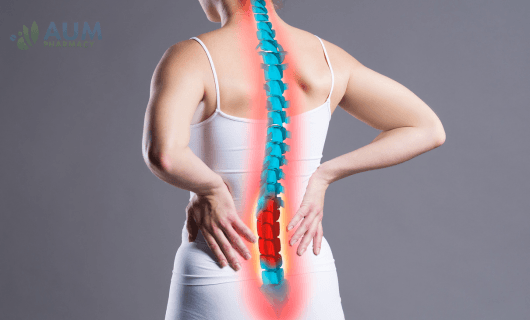
This disorder is often referred to as the "silent disease" because it typically shows no symptoms until a fracture occurs. These fractures may lead to intense back pain, loss of height, or spinal deformities, such as kyphosis (hunched posture).
Osteoporosis is more prevalent in postmenopausal women due to decreased estrogen levels, a hormone essential for bone preservation. Other risk factors include a family history of osteoporosis, inadequate physical activity, vitamin D and calcium deficiency, smoking, excessive alcohol consumption, and a low body weight.
Diagnosis is typically confirmed through X-rays and bone density assessments.
Treatment varies based on the severity of the condition. Lifestyle modifications, including weight-bearing exercises, calcium and vitamin D supplementation, and quitting smoking, are key. Severe cases may require prescription medications or hormone therapy.
Important Facts of Osteoporosis

Usually seen in
- Adults over 50 years old.

Gender affected
- Both men and women, but more common in women.

Body part(s) involved
- Hips
- Wrists
- Spine

Prevalence
- Worldwide: 18.3%

Mimicking Conditions
- Homocystinuria
- Hyperparathyroidism
- Osteomalacia and renal osteodystrophy
- Mastocytosis
- Multiple myeloma
- Paget disease
- Scurvy
- Sickle cell anemia

Necessary health tests/imaging
- Bone mineral density (BMD) scan
- Calcium levels
- Vitamin D levels

Treatment
- Supplements: Calcium and vitamin D
- Medications: Bisphosphonates, Denosumab
- Hormone Therapies: Raloxifene, Calcitonin, Teriparatide, and Testosterone therapy

Specialists to consult
- Rheumatologist
- Endocrinologist
- Orthopedic surgeon
Symptoms Of Osteoporosis
Osteoporosis typically remains asymptomatic until a fracture occurs. When the spine is affected, it can result in severe back pain, height reduction, or spinal curvature (kyphosis). Bones weakened by osteoporosis may fracture unexpectedly or due to minor incidents, such as:
- Minor falls that would not typically fracture a healthy bone.
- Routine activities, like bending, lifting, or coughing, can sometimes lead to fractures.
Triggering Factors Of Osteoporosis
Bone health relies on a balance between bone formation and resorption. In postmenopausal women, bone turnover accelerates due to reduced estrogen levels, resulting in continuous bone loss.
Bone mass is at its peak in early adulthood but gradually decreases from around the age of 35. Certain factors can increase the risk of osteoporosis or accelerate its development.
Types Of Osteoporosis
Osteoporosis is classified into two main types:
Primary Osteoporosis:
This is the most common form, often linked to aging and reduced sex hormone levels. It includes:
- Postmenopausal Osteoporosis (Type I): Occurs due to estrogen deficiency after menopause, affecting bone density in women.
- Senile Osteoporosis (Type II): Affects both genders over 70 years, resulting from the natural imbalance between bone formation and resorption with age.
Secondary Osteoporosis:
This type is caused by underlying diseases or long-term medication use, leading to reduced bone density and fragility fractures.
Potential Risks for Osteoporosis
Osteoporosis arises from multiple factors, including both modifiable and non-modifiable risks.
Non-Modifiable Risk Factors:
- Family History: Genetics significantly influence bone density and fracture risk.
- Ethnicity: White women are more commonly affected.
- Age: Bone mass naturally decreases with age, making older adults more prone to osteoporosis.
- Gender: Women experience earlier bone loss than men.
- Amenorrhea: Lack of menstruation due to low estrogen levels can promote osteoporosis.
- Early Menopause: Menopause before age 45, removal of ovaries, or prolonged absence of menstruation increases osteoporosis risk.
- Hormone-Related Conditions:Overactive thyroid
- Low sex hormones (estrogen and testosterone)
- Pituitary gland disorders
- Hyperparathyroidism
- Primary and secondary hypogonadism in men
- Diabetes: Increases bone turnover, leading to bone loss.
- Malabsorption Issues: Conditions like celiac disease and Crohn's disease reduce calcium and nutrient absorption, weakening bones.
- Chronic Kidney Disease (CKD): CKD contributes to osteoporosis and fragility fractures.
- Blood Disorders: Thalassemia and pernicious anemia can lead to bone loss.
- Rheumatoid Arthritis (RA): Causes inflammation and bone loss.
- Dementia: Reduces activity levels and sunlight exposure, increasing osteoporosis risk.
- Depression: Linked to lower bone mineral density (BMD).
- Cancer: Bone metastases can reduce bone density, leading to fractures.
- Prolonged Bed Rest: Extended immobility accelerates bone loss, increasing osteoporosis risk.
- Spaceflight: Microgravity exposure in space weakens bone density.
Modifiable Risk Factors:
- Smoking: Lowers bone density and increases fracture risk.
- Low BMI: Individuals with low BMI are more prone to osteoporosis.
- Physical Inactivity: Sedentary lifestyles lead to bone mass loss.
- Calcium Deficiency: Inadequate calcium intake heightens osteoporosis risk.
- Vitamin D Deficiency: Reduces calcium absorption, increasing bone fragility.
- Excessive Alcohol Consumption: Impairs calcium balance, weakening bones.
- Certain Medications:Heparin
- Warfarin
- Cyclosporine
- Glucocorticoids
- Medroxyprogesterone acetate
- Cancer drugs
- Thyroid medications
Diagnosis Of Osteoporosis
Osteoporosis is often detected after recurrent falls or spontaneous fractures. The diagnostic process includes:
Screening and Medical History:
Older adults at risk should undergo regular osteoporosis screening. Medical history reviews include fracture occurrences, lifestyle habits (e.g., smoking and alcohol use), menopausal status, and medication history.
Physical Examination:
Height, weight, and BMI are measured to assess potential bone loss.
- BMI < 21 kg/m² or height reduction by 5 cm or more indicates a higher osteoporosis risk.
- Muscle weakness, instability, and impaired gait increase fracture risk.
Imaging Tests:
Bone Mineral Density (BMD) Test:
This is the gold standard for osteoporosis diagnosis, measuring calcium and other minerals in bones. Dual-energy X-ray absorptiometry (DXA) scans, mainly of the hip and spine, detect bone loss.
WHO T-score criteria for osteoporosis:
- Normal: ≥ −1.0
- Osteopenia: −1.0 to −2.5
- Osteoporosis: ≤ −2.5
- Severe Osteoporosis: ≤ −2.5 with one or more fragility fractures
FRAX Tool:
Assesses fracture risk by factoring in BMD and individual risk factors.
Quantitative Computed Tomography (QCT):
This CT-based scan measures BMD, typically in the spine or peripheral bones.
Laboratory Tests:
Blood tests may be conducted to identify underlying causes, including:
- Calcium and vitamin D levels
- Hormone levels
- Biochemical markers of bone turnover
Specialists to Consult
Doctors specializing in osteoporosis diagnosis and management include:
- Rheumatologist: Treats inflammatory and autoimmune bone disorders.
- Endocrinologist: Manages hormone-related bone conditions.
- Orthopedic Surgeon: Addresses fractures and performs corrective surgeries.
Preventive Measures Of Osteoporosis
While genetics play a role in determining height, weight, and bone density, maintaining a healthy lifestyle can significantly reduce the risk of osteoporosis. Here are some key prevention tips:
1. Prioritize Early Screening:
Detecting osteoporosis risk factors early through screening allows you to adopt appropriate lifestyle changes and prevent the condition from progressing.
2. Get Adequate Sun Exposure:
Limited sun exposure can be linked to bone-related disorders. Getting sufficient, safe sunlight boosts Vitamin D production, which is essential for bone and dental health, helping to prevent osteoporosis.
3. Ensure Optimal Calcium and Vitamin D Intake:
Calcium is crucial for strong bones, while Vitamin D aids in its absorption. Since dietary sources may not always provide sufficient amounts, you might need to consider supplements for both nutrients.
4. Limit Smoking and Alcohol Consumption:
Smoking and excessive alcohol intake are linked to a higher risk of osteoporosis. Quitting smoking and moderating alcohol consumption can help protect your bones.
5. Stay Physically Active:
Engage in weight-bearing exercises such as walking, dancing, stair climbing, and low-impact aerobics. These activities target bones in the legs, hips, and lower spine, helping to slow bone mineral loss.
Treatment Of Osteoporosis
Osteoporosis treatment aims to prevent fractures and slow down bone deterioration. It generally involves two key approaches:
1. Non-Pharmacological Management:
Lifestyle modifications play a vital role in managing osteoporosis. These include:
- Boosting calcium and Vitamin D intake
- Performing weight-bearing exercises
- Avoiding smoking and limiting alcohol/caffeine consumption
- Implementing fall-prevention strategies
2. Pharmacological Management:
Medications are used to reduce fracture risks and slow bone loss. Common treatments include:
a. Antiresorptive Agents:
These drugs reduce bone resorption by slowing the activity of bone-destroying cells.
- Bisphosphonates: Decrease bone breakdown. When taken orally, they should be consumed with a full glass of water on an empty stomach, at least 30 minutes before eating or taking other medications.
- Denosumab: An injectable therapy prescribed for high-risk fracture patients or those who cannot tolerate oral medications.
b. Hormonal Therapies:
Synthetic hormones are used to manage osteoporosis. These include:
- Estrogen Agonists/Antagonists (SERMs): Such as Raloxifene and conjugated estrogens/bazedoxifene.
- Estrogen-Progestin Therapy: FDA-approved for osteoporosis prevention in postmenopausal women at high risk.
- Testosterone Therapy: Recommended for men with low testosterone levels (below 200 mg/dL) or those at a high risk of fracture.
- Calcitonin: A synthetic hormone used for postmenopausal women with osteoporosis when other treatments are unsuitable.
- Parathyroid Hormone Analogues: Synthetic forms of parathyroid hormones used to treat osteoporosis, including teriparatide and abaloparatide.
c. Newer Medications:
- Romosozumab
- Odanacatib
- Lasofoxifene
Health Complications Of Osteoporosis
When diagnosed and treated early, osteoporosis can be effectively managed. However, untreated osteoporosis can lead to severe complications, such as:
Frequent Falls:
Individuals with osteoporosis are more prone to falls due to muscle weakness, kyphosis (hunchback), and poor postural stability.
- Pathological Fractures:Hip Fractures: Often caused by falls, these can result in disability and even increase the risk of mortality within a year.
- Vertebral Fractures: Can lead to chronic pain, spinal curvature, breathing issues, and an elevated risk of pneumonia.
Alternative Therapies For Osteoporosis
Complementary therapies can support conventional treatments but should always be discussed with your doctor beforehand. These include:
Massage Therapy:
- Helps reduce osteoporosis symptoms like pain and stiffness by promoting muscle relaxation. Studies indicate that Thai massages may enhance bone formation.
Acupuncture:
- A traditional Chinese medicine practice involving fine needles placed at specific points. Research suggests acupuncture may stimulate bone healing and reduce osteoporosis symptoms.
Tai Chi:
- This gentle, low-impact martial art can improve muscle strength, coordination, and flexibility, helping reduce joint pain and stiffness. However, its direct effectiveness in treating osteoporosis requires further research.
Melatonin Therapy:
- Melatonin, a sleep-regulating hormone, has shown potential in preventing age-related and perimenopausal osteoporosis by reducing bone loss.
Homemade Remedies for Osteoporosis
To strengthen bones and minimize osteoporosis risk, incorporate the following nutrient-rich foods into your diet:
- Milk: A rich source of calcium and Vitamin D, essential for bone strength.
- Apple Cider Vinegar: Contains calcium, potassium, and magnesium, which support bone health.
- Cheese: Especially Parmesan cheese, known for its bone-strengthening properties.
- Eggs: Whole eggs are beneficial for preventing osteoporosis and reducing fracture risk.
- Fatty Fish: Salmon, mackerel, tuna, and sardines are high in Vitamin D, which supports bone health.
- Citrus Fruits: Rich in Vitamin C, which helps your body build stronger bones.
- Leafy Greens: Vegetables like kale, Chinese cabbage, and turnip greens are excellent calcium sources.
- Sesame Seeds: Contain calcium, copper, magnesium, manganese, and selenium, making them ideal for those with calcium deficiencies.
- Soy Products: Soy sprouts contain phytoestrogens that can boost estrogen levels and lower osteoporosis risk.
Lifestyle Modifications Osteoporosis
Osteoporosis doesn’t have to limit your quality of life. Making certain lifestyle adjustments can help you stay active and safe:
Fall Prevention:
- Wear non-slip shoes
- Eliminate slippery surfaces and clutter
- Install grab bars in bathrooms and stair railings
- Ensure bright lighting for better visibility
Use Hip Protectors:
These protective inserts can minimize the impact of falls, especially for bedridden or elderly individuals.
Care for Fractures:
While osteoporosis does not affect fracture healing time (typically 6–8 weeks), some fractures may require additional intervention or physiotherapy for proper recovery.
Pain Management:
- Use prescribed pain relievers
- Apply heat or cold packs
- Try relaxation techniques, such as meditation or hypnosis
Frequently Asked Questions
Subscribe to stay informed
Subscribe to our carefully crafted informative emailers by Medical Experts and be the first to get the latest health news, tips, and important updates.