


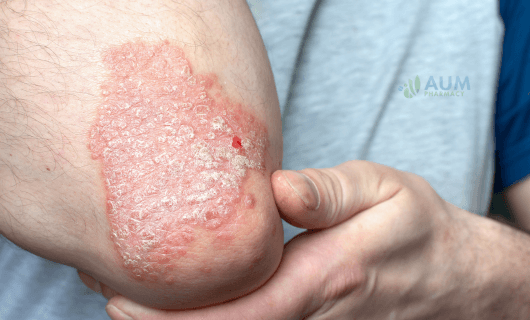
Psoriasis
Overview of Psoriasis
Psoriasis is a persistent, non-infectious, and disabling condition that can emerge at any stage of life, though it is most frequently diagnosed in individuals aged between 50 and 69. The exact origin remains unclear, but a combination of genetic predisposition and immune system dysfunction appears to play a key role. External factors like injuries, throat infections, excessive sun exposure, specific medications, and stress are known to act as potential triggers.
The disease primarily affects the skin and nails. It presents as red, raised patches on the skin, typically covered with white or silver scales. These lesions may appear in isolated areas or be more widespread, and can lead to discomfort, itching, or pain. Some individuals also experience psoriatic arthritis, resulting in joint inflammation and pain. In rare instances, other organs such as the eyes, heart, kidneys, or lungs may also be affected.
Management focuses on alleviating symptoms through topical treatments, systemic medications, and phototherapy—often in combination. Treatment is generally ongoing, with the aim of maintaining extended periods without symptoms.
Psoriasis imposes both physical and psychological stress on sufferers, significantly impacting their overall quality of life. Misconceptions about the disease being contagious often result in social isolation and stigma, which further compounds the burden on patients and their families.
Important Facts of Psoriasis

Usually seen in
- Adults aged 50–69

Gender affected
- Occurs in both sexes, though slightly more prevalent in men

Body part(s) involved
- Skin,
- Joints,
- Scalp,
- Nails,
- Eyes,
- Lungs,
- Heart,
- Kidneys

Prevalence
- Global Cases: Estimated 100 million cases as of 2016

Mimicking Conditions
- Eczema,
- Seborrheic dermatitis,
- Pityriasis rosea,
- Mycosis fungoides,
- Secondary syphilis

Necessary health tests/imaging
- Blood work and skin biopsy

Treatment
- Topical corticosteroids,
- Salicylic acid,
- Retinoic acid,
- Calcineurin inhibitors (e.g., tacrolimus, pimecrolimus),
- Light therapy,
- Systemic agents such as methotrexate,
- Retinoids,
- Ciclosporin,
- Triamcinolone,
- Thioguanine,
- Hydroxyurea

Specialists to consult
- Dermatologists and immunologists
Symptoms Of Psoriasis
Common symptoms include:
- Inflamed, raised patches of skin, pink or red on light skin, and brown or purple on darker skin
- Flaky or scaly skin with silvery, white, or gray patches
- Dry, cracked skin that may bleed or peel
- Sensations of burning, itching, or soreness around affected areas
- Formation of pus-filled blisters (in pustular psoriasis)
- Symmetrical lesions commonly found near major joints
- Nail abnormalities such as thickening, pitting, or ridging
- Pain and swelling in joints
- In rare cases, full-body redness with accompanying systemic symptoms like fever
Not every individual will exhibit all of these symptoms. The presentation varies depending on the type of psoriasis and often follows a pattern of flare-ups and remissions. Periods of intense symptoms may be followed by times when the skin appears normal, only to relapse again—sometimes unpredictably.
Triggering Factors Of Psoriasis
Although the precise cause remains unknown, both immune dysfunction and inherited genetic traits are known contributors. In a healthy immune system, the body targets harmful pathogens. In psoriasis, however, it mistakenly attacks normal skin cells, leading to an overproduction of new cells. While healthy skin regenerates every 30 days, in psoriasis, this process takes just 3 to 4 days, resulting in cell buildup and visible patches. Genetics may also determine the type and severity of psoriasis, as well as how it responds to treatment.
Types Of Psoriasis
Plaque Psoriasis (Psoriasis Vulgaris)
- The most prevalent form, it features thick, elevated, and discolored plaques with silvery-white scales. These lesions can itch or hurt and may merge into larger patches. They usually develop on the elbows, knees, lower back, and scalp.
Guttate Psoriasis
- Frequently seen in children and teens, guttate psoriasis presents as numerous small, pink drops on the skin. Often triggered by a streptococcal infection, it can appear suddenly on the arms, legs, torso, scalp, face, and ears. It may clear up in a few weeks without treatment but can occasionally return as plaque psoriasis.
Inverse Psoriasis
- Also known as flexural psoriasis, this variant primarily affects skin folds such as the underarms, beneath the breasts, genital region, and buttocks. It presents as smooth, red patches and is commonly seen in overweight individuals. It may occur alongside other types of psoriasis.
Pustular Psoriasis
- A rarer form marked by red, inflamed skin topped with pus-filled blisters composed of white blood cells. Often localized to the hands and feet, it can make daily tasks difficult. In severe cases, it may spread across the entire body and be accompanied by fever, chills, fatigue, and widespread discomfort.
Erythrodermic Psoriasis
- A rare but severe form that leads to widespread redness and scaling, resembling a burn. It causes intense itching, muscle weakness, fever, and chills. This condition is considered a medical emergency requiring immediate treatment.
Nail Psoriasis
- Affects fingernails and toenails, causing pitting, discoloration, and rough texture. It may lead to a buildup of skin cells under the nails, lifting them from the nail bed.
Psoriatic Arthritis
- When joint inflammation occurs alongside psoriasis, it is termed psoriatic arthritis. Common symptoms include pain and swelling in fingers or toes, heel pain, stiffness (especially in the morning), and inflammation in other organs such as the eyes, heart, and kidneys. Severe cases can lead to permanent joint damage.
Potential Risks for Psoriasis
Several factors can increase the likelihood of developing or worsening psoriasis, including:
- Emotional stress
- Mental health disorders like anxiety and depression
- Tobacco use
- Excessive alcohol consumption
- Obesity
- Physical trauma to the skin (cuts, scrapes, sunburn)
- Infections, particularly streptococcal throat infections
- Certain medications such as beta-blockers, antimalarials, NSAIDs, lithium, and interferons
- Abrupt withdrawal from oral or potent topical steroids
- Cold climates with limited sun exposure and dry indoor heating
- Hormonal fluctuations
- Compromised immune function or autoimmune diseases like HIV/AIDS
Diagnosis Of Psoriasis
Psoriasis is diagnosed through a combination of clinical evaluation, laboratory tests, and, in some cases, skin biopsy.
Clinical Examination
- Doctors usually begin with a physical assessment of the skin, scalp, and nails to identify the characteristic features of psoriasis, such as scaling and plaques.
Laboratory Tests
- Although there are no specific blood tests to confirm psoriasis, tests like erythrocyte sedimentation rate (ESR) and C-reactive protein (CRP) may be recommended if joint symptoms suggest psoriatic arthritis.
Skin Biopsy
- A biopsy involves removing a small sample of affected skin tissue for microscopic examination to confirm the diagnosis and rule out other skin conditions. It’s a simple, outpatient procedure.
PASI Scoring
- The Psoriasis Area and Severity Index (PASI) is considered a reliable tool for evaluating the extent and severity of psoriasis. It provides a numerical score by assessing the thickness, redness, and scaling of plaques along with the affected area.
Preventive Measures Of Psoriasis
Since the root cause of psoriasis remains unclear, preventive measures focus on managing known triggers and maintaining overall health. These include:
- Strengthening the immune system to reduce susceptibility to infections
- Staying well-hydrated
- Keeping the skin moisturized, especially for those with dry skin
- Avoiding extreme temperatures, including prolonged sun exposure and cold environments
- Managing stress effectively
- Avoiding smoking and excessive alcohol intake
- Informing your doctor before starting or stopping medications like steroids or lithium
Specialist Consultation
Given that several skin disorders present with similar symptoms, pinpointing the exact condition can be difficult. If you notice signs like redness or itching—symptoms shared with conditions such as eczema or atopic dermatitis—it’s important to consult a healthcare provider.
While a general physician may offer an initial assessment, specialists such as dermatologists or immunologists are better equipped to provide an accurate diagnosis and treatment plan.
Treatment Of Psoriasis
Treatment focuses on slowing skin cell turnover and relieving symptoms such as inflammation and scaling.
For mild to moderate cases, topical agents are typically prescribed. More severe psoriasis may require systemic treatments or phototherapy.
Topical Treatments
Corticosteroids are the most common topical solution for mild to moderate psoriasis. Available in various forms—like creams, ointments, gels, and foams—they are often applied daily during flare-ups and less frequently during remission.
Retinoic acid is another option, used once or twice daily. Side effects may include skin irritation and increased sensitivity to sunlight. These are not suitable for pregnant or breastfeeding women.
Calcineurin inhibitors like tacrolimus and pimecrolimus help reduce inflammation and are ideal for sensitive areas, such as around the eyes, where corticosteroids may be unsuitable.
Other topical agents include salicylic acid, which helps remove dead skin, and coal tar, which reduces inflammation and scaling.
Phototherapy
This involves controlled exposure to natural sunlight or artificial ultraviolet (UV) light. Both UVA and UVB light can be used, either alone or combined with medications. UV exposure slows down the excessive skin cell growth.
Systemic Medications
For severe cases, doctors may prescribe oral or injectable drugs:
- Methotrexate: Taken weekly, it slows skin cell production and reduces inflammation. Regular monitoring of blood and liver function is essential. It’s not recommended for those trying to conceive or breastfeeding.
- Retinoids: These oral medications decrease skin cell production and are also unsuitable during pregnancy and lactation.
- Ciclosporin: An immunosuppressant that lowers immune response but increases the risk of infections and requires monitoring of kidney function and blood pressure.
- Steroid Injections: Local steroid injections like triamcinolone may be used for persistent lesions.
- Other Options: Medications like thioguanine and hydroxyurea may be considered when conventional treatments aren’t viable.
Health Complications Of Psoriasis
Individuals diagnosed with psoriasis may face several health complications, one of the most significant being psoriatic arthritis—a type of inflammatory joint disease that leads to joint swelling and can result in reduced joint mobility.
Other associated complications include:
- Obesity
- Elevated blood pressure
- Type 2 diabetes
- Cardiovascular conditions
- Metabolic syndrome
- Inflammatory bowel disorders
- Eye-related issues such as conjunctivitis, blepharitis, and uveitis
- Autoimmune disorders like Crohn’s disease, celiac disease, and scleroderma
- Increased risk of certain cancers, including lung and skin cancer
Psoriasis can also deeply impact mental health. People often struggle with low self-esteem, stigma, and feelings of isolation, which can contribute to anxiety and depression.
Alternative Therapies For Psoriasis
Natural Remedies
Some individuals find relief through natural approaches, though it's crucial to consult a healthcare provider before trying these alternatives:
- Aloe Vera: Can ease symptoms when applied topically or consumed.
- Epsom/Dead Sea Salts: Soaking in warm water with these salts may help alleviate burning and itching.
- Vinegar: Diluted vinegar may provide relief from scalp itch when applied to affected areas.
- Turmeric: Known for its anti-inflammatory properties, turmeric may help reduce flare-ups when used as a supplement or spice.
Homeopathy
Homeopathy is considered a gentle and safe treatment option for psoriasis by many. It utilizes natural substances and is largely free of side effects.
Arsenic Album
- Used in cases with dry, scaly red eruptions covering much of the body, excluding the face and hands. Also effective in guttate psoriasis.
Graphites Naturalis
- Often prescribed for scalp psoriasis and cracked skin, especially when dry and sore patches are present.
Arsenic Iodatum
- Useful for cases where thick scales shed from skin lesions.
Sulphur
- Helps manage intense itching and burning. Particularly effective when there's a history of overusing topical ointments.
Petroleum Oleum
- Recommended for deeply cracked, rough skin typically seen in some psoriasis patients.
Merc Sol
- Targets scalp psoriasis where thick white scales form and raw skin lies underneath.
Sepia Succus
- Best suited for individuals with large, reddish papules located on areas such as the face, back, arms, and legs.
Homemade Remedies for Psoriasis
Since psoriasis is a long-term condition, self-care can play a vital role in managing symptoms and enhancing quality of life. Here are some effective strategies:
Daily Bathing
- A daily bath helps remove scales and reduce skin inflammation. Additives like bath oils, colloidal oatmeal, or Epsom salts can be soothing. Always use lukewarm water and mild soaps.
Moisturize Regularly
- Apply a rich, ointment-based moisturizer immediately after bathing to lock in moisture. Oils can be particularly effective for very dry skin. Reapply as needed, especially in cold, dry weather.
Discuss Sun Exposure with Your Doctor
- Moderate exposure to sunlight may ease symptoms, but too much sun can aggravate psoriasis and increase skin cancer risk. Consult your doctor before increasing sun exposure.
Use Sunscreen
- Protect healthy skin with sunscreen (SPF 30 or higher). Reapply every two hours when outdoors.
Avoid Alcohol
- Since alcohol can worsen symptoms, reducing or eliminating its intake is strongly advised.
Lifestyle Modifications Psoriasis
Here are some tips to better manage psoriasis and improve your overall well-being:
Skin Care
- Avoid hot water and harsh soaps that can dry out the skin.
- Apply moisturizers or natural oils regularly to retain hydration.
- Use sunscreen when spending extended time outdoors, as sunburns may worsen symptoms.
Healthy Eating
- Incorporate anti-inflammatory foods like omega-3-rich fish, walnuts, flax seeds, soybeans, and chia seeds.
- Eat more colorful fruits and vegetables such as carrots, spinach, bell peppers, and berries.
- Limit intake of red meats, dairy, processed items, and fatty foods high in arachidonic acid.
Sunlight and Psoriasis
- Limited sun exposure can benefit the skin, but overexposure may worsen the condition or raise the risk of skin cancer. Always consult your doctor before increasing sun exposure.
Avoiding Triggers
- Identify and reduce exposure to known triggers such as smoking, alcohol, and certain weather conditions.
- If the sun exacerbates symptoms, wear protective clothing or avoid going out during peak hours.
Follow Your Treatment Plan
- Stay consistent with your doctor-prescribed regimen, which may include topical applications, phototherapy, oral medications, or injections.
Stress Management
- Psoriasis can be mentally taxing. Incorporating activities like yoga, meditation, or deep breathing exercises into your routine can help.
- Even 10–15 minutes a day can have a positive impact on your mental state.
- Group classes or at-home practice may be beneficial for long-term stress relief.
Frequently Asked Questions
Subscribe to stay informed
Subscribe to our carefully crafted informative emailers by Medical Experts and be the first to get the latest health news, tips, and important updates.