


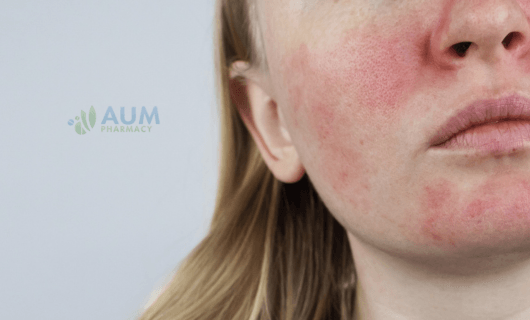
Rosacea
Overview of Rosacea
Rosacea is a long-term inflammatory skin disorder marked by recurring episodes of facial redness, flushing, pimple-like eruptions, and visible tiny blood vessels.
The condition mainly affects the central area of the face, especially the forehead, cheeks, chin, and lower part of the nose. In some cases, it also causes eye discomfort, such as pink eyes and light sensitivity.
Various triggers, including sun exposure, stress, spicy food, and alcohol, can worsen the symptoms. It is most frequently observed in individuals with fair skin.
Diagnosis is typically made by identifying the subtype of rosacea and its specific triggers. Treatment includes a combination of oral and topical anti-inflammatory and antibiotic medications. In more advanced cases, surgery may be advised to remove thickened skin.
Important Facts of Rosacea

Usually seen in
- People aged 30–50

Gender affected
- Seen in both sexes but occurs more frequently in women

Body part(s) involved
- Cheeks
- Chin
- Nose
- Forehead
- Ears
- Eyes

Prevalence
- Global Prevalence: Approximately 5.46% (as of 2018)

Mimicking Conditions
- Acne
- Psoriasis
- Seborrheic dermatitis
- Keratosis pilaris rubra
- Flushing
- Acute cutaneous lupus erythematosus
- Drug-induced acneiform eruptions

Necessary health tests/imaging
- Primarily diagnosed through physical examination

Treatment
Topical Medications:
- Brimonidine
- Oxymetazoline
- Azelaic acid
- Ivermectin
- Metronidazole
- Minocycline
- Tranexamic acid
- Benzoyl peroxide
- Ciclosporin
- Tacrolimus and Pimecrolimus
Oral Medications:
- Tetracycline
- Doxycycline
- Isotretinoin
- Erythromycin
- Azithromycin
- Clarithromycin
- Carvedilol and Propranolol
Laser and Light-Based Therapies:
- Intense pulsed light (IPL)
- Pulsed dye laser
- Potassium titanyl phosphate (KTP) laser
- Diode laser
- Ablative laser
Injectables:
- Botulinum toxin
- Secukinumab
Surgical Options:
- Considered in advanced skin thickening

Specialists to consult
- General practitioners
- Dermatologists
- Ophthalmologists
Symptoms Of Rosacea
Rosacea symptoms vary widely between individuals and can go through cycles of flaring and clearing. Though primarily affecting the face, it can sometimes extend to areas such as the ears, neck, scalp, and chest.
Initially, patients notice intermittent facial redness, especially on the nose and cheeks, which may develop into persistent redness accompanied by visible blood vessels and rashes.
To aid in diagnosis and treatment, rosacea is divided into four clinical subtypes. Individuals may experience more than one type simultaneously, with each requiring tailored therapy.
1. Erythematotelangiectatic Rosacea (ETR)
This form mainly involves facial redness and heightened skin sensitivity. Key symptoms include:
- Persistent facial flushing
- Dilated blood vessels (telangiectasia)
- Burning or stinging sensation
- Dry, flaky, or swollen skin
- Tendency to blush easily
2. Papulopustular Rosacea
This subtype resembles acne but lacks blackheads and whiteheads. Breakouts are intermittent and primarily affect middle-aged women. Signs include:
- Red bumps (papules)
- Pus-filled lesions (pustules)
- Oily skin
- Raised, scaly patches (plaques)
3. Phymatous Rosacea
This rare form causes thickening of the skin, especially around the nose. Other affected areas may include the chin, forehead, eyelids, and ears. Symptoms are:
- Skin thickening and irregular texture
- Enlarged pores
- Excess oiliness
- Rhinophyma (bulbous nose due to skin thickening)
4. Ocular Rosacea
Affects the eyes and may appear before or alongside facial symptoms. Individuals may report:
- Watery, red eyes
- Gritty or foreign body sensation
- Burning or stinging
- Light sensitivity
- Itchy or dry eyes
- Blurred vision
- Visible blood vessels on the eyelids
- Eyelid cysts
Triggering Factors Of Rosacea
The precise cause of rosacea remains unclear. Although the inflammatory process isn’t fully understood, several theories attempt to explain potential contributing factors:
Genetic Factors
- Some research points to a genetic predisposition, where certain individuals may be more likely to develop rosacea due to inherited traits that influence skin sensitivity and inflammation.
Immune System Irregularities
- The body’s first line of defense against pathogens involves specific chemicals released by skin receptors. People with rosacea often show an overexpression of these receptors, which can result in excessive inflammation—even without the presence of any harmful microorganisms.
Exposure to Ultraviolet (UV) Radiation
- Both UVA and UVB rays are thought to provoke rosacea flare-ups by initiating inflammatory pathways in the skin.
Blood Vessel Abnormalities
- Sunlight and other triggers can damage the skin’s elastic tissue and lead to dilation of blood vessels, which may cause persistent redness, visible veins, and flushing.
Environmental and Lifestyle Triggers
- External factors like sunlight, spicy foods, alcohol, stress, and physical exertion may stimulate nerves and immune responses that cause the blood vessels to dilate, leading to inflammation and redness.
Mites and Microorganisms
- Demodex folliculorum, a type of mite that normally inhabits human skin, is found in higher numbers on individuals with rosacea. Additionally, bacteria such as Staphylococcus epidermidis and Helicobacter pylori—the latter linked to gastrointestinal conditions—have been implicated in triggering immune responses associated with rosacea.
Compromised Skin Barrier
- When the protective barrier of the skin is weakened, it can lead to symptoms such as redness, irritation, and inflammation typical of rosacea.
Potential Risks for Rosacea
Several risk factors may increase the likelihood of developing rosacea:
Age
- The condition is most commonly diagnosed in adults between 30 and 50 years old.
Gender
- Though rosacea affects both sexes, it is more frequently diagnosed in women. However, men tend to experience more severe symptoms.
Ethnicity
- Individuals of Northern European descent—particularly those with Celtic or Scandinavian ancestry—are more prone to the condition.
Skin Tone
- Fair-skinned individuals appear to be at greater risk for developing rosacea.
Family History
- A familial history of rosacea or acne increases the likelihood of developing the condition.
Previous Skin Issues
- Those with a history of acne, including cystic acne and nodules, are more likely to develop rosacea.
Sun Exposure
- Extended exposure to the sun, especially during peak hours, can raise the risk of developing or worsening rosacea.
Weather Conditions
- Cold wind exposure, especially in winter, can result in windburn and exacerbate rosacea symptoms.
Cosmetic Products
- Heavy or waterproof makeup that requires strong removers can irritate the skin and increase rosacea risk.
Emotional Stress
- High stress levels can elevate cortisol production, potentially weakening the immune system and provoking inflammation that may trigger rosacea.
Menopause
- Hormonal changes during menopause can also act as a rosacea trigger.
Additional Flare-Up Triggers Include:
- Intense physical activity
- Hot baths
- Humid weather
- Alcohol consumption
- Spicy foods, particularly those containing capsaicin (found in chili peppers, cayenne, jalapeños, paprika, and bell peppers)
- Cinnamaldehyde-rich foods such as cinnamon, tomatoes, citrus fruits, and cassia
- High-histamine foods like aged cheeses, wine, nuts, legumes, processed meats, and smoked fish
- Hot beverages including coffee, tea, hot chocolate, and cider
- Chocolate
- Dairy products
Diagnosis Of Rosacea
There are no definitive lab tests for rosacea. Diagnosis is typically based on a thorough physical examination of the skin and eyes, along with a detailed discussion of the patient's symptoms, triggers, and medical history.
In some cases, additional testing may be recommended to eliminate other conditions with similar appearances, such as allergic dermatitis or lupus.
Are Rosacea and Psoriasis the Same?
Although both rosacea and psoriasis may have genetic and age-related associations, they are distinct conditions. Rosacea is usually limited to the facial area and characterized by flushing, and in severe cases, acne-like bumps and thickened skin. Psoriasis, in contrast, often presents with red, scaly patches that can appear anywhere on the body.
Specialist Consultation
Timely diagnosis and treatment are crucial in avoiding long-term facial changes due to rosacea. The following specialists are commonly involved in managing the condition:
- General Physician
- Dermatologist: Specializes in disorders of the skin, hair, and nails
- Ophthalmologist: Consulted when rosacea affects the eyes (ocular rosacea)
Preventive Measures Of Rosacea
Identifying and Avoiding Triggers
Rosacea symptoms can be aggravated by a variety of triggers, including:
- Sun exposure
- Humid conditions
- Cold and windy weather
- Vigorous physical activity
- Hot baths
- Emotional stress
- Alcohol intake
- Spicy foods
- Caffeinated beverages
- Dairy products
- Certain cosmetics
While avoiding these factors can help minimize flare-ups, it doesn’t entirely prevent the onset of the condition. However, reducing sun exposure is particularly important in managing and potentially lowering the risk.
Limit Time in Direct Sunlight
Minimizing exposure to direct sunlight is key. It’s advisable to stay indoors during peak sunlight hours, typically between 11 a.m. and 3 p.m. Sunbathing should be strictly avoided.
Wear Protective Clothing
When outdoors, protect your skin by:
- Wearing lightweight, full-coverage clothing
- Choosing wide-brimmed hats
- Selecting long sleeves and full-length pants
- Opting for tightly woven, dry fabrics
- Using darker clothing for better UV absorption
- Wearing garments labeled with Ultraviolet Protection Factor (UPF) of 30 or higher
Seek Shade When Outside
Whenever possible, remain under shade provided by trees, umbrellas, or structures to reduce direct sun exposure.
Use Sunglasses
Wearing sunglasses helps protect both the eyes and the delicate skin surrounding them from UV rays.
Apply Sunscreen Regularly
A strong sunscreen routine is essential. Choose a high-quality product with a minimum SPF of 30, especially if you're at increased risk.
How to Use Sunscreen Correctly:
- Amount: Use 2.5 FTU (Fingertip Units) for the face and neck. For full body coverage, an ounce (roughly the size of a shot glass) is recommended.
- Timing: Apply the sunscreen at least 30 minutes before stepping outside to allow the ingredients to activate.
- Reapplication: If you’re outdoors, reapply every 2 hours, and more frequently if swimming or sweating.
- Storage: Keep in a cool, dry place away from direct sunlight, and always close the lid tightly.
- Shelf Life: Discard expired sunscreen or if there are visible changes in color, smell, or texture. It's generally best to purchase a new one each year.
Treatment Of Rosacea
Treatment plans for rosacea are tailored based on the type and severity of symptoms. Several factors are considered before initiating therapy, including:
- Specific symptoms
- Known triggers
- Desired appearance outcomes
- Emotional and psychological impacts
Treatment Objectives
- Relieve discomfort
- Prevent progression of the condition
A structured, step-by-step approach is often used, involving:
- Step 1: Reducing inflammation with anti-inflammatory drugs and antibiotics
- Step 2: Addressing visible blood vessels using laser therapies
- Step 3: Reducing persistent redness with medications like brimonidine
Combining several therapies typically yields the best results.
Topical Treatments
These are often the first treatment choice and are available as creams, gels, and ointments. They primarily involve anti-inflammatory and antibacterial agents.
FDA-Approved Topical Agents Include:
- Azelaic acid
- Metronidazole
- Sodium sulfacetamide
- Brimonidine
Other Topical Options:
- Retinoids (adapalene, tretinoin)
- Calcineurin inhibitors (tacrolimus, pimecrolimus)
- Macrolide antibiotics (erythromycin, azithromycin, clarithromycin)
- Benzoyl peroxide
- Permethrin
- Ivermectin
- Clindamycin
- Oxymetazoline
- Minocycline
- Tranexamic acid
Note: Ciclosporin eye drops are often prescribed for rosacea affecting the eyes.
Oral Medications
For moderate to severe rosacea involving papules and pustules, oral treatments may be necessary, often used in combination.
FDA-Approved Oral Drugs Include:
- Tetracycline
- Doxycycline
- Minocycline
Additional Oral Options:
- Macrolides (erythromycin, azithromycin, clarithromycin)
- Beta-blockers (carvedilol, propranolol)
- Isotretinoin
- Oral ivermectin
Laser and Light-Based Therapies
Some rosacea symptoms, like visible blood vessels, ongoing redness, and skin thickening (particularly on the nose), may not respond to topical or oral medications.
Laser therapies target and destroy the dilated blood vessels beneath the skin’s surface.
Commonly Used Laser Options:
- Intense Pulsed Light (IPL)
- Pulsed Dye Laser (PDL)
- Potassium Titanyl Phosphate (KTP) Laser
- Diode Laser
- Ablative Lasers
Surgical Intervention
Surgery is occasionally used in cases of phymatous rosacea where the skin becomes thickened. This involves trimming the excess tissue using scalpel blades or other surgical tools, typically under local or general anesthesia.
Radiofrequency Ablation is another effective technique for treating rhinophyma. It offers a safer alternative to lasers by generating less heat in the skin tissue.
Injectable Treatments:
In severe or treatment-resistant cases, injectables may be recommended. These include:
- Intradermal botulinum toxin
- Secukinumab
Health Complications Of Rosacea
Rosacea generally does not cause severe complications. However, if neglected, it may lead to permanent facial redness and scarring. Studies have linked rosacea with increased risk for cardiovascular, neurological, gastrointestinal, and psychological disorders.
Alternative Therapies For Rosacea
Plant-Based Options:
- Ginkgo biloba: Known for its antioxidant and circulation-regulating properties
- Chrysanthellum indicum: Offers anti-inflammatory benefits and protects against UV-related skin damage
- Quassia extract: Derived from Quassia amara, this botanical is reported to reduce inflammation and improve symptoms when used topically
Homemade Remedies for Rosacea
1. Adopt lifestyle modifications
Rosacea is a chronic condition with no definitive cure. However, certain changes in daily habits can help prevent flare-ups and improve quality of life.
Do’s:
- Use sunscreen every day
- Opt for light workouts in a cool, air-conditioned setting
- Gently cleanse your face twice a day
- Moisturize regularly, especially after bathing
Don’ts:
- Avoid going out in the sun unless necessary
- Do not use new cosmetic products without consulting a dermatologist
- Refrain from consuming alcohol
2. Maintain a mindful diet
Foods to avoid:
- Spicy items with capsaicin (e.g., chili peppers, cayenne, jalapenos, paprika, bell peppers)
- Foods containing cinnamaldehyde like cinnamon, tomatoes, and citrus fruits
- High-histamine items such as aged cheeses, wine, nuts, legumes, smoked fish, and processed meats
- Hot drinks with caffeine (e.g., tea, coffee, cocoa)
- Chocolate, dairy products
- Artificial sweeteners and heavily processed foods with preservatives or additives
Foods to include:
Support your gut health with fiber-rich and probiotic foods such as:
- A wide variety of vegetables (beans, broccoli, cauliflower, cabbage)
- Whole grains like oats, wheat, and barley
- Yogurt and pickled vegetables
- Kale, kefir, kombucha, kimchi, and sauerkraut
3. Explore traditional remedies
Several age-old home treatments may help relieve rosacea symptoms. Always consult your healthcare provider before using any of these.
- Lavender oil: Soothes irritation and helps constrict visible blood vessels
- Licorice root (Mulethi): Its anti-inflammatory properties may reduce redness
- Feverfew: May reduce visibility of blood vessels and improve complexion
- Green tea: Offers anti-inflammatory benefits and reduces sun-triggered symptoms
- Oatmeal: Alleviates dryness and itching when applied topically
- Chamomile: Active compounds help calm inflammation
- Aloe vera: Reduces redness and soothes skin
- Coconut oil: Offers moisturizing and anti-inflammatory effects
- Raw honey: Helps maintain skin hydration and reduces dryness
- Tea tree oil: Known to ease itching and inflammation
- Turmeric (Haldi): Anti-inflammatory effects help reduce swelling; can be consumed or applied topically
Lifestyle Modifications Rosacea
Managing rosacea can be physically and emotionally taxing due to its chronic nature and the cycles of flare-ups and remission. Visible changes in facial skin can impact mental well-being.
Here are steps that may help:
1. Identify and avoid triggers
Understand what aggravates your symptoms—sun exposure, spicy foods, stress, strenuous exercise, or certain cosmetics—and minimize contact with them.
2. Maintain a proper cleansing routine
Gently wash your face at the end of the day and after being outdoors. Tips include:
- Choose a mild, soap-free cleanser
- Use fingertips to clean rather than cloths or sponges
- Rinse with lukewarm water
3. Keep skin moisturized
Dry skin increases vulnerability to sun damage. Use a suitable moisturizer after applying serums to reinforce the skin’s lipid barrier and boost treatment effectiveness.
4. Shield your skin from the sun
Sun exposure is a major trigger. Apply sunscreen daily, regardless of weather conditions.
5. Select non-irritating skincare products
Choose waterproof or opaque makeup. Avoid ingredients such as:
- Alcohol
- Camphor
- Fragrances
- Glycolic and lactic acid
- Menthol
- Sodium lauryl sulfate
- Urea
- Witch hazel
Use creams (not lotions or gels) that include allantoin and steer clear of astringents or toners.
6. Patch test new products
Before applying a new skincare product to your face, test a small amount near the affected area. Avoid use if irritation appears within 72 hours.
7. Use cosmetic camouflage if needed
Makeup products like green-tinted concealers can help neutralize redness and even out skin tone.
8. Manage emotional well-being
The visible effects of rosacea can take a toll on self-esteem.
Supportive strategies include:
- Engage in hobbies like art, music, or crafting
- Exercise regularly to relieve stress
- Join a community or support group
- Seek counseling if emotional distress is high
- Connect with others undergoing similar treatments
Stay committed. Even when symptoms improve, continued care is essential to prevent recurrence.
Frequently Asked Questions
Subscribe to stay informed
Subscribe to our carefully crafted informative emailers by Medical Experts and be the first to get the latest health news, tips, and important updates.