


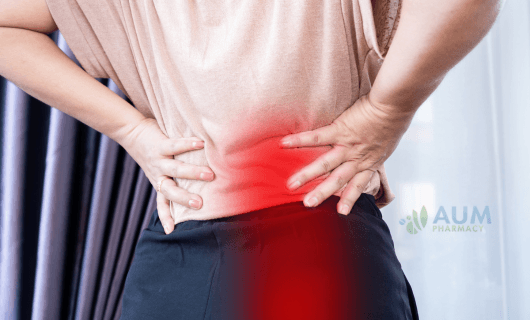
Sciatica
Overview of Sciatica
Sciatica is a significant medical issue caused by pressure on the sciatic nerve—the body's largest nerve, formed by the merging of five spinal nerves from the lower back. The leading cause of sciatica is disc-related, such as herniated discs or bone overgrowths. Less common, non-disc-related triggers include tumors, infections, or vascular compression.
People with sciatica often report sensations like pain, numbness, tingling, stabbing discomfort, and muscle weakness in areas served by the sciatic nerve. These symptoms may worsen with actions like bending, twisting, or coughing. Risk factors include poor posture, prolonged sitting or standing, obesity, and increased height.
Sciatica primarily affects older adults, with women more frequently impacted than men. A severe nerve injury might cause "foot drop," which is the inability to lift the front part of the foot. Other serious complications include loss of bladder or bowel control.
Treatment is tailored based on the severity and root cause. Options range from conservative methods like exercise, medications, physical therapy, and spinal manipulation to more advanced procedures such as acupuncture, epidural injections, and surgery in extreme cases.
Important Facts of Sciatica

Usually seen in
- Adults aged 35 to 55

Gender affected
- More frequent in women, though affects both sexes

Body part(s) involved
- Hips,
- Buttocks,
- Legs

Prevalence
- Prevalence in India (2022): Around 1–5%

Mimicking Conditions
- Lumbosacral disc herniation
- Muscle spasms
- Nerve root compression
- Epidural abscess or hematoma
- Tumors
- Spinal tuberculosis (Pott's disease)
- Piriformis syndrome

Necessary health tests/imaging
- X-ray
- CT scan
- MRI
- Electromyography (EMG)

Treatment
- Anticonvulsants: Gabapentin, Pregabalin
- Tricyclic antidepressants (TCAs): Amitriptyline
- SNRIs: Duloxetine, Venlafaxine
- Opioid analgesics: Tramadol, Morphine sulfate
- Surgical procedures: Microdiscectomy, Laminectomy

Specialists to consult
- Neurologist
- Neurosurgeon
- Orthopedic surgeon
Symptoms Of Sciatica
The sciatic nerve runs from the lower spine through the hips and buttocks and down each leg. Sciatica is characterized by pain following this path, often felt in the lower back, buttock, and along the back of the leg and calf. Key symptoms include:
- Pain on one side of the body
- Lower back discomfort
- Pain radiating toward the feet or toes
- Numbness or burning in the nerve’s pathway
- Increased pain when extending the leg
- Limited hip joint mobility
Triggering Factors Of Sciatica
Sciatica results from any condition affecting the sciatic nerve along its path. Common causes include:
- Disc herniation: The soft interior of a spinal disc pushes through its outer layer, pressing on nearby nerves
- Degenerative disc disease: Age-related disc deterioration, often leading to herniation
- Spinal stenosis: Narrowing of the spinal canal in the lower back
- Isthmic spondylolisthesis: Forward slipping of a vertebra onto the one below, compressing the nerve
- Piriformis syndrome: Tightening or swelling of the piriformis muscle in the gluteal region compresses the sciatic nerve
- Cancerous growths: Spread of bone or soft tissue cancer, tumors like hemangioblastomas, or direct nerve tumors
- Infections: Can cause inflammation or abscesses around the disc
- Vascular compression: Pressure on blood vessels may lead to pseudoaneurysm formation, indirectly affecting the nerve
- Bone overgrowths: Abnormal bone formation that presses on the nerve
- Gynecological conditions: Disorders like endometriosis or uterine fibroids can exert pressure on the sciatic nerve
Types Of Sciatica
Potential Risks for Sciatica
Several factors increase the likelihood of developing sciatica. These include:
- Advancing age: Increases the chance of disc herniation or bone growths
- Family history: Genetic factors may predispose individuals to lumbar disc problems
- Occupational hazards: Jobs involving heavy lifting, twisting, or frequent driving raise the risk
- Poor posture while walking: Misalignment can irritate spinal discs and nerves
- Jogging: May exacerbate symptoms in those with pre-existing lumbar issues
- Tobacco use: Linked to greater risk for lumbar and sciatic pain
- Excess weight: Obesity is associated with a higher risk of spinal problems in both men and women
- Tall stature in older adults: Increased height may elevate risk in aging populations
- Mental stress: Emotional strain can intensify physical symptoms, including nerve pain
Diagnosis Of Sciatica
Sciatica often mirrors other nerve-related pain conditions, making accurate diagnosis essential for effective treatment. The primary diagnostic methods include:
Medical History
A comprehensive evaluation of the patient's history helps identify the exact location and intensity of the pain, presence of muscle weakness or sensory changes, duration of symptoms, and how activities like rest, movement, or coughing influence the condition. It also assesses the impact on daily living.
Patients typically describe pain radiating down one leg, often accompanied by sensations such as tingling, burning, or numbness. They may also be asked to point out the area of pain and whether it extends below the knee.
Physical Examination
Neurological evaluation is a key component of diagnosis. The most commonly used test is the straight leg raise or Lasègue’s sign. The test is considered positive if the leg causes pain when raised at an angle less than 45 degrees.
Note: While patients may report lower back pain, it is usually milder compared to leg pain.
Imaging Tests
These are usually recommended only if there are specific warning signs—such as suspected infections, tumors, cysts, or fractures—that suggest causes other than herniated discs.
- X-ray: Can show bone overgrowths that might compress nerves.
- CT Scan: Used especially when X-rays are inconclusive, to check for fractures or soft tissue irregularities.
- MRI: Advised if symptoms persist for over 6–8 weeks or if there's concern about neurological impairment or mass lesions.
- EMG (Electromyography): A minimally invasive test that assesses nerve-to-muscle electrical activity, helping determine the extent of nerve involvement.
Preventive Measures Of Sciatica
Preventing sciatica is often more effective than treating it. Key preventive strategies include:
Limit Inactivity
Prolonged inactivity can worsen sciatica. Incorporate movement into daily life by:
- Taking stairs over elevators
- Standing up every 30 minutes
- Using a height-adjustable desk
- Doing chair stretches
- Taking frequent short walks
- Incorporating physical therapy and daily exercise
Regular Physical Activity
Exercises like walking, yoga, swimming, and pilates can strengthen back and abdominal muscles, reducing the likelihood of sciatic pain.
Proper Sleeping Posture
Try sleeping flat on your back with slightly bent knees and your heels and hips flat against the bed. Stretch before bed and use a supportive mattress to help prevent discomfort.
Maintain a Healthy Weight
Excess body weight is a major contributor to sciatica. Weight reduction not only helps ease current pain but also lowers the risk of recurrence.
Postural Awareness
Maintain a straight back and aligned shoulders when sitting or standing. Slouching or sitting for extended periods can place undue pressure on spinal discs.
Lift Carefully
Incorrect lifting techniques can injure spinal discs. Always lift with your legs and hips, not your back, to avoid triggering sciatic symptoms.
Avoid Smoking
Smoking negatively impacts spine health. Quitting smoking has been shown to reduce, though not entirely eliminate, the additional risk of developing sciatica.
Specialists to Consult
Since sciatica affects the nerves, the following medical professionals are typically involved in its diagnosis and management:
- Neurologists
- Neurosurgeons
- Orthopedic Surgeons
Neurologists and neurosurgeons focus on disorders of the brain, spine, and peripheral nerves, while orthopedic surgeons specialize in musculoskeletal conditions and injuries.
When to See a Doctor
Seek immediate medical attention if:
- Pain continues beyond a week or becomes more severe
- There is leg weakness or numbness
- Bowel or bladder control is lost
Treatment Of Sciatica
Though not life-threatening, sciatica can significantly affect one’s physical and mental well-being. Treatment options are diverse and depend on symptom severity.
Conservative Management
This approach involves educating patients about the condition and reassuring them that symptoms often improve over time. Staying active and doing stretches or yoga are encouraged to relieve discomfort.
Medication-Based Treatment
For more severe symptoms, medications are used to manage pain and inflammation:
Anticonvulsants
These drugs target nerve-related pain:
- Gabapentin
- Pregabalin
Tricyclic Antidepressants (TCAs)
Widely studied for nerve pain, particularly:
- Amitriptyline
SNRIs (Serotonin-Norepinephrine Reuptake Inhibitors)
Effective for both emotional and nerve-related symptoms:
- Duloxetine
- Venlafaxine
Opioids
Used for short-term pain relief in severe cases:
- Oxycodone
- Tramadol
- Morphine sulfate (MST)
Epidural Steroid Injections
Offer temporary pain relief, helping patients engage more effectively in physical therapy or exercise routines.
Surgical Options
Surgery is usually recommended when conservative methods fail or in emergencies like cauda equina syndrome, a condition caused by compression of spinal nerve roots.
- Microdiscectomy: Minimally invasive surgery to remove part of a herniated disc.
- Laminectomy: Involves removing bone or tissue compressing spinal nerves.
- Epidurioscopy with Adhesiolysis: A procedure that uses endoscopic guidance to deliver medication directly into the epidural space, reducing nerve compression and inflammation. Studies show it can improve nerve function and reduce pain in sciatica patients.
Health Complications Of Sciatica
Untreated or prolonged compression of the sciatic nerve may lead to several complications, including:
- Persistent or worsening nerve pain
- Muscle weakness in the affected limb
- Sensations of burning or tingling
- Impaired bowel or bladder control
- Irreversible nerve injury
Alternative Therapies For Sciatica
Complementary approaches can aid in managing sciatic pain, though it's important to consult a healthcare provider before starting any new treatment. These include:
Physical Therapy
Often central to non-surgical treatment, physiotherapy aims to improve both physical function and emotional well-being, especially in cases linked to disc issues. Treatment typically involves gentle stretching, strengthening exercises, ergonomic education, and pain-relief techniques.
Acupuncture
This traditional practice involves inserting fine needles at specific points on the body to ease pain. Research supports its role as an effective non-pharmacological option for managing sciatica by tailoring treatments to individual needs.
Chiropractic Care
This manual therapy focuses on diagnosing and correcting spinal alignment problems. Chiropractors use hands-on adjustments to relieve nerve pressure, which may help ease sciatic symptoms.
Homemade Remedies for Sciatica
Effective management of sciatica at home involves attention to posture and adopting supportive measures to ease discomfort. Some simple yet helpful remedies include:
Cold and Heat Therapy
Applying ice packs can help reduce inflammation, numb the affected area, and ease acute pain when symptoms flare up. Once the initial sharp pain decreases, switching to heat therapy can further relax tight muscles and promote blood flow.
Back Support
Using a lumbar or hip brace for short periods can offer stability and support to the lower back. These braces help control excessive spinal movement and reduce pressure on the nerve roots.
Incorporate Stretching Exercises
Gentle stretching, particularly focusing on the hamstrings and hips, can help relieve tight or overworked muscles often linked to sciatic pain.
Use of Topical Pain Relievers
Pain-relieving creams, patches, or gels that contain active ingredients can offer quick, localized relief. These substances penetrate the skin to alleviate discomfort. Common components include:
- Methyl salicylate
- Menthol
Lifestyle Modifications Sciatica
Sciatica is a prevalent issue that contributes significantly to missed workdays and healthcare costs. While it can be challenging, many people find ways to manage and live well with the condition. Consider the following lifestyle tips:
- Avoid sitting or standing in one position for over 20 minutes
- Refrain from doing exercises that overly stretch the hamstrings
- Warm up properly before lifting heavy items
- Steer clear of gym machines like rowers that may strain the back
- Limit frequent bending or twisting of the spine
- Resist prolonged bed rest
- Use ergonomic chairs in the workplace
- Avoid twisting motions involving the lower back
- Don’t lift heavy objects unnecessarily
- Limit long drives
- Learn stress-management techniques
Frequently Asked Questions
Subscribe to stay informed
Subscribe to our carefully crafted informative emailers by Medical Experts and be the first to get the latest health news, tips, and important updates.