


Sickle cell anemia
Overview of Sickle cell anemia
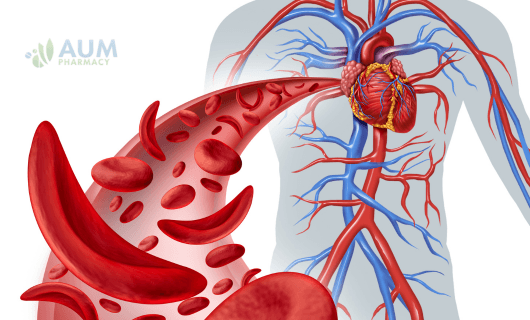
Sickle cell anemia is a rare genetic blood disorder in which the body generates abnormal hemoglobin (HBSS). This faulty form of hemoglobin causes red blood cells (RBCs) to become stiff and crescent-shaped.
These deformed cells tend to block small blood vessels, reducing blood flow to different parts of the body. Common symptoms include yellowing of the skin, dark-colored urine, pale eyes, fatigue, irritability, swelling in the hands and feet, and difficulty breathing.
Currently, bone marrow transplant is the only potential cure. However, medications and blood transfusions are commonly used to manage the symptoms and improve quality of life.
Sickle cell disease affects individuals both physically and emotionally. Regular medical care and routine monitoring are important to prevent complications.
Important Facts of Sickle cell anemia

Usually seen in
- All age groups

Gender affected
- Both males and females

Body part(s) involved
- Red blood cells

Prevalence

Mimicking Conditions
- Thalassemia
- Autoimmune hemolytic anemia
- Paroxysmal nocturnal hemoglobinuria
- Red cell membrane disorders (Hereditary spherocytosis, Hereditary elliptocytosis)
- Enzyme deficiencies (Pyruvate kinase deficiency, G6PD deficiency)
- Drug-induced red cell destruction
- Transfusion reactions
- Microangiopathic hemolytic anemia (e.g., hemolytic uremic syndrome, thrombotic thrombocytopenic purpura)
- Infections such as malaria, rickettsial infections, or clostridial sepsis

Necessary health tests/imaging
- Initial screening: Complete blood count (CBC), Peripheral smear, Sickling test
- Diagnostic confirmation: Hemoglobin electrophoresis, Isoelectric focusing, High-performance liquid chromatography (HPLC), Genetic testing
- Prenatal diagnosis: Chorionic villus sampling (CVS), Amniocentesis

Treatment
- Preventive care: Folic acid supplements, Oral penicillin V, Recommended vaccinations
- Managing acute symptoms: Voxelotor, Crizanlizumab, Hydroxyurea, L-glutamine, and pain relief with Paracetamol, Ibuprofen, or opioids (Hydrocodone, Oxycodone, Morphine, etc.), Blood transfusions
- Treating complications: Adequate hydration, Oxygen support, IV antibiotics, Mechanical ventilation if needed
- Curative approach: Bone marrow transplant

Specialists to consult
- General practitioner
- Pain management expert
- Hematologist
- Urologist
- Pediatrician
- Genetic counselor
Symptoms Of Sickle cell anemia
Newborns typically remain symptom-free for the first 5 to 6 months, as fetal hemoglobin protects red blood cells from sickling. After birth, this protective hemoglobin is replaced, and symptoms gradually emerge.
Signs and severity vary across individuals and may change over time depending on hemoglobin levels and age.
Symptoms in Babies and Young Children
- Pale skin
- High temperature
- Vomiting
- Irritability or fussiness
- Excessive sleeping
- Fast breathing
- Enlarged abdomen
- Swelling and soreness in hands and feet
- Delayed growth
Symptoms in Adults
- Constant tiredness
- Feeling lightheaded
- Headaches
- Cold extremities
- Yellowing of the skin or eyes (jaundice)
- Pale skin and mucous membranes
- Dark-colored urine
- Eye discoloration
- Pain in limbs
- Breathing difficulties
- Irregular heartbeat
Critical Warning Signs
A sudden drop in hemoglobin may result in life-threatening events such as stroke or acute chest syndrome. These emergencies require immediate hospitalization. Key signs include:
- Sudden weakness
- Numbness on one side of the body
- Disorientation
- Trouble speaking, seeing, or walking
Triggering Factors Of Sickle cell anemia
Red blood cells normally have a round shape and contain hemoglobin, made of iron (heme) and protein (globin), which helps transport oxygen throughout the body.
This round structure allows RBCs to move freely through small blood vessels.
What causes sickle cell anemia?
Sickle cell anemia arises due to the production of defective hemoglobin, known as hemoglobin S (HBSS).
This altered hemoglobin distorts red blood cells into a sickle shape, making them rigid and prone to blocking small vessels. These blockages restrict oxygen delivery to tissues.
In addition, these misshapen cells break down prematurely (hemolysis), causing a shortage of red blood cells (anemia) and a variety of health issues.
Main causes:
- Inherited from parents
- Genetic mutation affecting hemoglobin production
Potential Risks for Sickle cell anemia
1. Genetic predisposition
Sickle cell anemia is inherited. If one child in a family is affected, there is a 25% chance that another child may also be born with the condition.
2. Ethnic background
This condition is more prevalent in specific ethnic groups. Approximately 1 in 12 African-Americans are carriers. It is also commonly seen among individuals of Middle Eastern, Indian, Asian, Hispanic-American, and Mediterranean descent.
Diagnosis Of Sickle cell anemia
The identification of sickle cell anemia (SCA) involves the following diagnostic steps:
1. Screening Tests
These initial blood tests assess hemoglobin levels and various blood components:
- Complete Blood Count (CBC): This comprehensive test evaluates all blood components. In SCA, results typically show decreased red blood cell count, hemoglobin levels, and hematocrit (the percentage of blood made up of red blood cells).
- Peripheral Blood Smear: A blood sample is stained and examined under a microscope to analyze cell shapes and structures.
- Sickling Test: Blood is mixed with a specific chemical; a cloudy appearance indicates the presence of abnormal hemoglobin.
Quick Note:
Newborn screening (NBS) is performed at birth to detect both sickle cell disease (SCD) and sickle cell trait (AS), enabling early identification of affected individuals and carriers. Early detection supports timely intervention.
2. Confirmatory Tests
These are used to verify the diagnosis:
- Hemoglobin Electrophoresis: Differentiates types of hemoglobin based on their size and charge.
- Isoelectric Focusing: Identifies abnormal forms of hemoglobin.
- High-Performance Liquid Chromatography (HPLC): Distinguishes various hemoglobin fractions based on their interaction with a solvent.
- Genetic Testing: Analyzes DNA to confirm mutations responsible for sickle cell disease.
3. Prenatal Testing
For women with a family history of SCA, early testing is advised between the 8th and 10th weeks of pregnancy using:
- Chorionic Villus Sampling (CVS): A small tissue sample is taken from the placenta for genetic analysis.
- Amniocentesis: Examines the amniotic fluid surrounding the fetus for genetic abnormalities.
Preventive Measures Of Sickle cell anemia
Since SCA is a hereditary disorder, it cannot be prevented in individuals already born with it.
To reduce the number of new cases, particularly in high-risk areas, the following strategies are promoted:
- Community education and pre-marital or pre-conception counseling
- Establishing genetic counseling and screening facilities in regions with high prevalence
When to See a Specialist
Children with a family history of sickle cell disease should be screened. Anyone experiencing the following symptoms should seek medical attention, regardless of family history:
- Fever above 101°F
- Breathing difficulties
- Chest or abdominal pain
- Severe headaches
- Sudden muscle weakness or numbness
- Seizures
- Painful erections lasting over four hours
Recommended Consultation Schedule:
- Newborns: Every 2–3 months until the age of one
- Ages 1–2: At least once every three months
- From age 2 onward: At least annually
- Adults: Every 2–3 months
Specialists Involved:
- General Physician: Provides initial diagnosis and treatment
- Pain Specialist: Manages chronic pain episodes
- Hematologist: Expert in blood-related conditions
- Urologist: Helps with issues like prolonged erections
- Pediatrician: Focuses on diagnosing and treating children
- Geneticist: Assists with managing and understanding genetic disorders
Treatment Of Sickle cell anemia
Effective management of SCA requires a comprehensive, long-term approach that emphasizes education, early detection, and informed reproductive choices.
Goals of Treatment:
- Enhance the quality and length of life
- Reduce the frequency and severity of complications
- Provide timely care for acute episodes
- Encourage a healthy lifestyle to prevent further crises
A. Preventive and Prophylactic Measures
These strategies help avoid common complications:
- Folic Acid Supplements: Support red blood cell production
- Oral Penicillin V: Given to children under five to lower the risk of pneumococcal infections
- Vaccinations: Protect against infections that can lead to severe complications
B. Managing Severe Symptoms
1. Medications:
- Voxelotor: Prevents RBCs from sickling, reducing anemia and vascular blockages
- Crizanlizumab: Stops blood cells from sticking to vessel walls, reducing pain and inflammation
- Hydroxyurea: Lowers the frequency of painful episodes and reduces the need for transfusions
- L-glutamine: Helps prevent pain due to restricted blood flow
- Paracetamol/Ibuprofen: Used for mild to moderate pain
- Opioids (Hydrocodone, Oxycodone, Morphine, Hydromorphone): For stronger pain relief
- Intravenous/Subcutaneous Morphine or Hydromorphone: Used when oral medications are ineffective
- Fentanyl (intranasal or IV): For severe pain unresponsive to other medications
- Penicillin: Prevents bloodstream infections
2. Blood Transfusions:
Given through an IV line to manage:
- Acute complications like strokes, chest syndrome, or organ failure
- Pre-surgical preparation to minimize risks
C. Managing Complications
SCA can result in emergencies such as stroke or acute chest syndrome, which require immediate intensive care:
- Fluid administration
- Oxygen support
- Blood transfusions
- IV antibiotics
- Mechanical ventilation if necessary
D. Bone Marrow Transplant
This is currently the only known cure for sickle cell disease but is limited by:
- High treatment costs
- Difficulty finding suitable donors
- Risk of post-transplant infections
This option is generally considered for children with serious complications such as repeated pain episodes, strokes, or chest crises.
Health Complications Of Sickle cell anemia
Sickle cell anemia is a long-term condition that may give rise to various complications over time.
1. Systemic Complications
These may affect the entire body and include:
- Pain episodes (crises): Sharp or throbbing pain caused by blocked blood flow
- Nutrient deficiencies: Especially of vitamin D, omega-3 fatty acids, vitamin C, and zinc
- Delayed physical development and puberty
- Frequent infections
- Avascular necrosis: Damage to bones like hips, shoulders, knees, and ankles, often causing mobility issues and joint pain
- High blood pressure
Note: Pregnant individuals with SCA are more prone to complications such as high blood pressure and clot formation, which can result in miscarriage, preterm labor, or low birth weight.
2. Organ-Specific Complications
These complications affect specific parts of the body:
- Acute chest syndrome: A life-threatening condition marked by chest pain and breathing difficulty due to reduced oxygen in the lungs
- Sickle cell retinopathy: Damage to the blood vessels in the eyes that may lead to vision problems
- Gallstones
- Heart disorders
- Leg ulcers
- Kidney dysfunction: Can result in incontinence or kidney failure
- Sickle cell intrahepatic cholestasis: A severe liver complication caused by trapped sickled cells
- Priapism: Prolonged, painful erections
- Stroke
3. Complications Due to Severe Anemia
In extreme cases of anemia, the following may occur:
- Aplastic crisis: Sudden halt in red blood cell production by the bone marrow
- Splenic sequestration crisis: A rapid drop in hemoglobin caused by red blood cells getting trapped in the spleen
Note: These two conditions are more frequently observed in infants and young children with sickle cell anemia.
Alternative Therapies For Sickle cell anemia
While SCA is a serious and potentially life-threatening illness, certain complementary therapies can be used alongside medical treatment. These alternatives are not replacements for conventional care.
1. Heat Therapy
Using heat has shown benefits in reducing pain episodes, anxiety, and depressive symptoms, and may improve general well-being. However, more research is required to establish its effectiveness.
2. Acupuncture
An ancient healing method from East Asia, acupuncture involves inserting thin needles at specific body points to help ease pain.
3. Yoga
The combination of physical postures, focused breathing, and meditation in yoga may help reduce the intensity of both acute and chronic pain associated with SCA.
4. Behavioral Therapy
This approach helps manage the emotional aspects of pain. It includes:
- Cognitive Behavioral Therapy (CBT): Focuses on reshaping negative thoughts and behaviors related to pain by recognizing their triggers
- Mindfulness practices: Techniques like meditation increase awareness and help in coping with persistent pain
Homemade Remedies for Sickle cell anemia
To help the body recover from the loss of red blood cells, maintaining a proper diet is essential. The following nutritional guidelines are recommended:
1. Include Foods Rich in Folic Acid and Iron
Folic acid and iron are vital for producing red blood cells. Incorporate foods high in these nutrients to help replenish blood loss. These include:
- Leafy greens like spinach
- Fresh fruits
- Legumes such as dried beans and peas
- Peanuts
- Avocados
- Broccoli
- Papaya
2. Increase Vitamin C Intake
Vitamin C plays a crucial role in enhancing iron absorption and supports wound healing. Adding foods such as guava, strawberries, papaya, kiwi, spinach, carrots, and bell peppers can aid in faster recovery and better immunity.
3. Choose Healthier Fats
Diets rich in trans and saturated fats can harm blood vessels and heart health. To reduce overall fat intake:
- Opt for low-fat dairy like skim milk and reduced-fat cheese
- Cook by baking, boiling, or grilling instead of frying
- Use plant-based oils instead of animal fats or butter
Lifestyle Modifications Sickle cell anemia
Sickle cell disease affects individuals on both physical and emotional levels. Most people with this condition can still enjoy many everyday activities. The lifestyle practices below can help prevent complications and enhance overall well-being:
1. Stay Up-to-Date with Vaccinations
Vaccinations are essential in guarding against infections linked to sickle cell anemia. Ensure routine immunizations are completed, especially for diseases like pneumonia and meningococcal infections.
2. Minimize Exposure to Triggers
Sudden shifts in temperature and air pressure can prompt sickle cell symptoms. To avoid these, try:
- Entering the water slowly while swimming
- Steering clear of high-altitude locations
Also, reduce exposure to other common triggers such as:
- Intense physical exertion
- Alcohol consumption
- Tobacco use
3. Practice Good Hand Hygiene
Keeping your hands clean helps reduce the risk of infections. Make it a habit to wash your hands after:
- Using the restroom
- Sneezing, coughing, or blowing your nose
- Shaking hands with others
- Handling diapers
- Contact with animals or their waste
4. Follow Food Safety Guidelines
Prevent foodborne illnesses by taking these precautions:
- Wash hands, surfaces, and utensils after handling raw food
- Rinse fruits and vegetables thoroughly
- Cook food completely
- Avoid raw or unpasteurized milk
- Drink bottled water when traveling
- Skip buffets, raw produce, and ice in drinks
5. Be Careful with Over-the-Counter Pain Relievers
Chronic pain may lead people to self-medicate frequently. However, it’s best to consult a healthcare professional before using OTC painkillers, as prolonged use may harm the kidneys and liver.
6. Schedule Routine Health Evaluations
Regular checkups help track disease progression and detect complications early. Monitoring for infections, especially from repeated blood transfusions, is also critical.
7. Monitor Blood Pressure
Sickle cell anemia can increase the likelihood of hypertension, raising the risk of stroke. Using a home device to track blood pressure is recommended.
8. Engage in Physical Activity
Being physically active helps increase red blood cell count and regulate blood pressure. Always speak to a healthcare provider before beginning any new exercise routine.
9. Eat Heart-Healthy Foods
Opt for a balanced diet rich in fruits, vegetables, and whole grains. Limit intake of saturated fats, added sugars, salt, and alcohol to support heart health.
10. Stay Well Hydrated
Adequate fluid intake can help prevent blood vessel blockages, strokes, and infections. Aim to drink 8 to 10 glasses of water daily.
Improving Quality of Life
Frequent pain and medical appointments can interfere with work and emotional well-being. The stress of potential complications can also take a toll. These steps may help improve overall life satisfaction:
- Talk openly with loved ones about how you feel
- Set aside time for enjoyable activities
- Seek counseling if needed
- Consult a doctor if you’re experiencing depression or anxiety
- Join support groups or organizations for resources and community
Guidance for Pregnant Women
Pregnancy with sickle cell anemia may carry risks such as early labor or delivering a low birth weight baby. The following tips may help:
- Choose a healthcare team experienced in managing high-risk pregnancies
- Stay in regular contact with them throughout your pregnancy
- Drink plenty of water
- Follow prescribed vitamin supplementation
- Blood transfusions may be recommended during pregnancy in some cases
Tips for Caring for Children with Sickle Cell Anemia
Extra care is essential to protect children with the disease from infections and complications. Consider the following:
- Educate yourself on the condition, its symptoms, and basic first aid
- Learn how to check your child’s spleen during an emergency
- Offer frequent bathroom breaks
- Dress your child warmly in cold weather
- Be alert for warning signs like trouble breathing or stroke symptoms
- Treat injuries promptly by applying pressure, using bandages, or elevating the limb
Frequently Asked Questions
Subscribe to stay informed
Subscribe to our carefully crafted informative emailers by Medical Experts and be the first to get the latest health news, tips, and important updates.