


Sleep apnea
Overview of Sleep apnea
Sleep apnea is a widespread sleep disorder in which breathing repeatedly stops and starts during sleep, often resulting in loud snoring or choking sounds as the person attempts to breathe.
This condition primarily arises when the muscles in the throat relax excessively during sleep, temporarily blocking the airway.
It can significantly reduce sleep quality, leading to symptoms such as excessive daytime drowsiness, trouble focusing, and mood disturbances like irritability. Other common signs include waking up with a dry mouth or headache, loud snoring, and sudden gasping during sleep.
Sleep apnea can occur at any age, even in children, but it is more frequently observed in older adults and those in middle age. Risk factors include being overweight, having nasal congestion, or possessing an excess of tissue in the throat area.
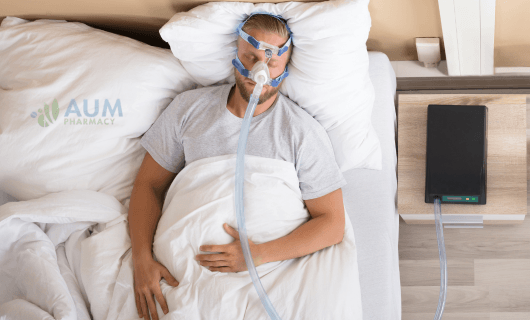
Treatment typically involves continuous positive airway pressure (CPAP) therapy, oral devices, and lifestyle adjustments like weight loss and avoiding alcohol and tobacco.
Important Facts of Sleep apnea

Usually seen in
- Children aged 2–6 years
- Adults aged 30–69 years

Gender affected
- Affects both sexes, but more often found in males.

Body part(s) involved
- Soft palate
- Uvula
- Tonsils
- Tongue

Prevalence
Global prevalence (2022):
- Approximately 1 billion people

Mimicking Conditions
- Asthma
- Central sleep apnea
- COPD
- Depression
- GERD
- Hypothyroidism
- Narcolepsy
- Periodic limb movement disorder

Necessary health tests/imaging
- Sleep studies: Polysomnography, at-home sleep tests
- Blood work: HbA1c, CRP, thyroid function, EPO levels
- Pelvic ultrasound (in select cases)

Treatment
- Breathing aids: BiPAP, APAP, EPAP, ASV
- Oral appliances: Mandibular advancement and tongue retaining devices
- Surgical options: UPPP, MMA, adenotonsillectomy
- Advanced therapy: Hypoglossal Nerve Stimulation (HNS)

Specialists to consult
- General physician
- Sleep medicine specialist
- Cardiologist
- ENT specialist
- Pulmonologist
- Neurologist
- Dietitian
Symptoms Of Sleep apnea
Sleep apnea affects both nighttime and daytime well-being. The following signs may indicate the disorder:
1. Nighttime symptoms:
- Heavy snoring
- Restlessness during sleep
- Frequent nighttime urination
- Sleeping with the mouth open
2. Daytime symptoms:
- Morning dry mouth or sore throat
- Persistent fatigue
- Difficulty with memory or focus
- Reduced libido or erectile dysfunction
- Morning headaches
- Feeling unrested upon waking
3. Symptoms in children:
- Mouth breathing while asleep
- Choking or coughing fits
- Night sweats
- Sleepwalking or night terrors
- Talking during sleep
- Bedwetting
- Odd sleeping positions or restlessness
- Daytime fatigue or behavioral and learning difficulties
Triggering Factors Of Sleep apnea
In obstructive sleep apnea, the airway at the back of the throat collapses or becomes narrowed during sleep due to muscle relaxation. This obstruction restricts airflow and causes temporary breathing cessation.
These episodes of interrupted breathing may last from a few seconds to a minute or more, often accompanied by snoring, gasping, or choking. The resulting drop in oxygen prompts brief awakenings that disturb sleep continuity and prevent the person from achieving deep, restorative sleep.
Types Of Sleep apnea
Sleep apnea is categorized based on the origin of breathing interruptions:
1. Obstructive Sleep Apnea (OSA):
The most prevalent form, OSA occurs when airflow is blocked during sleep. This obstruction may be due to the tongue, uvula, tonsils, or relaxed throat muscles collapsing into the airway.
2. Central Sleep Apnea (CSA):
Less common than OSA, CSA results from improper signaling between the brain and the respiratory muscles, leading to a temporary halt in breathing without a physical blockage.
Potential Risks for Sleep apnea
A variety of modifiable and non-modifiable risk factors can lead to the development of obstructive sleep apnea (OSA). These include:
A. Non-modifiable Risk Factors
- Excess throat tissue: Individuals with sleep apnea often have an abundance of tissue in the throat, which can narrow the airway during sleep. Contributing factors include obesity, enlarged tonsils, or a thick neck.
- Anatomical issues: Structural concerns like a deviated nasal septum, enlarged tonsils, a small jaw, or an oversized tongue may increase the chances of airway obstruction during sleep.
- Advancing age: OSA becomes increasingly common as people get older, especially beyond the age of 60.
- Sex: Males are more likely to develop sleep apnea than females, particularly in early adulthood. Roughly 13% of men and 6% of women are affected, although the risk rises for women after menopause.
- Genetic predisposition: A family history of sleep apnea raises the probability of experiencing the condition.
- Associated health conditions: Medical disorders like high blood pressure, diabetes, heart failure, and hormonal imbalances such as PCOS are linked with a higher risk of OSA.
- Acromegaly: A hormonal disorder that causes excess growth hormone production. Individuals with this condition may develop OSA due to an enlarged tongue (macroglossia) and potential disruption of respiratory control, which could lead to central sleep apnea.
B. Modifiable Risk Factors
- Excess weight: Being overweight is one of the leading contributors to OSA, as fat deposits around the upper airway can cause it to narrow and collapse during sleep.
- Alcohol and sedatives: These substances cause throat muscles to relax, making airway collapse more likely during sleep.
- Nasal blockages: Ongoing nasal congestion can increase the risk of OSA by obstructing airflow through the nose.
- Use of muscle relaxants (e.g., opioids): Prolonged use of opioid medications can interfere with the brain’s regulation of breathing, increasing the risk of sleep apnea.
- Hormonal changes: Low thyroid hormones and elevated levels of insulin or growth hormone can raise the likelihood of sleep apnea.
- Tobacco use: Smoking can lead to swelling and fluid buildup in the upper airway, which can block airflow and worsen OSA symptoms.
Diagnosis Of Sleep apnea
Diagnosing obstructive sleep apnea typically involves the following steps:
1. Physical exam and health history
Your doctor may conduct a physical assessment to identify risk factors such as obesity, enlarged tonsils, or any structural irregularities. Additionally, a discussion of your symptoms, sleep behaviors, and any related medical conditions will be part of the evaluation.
2. Sleep studies
Sleep studies are critical in confirming the presence of OSA or central sleep apnea. These include:
- Polysomnography (PSG): This comprehensive test uses multiple sensors attached to the body to track brain waves, eye movement, muscle activity, heart function, and oxygen levels during sleep, allowing for an in-depth analysis of sleep and breathing patterns.
- At-home sleep test: This simplified test records breathing, oxygen saturation, heart rate, and airflow. A healthcare provider reviews the results to confirm the diagnosis.
The severity of OSA is classified using the apnea-hypopnea index (AHI), which counts the number of apnea and hypopnea episodes per hour of sleep.
- Apnea: A complete cessation of airflow lasting at least 10 seconds.
- Hypopnea: A period of shallow breathing lasting at least 10 seconds that reduces oxygen levels in the blood.
3. Blood work
Blood tests may be conducted to rule out hormonal imbalances that could contribute to sleep apnea. These may include:
- HbA1c: Measures average blood glucose levels over the past 2–3 months to check for diabetes, which is often linked to OSA.
- Thyroid panel: Assesses levels of thyroid hormones to determine if thyroid dysfunction is contributing to sleep disturbances.
- EPO (Erythropoietin) levels: Used to examine oxygen levels and detect any causes of long-term oxygen deficiency, which may be related to OSA.
4. Pelvic ultrasound
This test helps in evaluating ovarian function and identifying cysts to rule out PCOS, a known contributor to sleep apnea in women.
Preventive Measures Of Sleep apnea
Although not all risk factors are avoidable, there are several steps you can take to prevent or reduce the chances of developing sleep apnea:
Achieve and maintain a healthy weight
- Obesity is a major risk factor for OSA. Staying active and eating a balanced diet can help maintain optimal weight.
Limit alcohol and sedative intake
- These substances can overly relax throat muscles and worsen sleep apnea. Avoid consuming them, especially close to bedtime.
Quit smoking
- Smoking leads to inflammation and swelling in the airway, which can obstruct breathing during sleep.
Treat nasal congestion
- Managing allergies or chronic nasal blockages through medications, nasal sprays, or dilators can enhance airflow and reduce OSA risk.
Control chronic health issues
- Conditions like high blood pressure, diabetes, or thyroid disorders can increase OSA risk. Work closely with your healthcare provider to manage these conditions effectively.
Reduce allergen exposure
- Minimizing contact with allergens such as dust, mold, and pollen can help reduce airway inflammation and alleviate sleep apnea symptoms.
Doctors to Consult
If you are experiencing signs of sleep apnea, the following healthcare professionals can help:
- General Physician: Provides initial assessment, orders diagnostic tests, and coordinates overall care.
- Sleep Specialist: Expert in diagnosing and managing sleep-related conditions, including OSA.
- Cardiologist: Evaluates and manages the cardiovascular complications related to sleep apnea.
- ENT Specialist (Otolaryngologist): Treats structural airway issues in the nose and throat.
- Pulmonologist: Specializes in respiratory system disorders and provides guidance on managing breathing irregularities during sleep.
- Neurologist: Handles neurological aspects of sleep disorders, particularly in complex or central sleep apnea cases.
- Dietitian: Offers nutritional guidance for weight management, a key component in managing OSA.
When to Seek Medical Advice
You should consult a healthcare professional if you experience any of the following:
- Persistent loud snoring
- Constant tiredness or sleepiness during the day
- Morning headaches or sore throat without a clear reason
- Difficulty initiating or maintaining sleep
- Observed episodes of breathing interruption during sleep
- Waking up gasping, choking, or short of breath
Treatment Of Sleep apnea
The management of obstructive sleep apnea (OSA) is based on how severe the condition is. Below are commonly used treatment strategies:
1. Breathing Support Devices
Positive airway pressure (PAP) therapy is a common and effective treatment that uses a machine to deliver a continuous flow of air into the airway to prevent it from collapsing during sleep.
The most well-known type is the Continuous Positive Airway Pressure (CPAP) device. It involves wearing a face or nasal mask during sleep, which is connected to a machine that supplies constant air pressure to keep the airway unobstructed.
Other variations of PAP devices include:
- Bi-level Positive Airway Pressure (BiPAP): Delivers higher pressure when you inhale and lower pressure when you exhale. It is often used for individuals who struggle with CPAP.
- Auto-adjusting Positive Airway Pressure (APAP): This device automatically adjusts the air pressure levels in response to your breathing patterns throughout the night.
- Nasal Expiratory Positive Airway Pressure (EPAP): Small disposable devices are placed over the nostrils before sleeping. They use your own exhaled breath to create pressure that keeps the airway open.
- Adaptive Servo-Ventilation (ASV): Designed primarily for central sleep apnea, this device adjusts pressure in real time to meet the user’s respiratory needs.
2. Oral Appliances
These are specially designed mouthpieces worn during sleep that help keep the airway open. Common types include:
- Mandibular Advancement Devices: These reposition the lower jaw and tongue to prevent airway obstruction.
- Tongue Retaining Devices: These hold the tongue in a forward position to avoid blocking the airway.
3. Surgical Options
Surgery may be recommended if other treatment methods are unsuccessful or if structural issues are contributing to OSA. Surgical procedures include:
- Uvulopalatopharyngoplasty (UPPP): Involves removing the uvula and excess throat tissue to widen the airway.
- Maxillomandibular Advancement (MMA): The upper and lower jaws are repositioned to enlarge the airway space.
- Adenotonsillectomy: Surgical removal of the adenoids and tonsils, often performed in children.
- Tracheostomy: A last-resort procedure for severe cases where other treatments fail. It involves creating an opening in the neck and inserting a tube to bypass the blocked upper airway.
4. Hypoglossal Nerve Stimulation (HNS)
This involves a surgically implanted device that stimulates the hypoglossal nerve, which controls tongue movement. When activated, it helps keep the airway open during sleep by preventing the tongue from collapsing backward.
Health Complications Of Sleep apnea
If left untreated, sleep apnea can lead to a number of serious health issues, including:
- Hypertension: Recurrent breathing interruptions can cause elevated blood pressure, increasing cardiovascular risk.
- Heart Disease: OSA raises the risk of conditions like coronary artery disease, irregular heartbeats, heart failure, and can contribute to stroke due to reduced oxygen reaching the brain.
- Type 2 Diabetes: Sleep apnea is associated with insulin resistance, making the development of type 2 diabetes more likely.
- Mental Health Issues: Disrupted sleep can lead to depression, anxiety, and difficulty managing emotions.
- Weight Gain: Obesity is both a risk factor and a consequence of sleep apnea, as disrupted sleep can affect metabolism and increase appetite.
- Pregnancy Complications: OSA during pregnancy can result in issues such as gestational diabetes, elevated blood pressure (preeclampsia), and premature delivery.
- Fatigue and Poor Focus: Frequent awakenings during the night can result in daytime drowsiness and reduced ability to concentrate.
- Accident Risk: Excessive tiredness increases the likelihood of motor vehicle accidents and errors in daily activities, particularly for individuals with untreated OSA or central sleep apnea.
Alternative Therapies For Sleep apnea
Complementary and alternative methods can support conventional treatments for snoring and sleep apnea. It’s essential to consult your doctor before starting any of these options. Some of the commonly explored alternatives include:
Positional Therapy
- This method involves training individuals to change their sleep posture. Sleeping on your back can lead to the tongue and soft tissues obstructing the airway, so side-sleeping is encouraged.
Orofacial Therapy
- Research suggests that orofacial therapy—exercises targeting the facial and mouth muscles—can be beneficial for both children and adults with sleep apnea. These exercises help improve tongue positioning and strengthen the muscles of the lips, face, and upper airway.
Acupuncture
- A traditional practice that uses fine needles inserted into specific points on the body. It may promote relaxation, reduce snoring, and, according to some studies, improve sleep quality in certain individuals.
Yoga and Breathing Practices
- Yoga, when combined with focused breathing exercises like pranayama, may help enhance respiratory muscle tone and support relaxation. These practices can benefit individuals dealing with mild forms of sleep apnea or chronic snoring.
Homemade Remedies for Sleep apnea
Several natural remedies and lifestyle changes can help alleviate mild sleep apnea symptoms:
- Chamomile: Contains compounds that relax the muscles and nerves, promoting restful sleep.
- Usage: Steep two tablespoons of chamomile in hot water for five minutes to make a soothing tea.
- Lavender: Known for its calming and anxiety-relieving effects, which can help improve sleep quality.
- Usage: Diffuse essential oil in your room or place a cloth with a few drops near your pillow.
- Honey: Offers anti-inflammatory benefits that may help reduce swelling in the airway.
- Usage: Consume one teaspoon of honey before bed.
Additional Self-care Tips:
- Inhale steam to relieve nasal congestion
- Maintain a consistent sleep routine
- Engage in regular physical activity
- Follow a nutritious, low-inflammatory diet
- Include fiber-rich foods in your meals
- Adjust your sleeping position—try sleeping on your side
- Elevate your head while resting
Lifestyle Modifications Sleep apnea
Obstructive sleep apnea (OSA) can influence many aspects of daily life. Adopting effective management strategies can help improve your health and well-being. Here are some helpful steps:
Keep in Contact with Your Doctor:
Maintain regular appointments with your healthcare provider or sleep specialist, and share any ongoing symptoms or concerns so your treatment can be adjusted as needed.
Maintain Treatment Equipment:
Clean and care for your CPAP machine or oral device regularly to ensure it works efficiently and minimizes potential side effects.
Be Mindful of Drowsiness:
If you're experiencing daytime fatigue, avoid high-risk tasks such as driving or operating machinery to stay safe.
Adjust Your Sleeping Posture:
- Raise the head of your bed by four to six inches
- Use a wedge to lift your upper body
- Try a cervical pillow for added neck support
Use a Humidifier:
Moist air can ease breathing by reducing dryness and irritation in the airways. Using a humidifier may relieve congestion and promote better sleep.
Sleep Apnea in Children
Pediatric obstructive sleep apnea (OSA) affects between 1% to 5% of children and can lead to serious health concerns like cardiovascular issues, developmental delays, behavioral challenges, and hyperactivity.
Guidance for Parents:
- Schedule a visit with a pediatrician or sleep specialist for proper diagnosis and care
- Stick to the treatment plan as advised
- Encourage regular sleep routines and create a peaceful sleeping space
- Monitor any changes in symptoms, whether improving or worsening
- Promote a healthy lifestyle with good nutrition and daily physical activity
- Make sure caregivers and family members understand the condition
- Offer reassurance and emotional support to your child throughout the treatment
Frequently Asked Questions
Subscribe to stay informed
Subscribe to our carefully crafted informative emailers by Medical Experts and be the first to get the latest health news, tips, and important updates.