


Sleepwalking
Overview of Sleepwalking
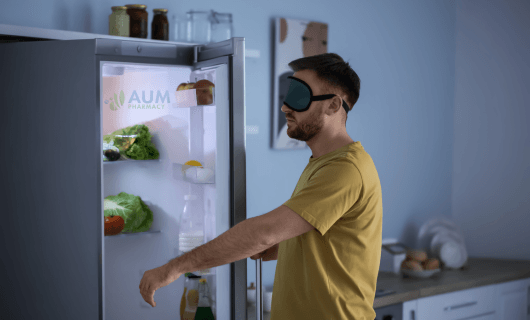
Sleepwalking, medically referred to as somnambulism, is a sleep disorder commonly seen in children and is marked by unusual behaviors performed during deep sleep. These behaviors can include walking, talking, eating, dressing, urinating, screaming, or even exiting the house—all while still asleep.
Episodes typically last only a few minutes, and the individual usually has no memory of the event after waking. Factors that may contribute to sleepwalking include sleep deprivation, emotional stress, frequent nighttime awakenings, and a family history of the disorder.
The condition can sometimes result in serious injuries, such as falls, contact with sharp objects, or attempts to drive. When episodes become frequent or more severe, medical evaluation and treatment may be necessary.
Preventive measures like removing sharp items from the sleeping area, securing doors and windows, and using alarms on beds or doors can help reduce the risk of injury.
Important Facts of Sleepwalking

Usually seen in
- Children aged 5 to 12 years

Gender affected
- Both males and females

Body part(s) involved

Prevalence

Mimicking Conditions
- Other sleep disorders
- Teeth grinding (bruxism)
- Bedwetting
- Sleep apnea in infants
- Periodic limb movement disorder
- Rhythmic movement disorder
- Sleep talking

Necessary health tests/imaging
- Review of medical history
- Physical examination
- Keeping a detailed sleep log
- Electroencephalography (EEG)
- Polysomnography

Treatment
- Reassurance
- Medication (e.g., Clonazepam, Gabapentin, Estazolam, Trazodone, Melatonin)
- Anticipatory waking (waking the person before a typical episode)

Specialists to consult
- General physician
- Neurologist
- Psychiatrist
- Pediatrician
- Sleep specialist
- Behavioral therapist
Symptoms Of Sleepwalking
Classified as a parasomnia, sleepwalking refers to unintended physical behaviors during sleep. Despite its name, the condition can involve much more than just walking while asleep. Common symptoms include:
- Sitting up with open eyes and a blank or dazed expression
- Performing habitual tasks like brushing teeth or getting dressed
- Appearing confused or disoriented
- Difficulty waking up during an episode
- Abruptly returning to bed
- Talking, shouting, or running
- Experiencing sleep terrors
- Eating or urinating in inappropriate places
- Engaging in sexual activities (sexsomnia)
- Responding to imagined threats by trying to flee
Episodes are generally short, ranging from a few seconds to 30 minutes. One of the key characteristics of sleepwalking is the lack of recollection of the event upon awakening.
In rare cases, individuals may engage in potentially dangerous behaviors, such as:
- Attempting to drive a vehicle
- Climbing out of windows
- Leaving the home
- Exhibiting aggressive behavior when disturbed
Triggering Factors Of Sleepwalking
Human sleep consists of different stages, each characterized by distinct brain activity, muscle tone, and eye movement.
Non-Rapid Eye Movement (NREM) Sleep:
This type of sleep progresses through three stages:
- N1 (light sleep) – about 5% of total sleep time
- N2 (moderate sleep) – roughly 25%
- N3 (deep sleep) – approximately 45%
Sleepwalking generally occurs during the N3 stage. Other conditions like night terrors and bedwetting also take place during this phase.
Rapid Eye Movement (REM) Sleep:
REM sleep begins around 90 minutes after falling asleep and is associated with dreaming. It accounts for around 25% of total sleep and is marked by irregular muscle and eye movements.
Possible Triggers for Sleepwalking:
The brain orchestrates all sleep stages, and several theories suggest possible causes of sleepwalking:
- Reduced cerebral blood flow may disrupt the sleep pattern, potentially triggering episodes
- Immature or imbalanced regulation of the sleep-wake cycle during development
What occurs in the N3 stage to trigger episodes?
During N3, brain activity slows down significantly. This stage involves two cycles. In individuals who sleepwalk, the shift from NREM sleep to wakefulness is abnormal. This transition is difficult to interrupt and is characterized by disorientation, mental confusion, and reduced awareness—all hallmarks of sleepwalking.
Interesting Fact:
Men are more prone to nighttime awakenings as they spend a greater proportion of time in the N1 stage. Women, in contrast, have more difficulty falling asleep but experience longer periods of slow-wave (deep) sleep compared to men.
Potential Risks for Sleepwalking
Sleepwalking generally takes place during deep stages of sleep. Any element that encourages physical movement while the brain remains in a sleep state can act as a trigger. The primary risk factors include:
Age
Young children, particularly those who have just learned to walk, are at a higher risk of developing sleepwalking.
Genetic Predisposition
A family history of sleepwalking increases the chances of experiencing it. Research suggests that individuals with a close relative who sleepwalks are about ten times more likely to develop the same behavior. Identical twins are also at a greater risk compared to fraternal twins.
Lack of Sleep
Sleep deprivation can raise the likelihood of sleepwalking because it leads to longer periods of deep sleep.
Irregular Sleep Patterns
People who frequently alter their sleep schedule—such as shift workers, frequent travelers across time zones, or those experiencing recurring night awakenings—are more vulnerable to sleepwalking.
Certain Medications
Some drugs can contribute to sleepwalking due to their sedative effects. These include:
- Antibiotics (e.g., levofloxacin, ciprofloxacin)
- Anticonvulsants (e.g., valproic acid, topiramate)
- Antidepressants (e.g., bupropion, paroxetine, amitriptyline)
- Sedatives (e.g., zolpidem)
- Antipsychotics (e.g., lithium, reboxetine)
- SSRIs (e.g., fluoxetine)
- Quinine
Alcohol Consumption
Drinking alcohol has been associated with a greater occurrence of sleepwalking episodes.
Underlying Medical Conditions
Health issues that affect sleep or brain function can also increase sleepwalking risk. These include:
- Fever
- Obstructive sleep apnea
- Restless leg syndrome
- Hyperthyroidism
- Migraine headaches
- Head trauma
- Brain inflammation (encephalitis)
- Irregular heartbeat
- Chronic paroxysmal hemicrania
- Stroke
- Gastrointestinal discomfort or bloating
- Acid reflux (GERD)
- Nocturnal asthma
- Low magnesium levels
Stress
Stressful life events or emotional strain can alter sleep patterns, increasing the chances of sleepwalking.
Note: Hormonal changes during pregnancy and menstruation can also heighten the frequency of sleepwalking episodes.
Diagnosis Of Sleepwalking
There are no specialized diagnostic tests designed exclusively for sleepwalking, but the following steps are typically involved in identifying the condition:
Medical History
A detailed medical history is collected to help pinpoint possible contributing factors such as:
- Presence of other sleep disorders
- Ongoing medical issues
- Use of medications
- Mental health conditions
- Substance use
Physical Examination
A physical checkup may be conducted to rule out other disorders with similar symptoms, like nocturnal seizures, panic attacks, or other parasomnias. The doctor also looks for any signs of injury that may have occurred during an episode.
- Sleep Diary
- Patients are usually asked to keep a sleep diary for about two weeks. This record helps track sleeping habits and how they impact daily functioning.
Information recorded in a sleep diary typically includes:
- Time of going to bed and waking up
- Time taken to fall asleep
- Number and duration of night awakenings
- Frequency and length of daytime naps
- Quality of sleep as perceived by the individual
- Consumption of caffeine, alcohol, and tobacco
- Daily medications
- Physical activity or exercise patterns
Electroencephalography (EEG)
EEG is used to monitor brain activity through electrodes attached to the scalp. Since brain function is closely linked to sleep, analyzing brain wave patterns can offer insight into the causes of sleepwalking.
Polysomnography (Sleep Study)
This comprehensive sleep test monitors various functions during sleep, including brain activity, breathing, heart rate, and physical movements. Although not commonly used for basic diagnosis, polysomnography may be recommended in complex or unclear cases.
Preventive Measures Of Sleepwalking
Reducing the chances of sleepwalking involves improving overall sleep quality. The following practices can help:
- Stick to a consistent sleep-wake schedule, including weekends.
- Expose yourself to natural sunlight for 15–30 minutes in the morning to help regulate the body clock.
- Stay physically active throughout the day to promote restful sleep.
- Limit napping during the day.
- Avoid heavy meals and drinks close to bedtime.
- Turn off screens like TVs and computers at least two hours before sleeping to prevent light disruption to the sleep cycle.
- Avoid using smartphones or tablets in bed, as blue light from these devices interferes with melatonin production.
- Refrain from consuming caffeine, nicotine, or alcohol in the evening.
- Develop a calming bedtime routine—such as taking a warm bath, reading, or listening to soft music.
- Sleep in total darkness to encourage melatonin release, removing nightlights or external light sources.
When to Consult a Specialist
Sleepwalking in children is fairly common and often doesn't need treatment. However, parents should monitor their children closely to minimize the risk of injury.
Medical advice should be sought if sleepwalking:
- Persists over an extended period
- Happens frequently
- Occurs alongside other symptoms
- Involves dangerous behaviors like driving
Specialists who may assist include:
- General Physician: First point of contact for evaluation and referrals.
- Sleep Specialist: Trained in managing sleep-related disorders.
- Neurologist: Focuses on identifying and treating neurological triggers.
- Psychiatrist: Addresses mental health factors that may worsen sleepwalking, such as anxiety or depression.
- Pediatrician: Helps manage the condition in children.
- Behavioral Therapist: Offers therapy to modify thought patterns and behaviors that may contribute to episodes.
Treatment Of Sleepwalking
Sleepwalking typically does not need medical treatment and often resolves naturally as children grow older. In most instances, the episodes are infrequent and pose minimal risk to the individual or those around them. However, when episodes become frequent or potentially dangerous, medical intervention may be necessary.
Factors Influencing Treatment
Treatment approaches are determined by various factors such as the person's age, how often the episodes occur, and the intensity of symptoms.
It also involves identifying and addressing any underlying causes, such as sleep deprivation, medications, or medical conditions.
1. Reassurance
Providing reassurance is a primary component of treatment. Often, simply informing the person that the condition is likely temporary is enough.
2. Medications
Medication may be recommended when:
- There is a high risk of injury
- Family members experience significant disturbances
- Daytime drowsiness is excessive
- Other interventions are ineffective
Although no medications are specifically approved for sleepwalking, the following have been found helpful:
- Clonazepam
- Gabapentin
- Estazolam
- Trazodone
- Melatonin (used in severe cases)
These medications are generally prescribed for a short duration, typically 3 to 5 weeks, after which they can often be discontinued without the symptoms returning.
3. Scheduled (Anticipatory) Awakenings
Sleepwalking often occurs at a consistent time each night. Waking the individual 15–30 minutes before the usual episode can help interrupt the sleep cycle and prevent sleepwalking. This technique has shown significant effectiveness, especially in children.
Health Complications Of Sleepwalking
Sleepwalking can result in serious consequences, including:
- Physical injury from falls or collisions
- Cuts or wounds from mishandling objects
- Embarrassing actions such as inappropriate behavior or urination
- Fatigue and daytime drowsiness
- Trouble falling or staying asleep
Severe episodes—such as walking outdoors or operating a vehicle—can pose life-threatening risks.
Additionally, sleepwalking can disturb others sharing the same living space.
Sleepwalking is sometimes linked with other sleep disorders, including:
- Confusional arousals
- Rhythmic movement disorder
- Night terrors
- Sleep-related breathing issues
- Bruxism (teeth grinding)
- Sleep talking
Alternative Therapies For Sleepwalking
These therapies may complement standard treatments:
1. Cognitive Behavioral Therapy (CBT)
CBT helps individuals manage thought patterns and behaviors that may contribute to sleepwalking. It’s especially useful for reducing stress-related triggers.
2. Hypnotherapy
This therapy works by influencing subconscious behavior. Individuals may be conditioned to awaken if they begin to move during sleep. Hypnosis recordings can also be used consistently for a few weeks.
3. Guided Mental Imagery
This involves visualizing specific calming or positive scenarios with a clear goal in mind. Deep breathing and mental focus enhance effectiveness, particularly under a therapist’s guidance.
4. Relaxation Techniques
Practices like deep breathing exercises, progressive muscle relaxation, and meditation can help establish a calming bedtime routine.
Homemade Remedies for Sleepwalking
Several lifestyle changes and home remedies may help reduce the frequency of sleepwalking episodes.
1. Aromatherapy
Scents like lavender, vetiver, frankincense, and clary sage promote relaxation and improve sleep quality. These oils can be inhaled by placing a few drops on a tissue and bringing it close to the nose.
2. Nutrient-Rich Diet
Calcium and magnesium are vital for quality sleep. Including foods rich in these minerals can help reduce sleepwalking. Recommended foods include:
- Milk
- Cheese
- Yogurt
- Leafy greens
- Nuts
- Beans
- Seeds
- Whole grains
3. Omega-3 Fatty Acids
These healthy fats are known to support better sleep. Include oily fish like salmon or tuna in your diet, or take omega-3 supplements as advised.
4. Tryptophan-Containing Foods
Tryptophan boosts serotonin levels, which aids sleep. Examples include:
- Cheese
- Eggs
- Chicken
- Fish
- Oats
- Nuts
- Beans
- Lentils
- Seeds
- Quinoa
- Tofu
5. Herbal Teas for Sleep
Several herbal teas have natural calming effects and may promote better sleep:
- Chamomile: Soothing and calming when brewed for 10 minutes.
- Passionflower: Acts as a mild sedative; steep for 10 minutes.
- Valerian root: Helps induce sleep and reduce nighttime awakenings.
Lifestyle Modifications Sleepwalking
Sleepwalking is common in childhood and usually lessens during adolescence. Individuals experiencing it should monitor their sleep patterns closely. Caregivers and partners should also be aware of strategies like anticipatory waking.
1. Injury Prevention
To prevent accidents during sleepwalking episodes:
- Remove sharp objects or weapons from easy access
- Keep windows and doors secured
- Clear pathways of tripping hazards
- Avoid bunk beds for children
- Install door or bed alarms if possible
2. Sleep Hygiene
Poor sleep habits can trigger episodes. To enhance sleep quality:
- Minimize noise in the early sleep phase
- Choose a supportive mattress
- Avoid stimulants like caffeine or alcohol near bedtime
3. Bedroom Location
To reduce injury risk, individuals prone to sleepwalking should sleep on the ground floor rather than upper levels.
Managing Sleepwalking in Children
Parents can take the following precautions:
- Do not try to forcibly wake or restrain the child
- Avoid scolding or startling them
- Gently lead the child back to bed
- Ensure adequate sleep
- Keep a detailed sleep diary to track patterns
Frequently Asked Questions
Subscribe to stay informed
Subscribe to our carefully crafted informative emailers by Medical Experts and be the first to get the latest health news, tips, and important updates.