


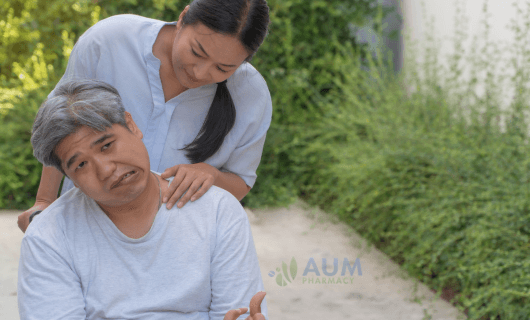
Stroke
Overview of Stroke
A stroke happens when the brain’s blood supply is interrupted. This interruption can be caused by a blockage in a blood vessel (referred to as an ischemic stroke) or by a rupture or leakage in the vessel (referred to as a hemorrhagic stroke).
Strokes usually occur abruptly. Key warning signs include facial drooping, weakness in the limbs, fatigue, impaired speech, and loss of coordination. Several factors may raise the likelihood of stroke, including aging, a sedentary routine, obesity, stress, smoking, unmanaged hypertension or diabetes, and heart disease.
Treatment typically involves medications such as blood thinners, cholesterol-lowering drugs, and procedures like thrombectomy. Recovery depends on how severe the stroke is, the brain area affected, the level of damage, and how promptly medical help was received.
Stroke is a critical medical condition, and immediate treatment greatly improves recovery chances. Every second counts during a stroke emergency.
Important Facts of Stroke

Usually seen in
- Adults over 65 years

Gender affected
- Both men and women, though slightly more prevalent in men

Body part(s) involved
- Brain,
- Blood vessels,
- Neurons

Prevalence
- Occurrence in India: 44.54 to 150 cases per 100,000 population

Mimicking Conditions
- Transient ischemic attack (TIA)
- Brain tumors
- Fainting episodes
- Low sodium levels (hyponatremia)
- Hemiplegic migraine
- Inflammation of the brain (encephalitis)
- Brain infections (abscess)
- Conversion disorder
- Liver-related brain dysfunction (hepatic encephalopathy)
- Uremia
- Facial nerve palsy (Bell’s palsy)
- Hypertensive encephalopathy

Necessary health tests/imaging
- ABC (Airway, Breathing, Circulation) assessment
- CT scan of the brain
- MRI and MRA
- EEG
- Blood sugar levels
- Cardiac biomarkers
- Lipid profile

Treatment
- Fibrinolytics: Alteplase, Reteplase
- Antiplatelet Agents: Aspirin, Clopidogrel
- Anticoagulants: Warfarin, Apixaban, Rivaroxaban
- Blood Pressure Medications: ARBs, calcium channel blockers, beta-blockers, ACE inhibitors
- Cholesterol-Lowering Drugs: Atorvastatin, Rosuvastatin, Pitavastatin
- Procedures: Thrombectomy, carotid endarterectomy, surgery

Specialists to consult
- Neurologist
- Neurosurgeon
- Physical therapist
- Speech-language therapist
Symptoms Of Stroke
Common indicators of stroke include:
- Sudden dizziness or imbalance: Individuals may feel unsteady or lightheaded.
- Vision problems: Trouble seeing in one or both eyes.
- Facial droop: One side of the face may sag, especially noticeable when attempting to smile.
- Limb weakness: Difficulty lifting arms or legs; they may drift downward.
- Speech issues: Trouble speaking or slurring words.
- Mental confusion: Problems understanding others or expressing oneself.
- Acute headache: A sudden, intense headache without an obvious reason.
Triggering Factors Of Stroke
The cause varies depending on the type of stroke, which is generally classified into three main categories:
1. Ischemic Stroke
This is the most common type, resulting from blocked or reduced blood flow to the brain. The lack of oxygen and nutrients leads to cell death in that brain region, impairing function.
- Arterial narrowing: Fat and cholesterol build up on arterial walls, forming hardened plaque that limits blood flow.
- Blood clots: A clot forming in a narrowed brain vessel causes a thrombotic stroke. If a clot travels from another body part to the brain, it results in an embolic stroke. Air bubbles or other substances in the bloodstream can also cause embolic strokes.
2. Hemorrhagic Stroke
This type arises when a weakened brain vessel ruptures, leaking blood into surrounding tissue and causing pressure.
- Intracerebral hemorrhage: The most frequent hemorrhagic stroke, where a brain vessel bursts, often due to high blood pressure.
- Subarachnoid hemorrhage: Bleeding occurs in the space between the brain and the skull, often triggered by trauma, blood-thinning medications, or bleeding disorders.
3. Transient Ischemic Attack (TIA)
Also known as a “mini-stroke,” TIAs last only a few minutes and do not cause lasting damage. However, they are strong predictors of future strokes. Prompt medical attention can help prevent a major stroke, as untreated TIAs significantly increase the risk.
Potential Risks for Stroke
Several factors can increase the risk of experiencing a stroke:
- Age: As people grow older, their arteries tend to become narrower, which raises the likelihood of a stroke.
- Gender: Although men are more frequently affected by stroke, women tend to have higher stroke-related mortality rates.
- Genetics/Family History: A family history of stroke can contribute to an individual’s risk, suggesting a genetic predisposition.
- Inactive Lifestyle: Prolonged periods of inactivity and minimal physical movement contribute significantly to stroke risk.
- Heavy Alcohol Use: Drinking more than two alcoholic beverages daily can elevate blood pressure and increase stroke susceptibility.
- Obesity: Carrying excess body weight is a known contributor to strokes and other cardiovascular problems.
- Tobacco Use: Using tobacco in any form causes blood vessels to constrict, and nicotine raises blood pressure, both of which elevate stroke risk.
- Diabetes: This condition can damage blood vessels over time, increasing the potential for a stroke.
- Unmanaged High Blood Pressure: Persistent readings of 140/90 mmHg or higher can injure arteries that supply blood to the brain.
- High Red Blood Cell Count: Increased RBC levels make the blood thicker, raising the chances of clot formation and stroke.
- Elevated Cholesterol and Lipids: High cholesterol levels encourage plaque buildup in arteries, limiting blood flow to the brain.
- Heart Issues: Conditions such as heart valve abnormalities and irregular heartbeats can increase stroke risk over time.
- Birth Control Pills: Oral contraceptives may heighten the risk of stroke, especially in combination with other factors like smoking.
- Severe Weather: Stroke incidents are more frequent during extreme weather events, particularly during very high or low temperatures.
- Previous Stroke: Having had a stroke before significantly increases the risk of having another one.
- History of TIAs: Transient ischemic attacks (mini-strokes) serve as strong indicators of future strokes if left untreated.
ABCD2 Score: This tool assesses stroke risk after a TIA. It considers five factors: age, blood pressure, symptoms, duration of the TIA, and diabetes. The scoring ranges from 0 to 7:
- 1–3: Low risk
- 4–5: Moderate risk
- 6–7: High risk
The higher the score, the greater the short-term stroke risk.
Diagnosis Of Stroke
ABC Monitoring
When a stroke is suspected, immediate attention is given to stabilizing the airway, breathing, and circulation. A complete medical history is taken, followed by a physical assessment.
Initial Assessment
The NIH Stroke Scale (NIHSS) is widely used to evaluate the severity and expected outcomes of a stroke. It includes 11 areas of assessment, each rated from 0 to 4. Higher scores indicate greater impairment. The total possible score ranges from 0 to 42:
- 0: No symptoms
- 1–4: Minor stroke
- 5–15: Moderate stroke
- 16–20: Moderate to severe stroke
- 21–42: Severe stroke
Laboratory Tests
Blood work helps identify underlying issues and tailor treatment. Tests commonly ordered include:
- Blood glucose (to rule out hypoglycemia or hyperglycemia)
- Infection markers
- Platelet count
- Coagulation profile
- Lipid levels
- Cardiac enzymes
Imaging Tests
- Cranial CT Scan: A quick and effective method to identify bleeding, blockages, or brain damage.
- CT Angiography: Offers detailed images of brain blood vessels.
- MRI: Detects fine changes in brain tissue, helping pinpoint stroke-affected areas.
- MR Angiography: Considered highly accurate for examining blood flow in brain vessels.
- Carotid Doppler: Uses ultrasound to assess blood flow in the carotid arteries and detect plaque deposits.
- EEG and Evoked Potentials: Assess brain electrical activity and response to stimuli.
Cardiac Tests
- ECG: Detects rhythm abnormalities such as atrial fibrillation, which can cause strokes.
- Echocardiogram: Identifies blood clots in the heart or malfunctioning heart valves that may have caused a stroke.
Specialists to Consult
Time is crucial—treatment within 3 to 4.5 hours of symptom onset can significantly improve outcomes. Use the F.A.S.T. acronym to identify stroke symptoms:
- Face: Is one side drooping?
- Arms: Can both arms be raised and held up?
- Speech: Is the speech slurred or strange?
- Time: If any of these signs are present, seek immediate help.
You may need to consult:
- A general physician for initial evaluation
- A neurologist for stroke diagnosis and treatment
- A neurosurgeon in cases involving brain bleeds
- A physical therapist and speech therapist for recovery
Preventive Measures Of Stroke
Prevention is crucial, especially for individuals who have already experienced a stroke, as they are at a higher risk of having another one in the future. The following measures can help reduce the risk:
- Dietary Changes: Consume a balanced diet full of green leafy vegetables, fruits, and nuts. Avoid foods high in saturated fats, trans fats, and cholesterol, and aim for a high-fiber intake to help control cholesterol levels. Reducing salt intake can also help lower blood pressure. Limit red meat and greasy, high-fat foods to further reduce stroke risk.
- Maintain a Healthy Weight: If you are overweight or obese, or have high cholesterol, it’s recommended to lose weight to achieve a body mass index (BMI) between 18.5 and 24.9. This can significantly reduce the likelihood of stroke in the future.
- Stay Active: A sedentary lifestyle contributes significantly to the progression of cardiovascular and cerebrovascular diseases. It’s recommended to engage in at least 2 hours and 30 minutes of moderate-intensity aerobic exercise, like brisk walking, each week to maintain a healthy lifestyle.
- Monitor Blood Pressure: High blood pressure increases stroke risk and often presents no symptoms. Regular checks are vital, and if your blood pressure is high, medication, lifestyle changes, or a diet low in sodium can help manage it effectively.
- Control Diabetes: Uncontrolled diabetes elevates stroke risk, making it essential to maintain stable blood sugar levels. Lifestyle changes, including increased physical activity and healthier food choices, combined with the right medications, can help manage diabetes and reduce stroke risk.
- Limit Alcohol Consumption: If you drink alcohol, consider reducing or quitting to decrease stroke risk. Men should limit intake to no more than two drinks per day, while women should have no more than one drink.
- Quit Smoking: Smoking is a major risk factor for stroke. If you smoke, quitting will substantially lower your risk, and those who don’t smoke should avoid starting. Your healthcare provider can offer guidance and support to help quit.
- Evaluate Risk Factors: If you are at high risk for stroke, regular health checkups and lifestyle changes can be beneficial in preventing future strokes.
Additionally, here are a few tips to prevent recurring strokes:
- Collaborate with your doctor to determine the stroke's cause.
- Keep up with regular follow-up appointments.
- Consult your doctor before changing or stopping any medications.
- Never ignore the warning signs of a stroke.
Treatment Of Stroke
Treatment strategies vary depending on the type of stroke.
A. Ischemic Stroke Treatment
Thrombolytic Drugs: These dissolve clots and restore blood flow to the brain. Common agents include:
- Alteplase
- Reteplase
Citicoline and piracetam are used in some cases to support nerve function and recovery.
Antiplatelet Drugs: Help prevent further clots. Examples:
- Aspirin
- Clopidogrel
Anticoagulants: Modify blood composition to prevent clots. Newer options (NOACs) include:
- Apixaban
- Rivaroxaban
- Dabigatran
- Edoxaban
Antihypertensives: Help regulate blood pressure. These include:
- ARBs
- Calcium channel blockers
- Diuretics
- Beta-blockers
- ACE inhibitors
Statins: Lower cholesterol and reduce the chance of recurrence. Examples:
- Atorvastatin
- Rosuvastatin
- Pitavastatin
Thrombectomy: A procedure to physically remove a clot from the brain’s blood vessels.
Carotid Endarterectomy: Surgical removal of plaque from the carotid arteries to prevent future strokes.
B. Hemorrhagic Stroke Treatment
Surgery: May be needed to repair the bleeding vessel.
Endovascular Procedures: Involve minimally invasive tools to treat vessel rupture. These include:
- Clipping: A clamp is used to close off an aneurysm.
- Coiling: A catheter is used to insert coils into the aneurysm to prevent bleeding.
Hydrocephalus Surgery: Excess fluid around the brain is drained using a shunt.
C. Supportive Care
Additional supportive interventions may be necessary:
- Nasogastric feeding tubes for patients with swallowing difficulty
- IV fluids to maintain hydration and support recovery
These approaches aim to stabilize the patient, minimize complications, and promote neurological recovery.
Health Complications Of Stroke
The complications resulting from a stroke vary depending on its severity and the brain areas affected. Some potential complications include:
- Vision problems
- Cognitive issues, such as memory loss or dementia
- Impaired mobility or difficulty with muscle control
- Sensory changes
- Loss of bladder and bowel control
- Deep venous thrombosis
- Seizures
- Pneumonia
- Pulmonary embolism
- Shoulder pain
- Mood swings or emotional changes
- Anxiety and depression
- Pressure sores
- Recurrent strokes
Alternative Therapies For Stroke
Homemade Remedies for Stroke
Lifestyle Modifications Stroke
Although approximately one in four stroke survivors may experience another stroke, it’s important to note that up to 80% of strokes are preventable with simple steps like medication, a healthy diet, physical activity, and managing other health conditions.
Here are some tips for stroke survivors and their caregivers:
- Educate Yourself: Understanding the condition, its warning signs, the causes of strokes, and the side effects of treatments is crucial.
- Control Risk Factors: Uncontrolled risk factors such as high cholesterol, blood pressure, and diabetes increase the risk of another stroke. Maintain a healthy diet, stay active, follow prescribed medications, and avoid smoking and excessive alcohol.
- Monitor Recovery: Recovery can vary based on the stroke’s impact, with some individuals improving within 3-4 months, while others may take longer.
- Regular Checkups: Regular visits to the doctor to monitor blood pressure, blood sugar, cholesterol, and overall recovery are vital.
- Prevent Falls: Falls are common after a stroke, so take precautions to prevent them. If falls or injuries happen frequently, consult your doctor immediately.
Rehabilitation
Recovery from stroke often involves specialized therapies and support systems:
- Speech Therapy: If speech is impaired after a stroke, a speech therapist can help improve communication or find alternative ways to communicate.
- Physical Therapy: To regain strength and mobility, a physical therapist can help patients relearn motor skills and adapt to any physical limitations.
- Occupational Therapy: An occupational therapist can assist in adjusting to any sensory loss and help patients perform daily activities like bathing, dressing, and eating.
- Cognitive Therapy: This helps patients improve thinking and reasoning skills and manage emotional or behavioral changes after a stroke.
Mental Health Care
Mental well-being is essential for stroke recovery. Seek mental health support if necessary, and consider joining a support group to connect with others facing similar challenges. Family and close friends can offer significant support throughout the recovery process.
With the right treatment and support, many stroke survivors can lead a fulfilling life, depending on the stroke's severity.
Frequently Asked Questions
Subscribe to stay informed
Subscribe to our carefully crafted informative emailers by Medical Experts and be the first to get the latest health news, tips, and important updates.