


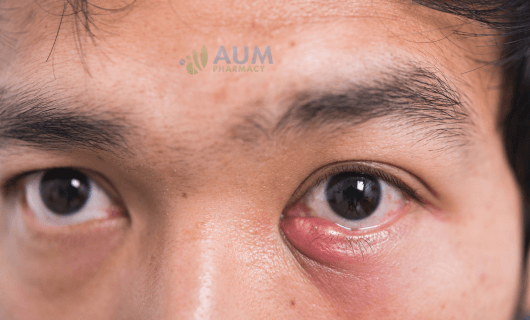
Stye
Overview of Stye
A stye is a painful, red lump that forms along the edge of the eyelid, often resembling a pimple or boil. It is usually the result of a bacterial infection affecting the eyelash hair follicle.
Common risk factors include inadequate eyelid hygiene, frequent eye rubbing, prolonged contact lens use, and medical conditions such as diabetes.
Most styes heal on their own within a few days to a week. It is crucial not to squeeze or pop them, as doing so can spread the infection to other parts of the eyelid or eye.
Applying warm compresses to the affected area can help relieve swelling and speed up healing. In certain cases, antibiotic eye drops or ointments may be prescribed to aid recovery and prevent complications.
If a stye becomes increasingly painful, interferes with vision, or does not improve within a week, it is advisable to consult an eye specialist.
Important Facts of Stye

Usually seen in
- Adults aged 30–50

Gender affected
- Both men and women

Body part(s) involved
- Eyes

Prevalence

Mimicking Conditions
- Chalazion,
- Basal Cell Carcinoma,
- Sebaceous Gland Carcinoma,
- Squamous Cell Carcinoma,
- Pneumo-Orbita,
- Preseptal Cellulitis

Necessary health tests/imaging
- Medical history review and physical examination

Treatment
- Warm compresses to reduce swelling
- Antibiotics such as erythromycin ointment or eye drops
- Pain relief using ibuprofen or acetaminophen
- Surgical intervention in severe or persistent cases

Specialists to consult
- General Physician
- Ophthalmologist
Symptoms Of Stye
- A red, painful lump on the eyelid's edge, resembling a pimple
- Tenderness or swelling in the eyelid
- Gritty or scratchy feeling in the eye
- Sensitivity to light
- Watery eyes
Triggering Factors Of Stye
Styes are caused by a staphylococcal bacterial infection. The eyelid has oil glands that help lubricate the eye, but when these glands become clogged with debris, old oil, or bacteria, it can lead to a stye. Blepharitis, which causes swollen, irritated eyelids, can also contribute to stye formation.
Types Of Stye
External Stye:
- Appears at the base of the eyelash due to an infected hair follicle. It often contains pus and is painful when touched.
Internal Stye:
- Develops within the eyelid as a result of an infected meibomian (oil) gland. It typically causes more intense pain and may create a sensation of having something stuck in the eye.
Potential Risks for Stye
While anyone can get a stye, certain factors increase the likelihood, including:
- Skin conditions like seborrheic dermatitis
- Health issues such as diabetes or elevated lipid levels
- Prior stye or chalazion history
- Poor eye hygiene
- Blepharitis
- Using old or contaminated eye makeup
- Improper use of contact lenses
Diagnosis Of Stye
An eye doctor usually diagnoses a stye through a physical exam. The doctor will examine the eyelid for visible swelling or bumps and may ask about symptoms and past occurrences. In some cases, a bacterial culture test may be done to identify the infection.
Preventive Measures Of Stye
To help avoid styes, follow these hygiene practices:
- Wash your hands thoroughly before touching your eyes.
- Clean and disinfect contact lenses regularly.
- Remove eye makeup before sleeping.
- Use only fresh, non-expired eye cosmetics.
- Avoid sharing towels or makeup with individuals who have eye infections.
- Consider fish oil supplements to support oil gland health.
Preventive Tips for Children
To help prevent styes in children:
- Teach them not to rub their eyes.
- Encourage frequent handwashing.
- Ensure they use clean towels and washcloths.
- Discourage sharing of personal items like towels and makeup.
- Enforce proper contact lens hygiene.
- Avoid sharing eye drops.
- Speak with a doctor if your child gets frequent or persistent styes.
When to See a Doctor
It’s important to seek medical advice if:
- Vision becomes impaired
- The bump worsens or doesn’t improve after 1–2 weeks
- The eyelid lump becomes very large or painful
- Blistering appears on the lower eyelid
- There is crusting or flaking of the eyelids
- Redness or swelling spreads across the face
- The white of the eye turns red
- There’s light sensitivity or excessive tearing
- Styes recur frequently
- The eyelid bump starts bleeding
Specialists Who Can Help
- General Physician
- Ophthalmologist
Treatment Of Stye
Styes typically resolve on their own within about a week. However, an eye specialist might recommend specific treatments to help alleviate discomfort and speed up recovery.
Warm Compresses
- Apply a warm, damp cloth to the affected eye for about 15 minutes, four times daily. Gently massage the area with clean fingers to help open blocked pores, allowing the stye to drain and heal naturally. Clean the base of the eyelashes twice a day using a moist cotton swab. Do not attempt to squeeze or pop the stye.
- Tip: Use diluted baby shampoo and warm water to gently cleanse the eyelid and remove excess oils.
Antibiotic Therapy
- Doctors may prescribe erythromycin eye ointment or antibiotic drops to be used for 7 to 10 days. In some cases, oral antibiotics are necessary if topical treatments fail or if the infection spreads beyond the immediate area.
Over-the-Counter Pain Relievers
- Medications like acetaminophen or ibuprofen can be taken to manage pain and reduce inflammation.
Surgical Drainage
- If conservative treatments don’t resolve the stye, a doctor may perform a minor procedure to drain it under local anesthesia in an outpatient setting.
Intense Pulsed Light (IPL) Therapy
- IPL uses light-based heat therapy to stimulate oil gland function and ease inflammation. Multiple sessions may be needed depending on the condition's severity.
Health Complications Of Stye
Though uncommon, styes can lead to complications in some cases:
Chalazion Formation
- Recurring styes can result in cysts forming near the oil glands inside the eyelid.
Preseptal (Periorbital) Cellulitis
- An untreated or partially treated stye can lead to a bacterial infection spreading to the eyelid tissues, causing redness and swelling that requires antibiotics.
Orbital Cellulitis
- If the infection advances deeper into the orbit, it can lead to a more serious condition requiring hospitalization and intravenous antibiotics. Surgical drainage may also be necessary.
Alternative Therapies For Stye
Bloodletting Therapy
- This traditional practice is believed to clear "heat" and stagnation in the body, aiding stye resolution.
Acupuncture
- Inserting fine needles into specific points may ease pain and reduce inflammation. Acupressure techniques near the thumb and infraorbital foramen may also offer relief. It's thought that this stimulates the body's natural healing processes through nerve and muscle activation.
Note: To support these therapies, follow a clean and simple diet, avoiding stimulants like spicy foods and caffeine.
Homemade Remedies for Stye
To support healing and prevent recurrence:
- Apply warm compresses regularly to promote drainage.
- Avoid using eye makeup and contact lenses until the area is fully healed.
- Warm tea bags can be placed over the eyelid to soothe swelling.
- Do not pick or squeeze the stye, as it may worsen the infection.
- Lightly massaging the eyelid may help the stye drain more efficiently.
Lifestyle Modifications Stye
Having a stye can affect your daily routine and emotional well-being:
Physical Impact
- Pain, swelling, and discomfort may make it difficult to perform regular tasks like reading or driving. Light sensitivity and blurred vision are also possible.
Emotional Impact
- Visible swelling can cause embarrassment and social discomfort. Persistent pain and inconvenience may also lead to irritability or frustration.
Prompt medical attention and good hygiene can help reduce the effects and recurrence of styes.
Frequently Asked Questions
Subscribe to stay informed
Subscribe to our carefully crafted informative emailers by Medical Experts and be the first to get the latest health news, tips, and important updates.