


Sunburn
Overview of Sunburn
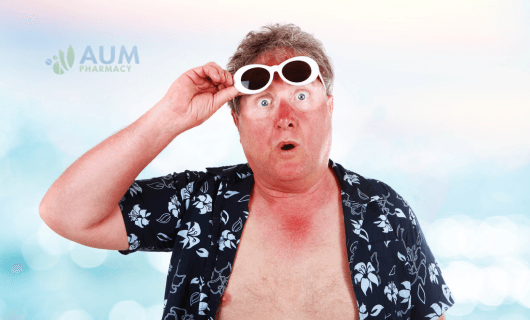
Sunburn is a widespread skin condition that results from excessive exposure to ultraviolet (UV) radiation, either from the sun or from artificial sources like tanning lamps.
It primarily affects the skin’s outermost layer and is marked by symptoms such as redness, soreness, inflammation, and in more serious cases, blistering and skin peeling. Sunburn is a visible sign of skin injury and heightens the risk of developing skin cancer over time.
To minimize the chances of getting sunburned, it’s important to practice sun safety measures. These include avoiding direct sunlight during peak hours (10 a.m. to 4 p.m.), wearing protective clothing and wide-brimmed hats, and applying a high-SPF, broad-spectrum sunscreen.
It’s worth noting that sunburn can still happen on cloudy days since UV rays can pass through clouds and reflect off surfaces. Staying cautious and protecting your skin from UV exposure is essential for maintaining long-term skin health.
Important Facts of Sunburn

Usually seen in
- People of all ages

Gender affected
- Both males and females

Body part(s) involved
- Skin

Prevalence

Mimicking Conditions
- Rosacea
- Acne
- Stasis dermatitis
- Seborrheic dermatitis
- Lupus erythematosus
- Cellulitis
- Herpes simplex virus (HSV) infection
- Drug-induced photosensitivity
- Phototoxic skin reactions
- Polymorphous light eruption
- Solar urticaria

Necessary health tests/imaging
- Physical assessment

Treatment
- Cool compresses
- Pain relievers like ibuprofen or naproxen
- Topical applications such as aloe vera gel or 0.5%-1% hydrocortisone cream

Specialists to consult
- General practitioners,
- Dermatologists
Symptoms Of Sunburn
Sunburn symptoms typically emerge a few hours after UV exposure and may take over a day to fully manifest. The severity of symptoms can vary widely.
Frequent symptoms include:
- Skin discoloration ranging from pink to deep red or even purplish hues
- Redness
- Warm sensation on the skin
- Pain or tenderness
- Itching
- Swelling
- Flaking or peeling skin
- Formation of blisters
Severe sunburn may cause:
- Nausea
- Fever
- Chills
Triggering Factors Of Sunburn
Sunburn is caused by overexposure to UV rays—mainly UV-A and UV-B—from the sun, resulting in radiation burns. When the skin is exposed to UV rays, it produces melanin to shield itself, leading to tanning. However, too much exposure overwhelms this defense mechanism.
Types of UV rays and their effects:
UV-A:
- Breaks down skin collagen, damages regenerative skin cells, and contributes to wrinkles, dryness, blotches, and sagging. Prolonged exposure also increases skin cancer risk.
UV-B:
- More dangerous than UV-A, this radiation is responsible for sunburn, premature aging, and severe skin damage, significantly raising cancer risk.
UV-C:
- The Earth’s atmosphere absorbs almost all UV-C radiation, preventing it from reaching the ground.
Types Of Sunburn
Sunburn is classified into three categories depending on its severity:
Superficial (First-degree) Sunburn
- This mild form only impacts the epidermis (outer layer of the skin).
- Symptoms include redness, mild discomfort, and swelling. The area feels warm to the touch.
- Usually heals without treatment within a day or two.
Partial-thickness (Second-degree) Sunburn
- This type reaches deeper into the dermis, causing more pronounced symptoms such as intense redness, pain, swelling, and blisters.
- It requires medical attention and takes longer to recover compared to first-degree burns.
Full-thickness (Third-degree) Sunburn
- Often referred to as sun poisoning, this severe form affects all skin layers.
- Symptoms include severe redness, intense pain, blisters, swelling, fever, headache, nausea, and dizziness.
- Medical intervention is crucial, as the risk of infection is high.
Potential Risks for Sunburn
Sunburn risk increases with both the duration and intensity of UV exposure.
Contributing factors include:
- Skin type: People with fair skin, blue or green eyes, and blond or red hair have lower melanin levels, making them more vulnerable.
- Outdoor exposure: Spending extended time outside, especially during midday hours, without sun protection raises the likelihood of sunburn.
- Environmental influences: High altitudes, thinning ozone layers, and clear skies amplify UV intensity.
- Medications: Some antibiotics, acne treatments, diuretics, and exfoliating products can make the skin more sensitive to sunlight.
- Sunscreen misuse: Inadequate or infrequent application of sunscreen reduces its effectiveness, increasing exposure risk.
Diagnosis Of Sunburn
Mild sunburns often resolve on their own and generally don’t require medical attention. However, in cases where the sunburn is severe or accompanied by additional symptoms, it becomes important to consult a healthcare professional without delay.
During a medical evaluation, the doctor will examine the affected skin and ask questions regarding your symptoms, any medications you may be taking, your exposure to UV radiation, and your history of sunburn. In certain instances, you may be referred to a dermatologist for specialized care to aid in your recovery.
Preventive Measures Of Sunburn
Here are key strategies to help prevent sunburn:
1. Apply Sunscreen Properly and Consistently
Selecting and using the correct sunscreen is fundamental in minimizing the risk of sunburn.
Understanding sunscreen labels can be confusing due to complex scientific terms. The following breakdown can help guide your choices:
A. Sunscreen Categories
Sunscreens fall into two primary types:
Chemical (Organic) Sunscreens
These absorb UV rays and convert them into harmless heat.
- UV-A filters:
- Benzophenones (Oxybenzone, Sulisobenzone, Dioxybenzone)
- Avobenzone (Parsol 1789)
- Meradimate
- UV-B filters:
- PABA derivatives (Padimate O)
- Cinnamates (Octinoxate, Cinoxate)
- Salicylates (Octisalate, Homosalate, Trolamine salicylate)
- Octocrylene
- Ensulizole
- Broad-spectrum filters:
- Ecamsule (Mexoryl SX)
- Sila Triazole (Mexoryl XL)
- Bemotrizinol (Tinosorb S)
- Bisoctrizole (Tinosorb M)
Physical (Inorganic) Sunscreens
- These act by reflecting or scattering UV radiation. Although they may cause a whitening effect, this can be reduced using microfine particles. Examples include:
- Zinc oxide
- Titanium dioxide
- Iron oxide
- Calamine
- Talc
- Kaolin
B. Sun Protection Factor (SPF)
SPF measures a sunscreen's effectiveness in blocking UV-B rays. A higher SPF means greater protection. Use a broad-spectrum sunscreen with at least SPF 30 to guard against both UV-A and UV-B.
C. Protection Grade of UV-A (PA+)
This rating indicates how well a product shields against UV-A rays:
- PA+ = Some protection
- PA++ = Moderate protection
- PA+++ = High protection
- PA++++ = Very high protection
Sunscreen Usage Tips
- Quantity: Use 2.5 fingertip units (FTUs) for face and neck. For the body, an ounce (a shot glass amount) is ideal.
- Timing: Apply sunscreen 30 minutes before going outside.
- Reapplication: Reapply every two hours, and more frequently after swimming or sweating.
- Storage: Keep it in a cool, dry place, sealed after use.
- Shelf-life: Avoid using expired products or those that have changed in color, texture, or smell.
2. Seek Shade
Reduce time in direct sunlight, especially from 10 a.m. to 4 p.m., when UV radiation peaks. A helpful guideline is the "shadow rule": if your shadow is shorter than you, the sun’s rays are intense, and you should stay in the shade.
3. Dress for Sun Protection
For optimal protection:
- Wear lightweight, long-sleeved clothes and pants.
- Choose garments with tightly woven fabrics.
- Opt for dry, dark-colored clothing, as these provide better UV defense.
- Use wide-brimmed hats to shade your face, ears, and neck.
Clothing UPF Rating
The Ultraviolet Protection Factor (UPF) indicates how much UV radiation a fabric can block. A UPF of 15 or higher is recommended for adequate protection.
Hat Protection Insight
Brim width affects protection levels:
- Brims >7.5 cm: SPF 7 (nose), 5 (neck), 3 (cheeks), 2 (chin)
- Brims 2.5–7.5 cm: SPF 3 (nose), 2 (neck, cheeks), 0 (chin)
- Brims <2.5 cm: SPF 1.5 (nose), negligible elsewhere
4. Wear Sunglasses
Protect your eyes and the sensitive skin around them by wearing sunglasses whenever outdoors in the sun.
5. Beware of Reflective Surfaces
UV rays can bounce off surfaces like water, sand, and snow, intensifying exposure and increasing the risk of burns.
6. Monitor the UV Index
Check your area's UV index before heading outdoors. Avoid sun exposure if the index exceeds 8. For values between 3 and 7, take full protective measures.
7. Avoid Tanning Devices
Tanning beds emit intense UV rays, posing risks of skin damage and cancer. For a tanned appearance, opt for self-tanning products paired with sunscreen.
8. Stay Hydrated
Drink sufficient water to prevent dehydration, which sunburns can aggravate, especially during extended time outdoors.
9. Watch Out for Photosensitive Medications
Certain drugs can make your skin more sensitive to sunlight. These include some antibiotics, blood pressure medications, acne treatments, and herbal remedies. Always check labels and consult your doctor.
Preventing Sunburn in Children
For children over 6 months, follow the ABCs of sun safety:
- Avoid exposure during peak UV hours.
- Block the sun with SPF 30+ sunscreen. Apply 30 minutes before going outside and reapply often.
- Cover Up with long-sleeved clothing and wide-brimmed hats. Ensure fabrics have a tight weave. Keep infants under 6 months out of direct sunlight entirely, and do not apply sunscreen to their delicate skin.
When to See a Doctor
Most sunburns are mild and heal on their own, but seek medical care if you have:
- Extensive blistering or skin peeling
- Signs of infection (increased redness, swelling, pus, or pain)
- Fever above 101°F, chills, nausea, vomiting, dizziness, or confusion
- Burns covering over 15% of your body
- Severe pain lasting more than 48 hours
- Signs of dehydration
- Sunburn on a child under 12 months
Consult the Following Specialists:
- General Physician
- Dermatologist (for advanced care and prescription treatments to manage pain, reduce inflammation, and support healing)
Treatment Of Sunburn
Though typically short-term, sunburn requires proper care to ease discomfort and support skin recovery. Below are several effective ways to manage sunburn:
1. Cooling the skin:
To relieve mild sunburn, start with cool baths or apply damp, cold cloths to the affected areas.
Helpful tips for soothing burns:
- Use cold compresses but avoid applying ice directly to the skin.
- Bathe in cool water or take a soft, gentle shower. The water should be cool but not icy.
- If blisters appear, opt for a bath rather than a shower to avoid damaging the skin further.
- Skip soaps, oils, or harsh cleansers during baths.
- Allow the skin to dry naturally or pat it gently with a soft towel—avoid rubbing.
- Repeat as often as needed for relief.
2. Moisturize while the skin is still damp:
After bathing, apply a fragrance-free moisturizer or aloe vera gel to help soothe the skin. Avoid oil-based or heavy products, as they can trap heat and cause more irritation.
3. Topical relief:
Use aloe vera or over-the-counter hydrocortisone cream (0.5%–1%) to calm inflammation, reduce burning, and assist in healing.
How to apply:
- Aloe can be used straight from the plant or from store-bought gel.
- Gently apply it using your fingertips without rubbing it in completely—leaving it slightly moist on the surface helps prevent further irritation.
- Reapply as needed.
Note: Avoid using hydrocortisone cream on small children without consulting a doctor.
4. Pain management:
Non-prescription pain relievers like ibuprofen or naproxen can ease the discomfort, swelling, and inflammation caused by sunburn.
5. Handling blisters:
Don’t pop sunburn blisters unless absolutely necessary—they serve as a natural barrier to infection. If one breaks, clean it gently and apply an antibiotic cream.
Blister care tips:
- Apply aloe vera or hydrocortisone cream.
- Cover with gauze loosely.
- Change bandages daily or when soiled.
- Wear breathable, loose-fitting clothes.
- Always clean your hands before touching the area.
6. Stay hydrated:
Sunburn can lead to dehydration. Drink at least 8 glasses of water daily—or more, depending on your needs.
7. Shield the affected area:
Keep the burned skin protected from further UV exposure. Wear loose clothing, seek shade, and use high-SPF, broad-spectrum sunscreen on any uncovered areas.
Health Complications Of Sunburn
If severe, sunburn can lead to a variety of issues:
- Sunstroke or sun poisoning: Symptoms include fever, chills, nausea, headache, and dehydration—requires medical treatment.
- Infections: Damaged skin is more vulnerable to infections, particularly if blisters are scratched or burst.
- Premature aging: Repeated sun exposure can cause fine lines, dark spots, and leathery skin texture.
- Skin cancer risk: DNA damage from UV rays increases the chances of both melanoma and other skin cancers. Even tanning without burning can contribute to long-term harm.
- Eye damage: Prolonged sun exposure can lead to photokeratitis (temporary corneal inflammation) or cataracts, which cloud the eye's lens.
Alternative Therapies For Sunburn
Homemade Remedies for Sunburn
For mild sunburn, these herbal remedies may offer comfort. Always consult your doctor before trying home treatments:
- Aloe vera: Its hydrating and anti-inflammatory properties make it excellent for calming burned skin.
- Moisturizers: Choose light, fragrance-free lotions, ideally with chamomile, aloe, or cucumber.
- Cold milk compress: Proteins in milk help reduce the sting—dip a cloth in cold milk and apply gently.
- Essential oils: Oils like chamomile, lavender, and peppermint can ease pain and reduce inflammation when diluted with a carrier oil.
- Oatmeal: Finely grind and mix with cool water into a paste. Apply for 15–20 minutes and rinse.
- Witch hazel: Apply with a cotton ball to cool and reduce inflammation.
- Baking soda: Mix half a teaspoon with water, gently rub the solution on affected skin with a soft cloth, then rinse.
- Gram flour: Create a thick paste with water or rose water, apply for 10–15 minutes, then rinse with cool water.
- Raw potato: Slice and place directly on the skin for 15 minutes before rinsing.
- Papaya: Mash a slice, apply to the skin, let it dry, then rinse. It helps heal due to its enzymes.
- Coconut oil: Known for moisturizing, it can be applied gently to soothe burned areas. Use unrefined, organic versions for best results.
Lifestyle Modifications Sunburn
Dealing with sunburn can disrupt everyday life:
- Physical discomfort: Pain, itchiness, and swelling make basic tasks like dressing or sleeping challenging.
- Reduced mobility: Severe burns can limit movement, impacting daily activities and work.
- Emotional effects: Altered appearance and discomfort may reduce confidence and cause emotional stress.
- Sleep issues: Pain and sensitivity can affect sleep quality and mood.
- Heightened sensitivity: The skin may react to heat, touch, and clothing, limiting comfort and social interaction.
Preventing sunburn through sunscreen, protective clothing, and shade is crucial. When sunburn does occur, managing symptoms with hydration, topical care, and rest can help recovery. For severe burns or signs of complications, seek medical help.
Supportive Therapies for Recovery
Burn pain and anxiety can persist during healing. These therapies may help:
- Massage therapy: Enhances circulation, eases muscle tension, and promotes relaxation, which may relieve pain and stress.
- Hypnosis: Alters pain perception and aids relaxation by accessing the subconscious mind.
- Therapeutic touch: Aims to rebalance energy in the body, which can calm pain and promote healing.
- TENS (Transcutaneous Electrical Nerve Stimulation): Uses mild electrical impulses on the skin to reduce pain by releasing endorphins and improving blood flow.
Frequently Asked Questions
Subscribe to stay informed
Subscribe to our carefully crafted informative emailers by Medical Experts and be the first to get the latest health news, tips, and important updates.