


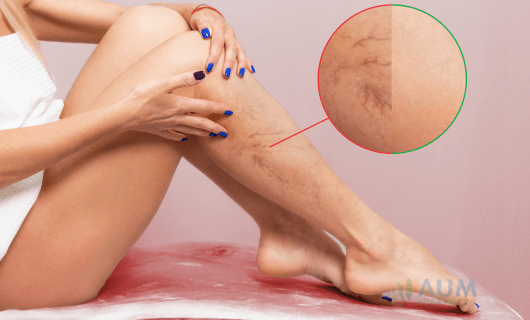
Varicose veins
Overview of Varicose veins
Varicose veins are enlarged, twisted veins that develop when the walls of the blood vessels weaken and the valves fail to function properly. These veins often appear swollen and bluish or purplish in color. The condition commonly affects the lower body due to increased pressure in the leg veins from standing or walking.
Though varicose veins can occur in various parts of the body, they are most frequently found on the legs, pelvic region, and just under the skin's surface. In mild cases, they may simply cause cosmetic concerns or mild discomfort. However, severe forms can result in pain, swelling, itching, bleeding, and skin ulcers.
The condition is more prevalent in older women due to hormonal shifts and decreased vein elasticity. Other contributing factors include extended periods of standing or sitting, genetic predisposition, and prior injuries.
Management may be non-invasive or involve surgery. Conservative treatment typically involves lifestyle changes and compression stockings. In more advanced cases, medical procedures are performed to close off or remove the damaged veins.
Important Facts of Varicose veins

Usually seen in
- Adults over the age of 55

Gender affected
- Affects both sexes, but more frequently found in women

Body part(s) involved
- Legs,
- Feet,
- Calves,
- Pelvis

Prevalence
- Global Prevalence: Between 2% and 73% (as of 2022)
- India Prevalence: Approximately 5% (2016)

Mimicking Conditions
- Lymphedema,
- Deep vein thrombosis (DVT),
- Cellulitis,
- Stasis dermatitis

Necessary health tests/imaging
- Trendelenburg and Perthes tests,
- Venous Doppler,
- Color duplex ultrasound,
- MRI,
- CT angiography

Treatment
- Conservative: Compression stockings
- Surgical: Vein stripping, traditional surgery, radiofrequency ablation, laser procedures
- Minimally Invasive: Endovenous laser ablation (EVLA), microphlebectomy, and transilluminated powered phlebectomy

Specialists to consult
- General physicians,
- Vascular surgeons,
- Rehabilitation specialists,
- Primary care providers
Symptoms Of Varicose veins
The symptoms of varicose veins can vary widely, ranging from no symptoms at all to significant discomfort and complications:
- General discomfort or heaviness
- Itching or eczema-like irritation
- Swelling of legs or ankles
- Worsening pain after standing or sitting for extended periods
- Deep vein blood clots
- Bulging, twisted, and visible veins
- Discoloration (blue or dark purple veins)
- Throbbing, cramps, or burning sensations
- Skin irritation or rash
- Skin darkening and loss of softness
- Prolonged bleeding from minor injuries
- Tender spots near the affected veins
- Skin tightening or hardening, especially around the ankle
- Irregular pale marks that resemble scarring near the ankle
- Restlessness in the legs, especially noticeable at night
Triggering Factors Of Varicose veins
Varicose veins are typically caused by malfunctioning valves in the veins, which allow blood to pool rather than flow back toward the heart.
- Primary Varicose Veins: Often hereditary, involving congenital weakness in vein walls or valves
- Secondary Varicose Veins: Resulting from factors like injuries or conditions such as deep vein thrombosis
- Congenital and Familial Varicose Veins: Caused by vascular anomalies present at birth, often seen in hereditary patterns
Potential Risks for Varicose veins
Several factors can increase the likelihood of developing varicose veins:
- Advancing Age: Natural aging leads to reduced vein wall elasticity and valve function
- Female Gender: Women are more prone due to hormonal effects on blood vessels
- Genetic Predisposition: A strong family history raises the chances significantly
- Excess Weight: Obesity increases venous pressure, particularly in women
- Alcohol and Tobacco Use: Both alcohol and smoking are linked with higher rates of varicose veins
- Hormonal Influences: Life stages like puberty, pregnancy, menopause, and hormone-based treatments contribute to the risk
- Extended Standing: Jobs that require standing for long hours raise lower limb blood pressure due to gravity
- Sedentary Lifestyle: Prolonged sitting or leg-crossing hinders proper blood circulation
- Injury: Damage to veins due to trauma can initiate varicose changes
- Deep Vein Thrombosis: A history of DVT significantly raises the risk
- Height: Studies indicate that taller individuals may be more susceptible to varicose veins in both men and women
Diagnosis Of Varicose veins
Diagnosing varicose veins involves a comprehensive medical history, a detailed physical examination, and a series of diagnostic tests.
Detailed Medical History
The medical history should capture any past surgeries or procedures on the affected leg, history of pregnancy, skin ulcers, trauma, uterine fibroids, cancers, past episodes of deep vein thrombosis (DVT), hospitalizations, cardiovascular issues, or prior leg fractures.
Physical Examination
The clinical assessment is best performed while the patient is standing. The examiner checks for signs like redness, tenderness, swelling, skin discoloration, or ulcers. The clinical severity is graded using a standardized classification system:
- C0: No signs of vein disease
- C1: Small, reticular veins (blue-purple in color)
- C2: Visible varicose veins
- C3: Swelling (edema)
- C4a: Skin pigmentation and itchiness
- C4b: Skin thickening and white scarring due to healed ulcers
- C5: Healed leg ulcers
- C6: Active leg ulcers
Special Tests to Identify Underlying Cause
- Trendelenburg Test (Brodie–Trendelenburg Test): This checks valve function in both deep and superficial veins. The leg is raised to a 45º angle until veins empty, then a tourniquet is placed on the upper thigh.
- Perthes Test: Conducted while standing with a tourniquet on the mid-thigh. The patient walks for five minutes. If the veins deflate, deep veins are patent; if they become more prominent and painful, deep vein blockage is suspected.
Imaging Techniques
- Venography: This test involves injecting a contrast dye into the veins, followed by X-rays to detect clots or evaluate veins prior to surgery.
- Venous Doppler Ultrasound: This test assesses blood flow direction and helps detect clots within the veins.
- Color Duplex Ultrasound: It provides images of vein structure and blood flow speed using high-frequency sound waves.
- Computed Tomography (CT): This imaging method can detect deeper or hidden varicose veins and is particularly useful in surgical planning.
- Magnetic Resonance Imaging (MRI): This is especially helpful in evaluating pelvic and abdominal vein involvement when other imaging results are inconclusive.
- CT Angiogram: A contrast dye highlights the veins for detailed imaging and helps rule out other vascular conditions.
- Ambulatory Venous Pressure (AVP): This is considered the most reliable test to measure calf muscle pump efficiency and is crucial in assessing chronic venous insufficiency.
Preventive Measures Of Varicose veins
As the saying goes, “a healthy body is true wealth,” and preventing varicose veins largely involves maintaining good health through lifestyle changes:
- Stay Physically Active: Regular moderate exercise boosts circulation and strengthens leg veins and muscles. Avoid intense workouts if you already suffer from varicose veins.
- Keep Your Weight in Check: Managing body weight helps reduce pressure on the legs and veins.
- Avoid Long Periods of Sitting or Standing: If standing for long hours, shift your weight regularly between legs. When sitting for long periods, take short walks every half hour.
- Avoid High Heels for Prolonged Use: Wearing heels too often can reduce vein efficiency. Heel supports may help reduce discomfort.
- Wear Comfortable Clothing: Avoid tight garments that may restrict circulation. Opt for loose-fitting clothes to promote blood flow.
- Elevate Your Legs: Taking short breaks to raise your legs above heart level can help improve circulation and reduce swelling.
- Use Compression Stockings: These stockings help increase blood flow and reduce swelling and clot formation by applying consistent pressure to the legs.
- Maintain a Balanced Diet: Limit salt intake to reduce leg swelling. Eat fiber-rich and low-sodium foods to support vascular health.
- Manage Blood Pressure: Controlling hypertension helps minimize the stress on blood vessel walls, decreasing the likelihood of varicose vein development.
- Limit Sun Exposure: Excess sun can worsen the appearance of existing varicose or spider veins, especially in people with lighter skin.
Specialist to Consult
Proper diagnosis and treatment of varicose veins require a collaborative approach from various medical professionals:
- General Physician
- Vascular Surgeon
- Rehabilitation Medicine Specialist
- Primary Care Physician
A vascular surgeon is an expert in disorders of the circulatory system and performs surgeries when necessary. Rehabilitation specialists help improve functionality and quality of life in patients with physical limitations. Primary care providers help in initial diagnosis, ongoing management, and referrals when needed.
When to See a Doctor
Seek immediate medical attention if you experience any of the following:
- Pain in the legs while walking or standing
- A sore or tender lump near a varicose vein
- Swelling in feet or ankles
- Bleeding from the skin over a varicose vein, either spontaneously or after an injury
Treatment Of Varicose veins
The appropriate treatment depends on the severity of symptoms and patient preference:
Conservative Treatment
Mild cases can often be managed without surgery. Measures include the use of compression stockings, leg elevation, and over-the-counter pain relief. Daily use of compression gear is recommended for noticeable improvement and to potentially avoid surgery.
Surgical Treatment
In cases of significant vein malfunction, surgical intervention may be required:
- Conventional Surgery: An incision is made near the groin to isolate the problematic vein, which is then tied and removed using a flexible wire.
- Vein Stripping: A procedure that removes or ligates the affected vein to reduce varicose symptoms.
- Radiofrequency and Laser Ablation: A catheter-guided probe is inserted into the vein and energy is applied to seal it. This less invasive method avoids groin incisions and allows for quicker recovery.
- Sclerotherapy: A sclerosant agent is injected into the vein to close it. Care must be taken to avoid injecting outside the vein, which may result in local tissue damage.
- Foam Sclerotherapy: A mixture of air and sclerosant creates a foam that rapidly travels through the vein, collapsing it and cutting off blood flow.
Minimally Invasive Procedures
- Endovenous Laser Ablation (EVLA): A catheter is inserted into the vein and heats its walls using radiofrequency, causing it to close as it is withdrawn.
- Microphlebectomy or Stab Phlebectomy: Involves making tiny incisions to hook and remove the vein in small segments using surgical tools.
- Transilluminated Powered Phlebectomy: A light-guided suction technique that breaks and removes veins under the skin after injecting a solution to ease the process.
Spider Vein Management
For smaller, superficial veins often found on the face or legs:
- Liquid Sclerotherapy: A chemical is injected into the veins to collapse them.
- Phlebectomy: Removal of more prominent superficial veins through small skin incisions.
- Laser Therapy: Targets spider veins using light energy without harming the surrounding skin. Not suitable for deeper varicose veins.
Health Complications Of Varicose veins
Though uncommon, varicose veins may lead to several complications, including:
- Venous Ulcers: Open sores that result from disrupted blood flow in the leg veins.
- Discomfort and Pain: Feelings of heaviness, burning, cramping, or swelling in the lower limbs.
- Poor Cosmetic Appearance: Varicose veins may interfere with surgical procedures aimed at correcting cosmetic imperfections.
- Thrombophlebitis: Inflammation and swelling of veins, typically in the legs.
- Deep Vein Thrombosis (DVT): A serious condition involving clots in deeper veins, which can lead to pulmonary embolism.
- Bleeding: Surface-level veins may rupture, causing uncontrolled bleeding upon injury.
Alternative Therapies For Varicose veins
Non-traditional treatments have shown promise in alleviating symptoms and can complement conventional care. These include:
- Hydrotherapy: Utilizing warm sitz baths in conjunction with compression therapy has proven effective in managing uncomplicated varicose veins when followed consistently.
- Leech Therapy: Medicinal leeches can promote blood flow and assist in ulcer healing, showing potential as a supplementary approach in complex varicose vein cases. However, further clinical validation is necessary.
- Ayurveda: Holistic therapies and purification procedures (Sodhana) in Ayurvedic medicine may aid the healing of chronic venous ulcers associated with varicose veins.
Homemade Remedies for Varicose veins
Making lifestyle changes plays a vital role in achieving effective and lasting results in varicose vein treatment. While several treatment options exist—both temporary and long-term—not everyone needs surgery. Some home-based remedies can offer relief, including:
- Apple Cider Vinegar: Known for its cleansing properties, it may enhance blood circulation in the affected veins. Research indicates that applying apple cider vinegar externally can amplify the effects of conservative therapies for varicose veins.
- Red Chili (Cayenne Pepper): Packed with antioxidants and vitamin C, it is believed to improve blood circulation and prevent clot formation, thereby potentially reducing varicose veins.
- Garlic (Lahsun): Rich in flavonoids, garlic is known to support the health of blood vessels and veins, potentially helping to ease varicose vein symptoms.
- Lemon (Nimbu): Loaded with vitamin C and essential nutrients, lemon not only promotes vascular health but also helps regulate blood pressure and supports glowing skin.
Tip: Mix juice from 2–3 lemons with four teaspoons of olive oil and a garlic paste. Let the mixture sit overnight. Massage the affected areas with this blend twice daily for two months for potential results.
Lifestyle Modifications Varicose veins
Although varicose veins may not always be entirely preventable, managing their progression is possible through healthy habits:
- Opt for a Balanced Diet: Foods high in potassium—like almonds and pistachios—can help reduce water retention. Limiting salty foods may also reduce swelling.
- Include Flavonoid-Rich Foods: Flavonoids improve circulation and ease pressure on veins. Examples include onions, bell peppers, spinach, broccoli, grapes, cherries, apples, blueberries, cocoa, and garlic.
- Gentle Massage: Lightly massaging the affected limbs can promote better blood flow. Use oils or moisturizers for comfort, and avoid putting direct pressure on the veins.
- Stay Active: Frequent movement helps prevent stagnation of blood. Avoid prolonged sitting or crossing your legs, which may impair circulation.
- Use Cold Showers: Cool water helps stimulate blood flow. You may use a water jet for massaging from feet to thighs, and keep the skin well-moisturized.
- Avoid Alcohol and Tobacco: These substances are known to worsen varicose vein symptoms and avoiding them contributes to overall vascular health.
- Prevent Traveler’s Thrombosis: On long flights, perform leg exercises, drink water regularly, wear loose clothing, and move around every couple of hours.
- Adhere to Post-Treatment Follow-ups: After procedures like endovenous ablation, an ultrasound exam is usually recommended within a week to check for potential complications like DVT.
Frequently Asked Questions
Subscribe to stay informed
Subscribe to our carefully crafted informative emailers by Medical Experts and be the first to get the latest health news, tips, and important updates.