


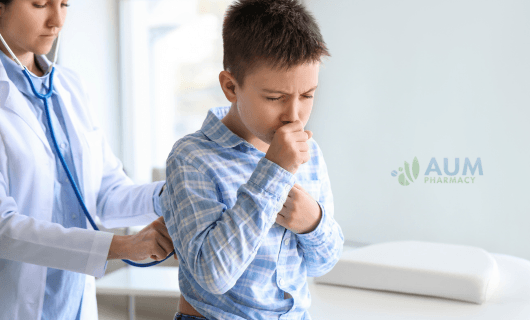
Whooping cough
Overview of Whooping cough
Whooping cough, medically known as pertussis, is a highly infectious respiratory condition triggered by the bacterium Bordetella pertussis. The term “pertussis” translates to “intense cough,” referencing the hallmark symptom of the illness—a severe coughing spell followed by a sharp "whooping" noise as the patient inhales deeply.
Although it can impact individuals across all age brackets, the intensity of the symptoms can vary widely depending on factors such as age, immune system strength, and how extensively the infection has progressed.
The illness generally begins with symptoms resembling the common cold—such as a runny nose, mild fever, or light cough. Over the course of approximately two weeks, these symptoms can progress into a dry, persistent cough that disrupts breathing. In babies, a cough may be minimal or absent, but they are prone to a dangerous symptom called apnea, which involves a pause in breathing.
Vaccination remains the most effective method of prevention and is advised across all age groups. The pertussis vaccine is typically administered in combination with diphtheria and tetanus vaccines.
Important Facts of Whooping cough

Usually seen in
- All age groups

Gender affected
- Both males and females

Body part(s) involved
- Lungs

Prevalence
- 20–40 million global cases (2017)

Mimicking Conditions
- Viral respiratory infections,
- Pneumonia,
- Tuberculosis,
- Bronchiolitis

Necessary health tests/imaging
- White blood cell count,
- Differential count,
- Nasal/throat swab testing,
- Chest X-ray

Treatment
- Azithromycin,
- Clarithromycin,
- Erythromycin

Specialists to consult
- General physician,
- Pediatrician,
- Pulmonologist,
- Infectious disease expert
Symptoms Of Whooping cough
The incubation period—the duration between exposure and the onset of symptoms—is typically 7 to 14 days. Symptoms develop in three distinct phases:
Catarrhal Phase
This highly contagious early stage lasts one to two weeks.
Symptoms mirror those of a cold and include:
- Runny nose
- Nasal blockage
- Mild fever (below 102°F)
- Occasional coughing and sneezing
During this phase, coughing begins to worsen and may become more frequent, especially at night, though it has not yet developed into its characteristic paroxysmal pattern.
Paroxysmal Phase
During this stage, coughing fits—or paroxysms—intensify due to mucus accumulation in the airways. This phase can last two to six weeks and is often marked by:
- Repeated coughing fits followed by a “whoop” sound when inhaling
- Vomiting after coughing
- Exhaustion and facial discoloration (red or blue)
- Headaches and lightheadedness
In some individuals, the “whoop” may not occur, but persistent, uncontrollable coughing remains a key sign. Triggers like laughing, yawning, or physical activity can induce coughing. Infants may struggle to breathe rather than show traditional coughing symptoms.
Convalescent Phase
This recovery phase spans one to four weeks. Symptoms gradually lessen, and coughing becomes less intense and less frequent. Vomiting usually stops, and the individual’s energy and appetite improve.
Triggering Factors Of Whooping cough
Whooping cough is a bacterial disease caused by Bordetella pertussis, which spreads primarily through respiratory droplets released when an infected individual coughs or sneezes. Inhalation of these droplets allows the bacteria to enter the respiratory tract, where they bind to hair-like structures (cilia) lining the airways. The toxins they release damage these structures and cause airway inflammation, leading to breathing difficulties.
Infected individuals are typically most contagious during the first two weeks after coughing begins. According to the WHO, most of the 20–40 million global cases each year occur in developing countries. Low vaccination rates among children lead to higher risk, while adolescents and adults often serve as the main source of transmission to infants.
Potential Risks for Whooping cough
Although infection can occur year-round, it is more common in summer months. Several groups have a heightened risk of infection, including:
Unvaccinated Individuals
The American Lung Association states that lack of vaccination significantly increases the likelihood of infection.
- Pregnant women: Those nearing delivery should avoid exposure to infected individuals.
- Infants: Babies under two months cannot yet receive vaccinations and are particularly vulnerable. Infection in this age group often necessitates hospitalization.
Close Contact with Infected Persons
Sharing living space or personal items with someone who has whooping cough increases the risk of contracting the illness.
Adults with Asthma
People with asthma are more likely to catch pertussis and may experience more severe symptoms. Moreover, those who had pertussis in childhood may face an increased risk of developing asthma later in life. For these individuals, staying current with vaccinations is strongly advised.
Diagnosis Of Whooping cough
While the symptoms of whooping cough are often clear, detecting the illness in its early stages can be difficult because they resemble those of common respiratory infections like a cold. If your cough persists for more than 7–10 days or worsens over time, it’s important to see a doctor.
Your doctor will likely ask detailed questions about your symptoms and the nature of your cough. Based on this information, certain diagnostic tests may be
recommended to confirm a pertussis infection:
Total Leucocyte Count (TLC)
This is a general blood test used to identify signs of infection or inflammation. It involves measuring the number of white blood cells (WBCs), which are crucial to the immune response. An elevated WBC count may point to an ongoing infection in the body.
Differential Leucocyte Count (DLC)
This test evaluates the proportion of different types of white blood cells present in your bloodstream, helping to identify the type and severity of the immune response.
Nasopharyngeal Culture Test
A sample is collected from the upper throat where it meets the nasal cavity using a swab. The sample is then cultured in a lab to check for the presence of Bordetella pertussis, the bacterium responsible for whooping cough.
Polymerase Chain Reaction (PCR) Test
This advanced test uses DNA technology to detect Bordetella pertussis with high sensitivity. It's considered a rapid and accurate method of diagnosis.
Chest X-ray
This imaging test captures detailed pictures of the chest, including the lungs and airways. It helps detect inflammation, fluid buildup, or other signs of lung involvement that might be caused by the infection.
Preventive Measures Of Whooping cough
The most effective way to prevent whooping cough is through timely vaccination and maintaining up-to-date immunization. In addition to vaccines, adopting other precautionary steps can help limit the spread of the illness.
Vaccination and Immunization
Vaccination remains the cornerstone of whooping cough prevention for all age groups—including infants, children, teenagers, adults, and pregnant women. The two main vaccines available are:
- DTaP (Diphtheria, Tetanus, acellular Pertussis)
- Tdap (Tetanus, Diphtheria, acellular Pertussis)
Both vaccines also offer protection against diphtheria and tetanus.
Types of Vaccines Available
There are two primary categories of whooping cough vaccines:
- Whole-cell (wP/DTwP)
- Acellular (aP/DTaP)
India has incorporated the whole-cell vaccine into its national immunization program since 1978. Acellular vaccines are more commonly offered by private healthcare providers.
Vaccination Schedule Recommendations (American Lung Association):
DTaP for infants and young children:
- At 2, 4, and 6 months
- Between 15 and 18 months
- Between 4 and 6 years
Tdap for preteens:
- At 11 or 12 years of age
Tdap for pregnant women:
- During weeks 27 to 36 of pregnancy
Tdap for adults:
- Especially those with asthma or those who have never received the vaccine
Chemoprophylaxis
This involves administering medication to prevent illness in individuals at high risk. Erythromycin is commonly prescribed to family members or close contacts of patients, especially when infants under the age of two are involved.
Additional Preventive Measures
To further reduce the risk of whooping cough transmission, the following practices are advised:
Self-isolation for suspected cases
- Anyone showing symptoms should avoid close contact with others, especially babies and unvaccinated individuals, to prevent the spread of infection.
Keeping vaccinations current
- Staying updated with booster doses is vital for long-term protection. Adults aged 19–65, especially those in close contact with infants under one year, should ensure their vaccinations are up-to-date.
Good personal hygiene practices
- Because pertussis spreads easily, maintaining hand hygiene is essential. Wash your hands frequently with soap and water. If you’re around someone who is sick, always cover your mouth and nose when sneezing or coughing.
Personal hygiene not only supports individual health but also limits the spread of infections to others.
Specialist to Consult
Since early symptoms of pertussis often mimic a cold, it can be misdiagnosed. However, if the cough becomes severe or leads to additional symptoms such as:
- Vomiting after coughing fits
- Discoloration of the lips or face (red, blue, or purple)
- Trouble breathing
- A high-pitched whooping sound after coughing
- Lethargy or sluggishness
…it’s crucial to seek medical advice.
For diagnosis and treatment, you may need to consult:
- A general physician
- A pediatrician (for children)
- An infectious disease specialist
- A pulmonologist (lung specialist)
Treatment Of Whooping cough
Whooping cough is caused by a bacterial infection and can be managed effectively with antibiotics. Starting treatment early significantly reduces the intensity and duration of symptoms. Once the infection is confirmed by a doctor, antibiotic therapy is usually initiated immediately.
Medications
Common antibiotics prescribed include:
- Azithromycin
- Clarithromycin
- Erythromycin
In infants, the condition tends to be more severe and may lead to complications. Hospitalization is often required in such cases. In critical situations, intravenous fluids may be necessary to maintain hydration and support recovery.
Supportive Measures
Basic supportive care involves ensuring adequate nutrition and fluid intake while avoiding environmental factors that may worsen coughing. Salbutamol administered via nebulization can help ease bronchospasm and minimize coughing fits. If nebulization is not feasible, the same medication can be taken orally.
Health Complications Of Whooping cough
If untreated, whooping cough can lead to serious health issues, especially in babies and young children who haven’t been fully vaccinated.
Complications in Infants
As per data from the CDC, nearly half of infants under one year infected with whooping cough require hospitalization. Among these:
- 1 in 4 (23%) develops pneumonia
- 1 in 100 (1.1%) may suffer seizures
- 3 in 5 (61%) experience apnea (temporary cessation of breathing)
- 1 in 300 (0.3%) may develop brain-related complications (encephalopathy)
- 1 in 100 (1%) can die from the infection
Complications in Teenagers and Adults
Vaccinated individuals usually face fewer problems. However, in severe cases, complications can include:
- Pneumonia: Can lead to respiratory distress and requires immediate medical attention
- Seizures: Sudden brain disturbances causing involuntary movements or loss of consciousness
- Encephalopathy: A group of disorders affecting brain function
- Hernia: Caused by persistent coughing, where internal tissue pushes through muscle layers
- Collapsed lung: Intense and continuous coughing may damage lung tissue
- Tuberculosis flare-ups: Pertussis may reactivate dormant TB infections
- Malnutrition: Vomiting and reduced food intake due to severe coughing may result in poor nutrition
Alternative Therapies For Whooping cough
Homemade Remedies for Whooping cough
The illness is often marked by symptoms like persistent cough, nasal congestion, low-grade fever, and a runny nose. Effective home care strategies include:
- Avoid using over-the-counter cough suppressants for children unless directed by a physician.
- Refrain from close contact with others until full recovery to minimize transmission.
- Address flu-like symptoms with doctor-prescribed medications and ensure sufficient rest.
- Eliminate environmental triggers such as smoke, dust, or chemical fumes.
- Maintain proper hand hygiene with frequent washing using soap and water.
- Stay hydrated by consuming fluids like water, fresh juices, and broths. Watch for dehydration signs in children, including dry lips, fewer tears, or reduced urination.
- Use a cool-mist humidifier to help loosen mucus and ease breathing.
- Provide small, frequent meals to aid digestion and reduce the risk of vomiting.
- Wear a mask to prevent spreading the infection to others.
Lifestyle Modifications Whooping cough
While antibiotics can cure the bacterial infection, some cases may escalate, requiring additional care. To manage the condition effectively:
- Stay current with vaccinations: Booster shots are essential as immunity fades over time. Ensure timely updates as per medical advice.
- Get adequate rest: Continue resting until symptoms resolve, and follow up regularly with your doctor if complications arise.
- Maintain a clean environment: Keep living spaces free from irritants like smoke, dust, or strong fumes.
- Follow hygiene protocols: Regular handwashing helps prevent reinfection or transmission.
- Hydrate frequently: Replenish lost fluids with water, soups, and other hydrating liquids.
- Use vaporizers: A cool mist vaporizer can ease congestion and make breathing more comfortable.
- Eat light and frequent meals: This helps avoid digestion issues and vomiting linked to coughing fits.
- Avoid cough syrups for kids: Such medications may not be suitable for children and can hinder recovery by not clearing airways effectively.
- Watch for dehydration: Especially in children, monitor for signs like dry mouth or decreased urination.
In case of worsening symptoms, consult your doctor immediately and follow the prescribed treatment plan diligently.
Frequently Asked Questions
Subscribe to stay informed
Subscribe to our carefully crafted informative emailers by Medical Experts and be the first to get the latest health news, tips, and important updates.