


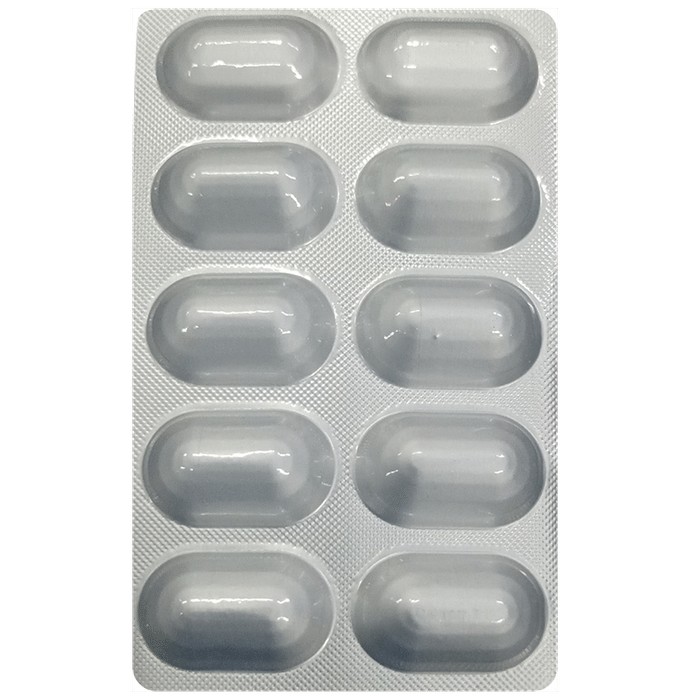
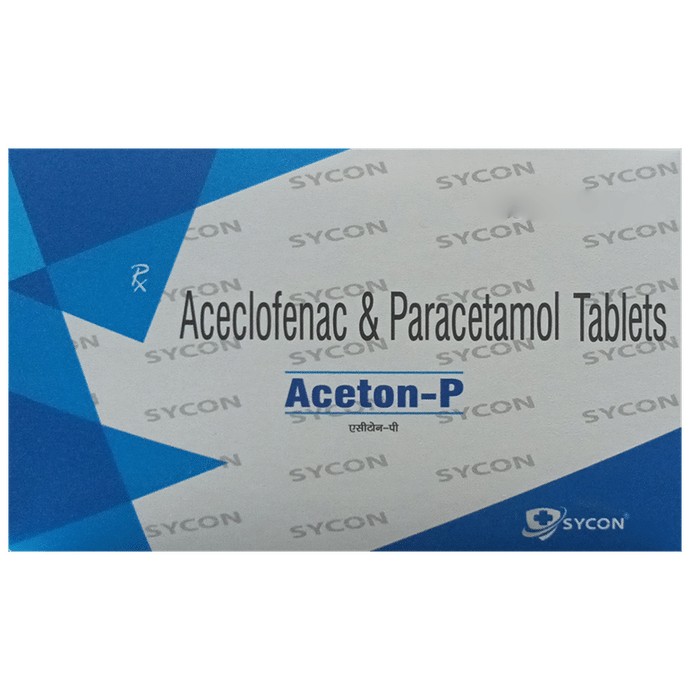
Aceton-P Tablet

Marketer
Sycon Healthcare Pvt Ltd
Salt Composition
Aceclofenac (100mg) + Paracetamol (325mg)
Overview Aceton-P Tablet
This analgesic, Aceton-P Tablet, alleviates pain and inflammation. It's indicated for conditions such as rheumatoid arthritis, ankylosing spondylitis, and osteoarthritis, and can also provide relief from muscle aches, back pain, dental pain, and ear, nose, and throat discomfort. Administration is independent of meals, and consistent usage, as prescribed by your physician, is crucial. Dosage adjustments are possible based on individual pain levels and response. Exceeding the recommended dosage or duration is strongly discouraged. Potential side effects include nausea, vomiting, abdominal pain, appetite suppression, dyspepsia, and diarrhea. Persistent or bothersome side effects warrant immediate medical attention; your doctor can explore alternative treatments or dosage modifications. Prior consultation with your doctor is essential, particularly if you have pre-existing cardiac, renal, hepatic issues, or peptic ulcers. Complete disclosure of all medications currently in use is vital for safety assessment. Pregnant or lactating individuals must seek medical advice before commencing Aceton-P Tablet therapy.
Uses of Aceton-P Tablet
Analgesia
Major Benefits of Aceton-P Tablet:
Follow your doctor's instructions precisely regarding dosage and treatment length for this medication. Ingest the tablet whole; avoid chewing, crushing, or breaking it. Aceton-P Tablets can be administered with or without food, although consistent timing is recommended.
Common Side effects of Aceton-P Tablet:
- Nausea
- Vomiting
- Stomach pain/epigastric pain
- Loss of appetite
- Heartburn
- Diarrhea
How to use Aceton-P Tablet:
Consume this medication precisely as your physician directs, adhering to both the prescribed dosage and treatment period. Ingest the tablet whole; avoid chewing, crushing, or fracturing it. Aceton-P Tablet can be administered with or without food, however, consistent timing is recommended.
How Aceton-P Tablet works:
Aceclofenac and Paracetamol, the active components of Aceton-P Tablet, alleviate pain, fever, and inflammation by inhibiting the activity of inflammatory mediators.
SAFETY ADVICE
 AlcoholUNSAFE
Consuming alcohol concurrently with Aceton-P Tablet is inadvisable.
 PregnancyCONSULT YOUR DOCTOR
The use of Aceton-P Tablets during pregnancy may pose risks. While human research is scant, animal studies indicate potential harm to the fetus. A physician will assess the advantages against possible risks prior to any prescription. Physician consultation is advised.
 Breast feedingCONSULT YOUR DOCTOR
Data on Aceton-P Tablet use while breastfeeding is absent. Seek medical advice.
 DrivingUNSAFE
Taking Aceton-P Tablets might cause drowsiness, blurred vision, or dizziness. Refrain from driving if you experience these side effects.
 KidneyCAUTION
Patients with kidney impairment should use Aceton-P Tablets cautiously, potentially requiring dose modification under medical supervision. Aceton-P Tablets are contraindicated in individuals with severe kidney disease.
 LiverCAUTION
Patients with liver impairment should use Aceton-P Tablets cautiously, potentially requiring dosage modification under medical supervision. Aceton-P Tablets are contraindicated for individuals with severe or active liver disease.
What if you forget to take Aceton-P Tablet :
Should you forget to take your Aceton-P Tablet, administer it at your earliest convenience. If, however, your next scheduled dose is imminent, omit the missed dose and resume your usual medication regimen. Never take a double dose.
Facts to Know About Aceton-P Tablet
| Label | Value |
|---|---|
| Developing Habits | No. |
| Treatment Category | Pain Relievers |
 3,018 People bought this recently