


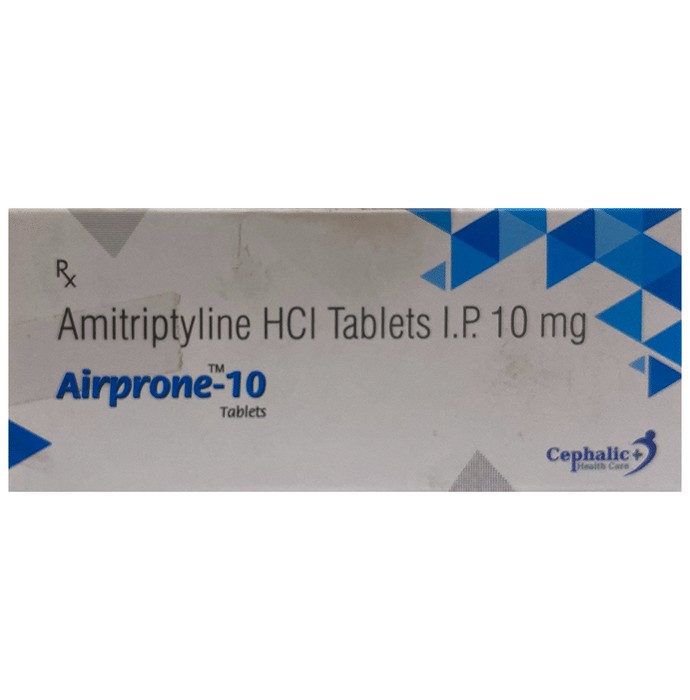
Airprone 10 Tablet

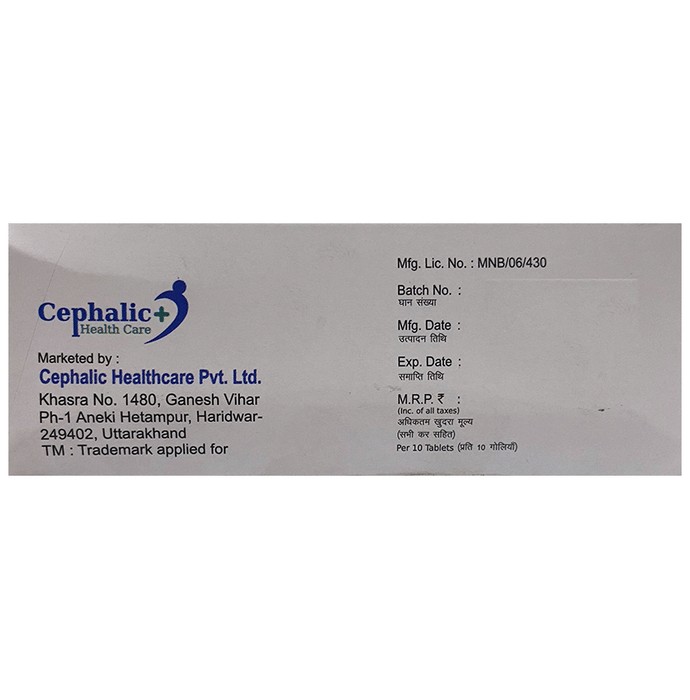
Marketer
Cephalic Healthcare Pvt. Ltd.
Salt Composition
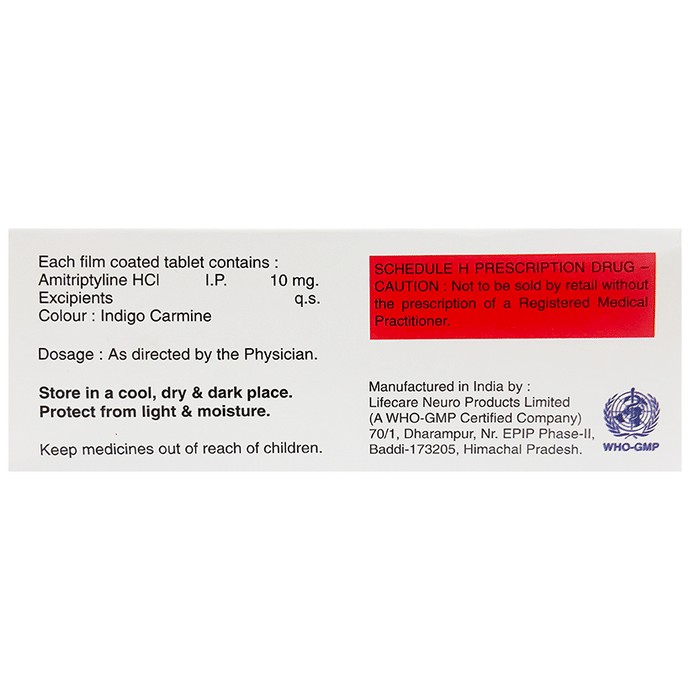
Amitriptyline (10mg)
Overview Airprone 10 Tablet
Airprone 10mg tablets contain a tricyclic antidepressant. Dosage varies, treating and preventing conditions including depression, neuropathic pain, and migraine. Typically administered before sleep due to sedative effects, it can be taken with or without food. Your physician will determine the appropriate dosage and frequency to effectively manage your symptoms. Gradual dose escalation, under strict medical guidance, is crucial. Therapeutic effects may not be immediate; several weeks might pass before experiencing full benefits. Treatment duration depends on the condition being treated, but consistent use, even when feeling well, is vital. Abrupt cessation should be avoided; consult your doctor before discontinuation to prevent symptom exacerbation or withdrawal. Dosage reduction should be gradual. Common, usually mild, side effects encompass nausea, constipation, sweating, dry mouth, drowsiness, tremor, dizziness, headache, speech and vision disturbances, tachycardia, low blood pressure upon standing, and nasal congestion. Irritability, confusion, and weight gain are also possible. While not addictive, sudden discontinuation may trigger withdrawal. Your doctor can offer strategies to mitigate or alleviate bothersome side effects. Serious adverse reactions are infrequent.
Primary Ingredients of Airprone 10 Tablet
No text provided. Please provide the text you wish me to rephrase.
Uses of Airprone 10 Tablet
Managing Depressive Disorders | Migraine Headache Therapy | Neuropathic Pain Management
Major Benefits of Airprone 10 Tablet:
Administer this medication precisely as your physician directs, adhering to both the prescribed dosage and treatment period. Ingest the tablet whole; avoid chewing, crushing, or fracturing it. Airprone 10 Tablet can be consumed with or without food; however, consistent daily timing is recommended.
Common Side effects of Airprone 10 Tablet:
- Nausea
- Constipation
- Dryness in mouth
- Aggressive behavior
- Nasal congestion (stuffy nose)
- Sleepiness
- Dizziness
- Headache
- Decreased libido
- Fatigue
- Confusion
- Tremors
- Speech disorder
- Weight gain
- Taste change
- Paresthesia (tingling or pricking sensation)
- Abnormality of voluntary movements
- Loss of accommodation
- Micturition disorders
- Orthostatic hypotension (sudden lowering of blood pressure on standing)
- Erectile dysfunction
- Abnormal ECG
- Decreased sodium level in blood
How to use Airprone 10 Tablet:
Follow your doctor's instructions precisely regarding dosage and treatment length for Airprone 10 Tablet. Ingest the tablet whole; avoid chewing, crushing, or breaking it. This medication can be taken with or without food, although consistent timing is recommended.
How Airprone 10 Tablet works:
Amitriptyline, the active ingredient in Airprone 10 Tablet, is a tricyclic antidepressant with sedative and anticholinergic effects. By inhibiting the reuptake of noradrenaline and serotonin—neurotransmitters at nerve endings in the brain—it increases their availability. This enhanced neurotransmitter activity is believed to underlie its antidepressant action, improving mood regulation. Furthermore, it reduces the transmission of pain signals from damaged nerves to the brain, providing relief from neuropathic pain.
SAFETY ADVICE
 AlcoholUNSAFE
Consuming alcohol alongside Airprone 10 Tablet is inadvisable.
 PregnancyCONSULT YOUR DOCTOR
The use of Airprone 10 Tablet during pregnancy may pose risks. While human research is scarce, animal studies indicate potential harm to a fetus. A physician will assess the advantages against possible risks prior to prescribing. Seek medical advice.
 Breast feedingCONSULT YOUR DOCTOR
The use of Airprone 10 Tablet while breastfeeding is likely inadvisable. Available human data indicates potential transfer of the medication into breast milk, posing a possible risk to the infant.
 DrivingUNSAFE
Driving ability may be compromised by Airprone 10 Tablet, due to potential side effects that can reduce alertness.
 KidneySAFE IF PRESCRIBED
The use of Airprone 10 Tablet in individuals with kidney disease appears to present a low risk. Current evidence indicates dose modification may be unnecessary, but physician consultation is recommended.
 LiverCAUTION
Individuals with hepatic impairment should use Airprone 10 Tablet cautiously, potentially requiring dosage modification. Physician consultation is advised. Airprone 10 Tablet is contraindicated in patients exhibiting severe liver dysfunction.
What if you forget to take Airprone 10 Tablet :
Should you forget to take your Airprone 10 Tablet, administer it at your earliest convenience. Nevertheless, if your next scheduled dose is imminent, omit the missed dose and resume your usual dosing regimen. Avoid taking a double dose.
Facts to Know About Airprone 10 Tablet
| Label | Value |
|---|---|
| Chemical Category | Dibenzocycloheptene derivative |
| Developing Habits | No. |
| Type of Treatment | Neuroscience of the Central Nervous System |
 3,018 People bought this recently