


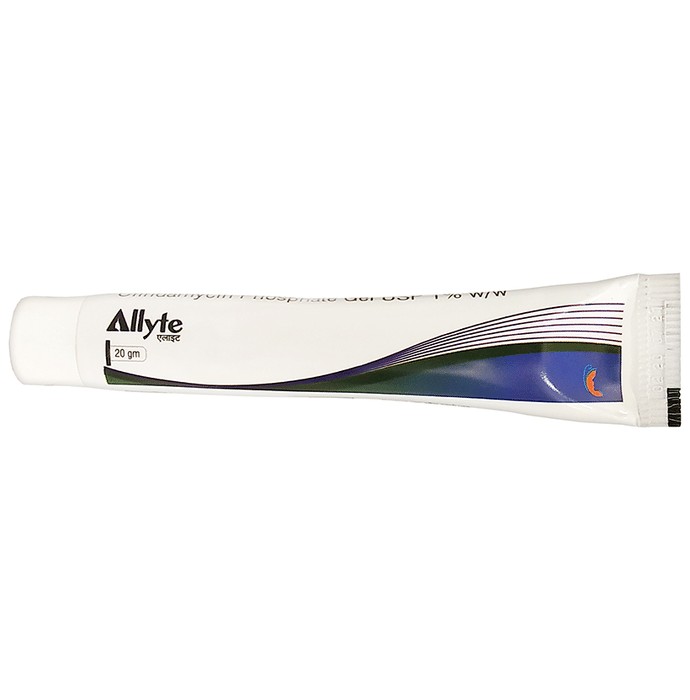
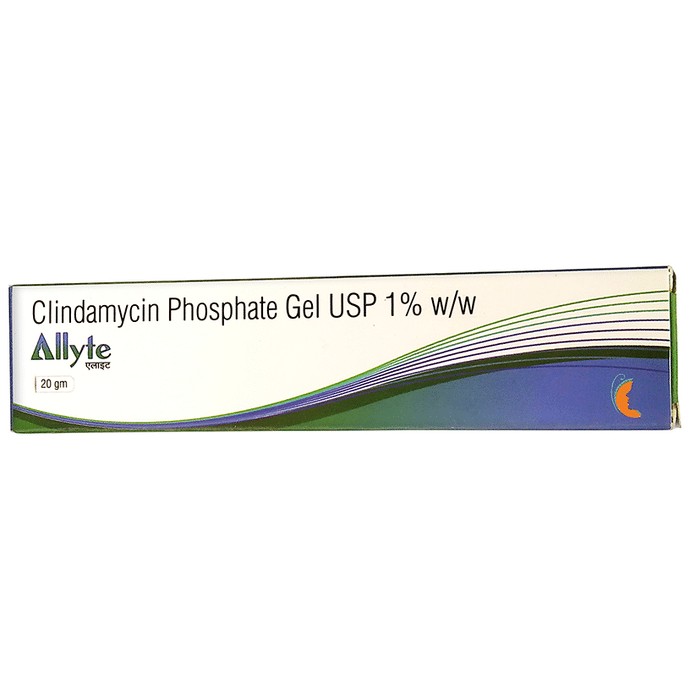
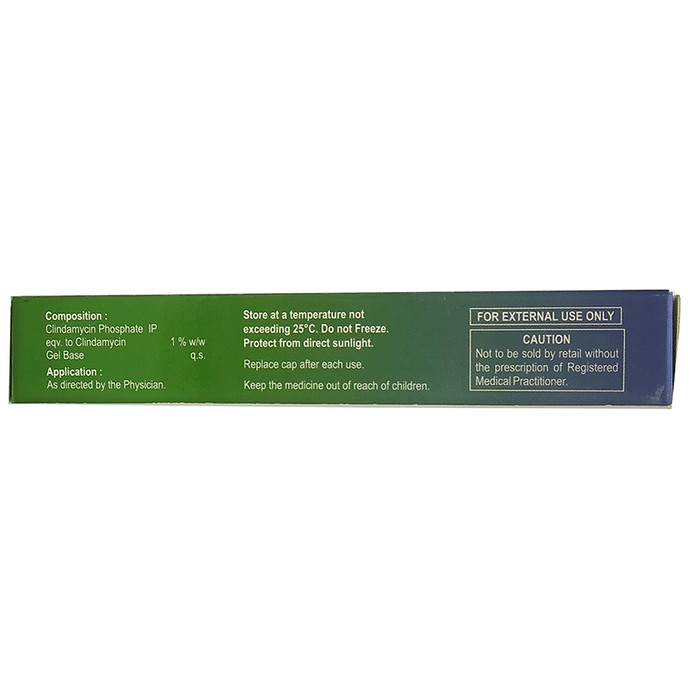
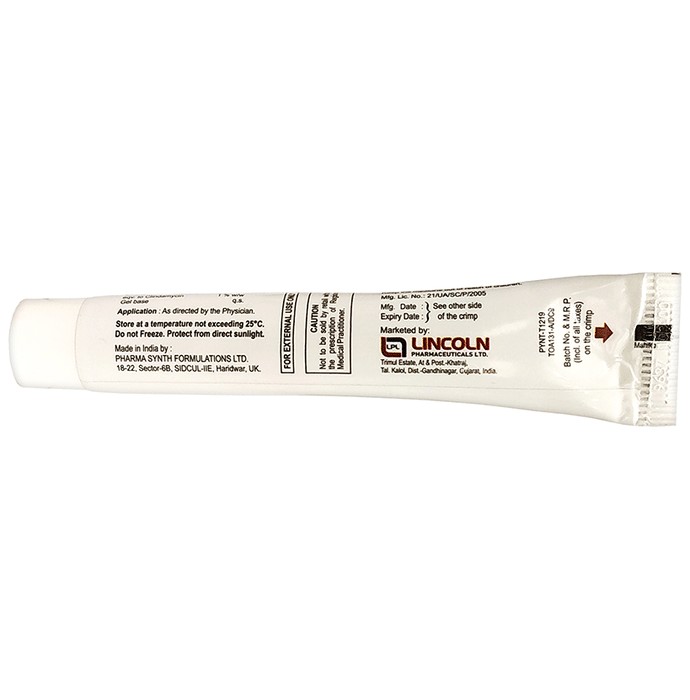
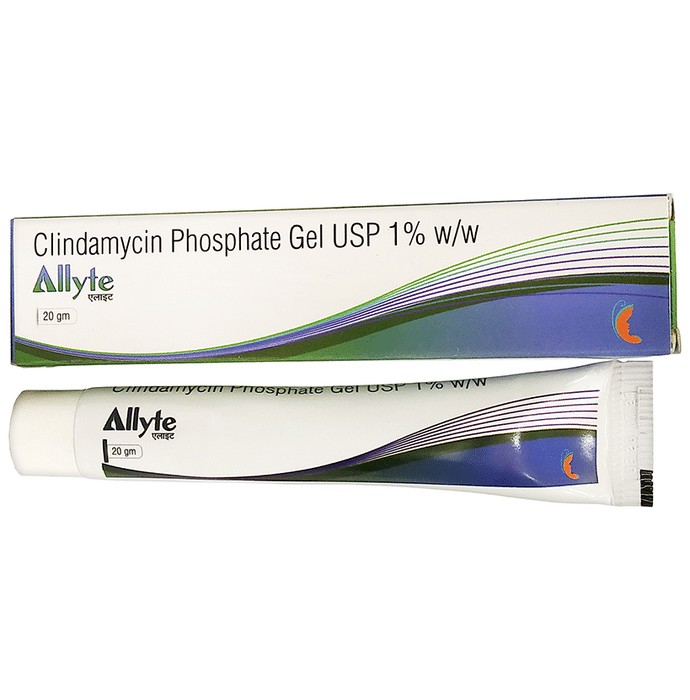
Allyte Gel

Marketer
Lincoln Pharmaceuticals Ltd
Salt Composition
Clindamycin (1%)
Overview Allyte Gel
AcneClear Gel is a bacterial infection fighter. It treats acne breakouts—spots and pimples—on the face, chest, and back. This medication targets the bacteria responsible for these blemishes, inhibiting their growth. This improves symptoms and clears the underlying infection. It can be used with or without food, but consistent, evenly-spaced application, as directed by your physician, is crucial. Daily use at the same time aids adherence to the prescribed regimen. Dosage will be determined by your doctor. Complete the full course, even with symptom improvement; premature cessation risks recurrence or worsening infection. Common, generally mild, side effects may include abdominal discomfort, nausea, vomiting, and diarrhea. Report persistent or troublesome side effects to your doctor. Inform your physician of any liver or kidney issues, bowel problems, or history of antibiotic-induced bloody diarrhea before using. Always disclose all other medications to your healthcare provider, as interactions are possible. Pregnant or breastfeeding individuals must consult their doctor before using AcneClear Gel.
Primary Ingredients of Allyte Gel
No information provided. Please provide the text you wish to be rewritten.
Uses of Allyte Gel
Combating bacterial infections and acne vulgaris.
Major Benefits of Allyte Gel:
Apply this medication topically only. Follow your physician's instructions regarding dosage and treatment length. Always consult the product label for application guidelines. Ensure the affected skin is clean and dry before applying the gel. Wash your hands thoroughly afterward, except when the affected area is on your hands.
Common Side effects of Allyte Gel:
- Stomach pain
- Nausea
- Vomiting
- Diarrhea
- Application site reactions (burning, irritation, itching and redness)
- Skin rash
How to use Allyte Gel:
Apply this medication topically only. Follow your physician's instructions regarding dosage and treatment length. Always consult the product label for application details. Cleanse and dry the affected skin prior to applying the gel. Subsequently, wash your hands, except when the affected area is on your hands.
How Allyte Gel works:
Allyte Gel is a medication with antibiotic properties. Its mechanism involves disrupting the production of crucial bacterial proteins, thereby hindering their essential life processes. This action inhibits bacterial proliferation and halts the infection's progression.
SAFETY ADVICE
 AlcoholNone
No known drug interactions.
 PregnancySAFE IF PRESCRIBED
The use of Allyte Gel during pregnancy is typically deemed safe. Preclinical trials in animals revealed minimal or no negative consequences for fetal development; nevertheless, data from human studies are scarce.
 Breast feedingCONSULT YOUR DOCTOR
The use of Allyte Gel while breastfeeding is likely inadvisable. Available human data indicates potential transfer of the medication into breast milk, posing a possible risk to the infant.
 DrivingNone
No known drug interactions.
 KidneyNone
No known drug interactions.
 LiverNone
No drug interaction detected.
What if you forget to take Allyte Gel :
Should you forget a dose of Allyte Gel, administer it at your earliest convenience. Nevertheless, if your next dose is imminent, omit the missed dose and resume your usual dosing regimen. Avoid taking a double dose.
Facts to Know About Allyte Gel
| Label | Value |
|---|---|
| Chemical Type | Lincomycin |
| Developing Habits | No. |
| Type of Therapy | Anti-Infectives |
 3,018 People bought this recently