



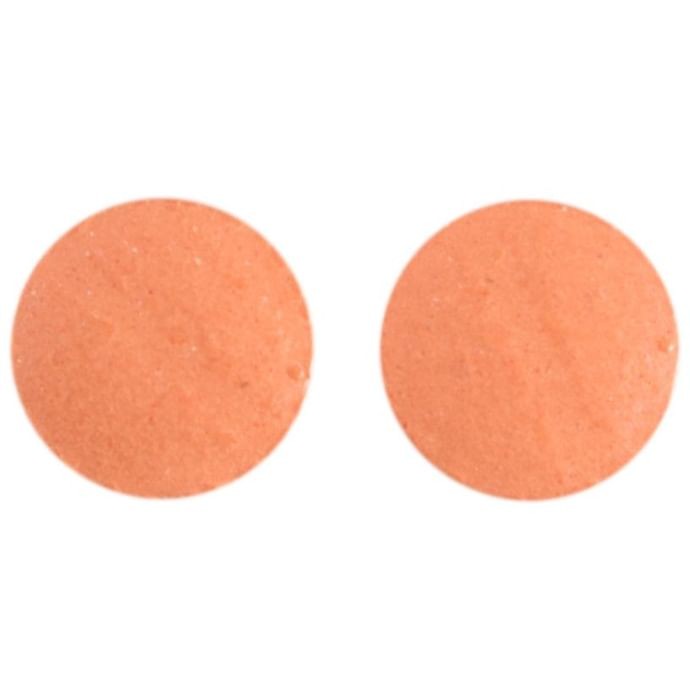

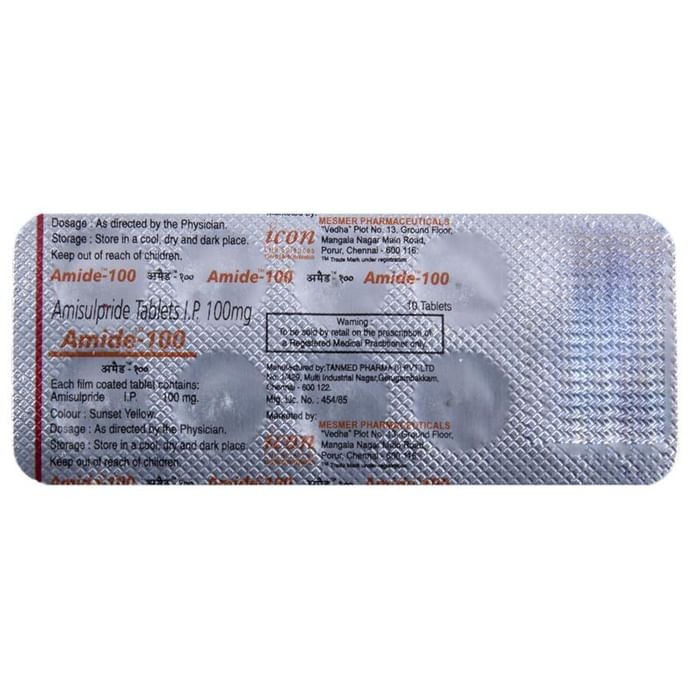

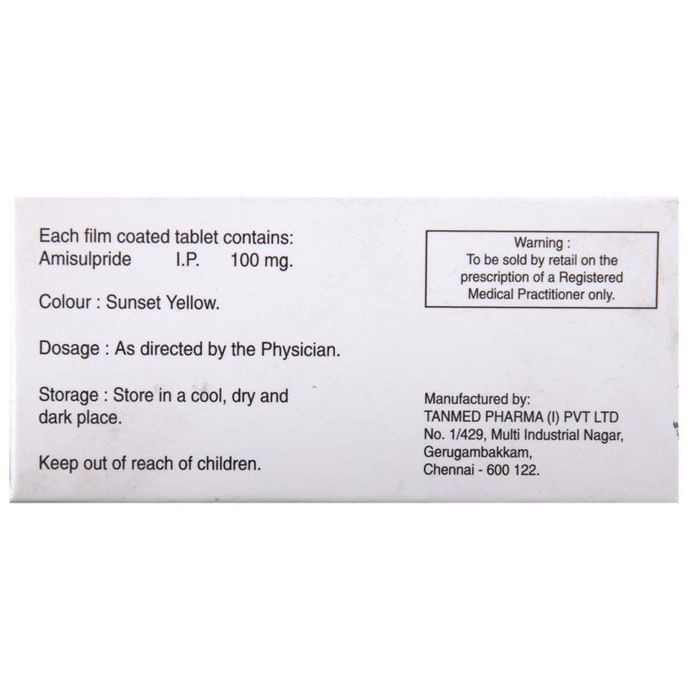
Amide 100 Tablet

Marketer
Icon Life Sciences
Salt Composition
Amisulpride (100mg)
Overview Amide 100 Tablet
Schizophrenia, a debilitating mental illness characterized by hallucinations, delusions, and impaired cognitive function, is treated with the prescription medication Amide 100 Tablet. This medication can be administered with or without food, ideally before sleep, but consistent daily timing is crucial for optimal therapeutic blood levels. Follow your physician's prescribed dosage and duration; if a dose is missed, take it immediately upon recollection. Complete the entire course of treatment, even with symptom improvement, and never discontinue use abruptly without consulting your doctor, as this may exacerbate your condition. Common side effects include nausea, vomiting, dry mouth, blurred vision, sleep disturbances, and impotence. Initially, postural hypotension (a sudden blood pressure drop upon standing) may occur; rise slowly from a sitting or lying position. Drowsiness and dizziness are also possible, so avoid driving or tasks requiring alertness until the medication's effects are known. Weight gain, elevated blood sugar, and increased cholesterol are potential long-term effects, mitigable through healthy diet and exercise.
Primary Ingredients of Amide 100 Tablet
No text provided. Please provide the text you want me to rephrase.
Uses of Amide 100 Tablet
Split personality disorder
Major Benefits of Amide 100 Tablet:
Consume this medication according to your physician's prescribed dosage and schedule. Ingest the tablet whole; avoid chewing, crushing, or fracturing it. Amide 100 Tablets can be administered with or without food, although consistent timing is recommended.
Common Side effects of Amide 100 Tablet:
- Nausea
- Vomiting
- Dryness in mouth
- Constipation
- Weight gain
- Decreased blood pressure
- Dystonia (involuntary muscle contractions)
- Akathisia (inability to stay still)
- Increased prolactin level in blood
- Blurred vision
- Insomnia (difficulty in sleeping)
- Erectile dysfunction
How to use Amide 100 Tablet:
Follow your doctor's instructions precisely regarding dosage and treatment length for this medication. Ingest the tablet whole; avoid crushing, chewing, or breaking it. Amide 100 Tablets can be administered with or without food, although consistent timing is recommended.
How Amide 100 Tablet works:
Amide 100 Tablet, an atypical antipsychotic medication, alters the activity of specific neurotransmitters in the brain, thereby influencing cognitive processes.
SAFETY ADVICE
 AlcoholUNSAFE
Consuming alcohol concurrently with Amide 100 Tablet is inadvisable.
 PregnancyCONSULT YOUR DOCTOR
The use of Amide 100 Tablet during pregnancy may pose risks. While human research is scarce, animal studies indicate potential harm to the fetus. A physician will assess the advantages against possible risks prior to prescribing. Patient consultation with their doctor is advised.
 Breast feedingCONSULT YOUR DOCTOR
The use of Amide 100 Tablets while breastfeeding is likely inadvisable. Available human data indicates potential transfer to breast milk, posing a possible risk to the infant.
 DrivingUNSAFE
Taking Amide 100 Tablets might impair your driving ability due to potential side effects.
 KidneyCAUTION
Patients with kidney impairment should use Amide 100 Tablets cautiously, potentially requiring dosage modification. Physician consultation is advised.
 LiverSAFE IF PRESCRIBED
Amide 100 Tablet appears to pose minimal risk for individuals with hepatic impairment. Current evidence indicates dose modification may be unnecessary in such cases. Physician consultation is recommended.
What if you forget to take Amide 100 Tablet :
Should you forget a dose of Amide 100 Tablet, administer it at your earliest convenience. Nevertheless, if your next scheduled dose is imminent, omit the missed dose and resume your usual dosing regimen. Avoid taking a double dose.
Facts to Know About Amide 100 Tablet
| Label | Value |
|---|---|
| Chemical Category | Denzamide Analog |
| Developing Habits | No. |
| Treatment Category | Neuroscience of the Central Nervous System |
 3,018 People bought this recently