


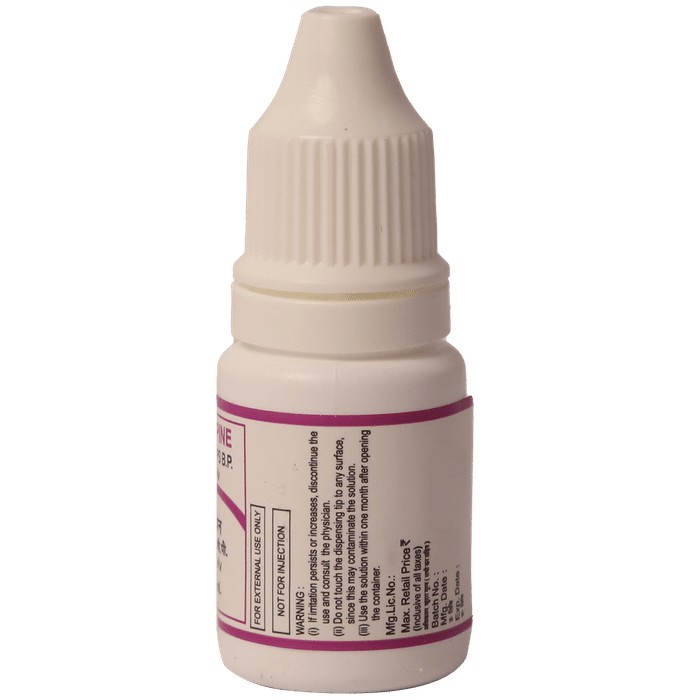
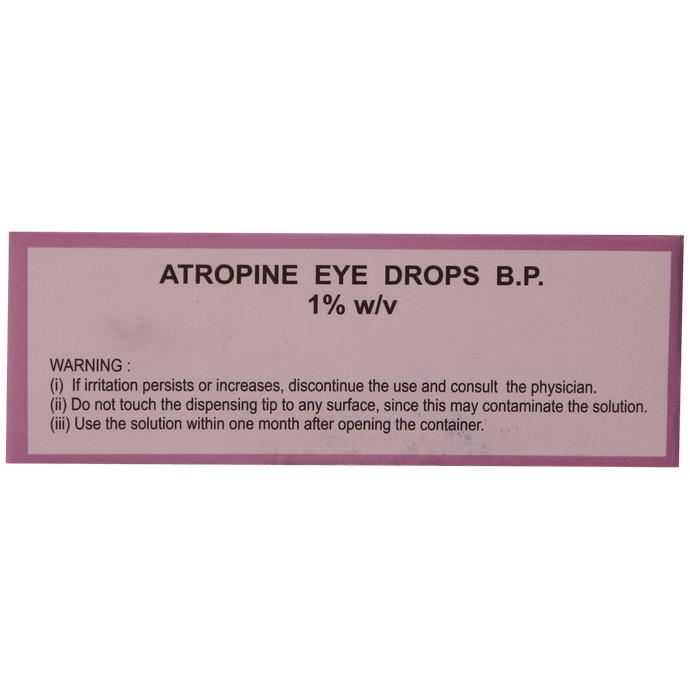
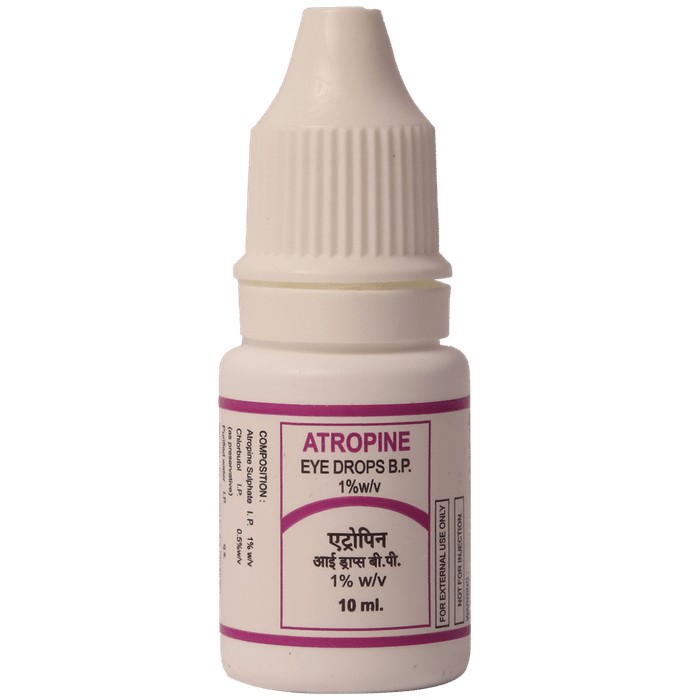
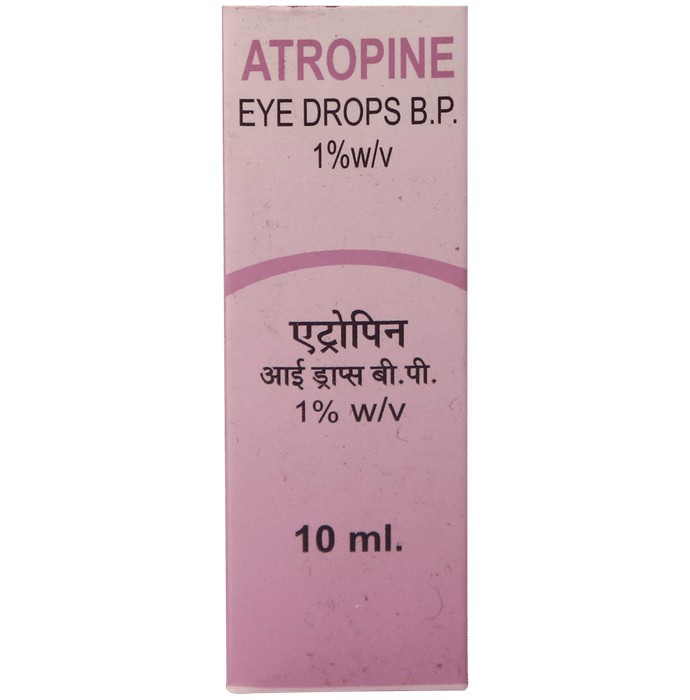
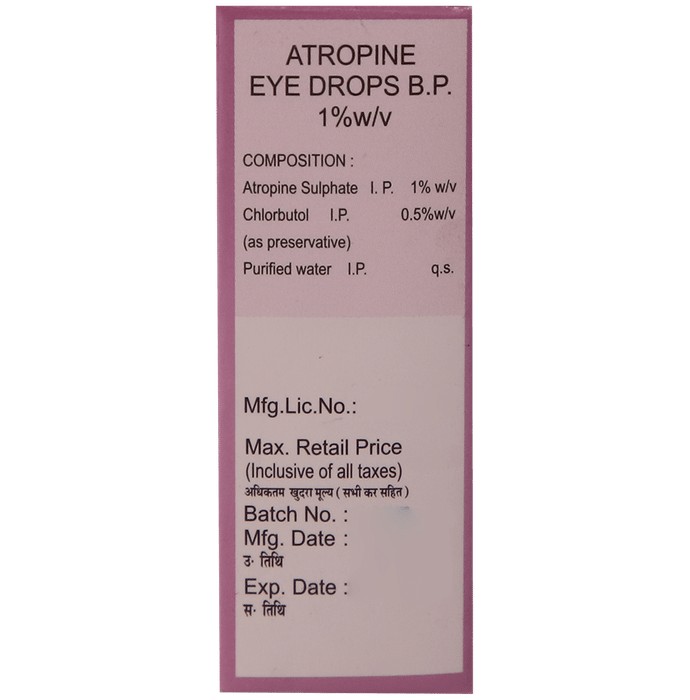
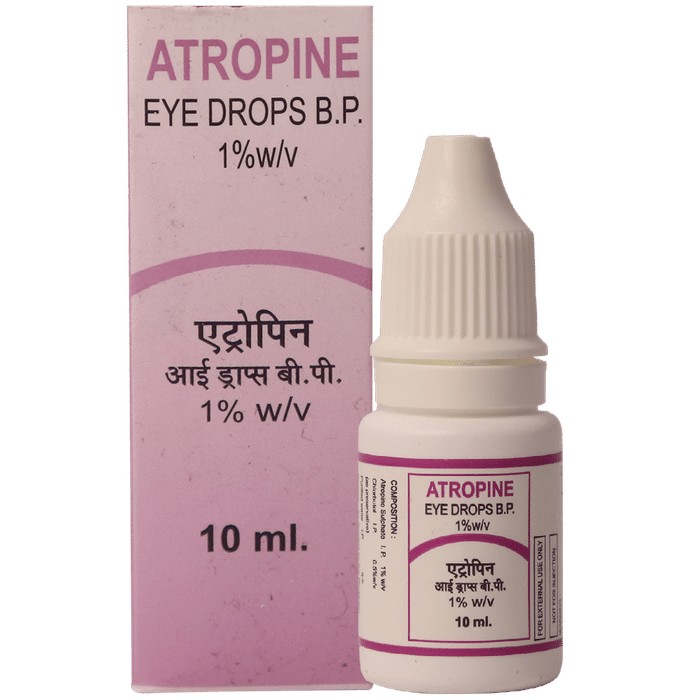
Atropine 1% Eye Drop

Marketer
Jawa Pharmaceuticals Pvt Ltd
Salt Composition
Atropine (1% w/v)
Overview Atropine 1% Eye Drop
Atropine 1% ophthalmic solution treats nearsightedness and eye inflammations (uveitis, iritis). It also induces cycloplegia, aiding eye exams and diagnosing conditions like blurry vision or strabismus in children. This solution is for topical use only; administer as prescribed. Always read instructions before use. Thorough handwashing before and after application minimizes infection risk. Avoid rubbing eyes afterward to prevent irritation or redness. Complete the full course of treatment. Minor, temporary side effects, including blurred vision, light sensitivity, dry eyes, stinging, and potentially elevated blood pressure, may occur and usually subside after several applications. Persistent or bothersome side effects require immediate medical attention. Inform your physician of any prior allergic reactions to this product's ingredients, or existing medical issues like heart, blood, respiratory, lung, gastrointestinal, skin, liver, or kidney conditions. Pregnant or breastfeeding individuals must seek medical advice before use.
Uses of Atropine 1% Eye Drop
Uveitis and Myopia Management: Cycloplegic Therapy
Major Benefits of Atropine 1% Eye Drop:
Apply this medication externally only. Follow your physician's instructions precisely regarding dosage and treatment length. Always consult the product label for application details prior to use. Keep the dropper tip near, but not touching, the eye. Carefully dispense the medication into the lower eyelid sac. Remove any excess solution.
Common Side effects of Atropine 1% Eye Drop:
- Stinging sensation
- High blood pressure
- Decreased lacrimation
- Blurred vision
- Photophobia
How to use Atropine 1% Eye Drop:
Apply this medication externally only. Administer as directed by your physician, adhering to the prescribed dosage and treatment schedule. Always consult the product label for complete instructions prior to application. Position the dropper near the eye, avoiding contact, and gently dispense the medication into the lower conjunctival sac. Remove any excess solution.
How Atropine 1% Eye Drop works:
Atropine 1% ophthalmic solution is an anticholinergic agent that mydriasis, facilitating comprehensive eye examinations. Its mechanism involves pupil dilation and ciliary muscle relaxation, easing intraocular inflammation (such as uveitis or iritis). This medication's effects include temporary cycloplegia and accommodation paralysis, offering therapeutic benefit in managing myopia.
SAFETY ADVICE
 AlcoholNone
No known drug interactions.
 PregnancyCONSULT YOUR DOCTOR
The use of 1% Atropine eye drops during pregnancy may pose risks. While human research is scarce, animal studies indicate potential harm to the unborn child. A physician will assess the advantages against possible hazards prior to prescribing. Seek medical advice.
 Breast feedingCONSULT YOUR DOCTOR
The use of 1% Atropine eye drops while breastfeeding is likely inadvisable. Available human data indicates potential transfer of the medication into breast milk, posing a risk to the infant. Reduced milk production is also a possibility.
 DrivingUNSAFE
Using Atropine 1% Eye Drops might reduce alertness, impair vision, and cause drowsiness or dizziness. Refrain from driving if these effects are experienced.
 KidneyNone
No drug interactions identified.
 LiverNone
No known drug interactions.
What if you forget to take Atropine 1% Eye Drop :
Should you forget a dose of Atropine 1% Eye Drops, administer it at your earliest convenience. If, however, your next scheduled dose is imminent, omit the missed dose and resume your usual dosing regimen.
Facts to Know About Atropine 1% Eye Drop
| Label | Value |
|---|---|
| Chemical Classification | Naturally Occurring Alkaloids |
| Developing Good Habits | No. |
| Treatment Category | Ophthalmology |
 3,018 People bought this recently