


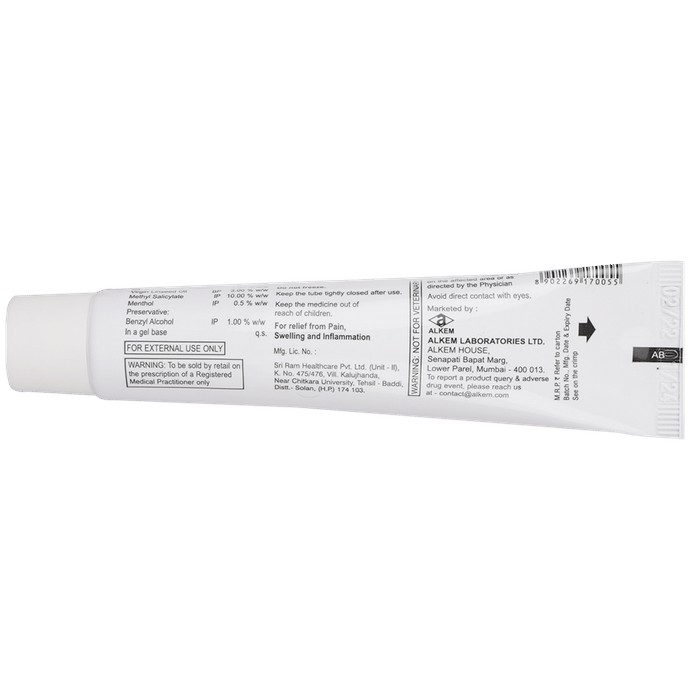
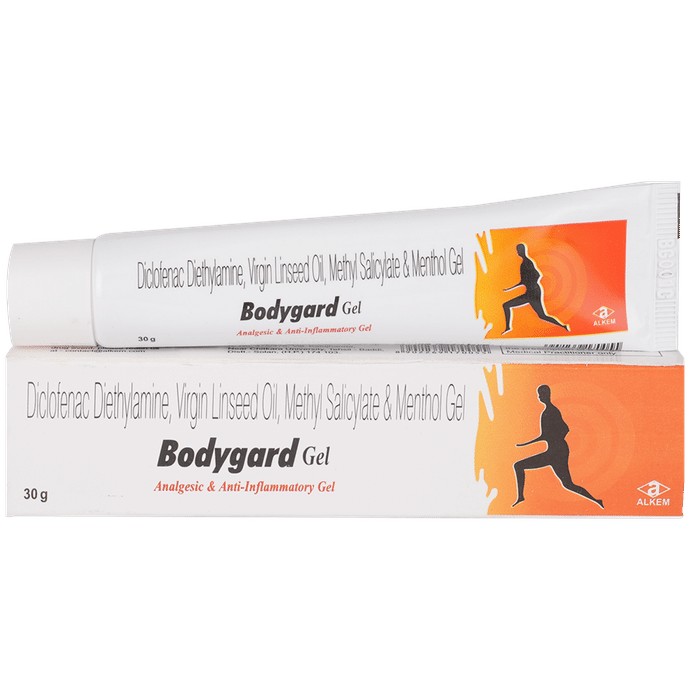
Bodygard Gel

Marketer
Alkem Laboratories Ltd
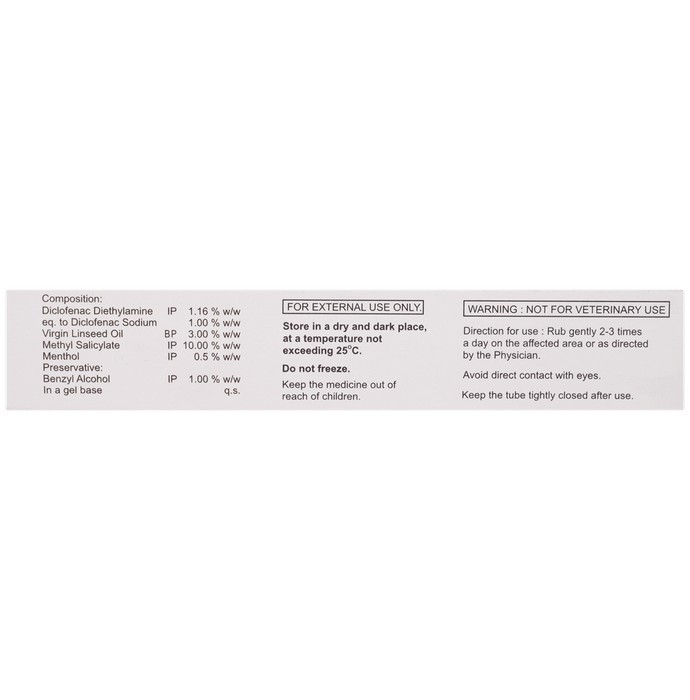
Salt Composition
Diclofenac (NA)
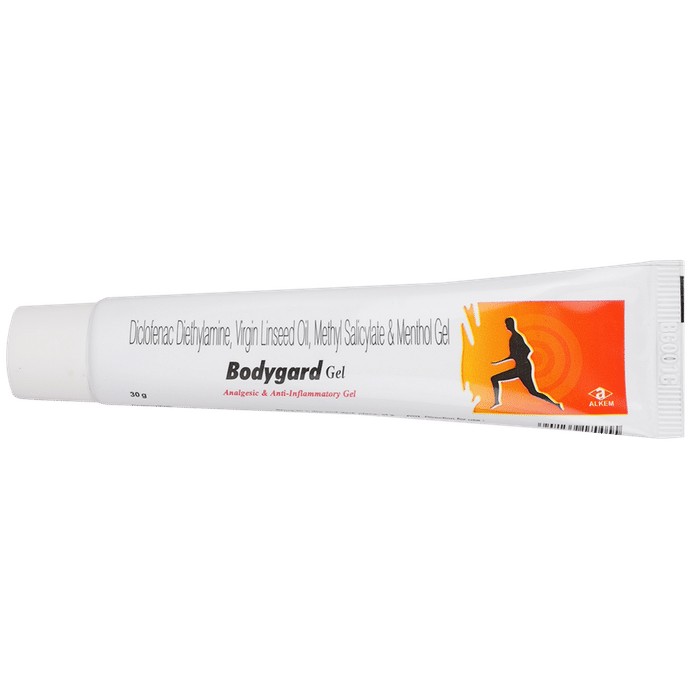
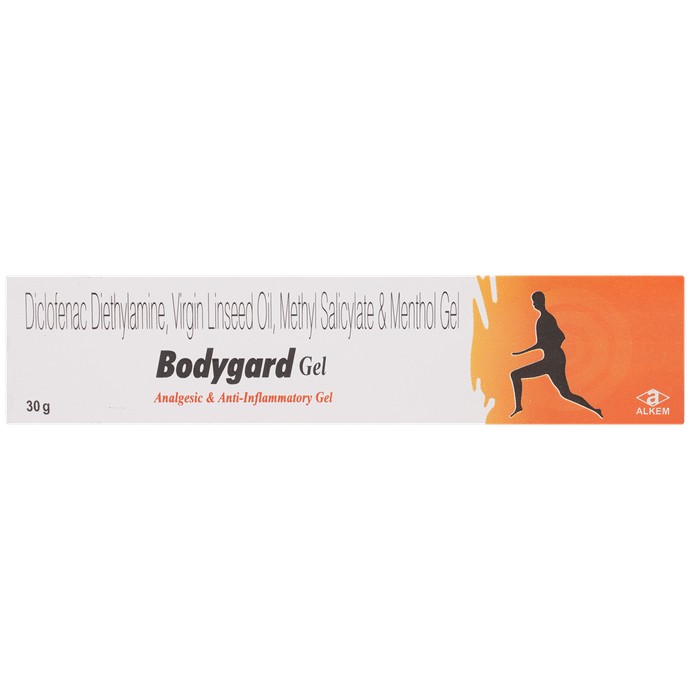
Overview Bodygard Gel
JointGuard Gel provides pain relief and reduces swelling in muscles and joints. This gel effectively treats various injuries including sprains, strains, and contusions. It's also suitable for conditions like tendonitis (e.g., tennis elbow) and osteoarthritis. Apply JointGuard Gel to the affected area 2 to 4 times daily, depending on severity, rubbing it in gently and evenly. Avoid overuse and do not bandage or plaster the treated area. While generally safe with minimal side effects, possible skin reactions include rash, itching, redness, or burning. A blistering rash may indicate a serious allergic reaction; seek immediate medical attention if this occurs. JointGuard Gel is not advised for pregnant or breastfeeding individuals, and should not be used concurrently with diclofenac or similar oral medications.
Primary Ingredients of Bodygard Gel
The provided text is "undefined," so no rephrasing is possible.
Uses of Bodygard Gel
Analgesia
Major Benefits of Bodygard Gel:
Apply this medication topically only. Follow your physician's instructions regarding dosage and treatment length. Always consult the product label for application details. Cleanse and thoroughly dry the affected skin before applying the gel. Wash your hands immediately afterward, unless the application site is on your hands.
Common Side effects of Bodygard Gel:
- Application site irritation
- Edema (swelling)
- Nausea
- Headache
- Itching
- Indigestion
How to use Bodygard Gel:
Apply this medication topically only. Follow your physician's instructions precisely regarding dosage and treatment length. Always consult the product label for application details prior to use. Ensure the affected area is clean and dry before applying the gel. Afterwards, wash your hands thoroughly, except when the hands themselves are the affected area.
How Bodygard Gel works:
DermaShield Gel, a non-steroidal anti-inflammatory drug (NSAID), inhibits the production of inflammatory mediators responsible for cutaneous pain and inflammation, manifesting as redness and swelling.
SAFETY ADVICE
 AlcoholNone
No known drug interactions.
 PregnancyCONSULT YOUR DOCTOR
Use of Bodygard Gel is contraindicated during pregnancy due to established risks to the fetus. In exceptional life-threatening circumstances, a physician might prescribe it if the potential benefits outweigh the known hazards. Physician consultation is essential.
 Breast feedingCONSULT YOUR DOCTOR
The use of Bodygard Gel while breastfeeding is likely inadvisable. Available human data indicates a potential for the medication to transfer to breast milk, posing a risk to the infant.
 DrivingNone
No known drug interactions.
 KidneyNone
No known drug interactions.
 LiverNone
No known drug interactions.
What if you forget to take Bodygard Gel :
Should you forget a Bodygard Gel application, use it at your earliest convenience. If your next scheduled application is imminent, however, omit the missed dose and resume your usual routine.
Facts to Know About Bodygard Gel
| Label | Value |
|---|---|
| Chemical Type | Phenylacetic Acid Analog |
| Developing Habits | No. |
| Treatment Category | Pain Relievers |
 3,018 People bought this recently