



Bsnac-D Tablet

Marketer
Biospace Lifesciences Pvt Ltd
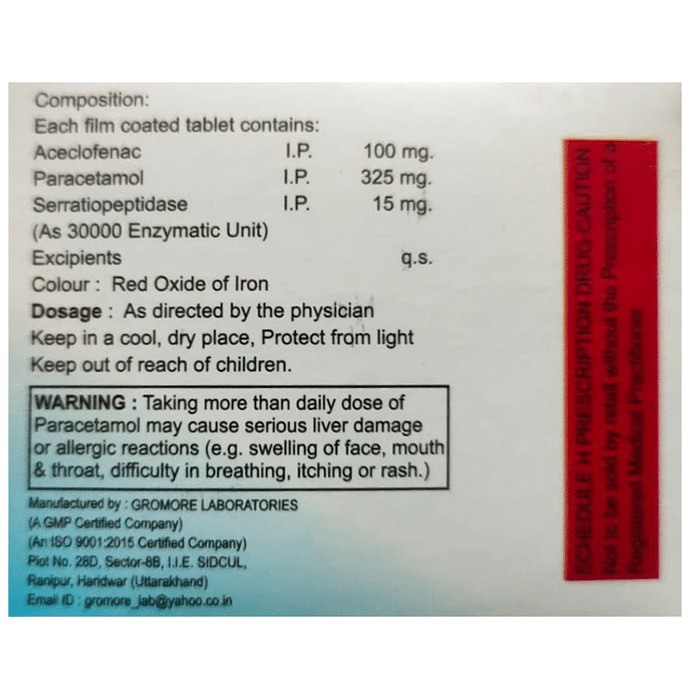
Salt Composition
Aceclofenac (100mg) + Paracetamol (325mg) + Serratiopeptidase (15mg)
Overview Bsnac-D Tablet
Combiflam-D tablets combine medications to reduce pain and inflammation in conditions such as muscle aches, joint pain, and post-surgical discomfort. This effectively manages symptoms in illnesses including rheumatoid arthritis, ankylosing spondylitis, and osteoarthritis. Dosage and duration should strictly follow your physician's instructions. Administer with food or milk to minimize stomach irritation. Consistent use as prescribed maximizes therapeutic benefit. Continue treatment until your doctor advises discontinuation. Common side effects may include nausea, vomiting, abdominal pain, dyspepsia, heartburn, elevated liver enzymes, vertigo, somnolence, and diarrhea. Prolonged use necessitates regular monitoring of kidney and liver function, along with blood tests. Extended therapy carries a risk of serious adverse events like gastrointestinal bleeding and renal complications. Combiflam-D is contraindicated during pregnancy and lactation.
Uses of Bsnac-D Tablet
Analgesia
Major Benefits of Bsnac-D Tablet:
Consume this medication precisely as prescribed by your physician, adhering to the specified dosage and treatment length. Ingest the tablet whole; avoid chewing, crushing, or fracturing it. It's recommended to take Bsnac-D Tablet with a meal.
Common Side effects of Bsnac-D Tablet:
- Nausea
- Vomiting
- Stomach pain
- Indigestion
- Heartburn
- Loss of appetite
- Diarrhea
- Dizziness
- Increased liver enzymes
- Drowsiness
How to use Bsnac-D Tablet:
Administer this medication according to your physician's prescribed dosage and schedule. Ingest the tablet whole; avoid chewing, crushing, or fracturing it. Consume Bsnac-D Tablet with a meal.
How Bsnac-D Tablet works:
Bsnac-D Tablets contain Aceclofenac, Paracetamol, and Serratiopeptidase, three active ingredients working synergistically. Aceclofenac, an NSAID, and Paracetamol, an analgesic and antipyretic, inhibit the production of pain and fever-inducing compounds within the body. Serratiopeptidase, a proteolytic enzyme, aids in the breakdown of inflammatory proteins, thereby facilitating tissue repair.
SAFETY ADVICE
 AlcoholUNSAFE
Concurrent alcohol and Bsnac-D Tablet ingestion is contraindicated.
 PregnancyCONSULT YOUR DOCTOR
Using Bsnac-D tablets during pregnancy may pose risks. While human research is scarce, animal studies indicate potential harm to a developing fetus. A physician will assess the advantages against possible dangers prior to prescription. Seek medical advice.
 Breast feedingCONSULT YOUR DOCTOR
Data on Bsnac-D Tablet use while breastfeeding is absent. Seek medical advice from your physician.
 DrivingUNSAFE
Taking Bsnac-D Tablets may cause drowsiness, blurred vision, and dizziness, potentially impairing alertness. Driving should be avoided if these effects are experienced.
 KidneyCAUTION
Patients with kidney impairment should use Bsnac-D Tablets cautiously, potentially requiring dosage modification. Physician consultation is advised. Bsnac-D Tablets are contraindicated in patients with severe kidney disease.
 LiverCAUTION
Caution is advised when prescribing Bsnac-D Tablets to individuals with hepatic impairment; dosage modification may be necessary. Physician consultation is recommended. Bsnac-D Tablets are contraindicated in patients exhibiting severe or active liver disease.
What if you forget to take Bsnac-D Tablet :
Should you forget a Bsnac-D Tablet dose, administer it promptly. Nevertheless, if your next dose is imminent, omit the missed one and resume your usual dosing regimen. Avoid taking a double dose.
Facts to Know About Bsnac-D Tablet
| Label | Value |
|---|---|
| Potential for Dependence | None. |
| Type of Medication | Medications for Pain Relief |
 3,018 People bought this recently