Search Icon

AUM Pharmacy

Hi there!

Hello, Login
All Categories
VisaVisaVisa
slide-0
slide-1
slide-2
slide-3
slide-4
slide-5

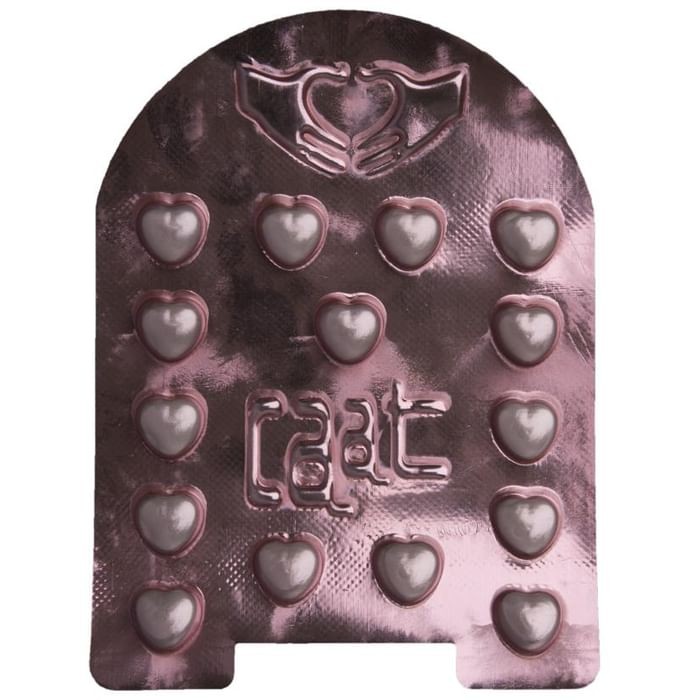
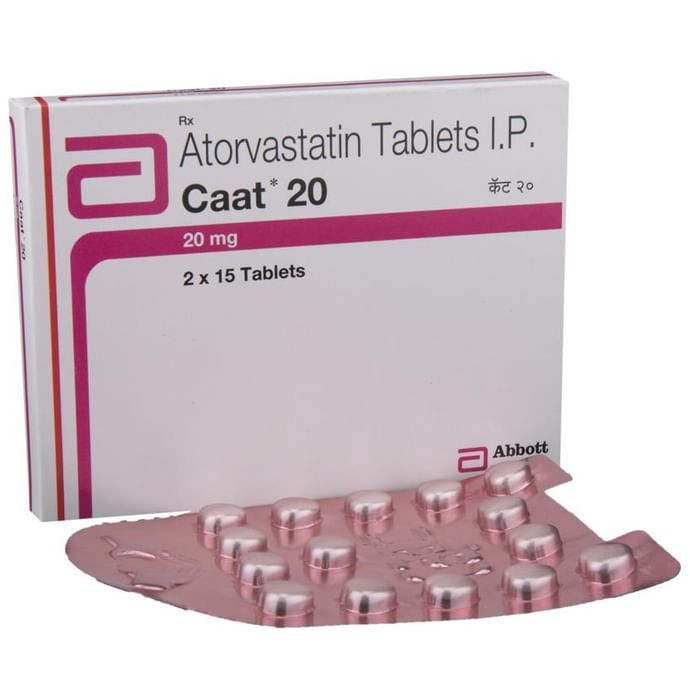
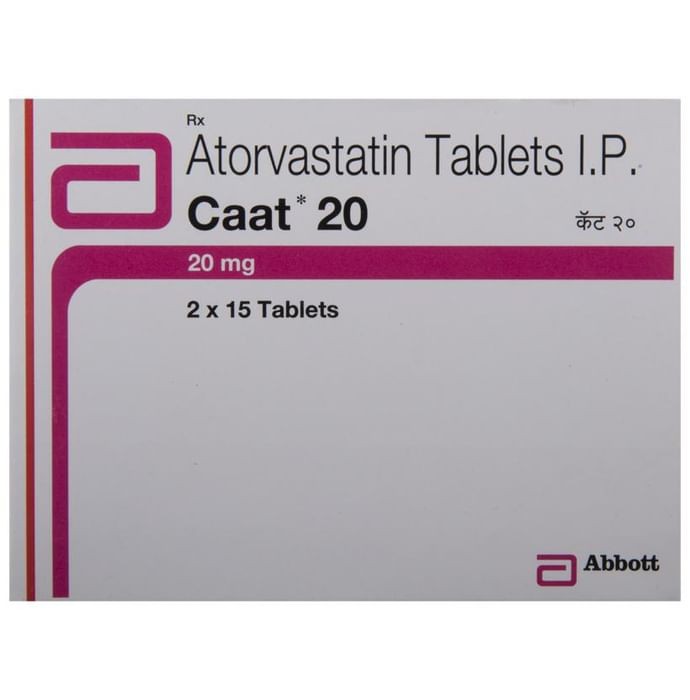
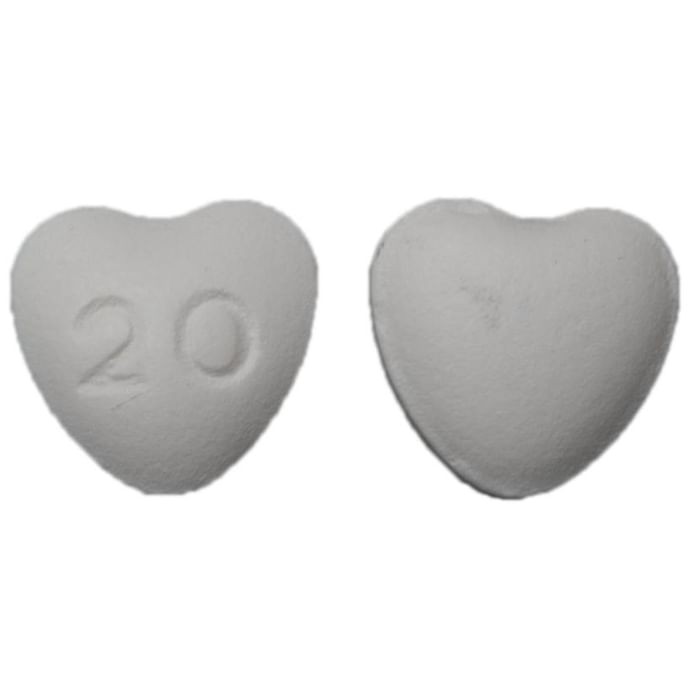
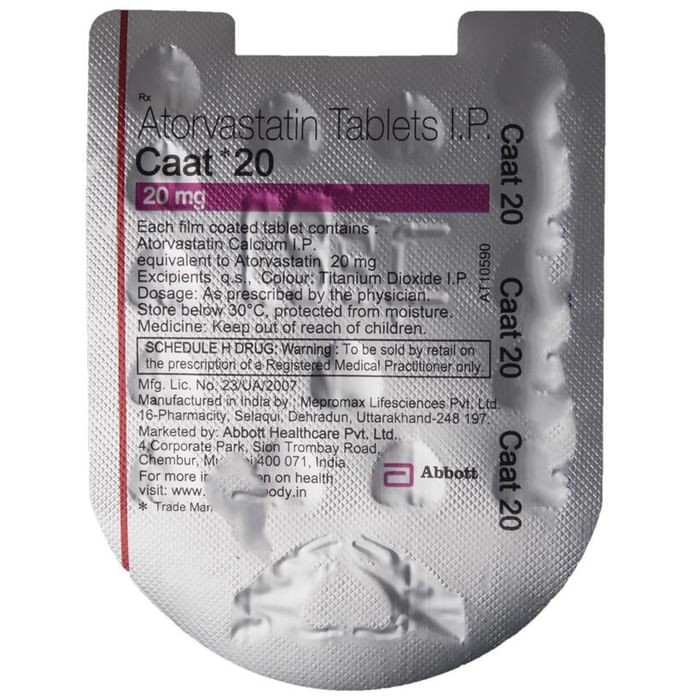
CAAT 20 Tablet

Prescription Icon
Prescription Required

Marketer

Abbott

Salt Composition

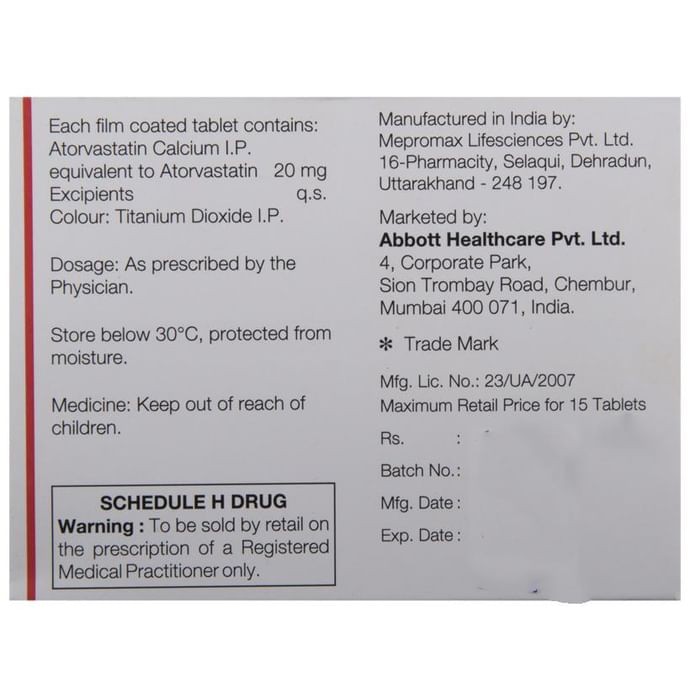
Atorvastatin (20mg)

Overview CAAT 20 Tablet

CAAT 20, a statin medication, effectively lowers cholesterol levels, thus mitigating the risk of cardiovascular events. High cholesterol, a fatty substance accumulating in blood vessels, causes narrowing and potentially heart attacks or strokes. Widely prescribed and generally considered safe for prolonged use under medical supervision, CAAT 20 can be administered with or without food at any time of day, ideally consistently. While high cholesterol often presents no symptoms, discontinuing treatment elevates cholesterol, increasing heart disease and stroke risk. Regular cholesterol monitoring is crucial. Treatment encompasses lifestyle changes: balanced diet, regular physical activity, smoking cessation, moderate alcohol consumption, and weight management. Maintain a normal diet, minimizing high-fat foods. Common, typically mild and transient, side effects include constipation, gas, indigestion, and stomach pain. Persistent symptoms, jaundice, or recurring unexplained muscle aches necessitate immediate medical consultation. Contraindicated in liver disease, pregnancy, and breastfeeding due to potential fetal harm, CAAT 20 may also elevate blood sugar in diabetics, requiring careful blood glucose monitoring. Liver function tests are usually conducted before and during treatment.

Uses of CAAT 20 Tablet

Elevated cholesterol levels|Reducing heart attack risk

Major Benefits of CAAT 20 Tablet:

Consume this medication precisely as prescribed by your physician, adhering to both the dosage and treatment schedule. Ingest the tablet whole; avoid chewing, crushing, or fracturing it. CAAT 20 Tablets can be administered with or without food, although consistent timing is recommended.

Common Side effects of CAAT 20 Tablet:

  • Dyspepsia
  • Abdominal pain
  • Indigestion
  • Diarrhea
  • Joint pain
  • Nasopharyngitis (inflammation of the throat and nasal passages)
  • Nausea
  • Pain in extremities
  • Urinary tract infection
  • Abnormal liver function tests

How to use CAAT 20 Tablet:

Administer this medication precisely as your physician directs, adhering to the prescribed dosage and treatment length. Ingest the tablet whole; avoid chewing, crushing, or fracturing it. CAAT 20 Tablets can be consumed with or without food; however, consistent timing is recommended.

How CAAT 20 Tablet works:

CAAT 20 tablets contain a statin, a drug that reduces cholesterol levels. This medication inhibits HMG-CoA reductase, an enzyme crucial for cholesterol production. Consequently, it decreases levels of LDL cholesterol ("bad" cholesterol) and triglycerides, while increasing HDL cholesterol ("good" cholesterol).

SAFETY ADVICE

AlcoholAlcoholCAUTION

Use of alcohol with CAAT 20 Tablet requires careful consideration. Seek medical advice before combining them.

PregnancyPregnancyUNSAFE

The use of CAAT 20 Tablets is strongly contraindicated during pregnancy. Pregnant women should consult their physician immediately, as research in both animal models and human studies has revealed substantial risks to fetal development.

Breast feedingBreast feedingUNSAFE

Administering CAAT 20 Tablet while breastfeeding is contraindicated. Evidence indicates potential infant toxicity.

DrivingDrivingSAFE

Driving ability is typically unaffected by CAAT 20 Tablet.

KidneyKidneySAFE IF PRESCRIBED

CAAT 20 Tablet poses no known safety concerns for individuals with kidney impairment; dosage modification is unnecessary. Nevertheless, disclosure of any pre-existing kidney condition to your physician is advisable.

LiverLiverCAUTION

Individuals with hepatic impairment should exercise caution when using CAAT 20 Tablet, as dose modification may be necessary. Consult a physician before use. CAAT 20 Tablet is contraindicated in patients experiencing severe or active liver disease.

What if you forget to take CAAT 20 Tablet :

Should you forget a CAAT 20 Tablet dose, take it immediately. Nevertheless, if your next dose is imminent, omit the missed dose and resume your usual dosing regimen. Avoid taking two doses within a 12-hour period.

Facts to Know About CAAT 20 Tablet

LabelValue
Type of Compound Compound derived from pyrrole and heptanoic acid
Potential for Dependence None.
Medication Classification HEART
Mechanism of Action 3-hydroxy-3-methylglutaryl-CoA reductase inhibitors

FAQs on CAAT 20 Tablet

Blood contains cholesterol, a fatty substance. Your total cholesterol level reflects the combined amounts of LDL and HDL cholesterol. LDL cholesterol, often termed "bad" cholesterol, can accumulate within blood vessel walls, hindering or blocking blood flow to vital organs like the heart and brain, potentially leading to heart disease or stroke. Conversely, HDL cholesterol, known as "good" cholesterol, helps prevent this LDL buildup. Elevated triglyceride levels also pose significant health risks.
Muscle issues, including injury, are a potential side effect of CAAT 20 Tablet. Reduced oxygen flow to muscle tissue is the underlying cause, resulting in weakness, pain, tenderness, and fatigue. This discomfort can be severe enough to impact daily routines. Seek medical advice to explore preventative measures and manage any existing problems.
Statins, such as CAAT 20 Tablet, reduce blood lipid levels, specifically cholesterol and triglycerides. CAAT 20 Tablet is prescribed when dietary and lifestyle modifications prove insufficient to manage elevated cholesterol and triglyceride levels. It's also indicated for individuals with a heightened risk of cardiovascular disease, regardless of cholesterol levels. Continued adherence to a cholesterol-reducing diet is essential during therapy.
CAAT 20 tablets are indicated for adult and pediatric patients (10 years and older) whose hypercholesterolemia remains inadequately controlled despite lifestyle modifications including diet and exercise. This medication is contraindicated in patients under 10 years of age.
CAAT 20 Tablets do not thin the blood; they reduce cholesterol. The medication functions by inhibiting cholesterol synthesis. This, in turn, lessens cholesterol buildup within arterial walls, preventing obstructions to blood flow. Consequently, reduced cholesterol and triglyceride levels mitigate the risk of stroke and heart attack.
Individuals with a heightened risk of type 2 diabetes might experience a minor increase in that risk when using CAAT 20 Tablet. This is due to the medication's potential for slight blood sugar elevation. Patients already diagnosed with type 2 diabetes should anticipate more frequent blood glucose monitoring during the initial months of treatment, as advised by their physician. Report any difficulties managing blood sugar levels to your doctor.
Continuous or prescribed use of CAAT 20 Tablet may be necessary. Its cholesterol-lowering effects persist only with continued intake. Discontinuing CAAT 20 Tablet without alternative therapy could lead to elevated cholesterol. When used as directed, it's generally well-tolerated and has minimal adverse effects.
CAAT 20 Tablet is not known to induce weight loss. Conversely, weight increase has been documented as an infrequent adverse reaction. Seek medical advice should you lose weight while using CAAT 20 Tablet.
Discontinuing CAAT 20 Tablet without physician consultation is inadvisable. If you experience adverse effects from CAAT 20 Tablet, contact your doctor; they may adjust your dosage or prescribe an alternative medication.
Combining CAAT 20 Tablet and alcohol is strongly discouraged. Concurrent alcohol use elevates the risk of liver complications. Furthermore, this combination significantly raises triglyceride levels, potentially exacerbating liver damage and side effects like muscle aches, weakness, and soreness. Individuals with pre-existing liver conditions should avoid CAAT 20 Tablet unless explicitly instructed by their physician and must abstain from alcohol while using this medication for optimal therapeutic outcomes.
Cognitive impairment, including memory loss, is a very uncommon side effect of CAAT 20 Tablet. This effect is typically mild and may manifest within a day or develop over several years. Symptoms usually resolve within three weeks of stopping CAAT 20 Tablet. Nevertheless, medical advice should be sought if memory loss occurs, as alternative causes should be considered.
The recommended dosage for CAAT 20 Tablet is one tablet daily. This medication may be administered at any time—morning, evening, or otherwise—with or without food. Consistent daily timing improves adherence.
Fatigue is a possible side effect of CAAT 20 Tablet. This may be due to reduced energy delivery to the body's muscles, although the precise mechanism remains unclear and warrants further investigation. Tiredness often manifests after physical activity, but widespread fatigue is more prevalent among individuals with cardiac or hepatic conditions. Muscle damage, another potential consequence of CAAT 20 Tablet, can exacerbate fatigue. Medical advice is recommended if you experience fatigue while using CAAT 20 Tablet.
CAAT 20 Tablet may cause adverse reactions such as nausea, digestive upset, constipation, gas, diarrhea, headache, and musculoskeletal pain. Additionally, epistaxis, pharyngitis, and upper respiratory symptoms including rhinorrhea, nasal congestion, and sneezing can occur.
CAAT 20 Tablet
182
MRP 211
13% off
