


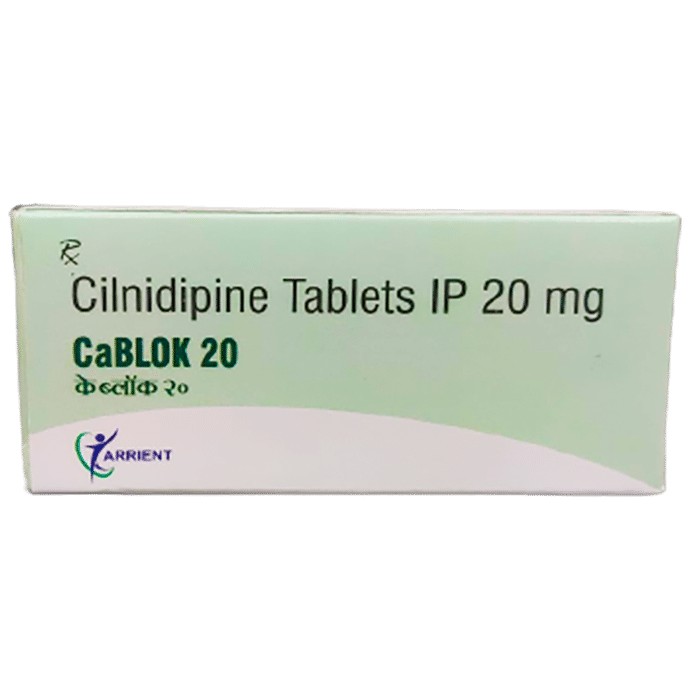
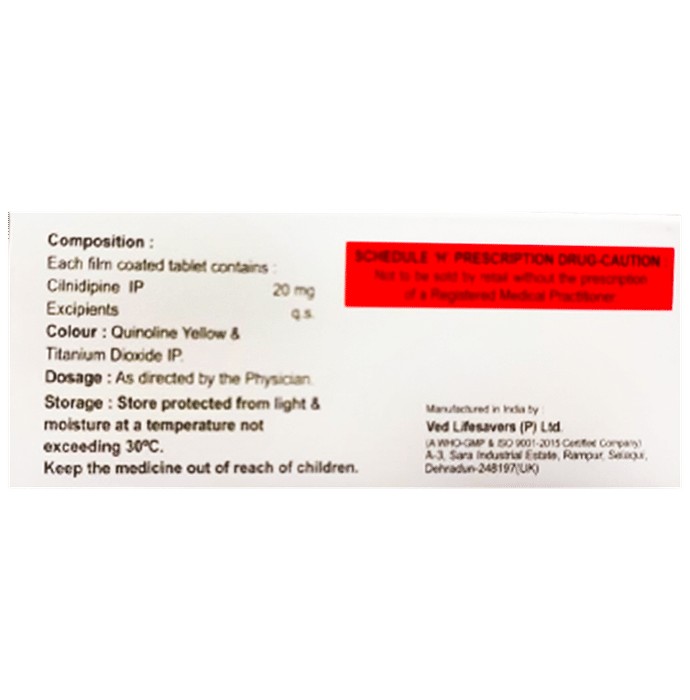
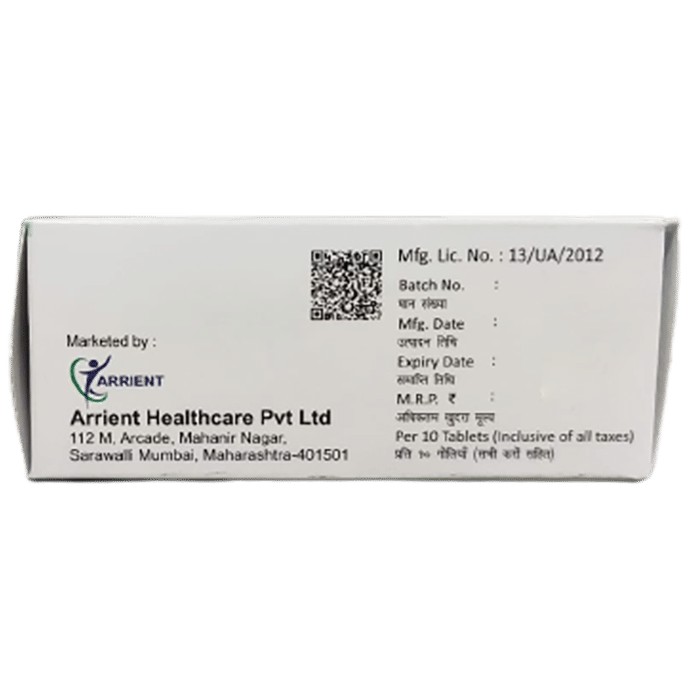
Cablok 20 Tablet

Marketer
Arrient Healthcare Pvt Ltd
Salt Composition
Cilnidipine (20mg)
Overview Cablok 20 Tablet
Hypertension treatment is facilitated by Cablok 20mg tablets, a calcium channel blocker. This medication reduces blood pressure, thereby mitigating the risk of stroke and heart attack, and can also help manage angina. Dosage is tailored to individual needs and may be administered alone or in conjunction with other drugs. Timing is flexible—with or without food—but consistency is key for optimal results; continue taking it as directed, even if symptoms subside, as hypertension often presents asymptomatically. Lifestyle changes—regular exercise, weight management, and a healthy diet—complement the medication’s effects. Common side effects encompass fatigue, edema (foot swelling), drowsiness, dizziness, flushing, palpitations, and headache. Persistent or bothersome side effects warrant medical consultation. This medication exhibits reduced incidence of foot/ankle swelling and palpitations compared to similar drugs and offers kidney-protective benefits. Prior to commencing treatment, individuals with liver, kidney, or heart conditions, as well as pregnant or breastfeeding women, should consult their physician. Disclosure of all current medications, particularly those for hypertension or cardiac issues, is crucial. Regular blood pressure monitoring is essential to assess treatment efficacy.
Primary Ingredients of Cablok 20 Tablet
There is no text provided to rephrase.
Uses of Cablok 20 Tablet
Managing high blood pressure | Preventing angina pectoris | Reducing heart attack risk | Preventing cerebrovascular accidents
Major Benefits of Cablok 20 Tablet:
Follow your doctor's instructions precisely regarding dosage and treatment length for Cablok 20 Tablet. Ingest the tablet whole; avoid chewing, crushing, or breaking it. While you can take it with or without food, consistency in timing is recommended.
Common Side effects of Cablok 20 Tablet:
- Fatigue
- Sleepiness
- Flushing (sense of warmth in the face, ears, neck and trunk)
- Headache
- Nausea
- Dizziness
- Palpitations
- Edema (swelling)
- Abdominal pain
- Rash
- Muscle pain
- Eye pain
- Tremors
- Decreased blood pressure
- Itching
How to use Cablok 20 Tablet:
Follow your doctor's instructions precisely regarding dosage and treatment length for this medication. Swallow the Cablok 20 Tablet whole; do not crush, chew, or divide it. While you can take it with or without food, consistent timing is recommended.
How Cablok 20 Tablet works:
Cablok 20mg tablets function as calcium channel blockers, reducing blood pressure via vasodilation. This enhanced vascular relaxation improves the heart's pumping efficiency, facilitating systemic blood flow.
SAFETY ADVICE
 AlcoholCAUTION
Patients taking Cablok 20 Tablets should avoid alcohol unless advised otherwise by their physician. Medical guidance is recommended.
 PregnancyCONSULT YOUR DOCTOR
Data on Cablok 20 Tablet use in pregnancy is lacking. Seek medical advice from your physician.
 Breast feedingCONSULT YOUR DOCTOR
Data on Cablok 20 Tablet use while breastfeeding is lacking. Seek medical advice from your physician.
 DrivingUNSAFE
Driving ability may be impaired by the use of Cablok 20 Tablet, due to potential side effects.
 KidneySAFE IF PRESCRIBED
The use of Cablok 20 Tablet in individuals with kidney disease is likely safe. Preliminary evidence indicates dose modification may be unnecessary; however, physician consultation is recommended.
 LiverCONSULT YOUR DOCTOR
Data regarding Cablok 20 Tablet's use in individuals with hepatic impairment is scarce. Physician consultation is advised.
What if you forget to take Cablok 20 Tablet :
Should you forget a Cablok 20 Tablet dose, administer it promptly. Nevertheless, if your next dose is imminent, omit the missed dose and resume your usual dosing regimen. Avoid taking a double dose.
Facts to Know About Cablok 20 Tablet
| Label | Value |
|---|---|
| Type of Compound | Compounds derived from dihydropyridine carboxylic acids |
| Potential for Dependence | None. |
| Type of Medication | HEART |
| Mechanism of Action | Dihydropyridine calcium channel antagonists |
 3,018 People bought this recently