


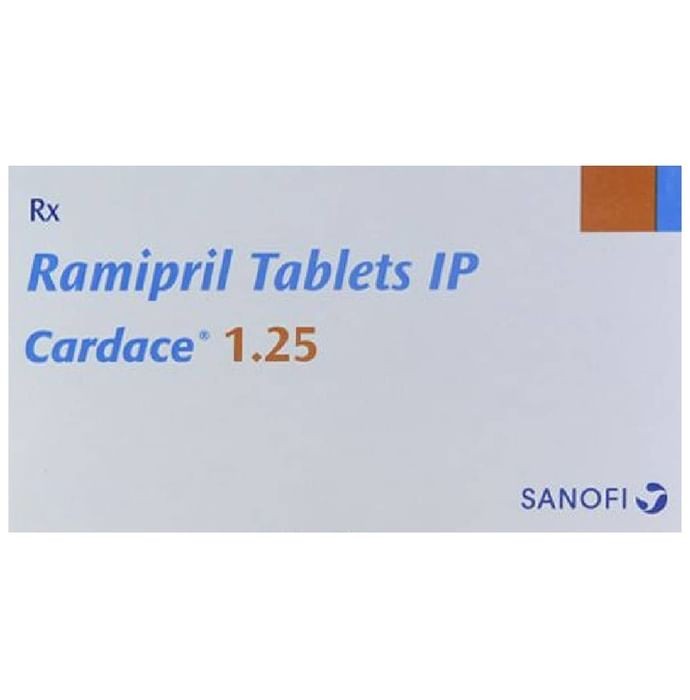
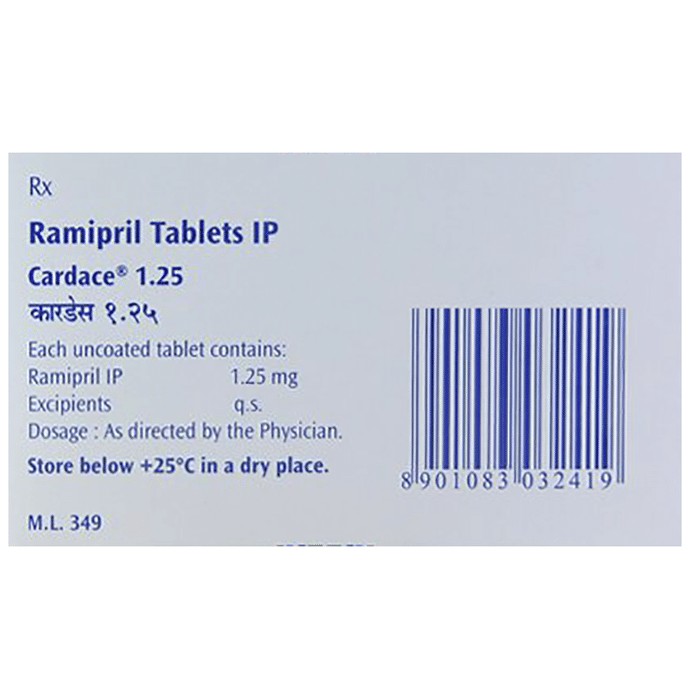
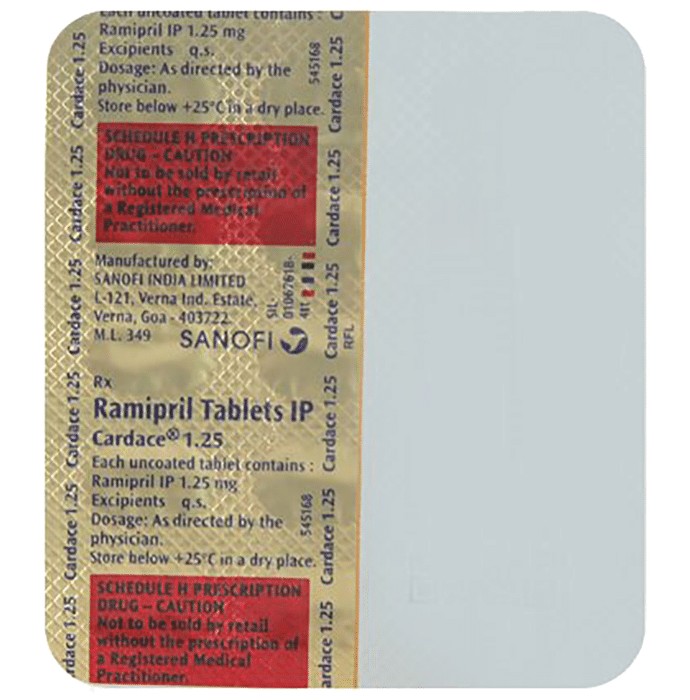
Cardace 1.25 Tablet

Marketer
Sanofi India Ltd
Salt Composition
Ramipril (1.25mg)
Overview Cardace 1.25 Tablet
Nicardipine 1.25mg tablets are frequently prescribed for hypertension and congestive heart failure, sometimes following myocardial infarction. This medication also reduces the risk of future cardiac events, including stroke. Nicardipine 1.25mg may be used as monotherapy or in conjunction with other medications. It can be administered with or without food, ideally at the same time daily for optimal efficacy. Consistent use is crucial, even with symptom remission or controlled blood pressure, as discontinuation can worsen the underlying condition. Hypertension is often asymptomatic, highlighting the importance of adherence. This medication boasts a proven safety profile for long-term management. Lifestyle modifications, such as regular physical activity, weight management, smoking cessation, moderate alcohol consumption, and a low-sodium diet (as directed by your physician), are also beneficial. Common, typically transient, side effects include dry cough, cephalgia, and lassitude. Persistent or bothersome side effects warrant medical consultation. Prior to commencing treatment, inform your doctor of any hepatic or renal impairment, pregnancy, or breastfeeding. Regular monitoring of renal function, blood pressure, and serum potassium levels may be undertaken during therapy.
Uses of Cardace 1.25 Tablet
Managing elevated blood pressure | Reducing the risk of coronary events and cerebrovascular accidents | Addressing congestive heart failure
Major Benefits of Cardace 1.25 Tablet:
Administer this medication precisely as prescribed by your physician, adhering to the specified dosage and treatment period. Ingest the tablet whole; avoid chewing, crushing, or fracturing it. Cardace 1.25mg tablets can be consumed with or without food, though consistent timing is recommended for optimal efficacy.
Common Side effects of Cardace 1.25 Tablet:
- Dry cough
- Headache
- Fatigue
How to use Cardace 1.25 Tablet:
Administer this medication according to your physician's prescribed dosage and schedule. Ingest the tablet whole; avoid crushing, chewing, or breaking it. Cardace 1.25mg tablets can be consumed with or without food, although consistent timing is recommended.
How Cardace 1.25 Tablet works:
Cardace 1.25 mg tablets contain an ACE inhibitor that eases cardiac workload. This medication achieves its effect by dilating blood vessels, thereby improving blood flow and cardiac pumping efficiency.
SAFETY ADVICE
 AlcoholUNSAFE
Concurrent use of Cardace 1.25 mg tablets and alcohol can result in significant sleepiness.
 PregnancyCONSULT YOUR DOCTOR
Using Cardace 1.25mg tablets during pregnancy poses a confirmed risk to the fetus. Therefore, it's contraindicated. In exceptional, life-threatening circumstances, a physician might prescribe it if the potential benefits outweigh the known risks. Always seek medical advice.
 Breast feedingCONSULT YOUR DOCTOR
Using Cardace 1.25 mg tablets while breastfeeding is likely inadvisable. Available data from humans indicates potential drug transfer via breast milk, posing a possible risk to the infant.
 DrivingUNSAFE
Taking a 1.25 mg Cardace tablet might reduce attentiveness, impair vision, or cause drowsiness and dizziness. Refrain from driving if you experience these effects.
 KidneyCAUTION
Individuals with impaired kidney function should exercise caution when using Cardace 1.25 mg tablets. Dosage modification may be necessary. Physician consultation is advised. Routine blood pressure checks are recommended to guide dosage adjustments.
 LiverCAUTION
Patients with hepatic impairment should use Cardace 1.25 mg tablets cautiously, as dose modification may be necessary. Physician consultation is advised. Report any symptoms suggestive of jaundice to your doctor during treatment.
What if you forget to take Cardace 1.25 Tablet :
Omit any missed Cardace 1.25mg Tablet and resume your usual dosing regimen. Avoid taking a double dose.
Facts to Know About Cardace 1.25 Tablet
| Label | Value |
|---|---|
| Chemical Category | Dipeptides: Carboxylic Acid Derivatives |
| Developing Habits | No. |
| Treatment Category | HEART |
| Active Class | ACE inhibitors |
 3,018 People bought this recently