


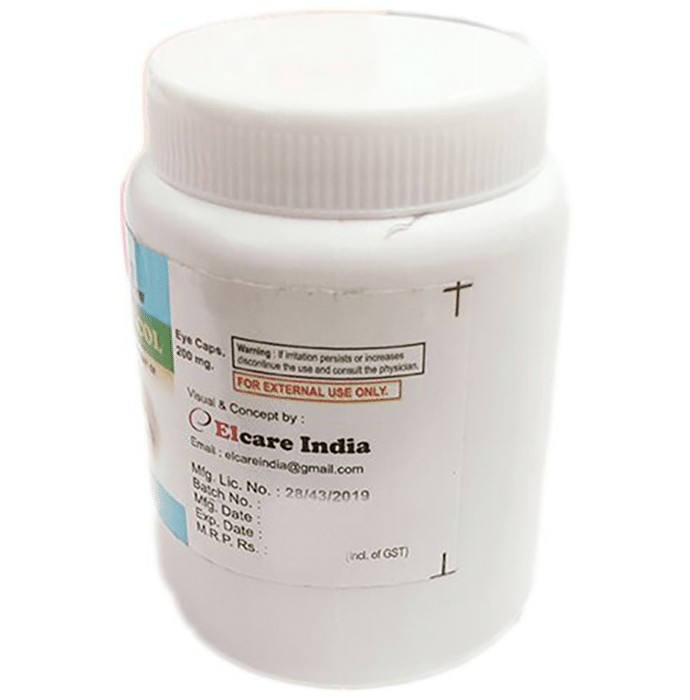
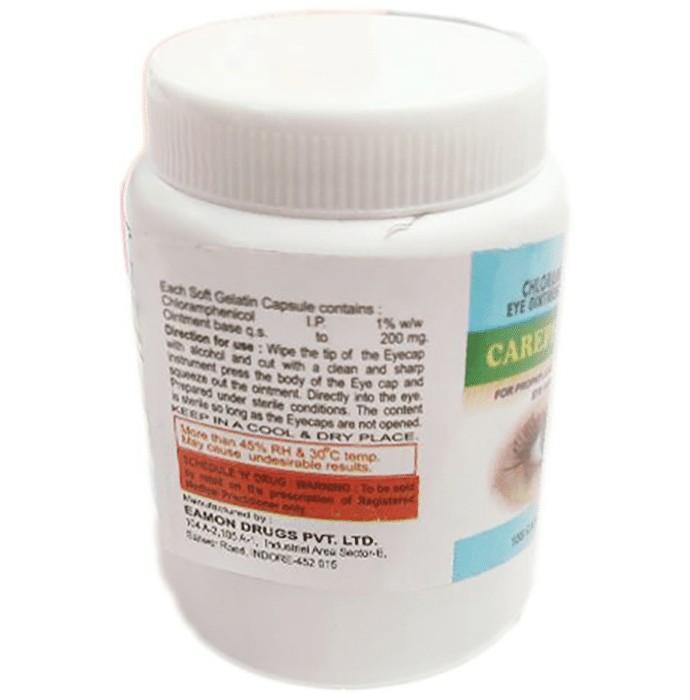

Carephenicol Capsule

Marketer
Eamon Drugs Private Limited
Salt Composition
Chloramphenicol (1%)
Overview Carephenicol Capsule
Carephenicol capsules are a bacterial antibiotic indicated for severe infections unresponsive to alternative treatments. Its mechanism involves bacterial eradication. Importantly, it's ineffective against viral infections. Carephenicol capsules may prove effective even against antibiotic-resistant bacteria. Administer on an empty stomach, adhering strictly to your physician's prescribed dosage schedule for consistent blood levels. Complete the entire course, as prematurely stopping treatment risks relapse. Potential side effects, such as nausea, vomiting, diarrhea, and altered taste, are usually transient. Persistent or bothersome side effects warrant immediate medical attention. Prior to commencing treatment, disclose any kidney or liver conditions, or antibiotic allergies. Regular blood tests to monitor blood cell counts may be recommended. Pregnant or breastfeeding individuals should seek medical counsel before use. Alcohol consumption is contraindicated due to the potential for adverse reactions including nausea, vomiting, sweating, anxiety, and palpitations.
Primary Ingredients of Carephenicol Capsule
No text provided. Please provide the text you wish me to rephrase.
Uses of Carephenicol Capsule
Infections caused by bacteria
Major Benefits of Carephenicol Capsule:
Follow your doctor's instructions precisely regarding dosage and treatment length for this medication. Consume Carephenicol Capsules on an empty stomach.
Common Side effects of Carephenicol Capsule:
- Vomiting
- Nausea
- Diarrhea
- Taste change
How to use Carephenicol Capsule:
Follow your doctor's instructions precisely regarding dosage and treatment length for this medication. Administer Carephenicol Capsules on an empty stomach.
How Carephenicol Capsule works:
Chloramphenicol capsules exert their antibacterial effect by inhibiting bacterial protein synthesis. This action prevents bacterial replication, thereby limiting the infection's progression and ultimately resolving it, rather than directly causing bacterial death.
SAFETY ADVICE
 AlcoholUNSAFE
Ingestion of alcohol alongside Carephenicol Capsule may result in adverse effects including facial redness, tachycardia, queasiness, dehydration, thoracic pain, and hypotension (a Disulfiram-like reaction).
 PregnancyCONSULT YOUR DOCTOR
The use of Carephenicol Capsules during pregnancy may pose risks. While human research is scarce, animal studies indicate potential harm to a developing fetus. A physician will assess the potential advantages against any risks before prescribing. Physician consultation is advised.
 Breast feedingCONSULT YOUR DOCTOR
The use of Carephenicol Capsules while breastfeeding is likely unsafe. Available human data indicates potential transfer of the medication into breast milk, posing a risk to the infant.
 DrivingUNSAFE
Following ingestion of Carephenicol Capsule, temporary blurred vision may occur. Refrain from driving until vision returns to normal.
 KidneySAFE IF PRESCRIBED
The use of Carephenicol Capsules in individuals with impaired renal function appears to pose minimal risk. Preliminary evidence indicates that dose modification may be unnecessary. However, physician consultation is recommended.
 LiverCONSULT YOUR DOCTOR
Insufficient data exists regarding Carephenicol Capsule use in individuals with hepatic impairment. Physician consultation is advised.
What if you forget to take Carephenicol Capsule :
Should you forget a Carephenicol Capsule dose, administer it promptly. Nevertheless, if your next dose is imminent, omit the missed one and resume your usual dosing regimen. Avoid taking a double dose.
Facts to Know About Carephenicol Capsule
| Label | Value |
|---|---|
| Chemical Category | Amphenicol antibiotics |
| Developing Habits | No. |
| Treatment Category | Ear-related |
| Behavioral Class | Chloramphenicol |
 3,018 People bought this recently