


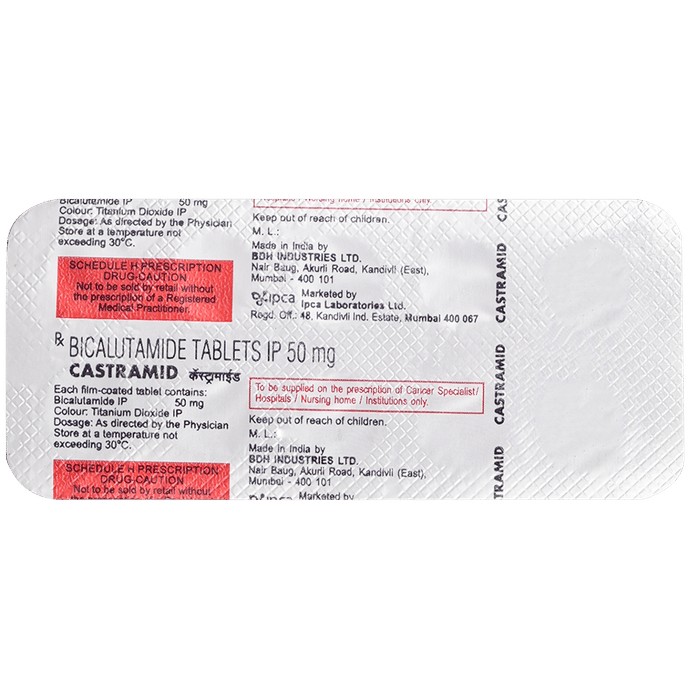
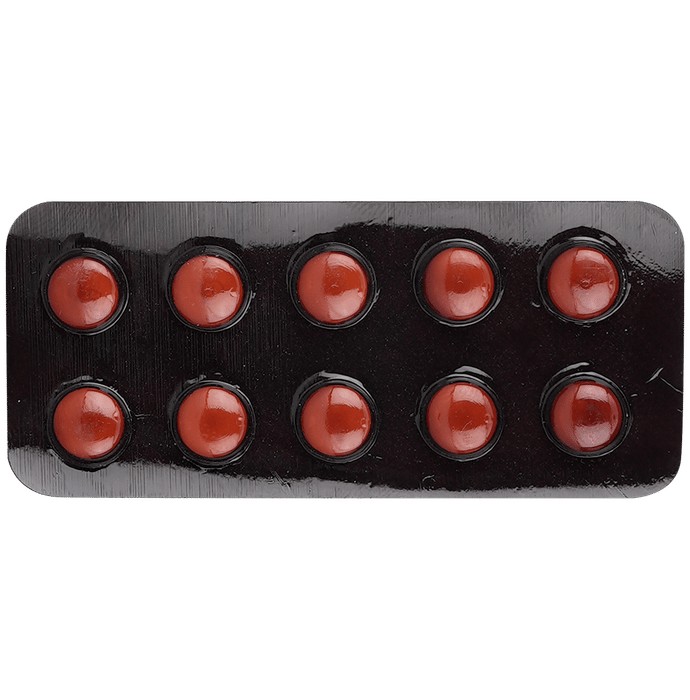
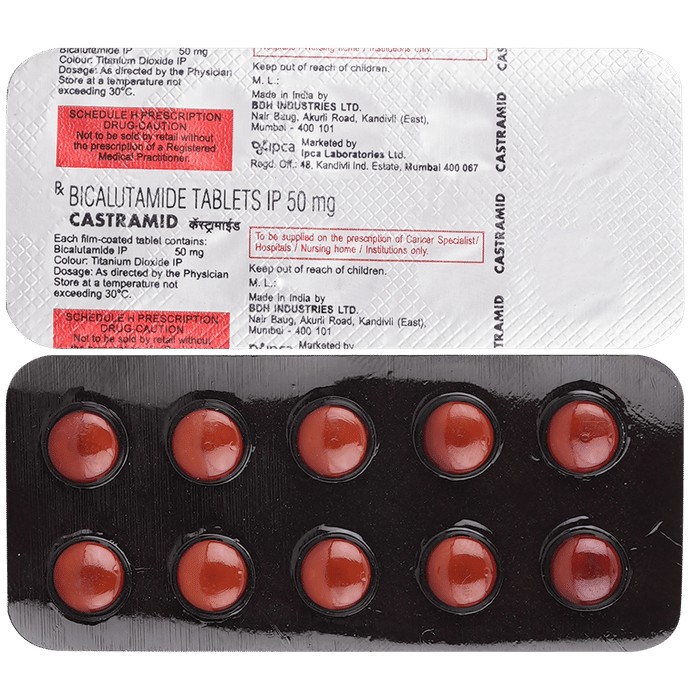
Castramid Tablet

Marketer
Ipca Laboratories Ltd
Salt Composition
Bicalutamide (50mg)
Overview Castramid Tablet
ProstaBlock tablets are indicated for prostate cancer management. Additional uses may be prescribed by your physician. The medication functions by inhibiting the activity of androgens like testosterone. ProstaBlock should be administered consistently, daily, with or without food. Dosage and frequency are determined by your doctor based on your condition and may be adjusted. Strict adherence to your physician's instructions is crucial; incorrect usage or overdose can lead to severe adverse reactions. Therapeutic effects might not be apparent for weeks or months; discontinue only under medical guidance. Anemia is a frequent side effect. Other serious side effects, including jaundice, anorexia, dyspnea, abdominal discomfort, dark urine, and skin eruptions, necessitate immediate medical attention. Regular blood tests, encompassing complete blood counts and liver function assessments, are mandatory. Photosensitivity is a potential effect; sun protection is essential. Inform your doctor about pre-existing conditions like diabetes, hepatic or renal impairment, and any concurrent medications, as drug interactions are possible. This medication is contraindicated during pregnancy and lactation due to potential fetal harm. Reliable contraception for both partners is vital throughout treatment. Regular blood glucose monitoring may also be required.
Uses of Castramid Tablet
Malignancy of the prostate gland
Major Benefits of Castramid Tablet:
Consume this medication according to your physician's prescribed dosage and schedule. Ingest the tablet whole; avoid chewing, crushing, or fracturing it. Castramid Tablets can be administered with or without food, though consistent timing is recommended.
Common Side effects of Castramid Tablet:
- Anemia (low number of red blood cells)
- Rash
- Abdominal pain
- Constipation
- Decreased appetite
- Dizziness
- Hot flashes
- Nausea
- Weakness
- Nocturia (increased urge to urinate during the night)
- Edema (swelling)
How to use Castramid Tablet:
Consume this medication according to your physician's prescribed dosage and schedule. Ingest the tablet whole; avoid chewing, crushing, or fracturing it. Castramid Tablets can be administered with or without food, though consistent timing is recommended.
How Castramid Tablet works:
Castramid Tablets inhibit the action of male hormones, preventing their stimulation of prostate cell growth. In women, Castramid Tablets counter the adverse androgenic effects, such as hirsutism and acne.
SAFETY ADVICE
 AlcoholCONSULT YOUR DOCTOR
Alcohol consumption alongside Castramid Tablet may pose unknown risks. Physician consultation is advised.
 PregnancyUNSAFE
The use of Castramid Tablets is strongly contraindicated during pregnancy. Pregnant women should consult their physician; research in animal models and human studies has revealed substantial risks to fetal development.
 Breast feedingCONSULT YOUR DOCTOR
Data on Castramid Tablet use while breastfeeding is lacking. Seek medical advice from your physician.
 DrivingCONSULT YOUR DOCTOR
The effect of Castramid Tablet on driving ability is undetermined. Refrain from driving if experiencing symptoms impairing concentration or reaction time.
 KidneySAFE IF PRESCRIBED
Patients with kidney disease can safely use Castramid Tablets without requiring any modification to the prescribed dosage.
 LiverCAUTION
Patients with liver impairment should use Castramid tablets cautiously, potentially requiring dosage modification. A physician's consultation is recommended. Liver function should be regularly assessed during treatment.
What if you forget to take Castramid Tablet :
Omit any missed Castramid Tablet dose and resume your regular medication regimen. Avoid taking a double dose.
Facts to Know About Castramid Tablet
| Label | Value |
|---|---|
| Chemical Type | Trifluoromethylbenzene Derivatives |
| Developing Habits | No. |
| Treatment Category | Cancer Medications |
 3,018 People bought this recently