


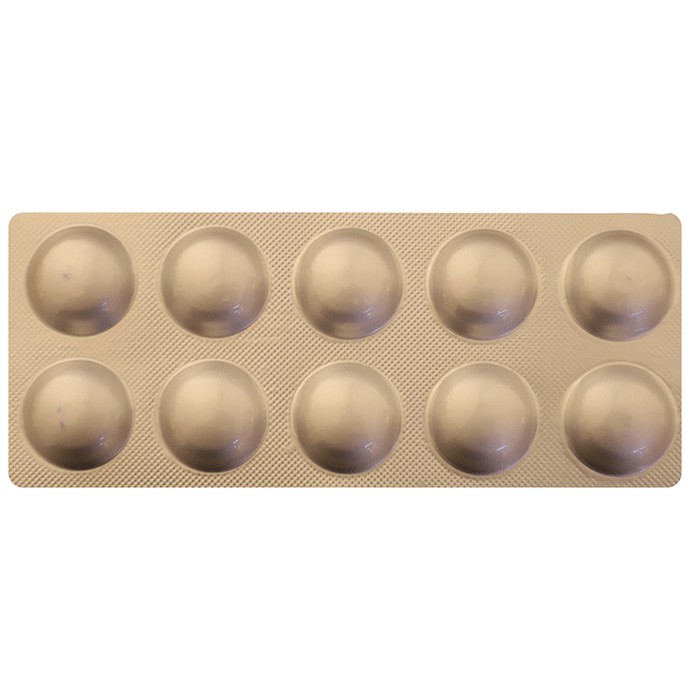
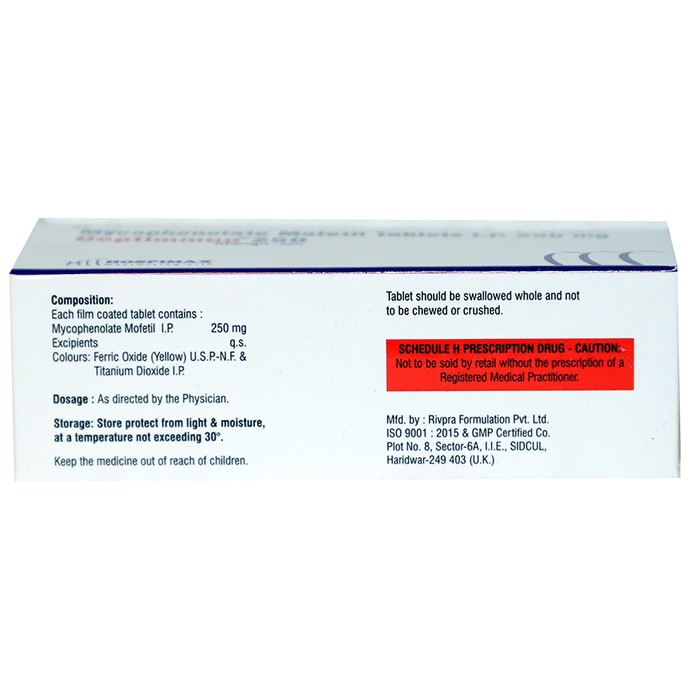
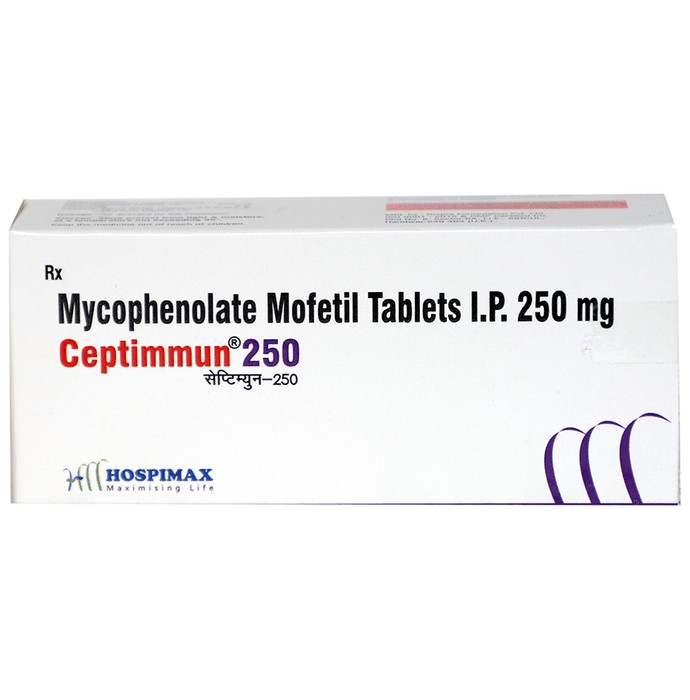
Ceptimmun 250 Tablet

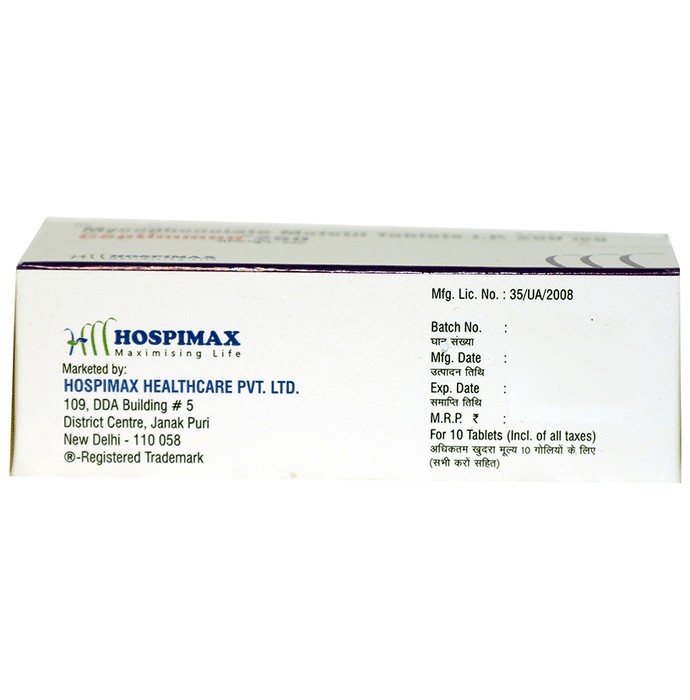
Marketer
Hospimax Healthcare Pvt Ltd
Salt Composition
Mycophenolate mofetil (250mg)
Overview Ceptimmun 250 Tablet
Immunosuppressant medication, Ceptimmun 250mg tablets, prevents organ transplant rejection. Combined with other drugs, it weakens the immune system, hindering the body's attack on the transplanted organ (kidney, heart, liver, etc.). Dosage and frequency vary based on the transplant; adhere strictly to your physician's prescribed regimen. Administer on an empty stomach, at least one hour before or two hours after eating, unless otherwise directed. Swallow whole; do not crush, chew, or break. Continuous use is crucial for optimal efficacy and rejection prevention. Common adverse effects include nausea, vomiting, diarrhea, abdominal pain, headache, hypertension, infections (viral, fungal, bacterial), and alterations in white blood cell counts. Immunosuppression increases infection susceptibility and cancer risk. Minimize sun exposure and use sunscreen to lessen skin cancer risk. Numerous potential side effects exist; discuss these with your doctor, noting any concerning symptoms requiring immediate medical attention. Ceptimmun 250mg tablets may cause birth defects and miscarriage; avoid use during pregnancy, planned pregnancy, or breastfeeding. Inform your doctor of any infections, unusual bruising or bleeding, and all other medications you are using, as interactions may occur. Regular blood tests will monitor blood cell counts, glucose, and cholesterol levels.
Uses of Ceptimmun 250 Tablet
Minimizing post-transplant organ rejection
Major Benefits of Ceptimmun 250 Tablet:
Consume Ceptimmun 250 Tablets as directed by your physician, adhering precisely to the prescribed dosage and timeframe. Ingest the tablet whole; avoid chewing, crushing, or fracturing it. This medication should be taken with food.
Common Side effects of Ceptimmun 250 Tablet:
- Bacterial infection
- Fungal infection
- Viral infection
- Anemia (low number of red blood cells)
- Decreased white blood cell count (lymphocytes)
- Increased glucose level in blood
- Increased potassium level in blood
- Decreased potassium level in blood
- Decreased phosphate level in blood
- Confusion
- Depression
- Anxiety
- Insomnia (difficulty in sleeping)
- Dizziness
- Paresthesia (tingling or pricking sensation)
- Tremors
- Fast heart rate
- Flatulence
- Headache
- High blood pressure
- Cough
- Breathlessness
- Constipation
- Diarrhea
- Indigestion
- Abdominal pain
- Nausea
- Vomiting
- Blood in urine
- Weakness
- Edema (swelling)
- Fever
- Rash
How to use Ceptimmun 250 Tablet:
Consume this medication precisely as directed by your physician, adhering to the prescribed dosage and timeframe. Ingest the tablet whole; avoid chewing, crushing, or fracturing it. Ceptimmun 250 Tablets should be administered with food.
How Ceptimmun 250 Tablet works:
Immunosuppressant Ceptimmun 250 Tablet diminishes the body's immune response, thereby mitigating the risk of transplant rejection.
SAFETY ADVICE
 AlcoholSAFE
Ingesting alcohol alongside Ceptimmun 250 Tablet poses no known adverse reactions.
 PregnancyCONSULT YOUR DOCTOR
Using Ceptimmun 250 Tablets during pregnancy poses a confirmed risk to the fetus. Therefore, it's contraindicated. In exceptional, life-threatening cases, a physician might prescribe it if the potential benefits outweigh the known hazards. Always seek medical advice.
 Breast feedingUNSAFE
Lactation and the use of Ceptimmun 250 Tablets are incompatible. Evidence indicates potential infant harm from this medication.
 DrivingSAFE
Driving ability is typically unaffected by Ceptimmun 250 Tablet.
 KidneyCAUTION
Patients with severe kidney impairment should use Ceptimmun 250 Tablets cautiously, potentially requiring a modified dosage. Physician consultation is advised.
 LiverCONSULT YOUR DOCTOR
Insufficient data exists regarding Ceptimmun 250 Tablet use in individuals with hepatic impairment. Physician consultation is recommended.
What if you forget to take Ceptimmun 250 Tablet :
NA
Facts to Know About Ceptimmun 250 Tablet
| Label | Value |
|---|---|
| Chemical Type | Phthalide-based compound |
| Developing Habits | No. |
| Treatment Category | Cancer Medications |
 3,018 People bought this recently