


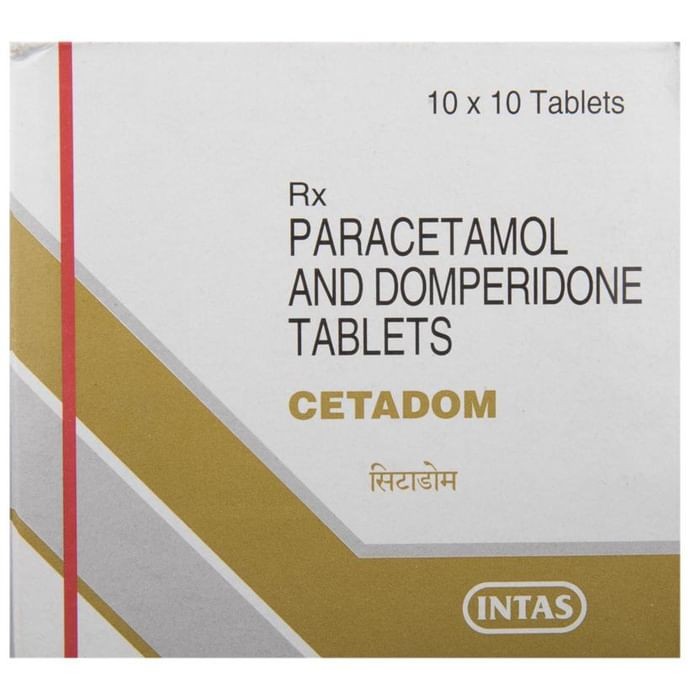
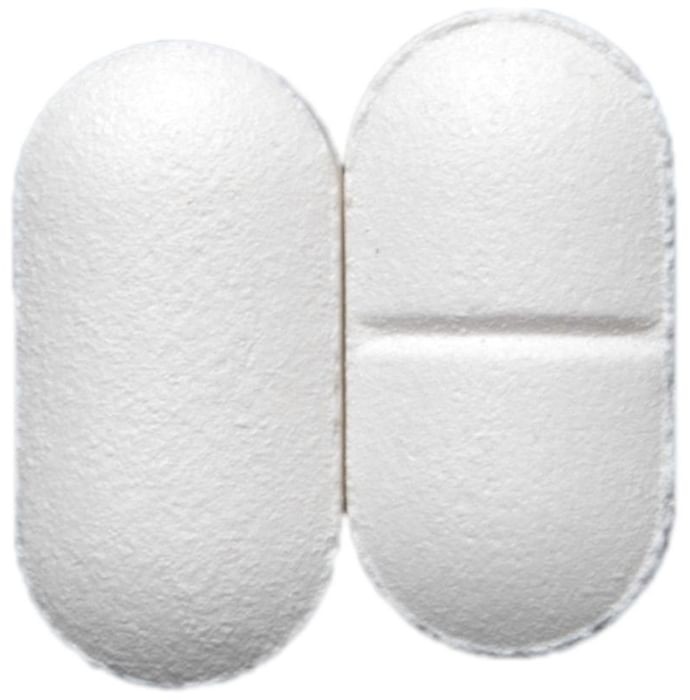
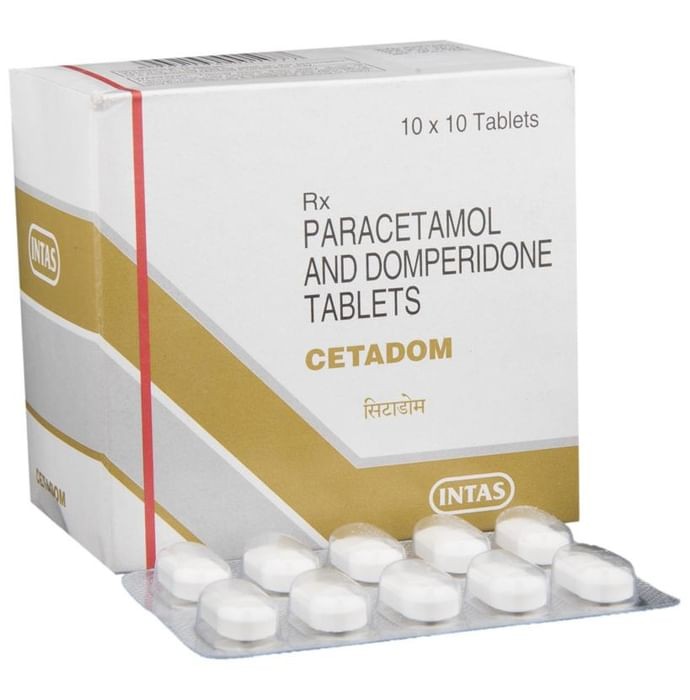
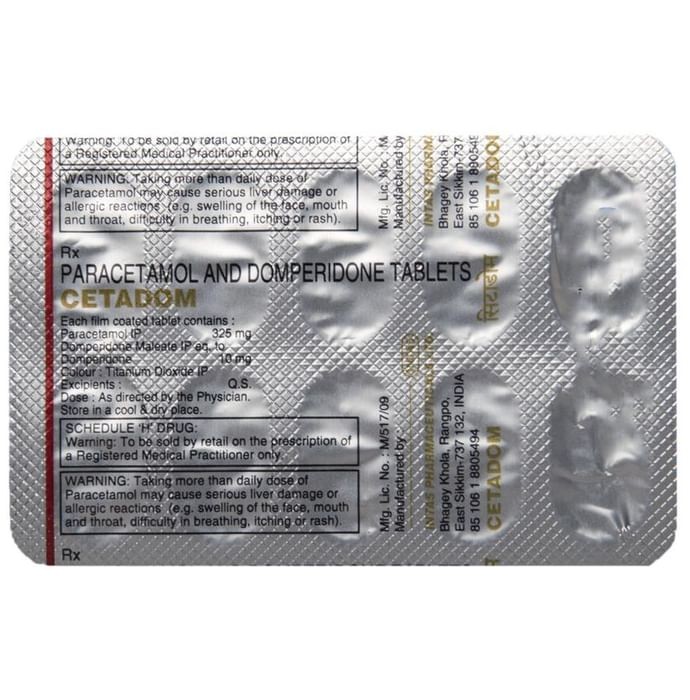
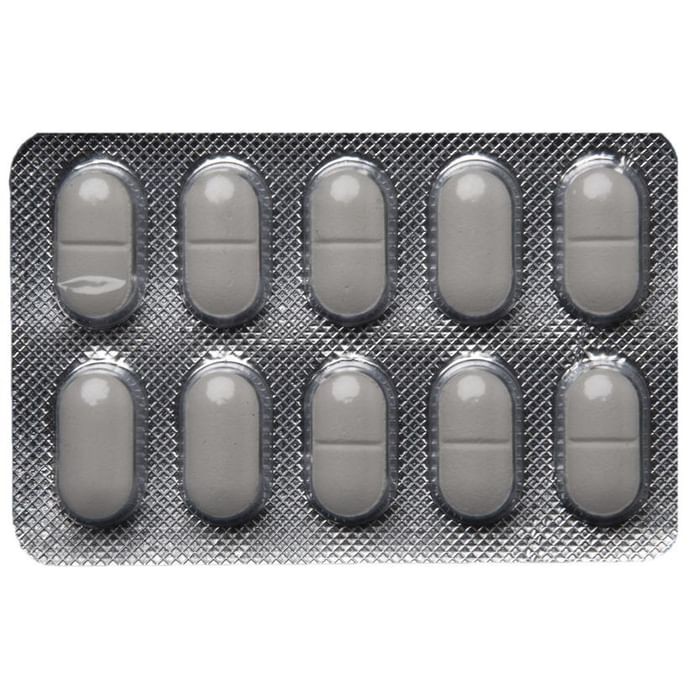
Cetadom Tablet

Marketer
Intas Pharmaceuticals Ltd
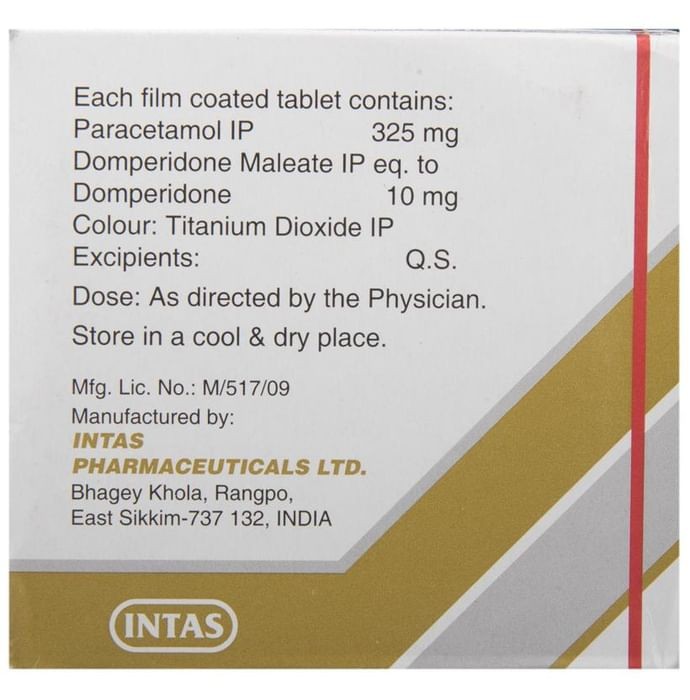
Salt Composition
Domperidone (10mg) + Paracetamol (325mg)
Overview Cetadom Tablet
Migralieve tablets, a prescription medication, are indicated for migraine management. This medication works by interrupting pain signals to the brain, thus lessening pain intensity. It also counteracts brain chemicals that induce nausea and vomiting often associated with migraines. Migralieve should be taken on an empty stomach, following your doctor's prescribed dosage and duration. Dosage is individualized based on your response and condition. Continue treatment as directed; premature cessation may lead to symptom recurrence and potential exacerbation. Inform your healthcare provider about all other medications you're using, as interactions are possible. The most prevalent side effect is dry mouth, typically transient and self-resolving. Report any concerning side effects immediately to your physician. Effective migraine management involves identifying personal triggers, such as red wine, caffeine withdrawal, stress, or missed meals. Maintaining a diary detailing activities, diet, and stressful events preceding migraines can help pinpoint these triggers. Before commencing treatment, disclose any pregnancy, pregnancy planning, or breastfeeding to your doctor. Similarly, inform your doctor about kidney or liver conditions to ensure appropriate dosage adjustments.
Primary Ingredients of Cetadom Tablet
No text was provided. Therefore, no rewritten text can be provided.
Uses of Cetadom Tablet
Managing Migraine Headaches
Major Benefits of Cetadom Tablet:
Consume this medication precisely as prescribed by your physician, adhering to both the dosage and treatment length. Ingest the tablet whole; avoid chewing, crushing, or fracturing it. Administer Cetadom Tablet on an empty stomach.
Common Side effects of Cetadom Tablet:
- Dryness in mouth
How to use Cetadom Tablet:
Consume this medication precisely as your physician directs, adhering to both the prescribed dosage and duration. Ingest the tablet whole; avoid chewing, crushing, or fracturing it. Administer Cetadom Tablet on an empty stomach.
How Cetadom Tablet works:
Cetadom Tablet combines Domperidone and Paracetamol to alleviate migraine symptoms. Domperidone, a prokinetic agent, acts on the brain's vomiting center and stimulates gastrointestinal motility, facilitating smoother food passage and thus preventing migraine-induced nausea and vomiting. Paracetamol, an analgesic and antipyretic, inhibits the production of pain and fever-inducing chemical signals characteristic of migraine headaches.
SAFETY ADVICE
 AlcoholUNSAFE
Consuming alcohol while taking Cetadom Tablet is inadvisable.
 PregnancyCONSULT YOUR DOCTOR
Use of Cetadom Tablet during pregnancy may pose risks. While human research is scarce, animal studies indicate potential harm to a fetus. A physician will assess the advantages against possible dangers prior to prescribing. Seek medical advice.
 Breast feedingSAFE IF PRESCRIBED
Lactating individuals may safely use Cetadom tablets. Research in humans indicates minimal drug transfer to breast milk, posing no discernible risk to the infant.
 DrivingUNSAFE
Taking Cetadom Tablets might reduce attentiveness, impair vision, or cause drowsiness and dizziness. Refrain from driving if these effects are experienced.
 KidneyCAUTION
Patients with kidney impairment should use Cetadom tablets cautiously; dosage modification may be necessary. Physician consultation is advised.
 LiverCAUTION
Patients with liver impairment should exercise caution when using Cetadom Tablets, potentially requiring dosage modification under medical supervision. Cetadom Tablets are contraindicated in individuals with severe or active liver disease.
What if you forget to take Cetadom Tablet :
Should you forget to take a Cetadom Tablet, administer it at your earliest convenience. Nevertheless, if your next scheduled dose is imminent, omit the missed dose and resume your usual dosing regimen. Avoid taking a double dose.
Facts to Know About Cetadom Tablet
| Label | Value |
|---|---|
| Developing Habits | No. |
| Treatment Category | Neuroscience of the Central Nervous System |
 3,018 People bought this recently