

Search Icon

AUM Pharmacy

Hi there!

Hello, Login
All Categories
VisaVisaVisa
slide-0
slide-1
slide-2
slide-3

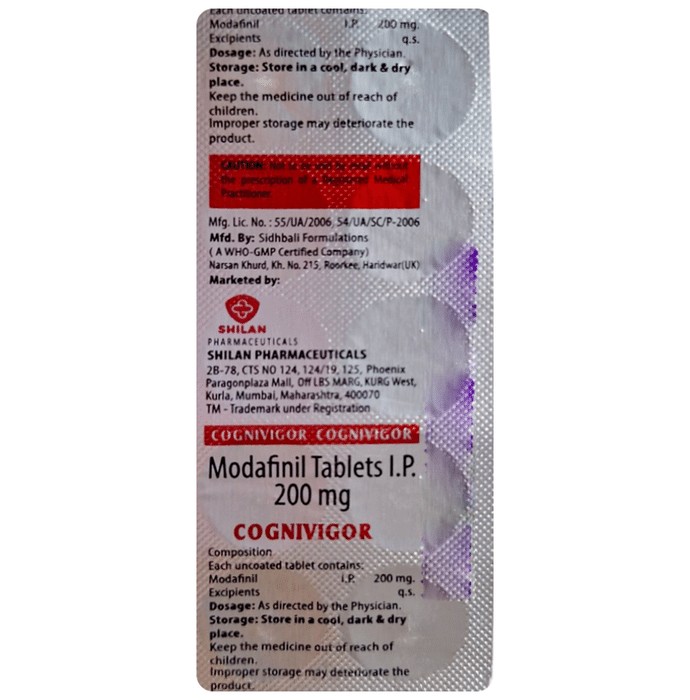
Cognivigor Tablet

Prescription Icon
Prescription Required

Marketer

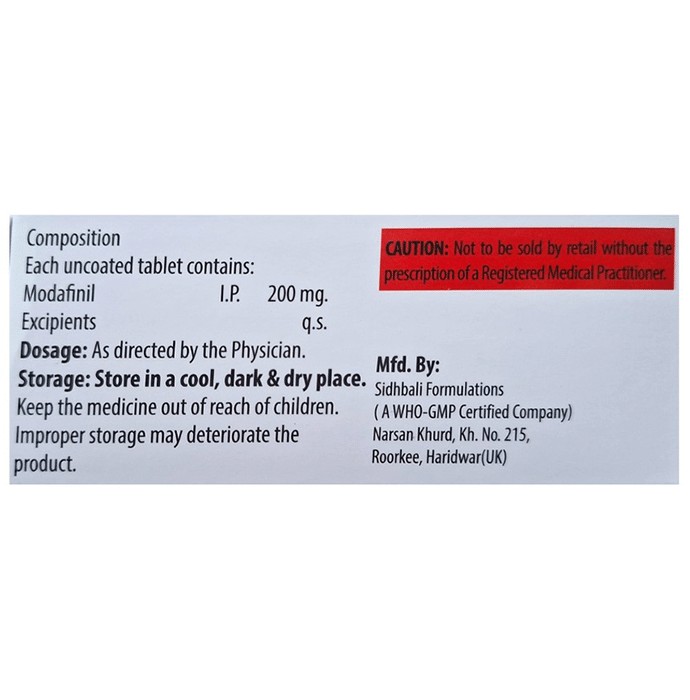
Shilan Pharmaceutical Pvt. Ltd.

Salt Composition

Modafinil (200mg)

Overview Cognivigor Tablet

Dayvigo tablets are prescribed to manage excessive daytime sleepiness, a symptom of narcolepsy. This medication promotes wakefulness, reducing daytime sleepiness and helping to regulate the sleep-wake cycle. Dayvigo may also be used to treat obstructive sleep apnea and shift work sleep disorder. It further offers cognitive benefits, improving concentration, alertness, and overall productivity. Dayvigo can be taken with or without food; consistent daily dosing at the same time is recommended to maintain stable blood levels. Missed doses should be taken as soon as remembered; complete the full course of treatment even with symptom improvement, and avoid abrupt cessation, as this may exacerbate symptoms. Common, typically transient side effects include headache, nausea, nervousness, anxiety, insomnia, diarrhea, indigestion, back pain, and rhinorrhea. Rare but serious side effects may include skin rashes, significant mood alterations, and allergic reactions; seek immediate medical attention if any occur. Dayvigo is solely for doctor-prescribed use and does not replace healthy sleep habits; sufficient nightly rest remains crucial. Before starting Dayvigo, disclose any kidney, heart, or liver conditions, or history of seizures. Report any unusual mood or behavioral changes, new or worsening depression, or suicidal ideation to your physician immediately.

Uses of Cognivigor Tablet

Excessive daytime sleepiness, a hallmark of narcolepsy.

Major Benefits of Cognivigor Tablet:

Administer Cognivigor Tablet as prescribed by your physician, swallowing the tablet whole. Avoid chewing, crushing, or breaking it. While consumption with or without food is acceptable, consistent timing is recommended for optimal results.

Common Side effects of Cognivigor Tablet:

  • Headache
  • Nausea
  • Nervousness
  • Anxiety
  • Dizziness
  • Insomnia (difficulty in sleeping)
  • Diarrhea
  • Indigestion
  • Back pain
  • Runny nose

How to use Cognivigor Tablet:

Consume Cognivigor Tablet precisely as your physician directs, adhering to both the prescribed dosage and treatment period. The tablet should be swallowed whole; avoid chewing, crushing, or breaking it. While it can be taken with or without food, consistent timing is recommended for optimal results.

How Cognivigor Tablet works:

Cognivigor Tablets adjust neurotransmitter concentrations, producing a stimulating effect that counteracts excessive drowsiness.

SAFETY ADVICE

AlcoholAlcoholCAUTION

Use of Cognivigor Tablets with alcohol requires careful consideration. Physician consultation is recommended.

PregnancyPregnancyCONSULT YOUR DOCTOR

Use of Cognivigor Tablets during pregnancy may pose risks. While human research is scarce, animal studies indicate potential harm to the unborn child. A physician will assess the advantages against possible dangers prior to any prescription. Physician consultation is recommended.

Breast feedingBreast feedingCONSULT YOUR DOCTOR

Breastfeeding mothers should likely avoid Cognivigor Tablets. Scant evidence from human studies indicates potential transfer of the medication into breast milk, posing a risk to the infant.

DrivingDrivingUNSAFE

Taking Cognivigor tablets might impair driving ability. Individuals experiencing excessive sleepiness who use modafinil should be warned that normal alertness may not be restored, and driving should be avoided.

KidneyKidneySAFE IF PRESCRIBED

Cognivigor tablets appear to pose minimal risk for individuals with kidney impairment. Preliminary findings indicate that dose modification may be unnecessary, however, physician consultation is recommended.

LiverLiverCAUTION

Patients with severe hepatic impairment should exercise caution when using Cognivigor tablets, as dose modification may be necessary. Physician consultation is recommended.

What if you forget to take Cognivigor Tablet :

Omit any missed Cognivigor Tablet dose and resume your regular medication regimen. Avoid taking a double dose.

Facts to Know About Cognivigor Tablet

LabelValue
Chemical Type Diphenylmethane-based compound
Developing Habits ~
Treatment Category Neuroscience of the Central Nervous System

FAQs on Cognivigor Tablet

A rash can develop anytime between one day and two months after beginning Cognivigor Tablet treatment. The timing is unpredictable. Stop taking the medication and consult your doctor immediately if a rash appears, as its severity is uncertain.
Cognivigor Tablets treat excessive daytime sleepiness associated with narcolepsy. While they can reduce sleepiness, they don't cure the disorder. A common side effect is difficulty falling asleep, but this isn't experienced by all users. Report any sleep problems to your doctor.
Cognivigor Tablets offer superior efficacy to amphetamine in treating narcolepsy-related excessive daytime sleepiness and improving task performance. Unlike amphetamine, Cognivigor exhibits a lower incidence of side effects like hyperactivity, anxiety, restlessness, and rebound effects.
Cognivigor Tablets improve mood and have been used in the treatment of depression.
Take Cognivigor tablets exactly as prescribed. They may be taken with or without food and should be swallowed whole with water.
Cognivigor Tablets can cause diarrhea, though constipation is equally likely. Other common gastrointestinal side effects include abdominal pain, nausea, dry mouth, and indigestion.
Cognivigor Tablets combat sleepiness and enhance memory. They've been used to treat memory loss in Alzheimer's disease, age-related cognitive decline, and schizophrenia-related cognitive impairment.
Don't stop taking Cognivigor Tablets without first talking to your doctor. Stopping abruptly could lessen its effectiveness and cause your sleepiness to return. Continue taking it as prescribed, unless you experience serious side effects.
Cognivigor Tablets are not intended for long-term use. Studies indicate potential memory impairment with prolonged use, and the drug carries a risk of abuse. Furthermore, extended use, particularly with misuse, insufficient sleep, and prolonged wakefulness, can trigger stress responses and weaken the immune system, increasing infection susceptibility.
Prolonged Cognivigor Tablet use carries a risk of abuse, particularly for individuals with a history of alcohol or substance misuse. Close monitoring for signs of misuse, including drug-seeking behavior, is essential for such patients.
Cognivigor Tablets are a prescription medication; use only as directed by your doctor. Serious side effects, including severe rash or allergic reaction, potentially affecting liver or blood cells, may occur. Seek immediate medical attention for any such reaction, as it could be life-threatening.
A rash may develop anytime between one day and two months after starting Cognivigor Tablets. The timing is unpredictable. Stop taking the medication and consult your doctor immediately if a rash appears, as its severity is uncertain.
Cognivigor Tablets treat excessive daytime sleepiness associated with narcolepsy. While they can reduce sleepiness, they don't cure the disorder. A common side effect is difficulty falling asleep, but this isn't experienced by all users. Consult your doctor about any sleep-related concerns.
Cognivigor Tablets offer a more effective treatment for narcolepsy-related excessive sleepiness than amphetamine, improving task performance while exhibiting fewer side effects. Unlike amphetamine, Cognivigor is less associated with hyperactivity, anxiety, restlessness, or rebound effects.
Cognivigor Tablets improve mood and have been used in the treatment of depression.
Take Cognivigor tablets exactly as prescribed. They may be taken with or without food and should be swallowed whole with water.
Cognivigor Tablets can cause diarrhea, although constipation is equally likely. Other common gastrointestinal side effects include abdominal pain, nausea, dry mouth, and indigestion.
Cognivigor Tablets combat sleepiness while also improving memory. They've been used to treat memory loss in Alzheimer's disease, age-related cognitive decline, and schizophrenia-related cognitive impairment.
Don't stop taking Cognivigor tablets without your doctor's advice. Stopping abruptly could lessen its effectiveness and bring back sleepiness. Continue taking it as prescribed, unless serious side effects occur.
Cognivigor Tablets are not intended for long-term use. Studies link prolonged use to memory impairment and potential for abuse. Furthermore, extended use, particularly with misuse, sleep deprivation, and prolonged wakefulness, can trigger stress responses and weaken the immune system, increasing infection risk.
Prolonged Cognivigor Tablet use carries a risk of abuse, particularly among individuals with a history of alcohol or substance abuse. Close monitoring for misuse or addictive behaviors is crucial for these patients.
Cognivigor Tablets are a prescription medication; use only as directed by your physician. Serious side effects, including severe rash, serious allergic reaction, liver damage, or blood cell problems, are possible. Seek immediate medical attention if any such effects occur, as they can be life-threatening.
Cognivigor Tablet
291
MRP 355
18% off
