Search Icon

AUM Pharmacy

Hi there!

Hello, Login
All Categories
VisaVisaVisa
slide-0
slide-1
slide-2

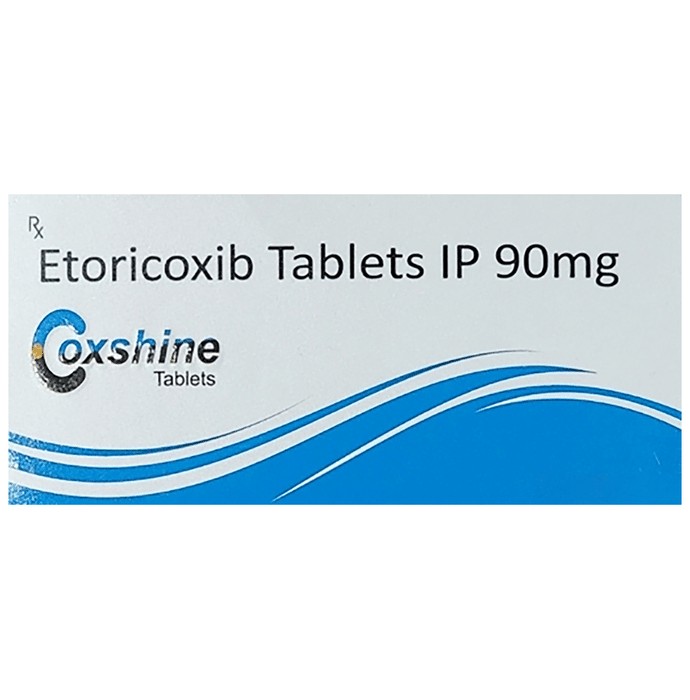
Coxshine Tablet

Prescription Icon
Prescription Required

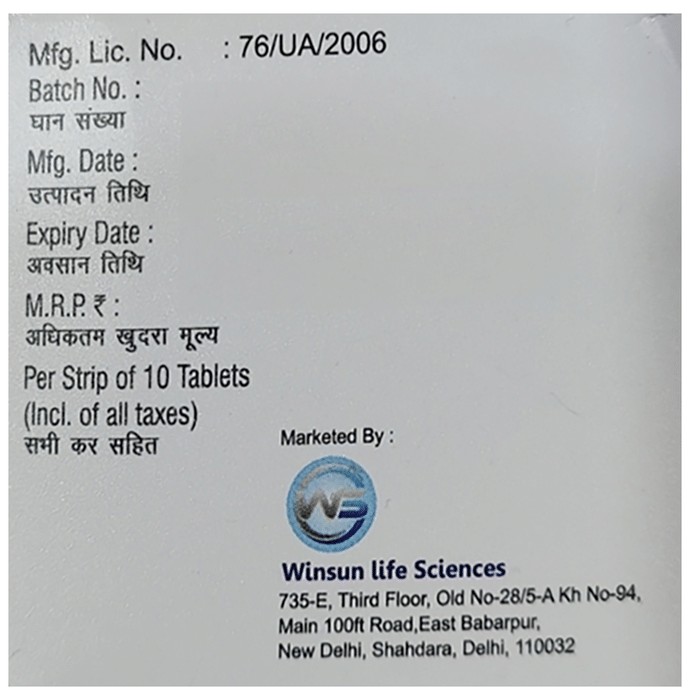
Marketer

Winsun Life Sciences Pvt Ltd

Salt Composition

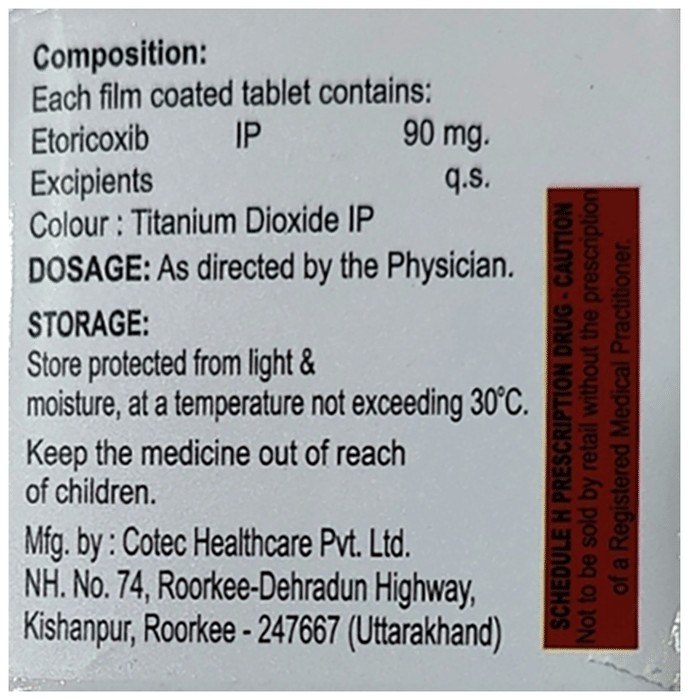
Etoricoxib (90mg)

Overview Coxshine Tablet

Arthritis and gout pain can be managed with the analgesic Coxshine Tablet. This medication effectively reduces moderate joint pain and inflammation associated with various arthritic conditions. It provides relief from pain, redness, and swelling. Coxshine Tablet may be administered with or without food; dosage is determined by your physician based on your specific needs and response to treatment. Always adhere to your doctor's prescribed dosage and duration. Common side effects, such as abdominal discomfort, swelling, lightheadedness, headache, cardiac arrhythmia, and elevated blood pressure, are generally mild. However, consult your doctor if you experience any concerns. Prior to commencing treatment, disclose any history of gastric ulcers or bleeding, hypertension, or pre-existing cardiovascular, renal, or hepatic conditions. Inform your physician of all other medications you are currently using, as interactions may occur. Pregnant or lactating individuals should seek medical advice before using this medication. Alcohol consumption should be avoided during treatment due to the potential for increased drowsiness.

Primary Ingredients of Coxshine Tablet

No text provided to rephrase.

Uses of Coxshine Tablet

Analgesia

Major Benefits of Coxshine Tablet:

Follow your doctor's instructions precisely regarding dosage and treatment length for Coxshine Tablet. Ingest the tablet whole; do not chew, crush, or divide it. Coxshine Tablet can be taken with or without food, but consistent timing is recommended.

Common Side effects of Coxshine Tablet:

  • Palpitations
  • High blood pressure
  • Dizziness
  • Bronchospasm
  • Stomach inflammation
  • Increased liver enzymes
  • Abdominal pain
  • Vomiting
  • Nausea
  • Edema (swelling)
  • Headache
  • Constipation
  • Diarrhea
  • Gastro-esophageal reflux disease
  • Dyspepsia
  • Oral ulcer
  • Increased alanine aminotransferase
  • Increased aspartate aminotransferase
  • Ecchymosis (discoloration of the skin resulting from bleeding underneath)
  • Weakness
  • Flu-like symptoms
  • Flatulence
  • Dry socket

How to use Coxshine Tablet:

Consume this medication precisely as directed by your physician, adhering to the prescribed dosage and treatment period. Ingest the tablet whole; avoid chewing, crushing, or fracturing it. Coxshine Tablet can be administered with or without food, however, consistent timing is recommended for optimal results.

How Coxshine Tablet works:

Coxshine tablets contain a COX-2 inhibiting NSAID that alleviates pain and inflammation by suppressing the production of specific inflammatory mediators.

SAFETY ADVICE

AlcoholAlcoholUNSAFE

Consuming alcohol while taking Coxshine Tablet is inadvisable.

PregnancyPregnancyCONSULT YOUR DOCTOR

The use of Coxshine Tablets during pregnancy may pose risks. While human data is scarce, animal research indicates potential harm to the fetus. A physician will assess the advantages against possible risks prior to prescribing. Seek medical advice.

Breast feedingBreast feedingCONSULT YOUR DOCTOR

Data on Coxshine Tablet use while breastfeeding is lacking. Seek medical advice from your physician.

DrivingDrivingUNSAFE

Driving should be avoided if you experience drowsiness, dizziness, blurred vision, or reduced alertness after taking Coxshine Tablet.

KidneyKidneyCAUTION

Patients with impaired kidney function should exercise caution when using Coxshine Tablets, potentially requiring dosage modification. A physician's consultation is advised. Coxshine Tablets are contraindicated in patients with severely compromised kidney function.

LiverLiverCAUTION

Patients with liver impairment should exercise caution when using Coxshine Tablets, potentially requiring a modified dosage. Physician consultation is advised. Coxshine Tablets are contraindicated in individuals with severe hepatic dysfunction.

What if you forget to take Coxshine Tablet :

Should you forget a Coxshine Tablet dose, take it immediately. If, however, your next dose is imminent, omit the missed one and resume your usual dosing pattern. Never take a double dose.

Facts to Know About Coxshine Tablet

LabelValue
Chemical Type Sulfone-Pyridine Hybrid
Developing Habits No.
Treatment Category Pain Relievers

FAQs on Coxshine Tablet

Coxshine Tablets relieve joint and muscle pain and inflammation in adults 16 and older with rheumatoid arthritis, ankylosing spondylitis, or gout. They also provide short-term pain relief after dental surgery in adults 16 and older.
Coxshine Tablet is generally well-tolerated, but some individuals may experience side effects such as nausea, vomiting, stomach pain, fatigue, or diarrhea. Report any persistent side effects to your doctor.
Continue taking Coxshine Tablet as directed by your doctor for chronic pain; discontinue it if used for short-term pain relief.
Coxshine Tablet may cause nausea and vomiting. Taking it with food, milk, or antacids may help. Avoid fatty or fried foods. If vomiting occurs, sip small amounts of water or other fluids frequently. Persistent vomiting or signs of dehydration (dark, strong-smelling urine, infrequent urination) require immediate medical attention. Consult your doctor before taking any other medication.
Yes, dizziness (lightheadedness, faintness, weakness, unsteadiness) is a possible side effect of Coxshine Tablet in some individuals. Avoid driving or operating machinery if dizziness occurs. Rest until symptoms subside before resuming activities.
Coxshine Tablet is contraindicated in patients allergic to its components or other painkillers (NSAIDs). It should be avoided in those with a history of, or active, stomach ulcers or bleeding. Patients with heart failure, high blood pressure, liver, or kidney disease should also avoid this medication.
Taking Coxshine Tablet for stomach pain without a doctor's consultation is inadvisable. The medication may worsen existing, undiagnosed stomach problems by increasing acid production.
Prolonged Coxshine Tablet use can harm the kidneys. This is because painkillers reduce prostaglandins, chemicals that protect the kidneys. Consequently, Coxshine Tablet is unsuitable for individuals with pre-existing kidney conditions.
Exceeding the recommended Coxshine Tablet dosage increases the risk of side effects such as stomach pain, nausea, vomiting, indigestion, and diarrhea. Prolonged use may also harm your kidneys. Consult your doctor if pain persists or worsens despite taking the recommended dose.
Coxshine Tablet may raise blood pressure, particularly at higher doses. Your doctor might recommend regular home blood pressure monitoring. If you have uncontrolled high blood pressure, inform your doctor before taking Coxshine Tablet to prevent complications.
Continue taking Coxshine Tablets as directed by your doctor. Typical usage is 3 days for dental pain, up to 8 days for acute pain, and longer-term (varying by individual) for arthritis.
Always follow your doctor's instructions when taking Coxshine Tablet. Swallow the tablet whole with water; it may be taken with or without food, although taking it on an empty stomach may improve its effectiveness. Never exceed the prescribed dosage.
Coxshine Tablets may cause drowsiness, dizziness, and vertigo in some individuals. Driving or operating machinery should be avoided if these symptoms occur.
Concurrent use of Coxshine tablets with birth control pills or hormone replacement therapy might heighten the risk of adverse effects. Therefore, consult your doctor to explore alternative contraception options.
Low-dose aspirin may be used to prevent stroke and heart attack; however, discontinue use only after consulting your physician. Avoid high-dose aspirin and other anti-inflammatory drugs, such as Coxshine Tablet, concurrently, as this increases the risk of stomach ulcers.
Coxshine Tablet typically provides pain relief within four hours, although the full effect might take longer and can differ individually.
Coxshine Tablet is an analgesic that relieves joint and muscle pain and inflammation associated with osteoarthritis, rheumatoid arthritis, ankylosing spondylitis, and gout. It also provides relief from post-dental surgery pain.
Coxshine Tablet requires caution in patients with impaired kidney or liver function (including cirrhosis) or severe heart failure, as it may worsen these conditions. Uncommon kidney-related side effects include proteinuria, elevated serum creatinine, and renal failure.
Continue taking Coxshine Tablets for as long as your doctor directs. This typically means three days for dental pain, up to eight days for acute pain, and potentially long-term for arthritis, with duration varying depending on individual needs.
Always follow your doctor's instructions when taking Coxshine Tablet. Swallow the tablet whole with water; it may be taken with or without food, although taking it on an empty stomach may improve its effectiveness. Never exceed the prescribed dosage.
Coxshine Tablets may cause drowsiness, vertigo, and dizziness in some individuals. Avoid driving or operating machinery if you experience these side effects.
Concurrent use of Coxshine tablets with birth control pills or hormone replacement therapy may heighten the risk of side effects. Therefore, consult your doctor to explore alternative contraceptive options.
Low-dose aspirin may be used to help prevent stroke and heart attack. Never discontinue low-dose aspirin without consulting your doctor. Avoid high-dose aspirin and other anti-inflammatory drugs while taking Coxshine Tablet, as this increases your risk of stomach ulcers.
Pain relief typically begins within four hours of taking Coxshine Tablet, though the full effect might take longer and can vary individually.
Coxshine Tablet is an analgesic, effectively reducing pain and inflammation in joints and muscles affected by osteoarthritis, rheumatoid arthritis, ankylosing spondylitis, or gout. It also provides relief from post-surgical dental pain.
Coxshine Tablet should be used cautiously by individuals with impaired kidney or liver function (including cirrhosis) or severe heart failure, as it may worsen these conditions. Uncommon kidney-related side effects include proteinuria, elevated serum creatinine, and renal failure.
Coxshine Tablet
130
MRP 150
13% off
