


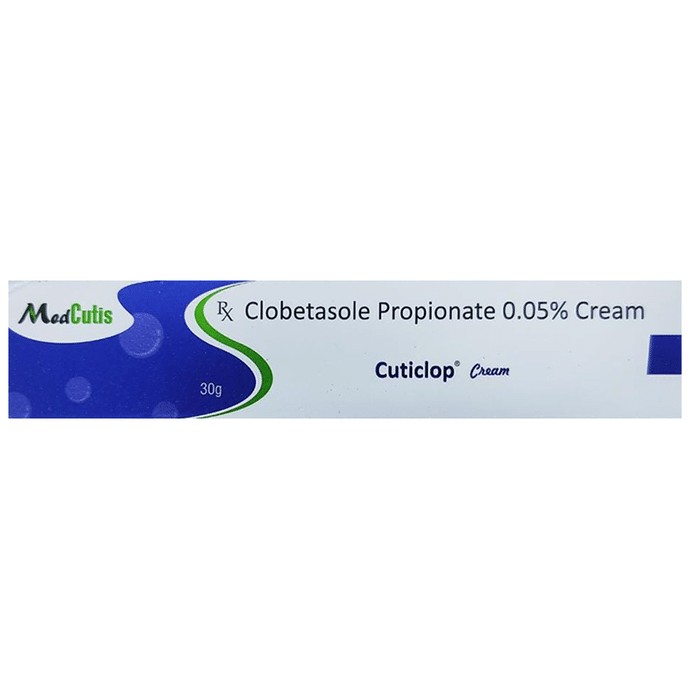

Cuticlop Cream

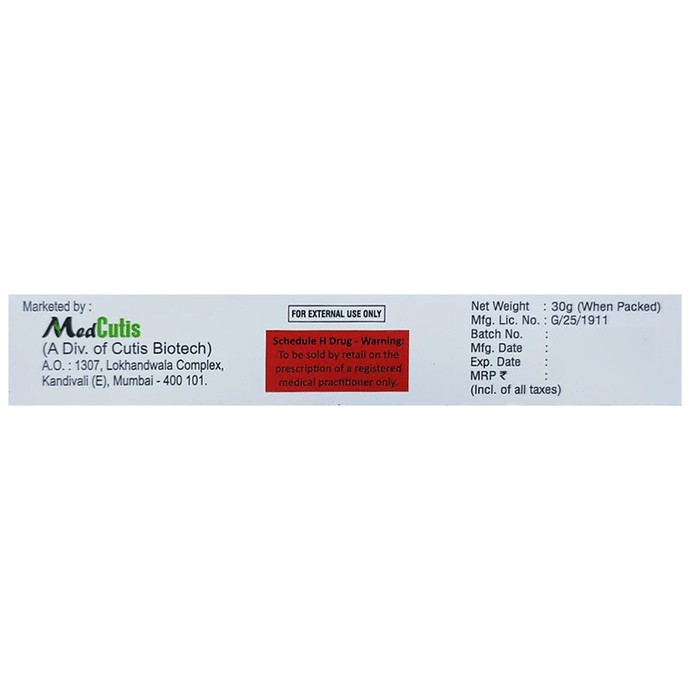
Marketer
Cutis Biotech
Salt Composition
Clobetasol (0.05% w/w)
Overview Cuticlop Cream
DermaCalm cream, a corticosteroid medication, effectively manages diverse skin ailments including dermatitis, eczema, and allergic reactions. Its mechanism involves alleviating inflammation, redness, and itching, thereby hindering further skin irritation. For topical application only, DermaCalm should be used strictly as prescribed. Clean and dry the affected skin before applying a thin layer. Avoid contact with eyes, nose, and mouth; rinse thoroughly with water if accidental contact occurs. Unless advised by a physician, avoid occlusive dressings. Potential side effects, such as skin thinning, burning, irritation, redness, and swelling at the application site, are typically transient. Persistent or worsening symptoms warrant medical attention. DermaCalm is unsuitable for pediatric use; pregnant or lactating individuals should seek medical guidance prior to use.
Uses of Cuticlop Cream
Managing allergic dermatoses
Major Benefits of Cuticlop Cream:
Apply this medication topically only. Follow your physician's instructions regarding dosage and treatment length. Always consult the product label for application details. Ensure the affected skin is clean and dry before applying the cream. Wash your hands thoroughly afterward, except when the affected area is on your hands.
Common Side effects of Cuticlop Cream:
- Skin atrophy
- Telangiectasia
- Skin irritation
- Dry skin
How to use Cuticlop Cream:
Apply this medication topically only. Follow your physician's instructions regarding dosage and treatment length. Always consult the product label for application details. Before applying the cream, cleanse and thoroughly dry the affected skin. Wash your hands afterward, except when the affected area is on your hands.
How Cuticlop Cream works:
Cuticlop Cream, a corticosteroid medication, reduces inflammation by inhibiting the release of inflammatory mediators responsible for skin redness, swelling, and pruritus.
SAFETY ADVICE
 AlcoholNone
No known drug interactions.
 PregnancyCONSULT YOUR DOCTOR
The use of Cuticlop Cream during pregnancy may pose risks. While human research is scarce, animal studies indicate potential harm to the unborn child. A physician will assess the potential advantages against any possible dangers prior to recommending its use. Seek medical advice.
 Breast feedingCONSULT YOUR DOCTOR
The use of Cuticlop Cream while breastfeeding is likely inadvisable. Available human data indicates potential transfer of the medication into breast milk, posing a possible risk to the infant.
 DrivingNone
No known drug interactions.
 KidneyNone
No known drug interactions.
 LiverNone
No known drug interactions.
What if you forget to take Cuticlop Cream :
Should you forget a Cuticlop Cream application, use it at your earliest convenience. Nevertheless, if your next scheduled application is imminent, omit the missed one and resume your usual routine.
Facts to Know About Cuticlop Cream
| Label | Value |
|---|---|
| Chemical Category | Glucocorticoids, mineralocorticoids, progestins, and their derivatives |
| Developing Habits | No. |
| Treatment Category | DERMA |
 3,018 People bought this recently