




Depchi Tablet

Marketer
Nunchi Pharma Pvt. Ltd.
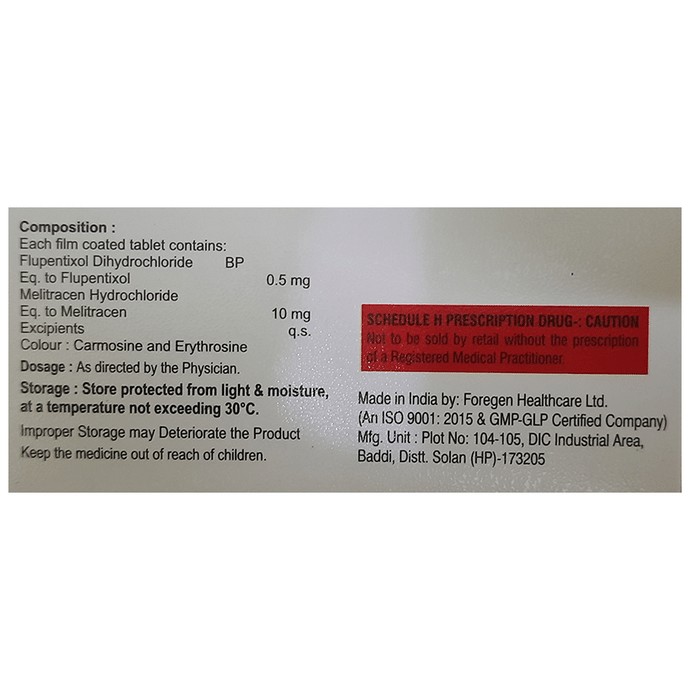
Salt Composition
Flupenthixol (0.5mg) + Melitracen (10mg)
Overview Depchi Tablet
Combiflex tablets combine two active ingredients to effectively manage depressive symptoms. The medication works by boosting levels of neurotransmitters, promoting relaxation and easing depressive states. Combiflex can be administered with or without food, consistently at the same time daily for optimal therapeutic levels. Always follow your physician's prescribed dosage and duration. Discontinuing this medication abruptly is strongly discouraged; consult your doctor before stopping treatment to avoid symptom exacerbation. Potential side effects include xerostomia, bowel irregularity, urinary difficulty, visual blurring, tachycardia, muscle stiffness, akathisia, and tremors. Postural hypotension may initially occur; rise slowly from sitting or lying positions. Drowsiness and dizziness are possible; avoid driving or activities requiring alertness until the medication's effects are known. Prior to initiating treatment, disclose any existing conditions such as thyroid dysfunction, renal impairment, epilepsy, Parkinson's disease, glaucoma, or cardiovascular disease. Weight gain is a potential side effect; maintain a healthy diet, limit high-calorie snacks, and incorporate regular exercise.
Primary Ingredients of Depchi Tablet
No text provided. Please provide the text you want me to rephrase.
Uses of Depchi Tablet
Managing Depressive Disorders
Major Benefits of Depchi Tablet:
Follow your doctor's instructions precisely regarding the dosage and treatment length for Depchi Tablet. Ingest the tablet whole; avoid chewing, crushing, or breaking it. Depchi Tablet can be taken with or without food, however, consistent timing is recommended.
Common Side effects of Depchi Tablet:
- Constipation
- Urinary retention
- Weight gain
- Sleepiness
- Orthostatic hypotension (sudden lowering of blood pressure on standing)
- Increased heart rate
- Increased prolactin level in blood
- Blurred vision
- Dryness in mouth
- Muscle stiffness
- Tremors
- Restlessness
How to use Depchi Tablet:
Follow your doctor's instructions precisely regarding the dosage and treatment length for Depchi Tablet. Ingest the tablet whole; avoid chewing, crushing, or breaking it. Depchi Tablet can be administered with or without food, though consistent timing is recommended.
How Depchi Tablet works:
Depchi Tablet combines flupenthixol, a conventional antipsychotic drug, with melitracen, a tricyclic antidepressant. Flupenthixol's mechanism involves dopamine receptor antagonism, modulating neurotransmission associated with mood and cognition. Melitracen elevates brain neurotransmitter concentrations, thereby assisting mood regulation and combating depressive symptoms.
SAFETY ADVICE
 AlcoholUNSAFE
Consuming alcohol alongside Depchi Tablet is inadvisable.
 PregnancyCONSULT YOUR DOCTOR
Use of Depchi Tablet during pregnancy may pose risks. While human research is scarce, animal studies indicate potential harm to the fetus. A physician will assess the advantages against possible risks prior to prescription. Physician consultation is advised.
 Breast feedingCONSULT YOUR DOCTOR
Data on Depchi Tablet use while breastfeeding is lacking. Seek medical advice from your physician.
 DrivingUNSAFE
Taking Depchi Tablet might impair alertness, vision, or cause drowsiness and dizziness. Refrain from driving if you experience these effects.
 KidneyCONSULT YOUR DOCTOR
Insufficient data exists regarding Depchi Tablet's use in individuals with renal impairment. Physician consultation is advised.
 LiverCAUTION
Individuals with hepatic impairment should exercise caution when using Depchi Tablet. Dosage modification may be necessary. Physician consultation is advised.
What if you forget to take Depchi Tablet :
Should you forget a Depchi Tablet dose, take it immediately. If, however, your next dose is imminent, omit the missed dose and resume your usual dosing regimen. Never take a double dose.
Facts to Know About Depchi Tablet
| Label | Value |
|---|---|
| Developing Habits | No. |
| Type of Treatment | Neuroscience and Central Nervous System |
 3,018 People bought this recently