


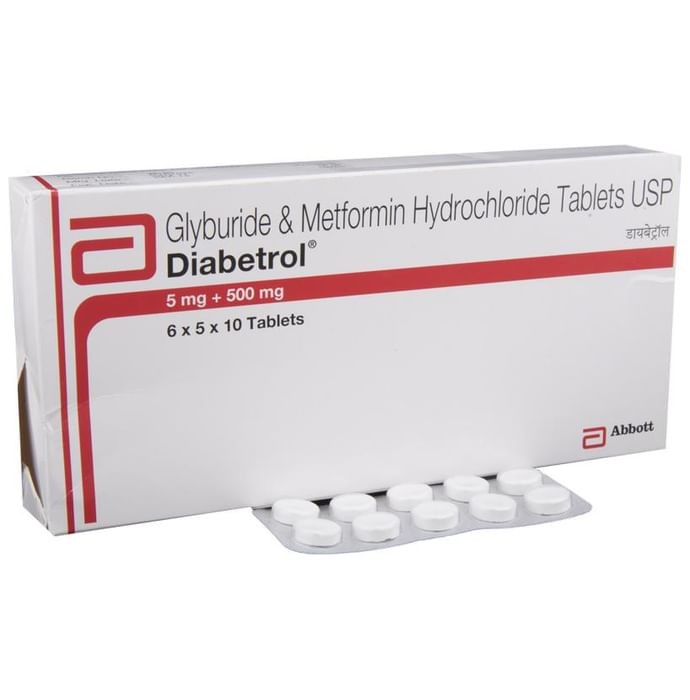
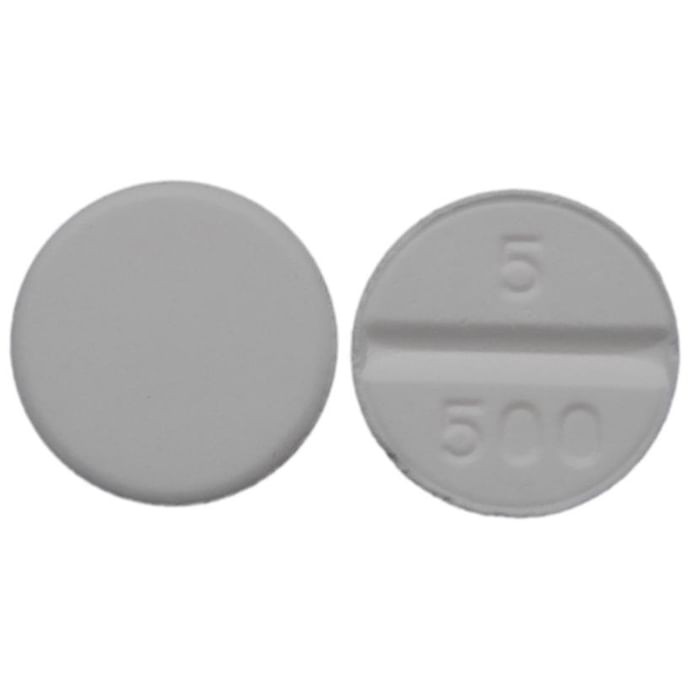
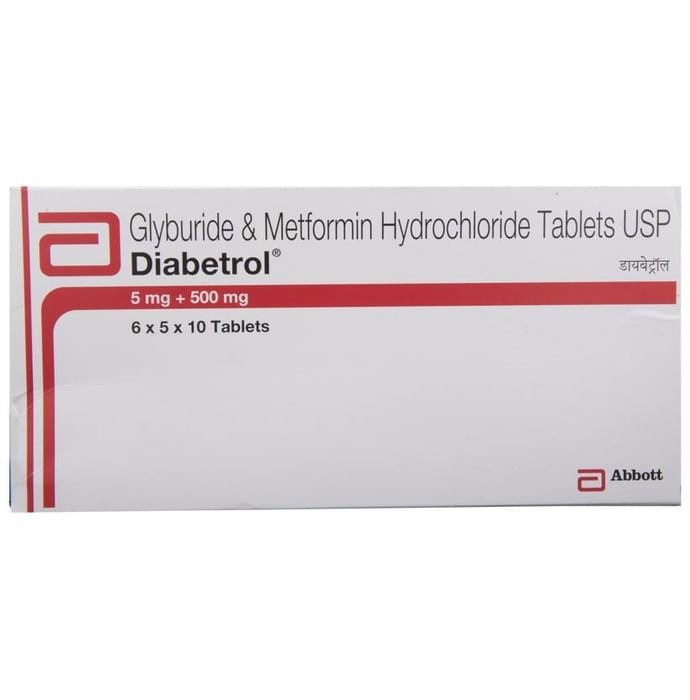
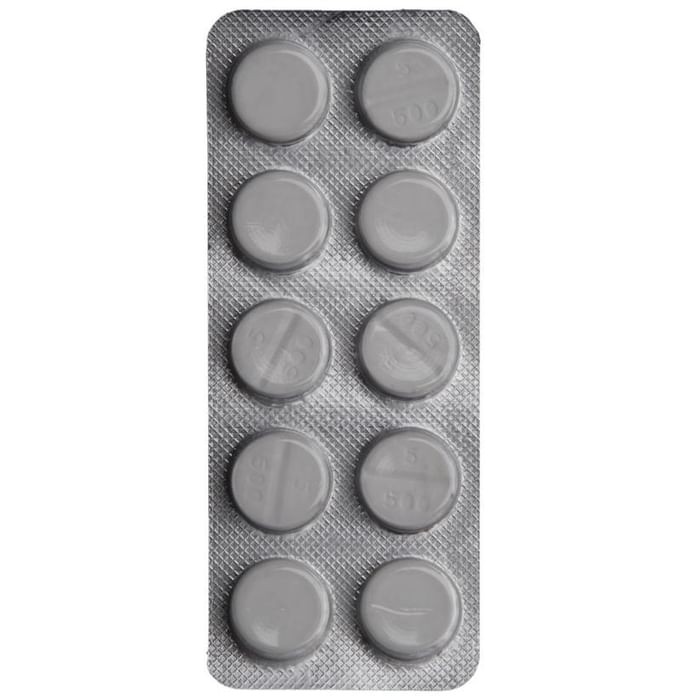
Diabetrol Tablet

Marketer
Abbott
Salt Composition
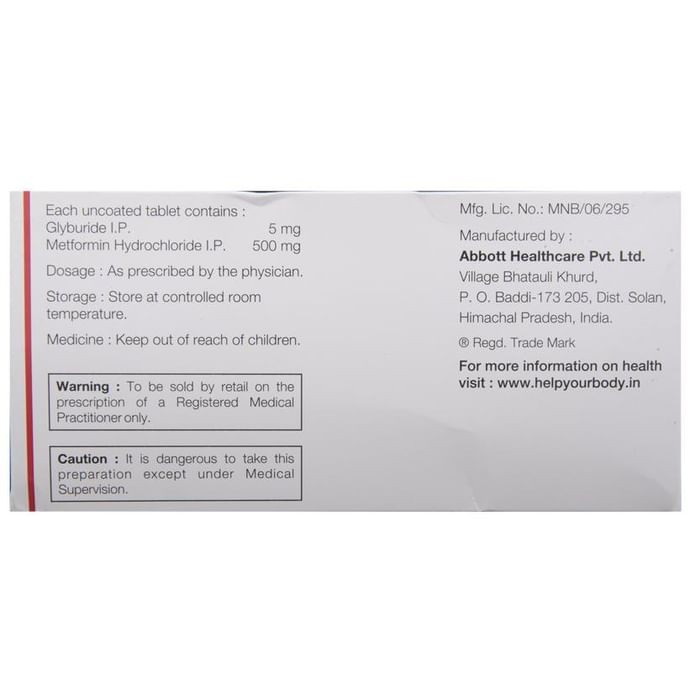
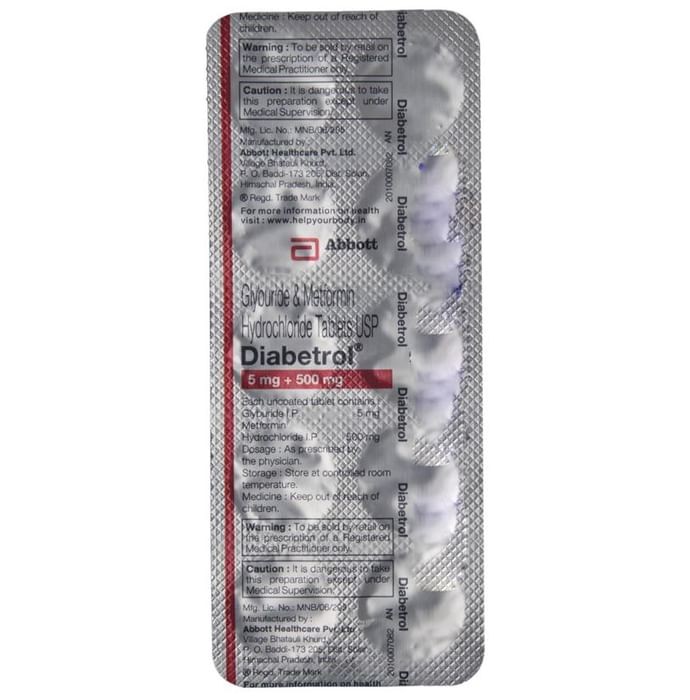
Glibenclamide (5mg) + Metformin (500mg)
Overview Diabetrol Tablet
GlucoBalance combines two anti-diabetic agents to manage type 2 diabetes in adults. This medication helps regulate blood sugar and should be taken with meals, consistently at the same time daily, as directed by your physician. Dosage may be adjusted based on your blood sugar response. Continuous use is crucial; abrupt cessation can elevate blood sugar, increasing the risk of complications like kidney disease, vision loss, neuropathy, and limb amputation. GlucoBalance is part of a comprehensive diabetes management plan encompassing diet, exercise, and weight management as recommended by your doctor. Lifestyle choices significantly impact diabetes control. Low blood sugar (hypoglycemia) is a common side effect, characterized by sweating, dizziness, headache, and trembling. Regular meals and readily available glucose sources (e.g., sugary snacks, fruit juice) are essential. Alcohol consumption should be minimized due to its potential to lower blood sugar. Other possible side effects include altered taste, nausea, diarrhea, abdominal pain, headache, and upper respiratory infections. Weight gain may occur. This medication is contraindicated in type 1 diabetes, diabetic ketoacidosis, and severe kidney or liver impairment. Patients with a history of heart disease should inform their physician before starting treatment. Pregnant or breastfeeding individuals require medical consultation prior to use. Regular blood sugar monitoring and periodic blood tests to assess blood cell counts and liver function are necessary.
Uses of Diabetrol Tablet
Managing Type 2 Diabetes
Major Benefits of Diabetrol Tablet:
Follow your doctor's instructions precisely regarding dosage and treatment length for this medication. Ingest the tablet whole; avoid chewing, crushing, or breaking it. Consume Diabetrol Tablet with a meal.
Common Side effects of Diabetrol Tablet:
- Nausea
- Vomiting
- Diarrhea
- Flatulence
How to use Diabetrol Tablet:
Consume this medication precisely as your physician directs, adhering to the prescribed dosage and timeframe. Ingest the tablet whole; avoid chewing, crushing, or fracturing it. Diabetrol should be administered with a meal.
How Diabetrol Tablet works:
Diabetrol tablets contain Glibenclamide and Metformin, a dual-action antidiabetic formulation.
SAFETY ADVICE
 AlcoholUNSAFE
Alcohol consumption alongside Diabetrol Tablets is contraindicated.
 PregnancySAFE IF PRESCRIBED
Pregnancy use of Diabetrol tablets is generally deemed safe. Animal research indicates minimal or absent harm to fetal development; nevertheless, data from human trials are scarce.
 Breast feedingCAUTION
The use of Diabetrol Tablets while breastfeeding requires careful consideration. Mothers should discontinue breastfeeding throughout their treatment course and until the medication is fully cleared from their system.
 DrivingCONSULT YOUR DOCTOR
Diabetrol Tablet's effect on driving ability is undetermined. Refrain from driving if you experience symptoms impairing concentration or reaction time.
 KidneyUNSAFE
Individuals with kidney impairment should likely avoid Diabetrol Tablets due to potential safety concerns. Medical advice is recommended.
 LiverCAUTION
Patients with liver impairment should use Diabetrol tablets cautiously, potentially requiring dosage modification. Consultation with a physician is advised. Individuals with mild to moderate hepatic dysfunction should typically begin treatment with a low Diabetrol tablet dose; however, its use is contraindicated in patients with severe liver disease.
What if you forget to take Diabetrol Tablet :
Should you forget a Diabetrol Tablet dose, take it immediately. Nevertheless, if your next dose is imminent, omit the missed dose and resume your usual dosing regimen. Never take a double dose.
Facts to Know About Diabetrol Tablet
| Label | Value |
|---|---|
| Addictive | None. |
| Medication Category | Medication for diabetes |
 3,018 People bought this recently