Search Icon

AUM Pharmacy

Hi there!

Hello, Login
All Categories
VisaVisaVisa
slide-0
slide-1

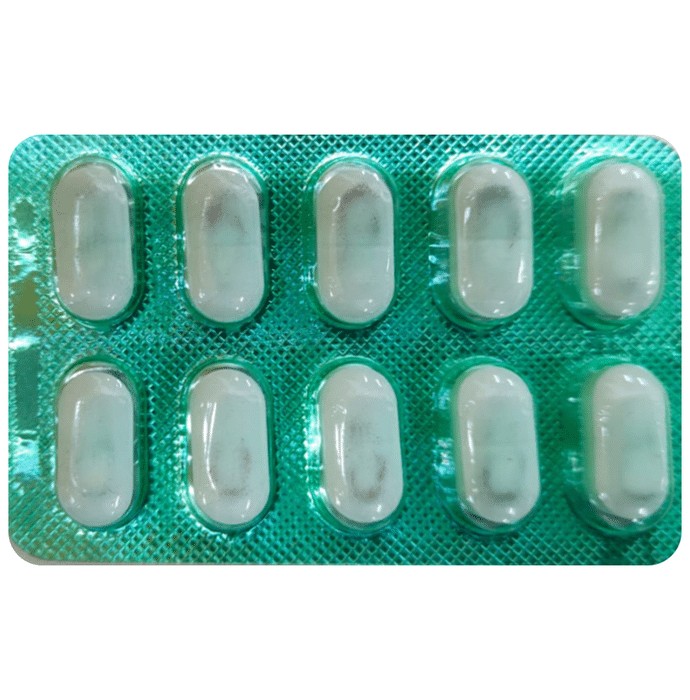
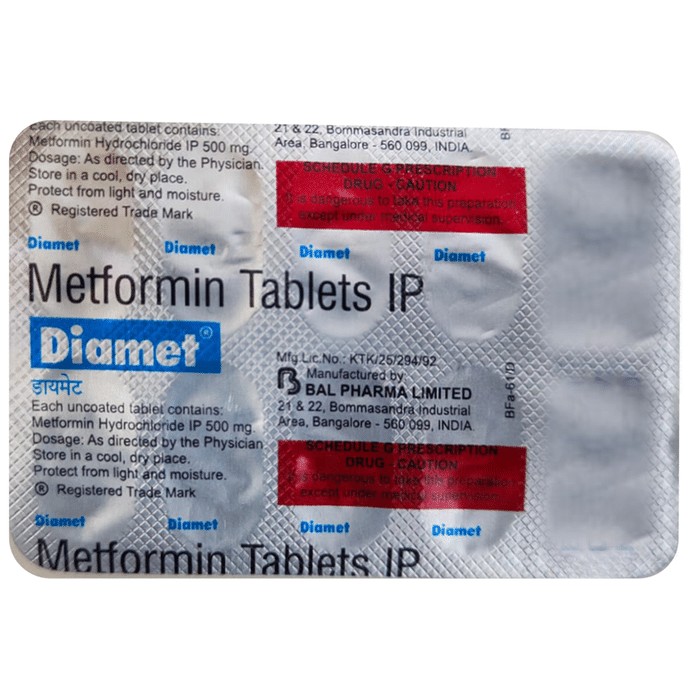
Diamet Tablet

Prescription Icon
Prescription Required

Marketer

Bal Pharma Ltd

Salt Composition

Metformin (500mg)

Overview Diamet Tablet

Metformin tablets are indicated for the management of type 2 diabetes mellitus, effectively regulating blood glucose and mitigating the risk of associated complications. This medication also finds application in the treatment of Polycystic Ovary Syndrome (PCOS) in women. For optimal tolerability, Metformin tablets should be administered with food to minimize gastrointestinal upset. Consistent daily dosing at the same time enhances therapeutic efficacy. Discontinuation should only occur under the guidance of a physician. Successful diabetes management necessitates a holistic approach, encompassing adherence to prescribed dietary and exercise regimens. Frequently reported side effects include nausea, vomiting, diarrhea, abdominal pain, flatulence, weakness, indigestion, headache, and anorexia. Concurrent use with other antidiabetic medications, alcohol consumption, or missed meals may precipitate hypoglycemia; therefore, regular blood glucose monitoring is crucial. Prior to commencing therapy, patients should disclose any pre-existing kidney, liver, or cardiovascular conditions to their physician. Pregnant or lactating women require specific medical consultation before initiating treatment. Renal function assessment is standard practice prior to prescription. Excessive alcohol consumption should be avoided due to the potential for increased adverse effects.

Primary Ingredients of Diamet Tablet

The information is unavailable.

Uses of Diamet Tablet

Managing Type 2 diabetes and polycystic ovary syndrome (PCOS)

Major Benefits of Diamet Tablet:

Consume this medication precisely as your physician directs, adhering to both the prescribed dosage and treatment length. Ingest the tablet whole; avoid chewing, crushing, or fracturing it. Diamet Tablet should be administered with a meal.

Common Side effects of Diamet Tablet:

  • Diarrhea
  • Headache
  • Vomiting
  • Nausea
  • Flatulence
  • Abdominal discomfort
  • Weakness

How to use Diamet Tablet:

Consume this medication precisely as your physician directs, adhering to both the prescribed dosage and treatment period. Ingest the tablet whole; avoid chewing, crushing, or fracturing it. Administer Diamet Tablet with a meal.

How Diamet Tablet works:

Diamet tablets, a biguanide class antidiabetic drug, reduce blood glucose levels through a threefold mechanism: decreased hepatic glucose output, inhibited intestinal glucose absorption, and enhanced insulin sensitivity.

SAFETY ADVICE

AlcoholAlcoholUNSAFE

Alcohol consumption alongside Diamet Tablet is contraindicated.

PregnancyPregnancySAFE IF PRESCRIBED

Diamet tablets are typically deemed safe for use during pregnancy. Preclinical trials in animals revealed minimal or no negative consequences for fetal development; nevertheless, clinical data from human trials are scarce.

Breast feedingBreast feedingCAUTION

Exercise caution when using Diamet Tablet while breastfeeding. Discontinue breastfeeding for the duration of maternal treatment and until the medication is fully cleared from the mother's system.

DrivingDrivingCAUTION

Driving may be impaired by both hypoglycemia and hyperglycemia. Refrain from driving if such symptoms arise.

KidneyKidneyCAUTION

Individuals with impaired kidney function should exercise caution when using Diamet Tablet, potentially requiring a modified dosage. Physician consultation is advised. Diamet Tablet is contraindicated for patients exhibiting severe kidney disease.

LiverLiverUNSAFE

Individuals with hepatic impairment should likely refrain from using Diamet Tablets due to potential safety concerns. Medical advice is recommended.

What if you forget to take Diamet Tablet :

Should you forget a Diamet Tablet dose, take it immediately. If, however, your next dose is nearly due, omit the missed dose and resume your usual dosing regimen. Never take a double dose.

Facts to Know About Diamet Tablet

LabelValue
Pharmacological Category Guanidine-based compound
Potential for Dependence None.
Type of Medication Medication for diabetes

FAQs on Diamet Tablet

Individuals with type 2 diabetes exhibit impaired responsiveness to endogenous insulin. Consequently, blood glucose levels rise. Diamet Tablet employs a multi-faceted approach to lower elevated blood sugar. It reduces hepatic glucose production, diminishes intestinal glucose absorption postprandially, and enhances insulin sensitivity in tissues. This combined action facilitates improved glucose uptake from the bloodstream and augments the body's natural insulin response.
Weight loss has been observed in overweight and obese individuals using Diamet Tablets. This effect may also be seen in those at risk for diabetes. Insulin resistance or sensitivity can likewise contribute to weight reduction with this medication. However, self-medicating with Diamet for weight loss is strongly discouraged; physician consultation is required.
Diamet Tablets are among the initial treatments prescribed for hyperglycemia. This medication assists in blood glucose regulation by enhancing the body's insulin sensitivity, reducing hepatic glucose production, and limiting intestinal glucose absorption. Differing from other oral hypoglycemics, Diamet Tablets, when used independently, infrequently induce hypoglycemia due to their mechanism that prevents excessive insulin release from the pancreas. Beyond its efficacy in glycemic control, this medication also aids in managing weight increase.
Diamet tablets generally don't induce drowsiness and are typically well-received. Infrequently, however, Diamet tablet use might lead to sleep disturbances and insomnia. Drowsiness can be a symptom of a severe adverse reaction known as lactic acidosis, especially if renal function is impaired. Seek medical advice if fatigue or sleepiness develops during Diamet tablet treatment.
Administer Diamet Tablet during or following a meal. Avoid crushing or chewing; ingest whole with water. For once-daily regimens, take with breakfast. Twice-daily prescriptions should be divided into morning and evening doses, taken with breakfast and dinner, respectively. Three times daily, distribute doses with breakfast, lunch, and dinner. Consuming Diamet Tablet with food mitigates potential gastrointestinal distress such as indigestion, nausea, vomiting, diarrhea, abdominal pain, and anorexia.
Individuals with type 2 diabetes either produce insufficient insulin or exhibit impaired responsiveness to their body's own insulin. This leads to elevated blood glucose levels. Diamet Tablet employs a multi-faceted approach to lower these elevated sugar levels. It reduces hepatic glucose production, diminishes intestinal glucose absorption following meals, and enhances insulin sensitivity in tissues and organs. This combined action facilitates improved glucose uptake from the bloodstream. Consequently, it improves the body's natural insulin response.
Indeed, studies indicate Diamet Tablet can lead to weight reduction in overweight or obese patients. This effect may also be observed, albeit less significantly, in overweight or obese individuals predisposed to diabetes. Furthermore, individuals with insulin sensitivity or resistance might experience weight loss. However, self-medicating with Diamet for weight management is strongly discouraged. Always seek professional medical advice before starting this medication.
Diamet Tablet is an initial treatment option for hyperglycemia. This medication manages blood glucose levels by enhancing insulin sensitivity, reducing hepatic glucose production, and limiting intestinal glucose absorption. Unlike other oral hypoglycemics, Diamet Tablet, when used as monotherapy, infrequently leads to hypoglycemia due to its mechanism of preventing excessive insulin release. Beyond glycemic control, it also aids in weight management.
Diamet Tablet generally doesn't induce drowsiness and is typically well-received. Infrequently, however, Diamet Tablet use might lead to sleep disturbances and insomnia. Drowsiness can be a symptom of a severe adverse reaction known as lactic acidosis, especially if renal function is impaired. Consult your physician if fatigue or sleepiness develops during Diamet Tablet treatment.
Administer Diamet tablets during or following a meal. Avoid crushing or chewing; ingest whole with water. For once-daily prescriptions, morning administration with breakfast is recommended. Twice-daily regimens should involve one tablet in the morning and one in the evening with dinner. For thrice-daily dosages, distribute the tablets among breakfast, lunch, and dinner. Consuming Diamet with food mitigates potential gastrointestinal distress, including indigestion, nausea, vomiting, diarrhea, abdominal pain, and anorexia.
Individuals with type 2 diabetes either produce insufficient insulin or exhibit impaired responsiveness to their endogenous insulin. This results in elevated blood glucose. Diamet Tablet employs a multifaceted approach to lower these elevated blood sugar levels. It reduces hepatic glucose production, diminishes intestinal glucose absorption following meals, and enhances insulin sensitivity in tissues. This combined action facilitates improved glucose uptake from the bloodstream and augments the body's natural insulin response.
Weight loss has been observed in overweight and obese individuals taking Diamet Tablets. This effect may also be seen in overweight and obese patients predisposed to diabetes, as well as those with insulin resistance or sensitivity. However, self-medicating with Diamet for weight management is inadvisable; always seek medical advice before starting this medication.
Diamet Tablets are among the initial treatments prescribed for hyperglycemia. This medication manages blood glucose levels by enhancing the body's insulin response, reducing hepatic glucose production, and limiting intestinal glucose absorption. In contrast to other oral hypoglycemics, Diamet Tablets, when used independently, infrequently induce hypoglycemia due to their inhibition of excessive insulin secretion. Beyond its efficacy in glycemic control, this medication also aids in weight management.
Diamet tablets generally don't induce drowsiness and are typically well-received. Infrequently, however, Diamet tablet use might lead to sleep disturbances and insomnia. Excessive sleepiness can be a symptom of a severe adverse reaction known as lactic acidosis, especially if kidney function is impaired. Consult your physician if you experience fatigue or drowsiness while using Diamet tablets.
Administer Diamet tablets with or following a meal. Avoid crushing or chewing; ingest whole with water. For once-daily prescriptions, take it with breakfast. For twice-daily prescriptions, take one dose with breakfast and the other with dinner. For thrice-daily prescriptions, distribute doses with breakfast, lunch, and dinner. Consuming Diamet with food mitigates potential gastrointestinal issues such as indigestion, nausea, vomiting, diarrhea, abdominal pain, and anorexia.
Diamet Tablet
17
MRP 20
12% off
