


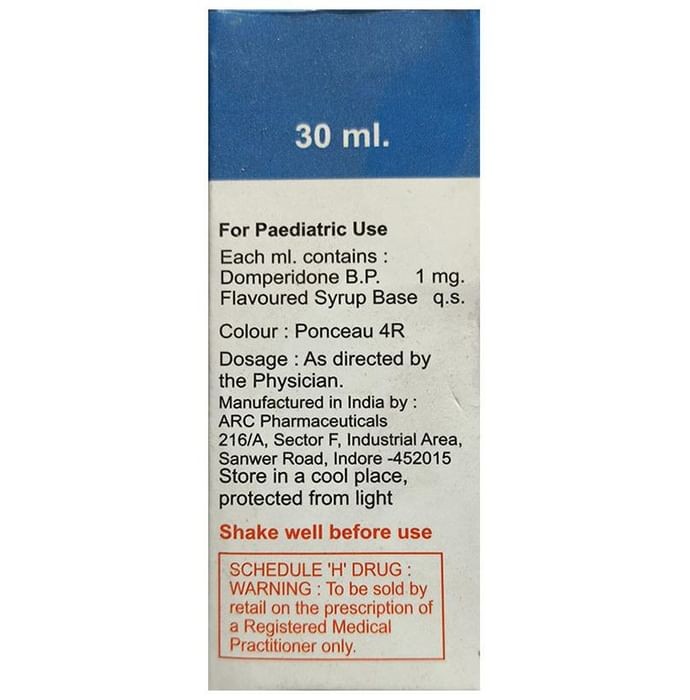
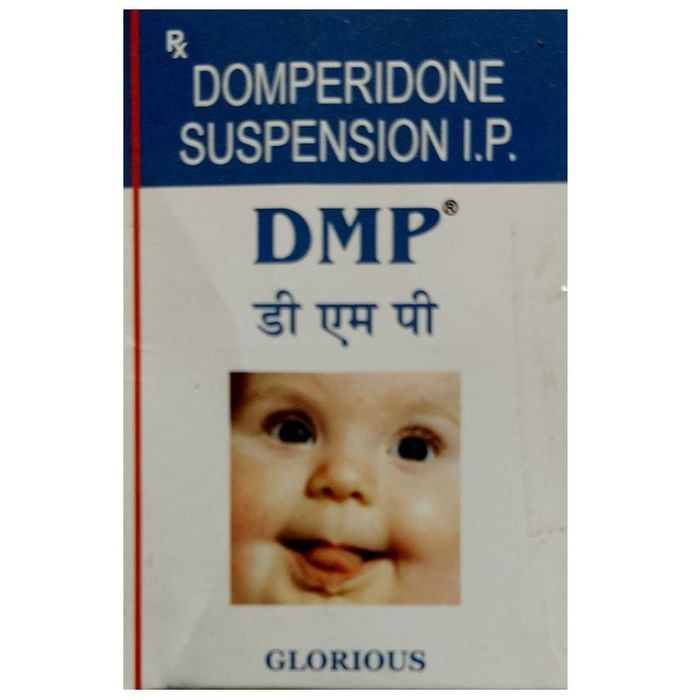
Dmp Oral Suspension

Marketer
Glorious Biotech
Salt Composition
Domperidone (1mg/ml)
Overview Dmp Oral Suspension
PediaSolve oral liquid is indicated for managing indigestion, gastroesophageal reflux, nausea, and vomiting in pediatric patients. It accelerates gastric emptying and intestinal transit, providing relief from bloating, satiety, and stomach upset. Administer PediaSolve approximately 30 minutes prior to meals for optimal effectiveness. Post-meal administration remains efficacious, though absorption might be slightly reduced. Infants may receive a physician-prescribed dosage of up to four times daily, spaced at least four hours apart, ideally just before feeding. Dosage is individualized based on the child's age, weight, and clinical presentation. Do not extend treatment beyond the prescribed period without consulting a healthcare provider. If vomiting occurs within 30 minutes of administration, repeat the dose once the child is calm; avoid doubling the dose if it's near the next scheduled time. Minor, transient side effects, including dry mouth, headache, somnolence, abdominal cramping, and diarrhea, may occur. These typically resolve with continued use. Persistent or concerning side effects warrant immediate medical attention. Inform your child's physician of any prior history of allergies, cardiac conditions, hematologic disorders, congenital anomalies, airway obstruction, pulmonary abnormalities, gastrointestinal issues, dermatological conditions, hepatic impairment, or renal dysfunction. A complete medical history facilitates appropriate dosage adjustments and comprehensive treatment planning.
Uses of Dmp Oral Suspension
Managing gastroesophageal reflux, indigestion, nausea, and vomiting.
Major Benefits of Dmp Oral Suspension:
Administer this oral suspension as prescribed by your physician, adhering to the recommended dosage and treatment schedule. Always consult the product label for usage instructions prior to consumption. Use a measuring device to accurately dispense the medication orally. Ensure thorough shaking before each dose. Dmp Oral Suspension should be ingested on an empty stomach.
Common Side effects of Dmp Oral Suspension:
- Dryness in mouth
- Headache
- Drowsiness
- Stomach cramp
- Diarrhea
How to use Dmp Oral Suspension:
Administer this oral suspension precisely as your physician directs, adhering to the prescribed dosage and timeframe. Always consult the product label for complete instructions prior to consumption. Use a measuring device for accurate dosing and ingest orally. Ensure thorough shaking before each use. Dmp Oral Suspension should be taken on an empty stomach.
How Dmp Oral Suspension works:
Dmp Oral Suspension, a prokinetic agent, targets the brain's vomiting center to suppress nausea. Simultaneously, it enhances gastrointestinal motility in the upper digestive tract, facilitating efficient food passage through the stomach.
SAFETY ADVICE
 KidneyCAUTION
Patients with severe renal impairment should use Dmp Oral Suspension cautiously, potentially requiring dosage modification. Physician consultation is advised. Especially during prolonged treatment, regular assessment of kidney function is recommended.
 LiverCAUTION
Exercise caution when administering Dmp Oral Suspension to individuals with hepatic impairment; dosage modification may be necessary. Physician consultation is advised. Dmp Oral Suspension is contraindicated in children exhibiting severe liver dysfunction. Prior to administration, seek medical guidance from your child's physician.
What if you forget to take Dmp Oral Suspension :
If your pediatrician hasn't instructed otherwise, administer the omitted dose upon recollection. However, omit the missed dose if the next scheduled dose is imminent. Avoid doubling the dose to compensate, and adhere to the recommended medication schedule.
Facts to Know About Dmp Oral Suspension
| Label | Value |
|---|---|
| Chemical Type | Benzimidazole-based compound |
| Developing Habits | No. |
| Type of Therapy | Gastrointestinal system |
| Actions | Prokinetic agent with dopamine (D2) receptor antagonism |
 3,018 People bought this recently