


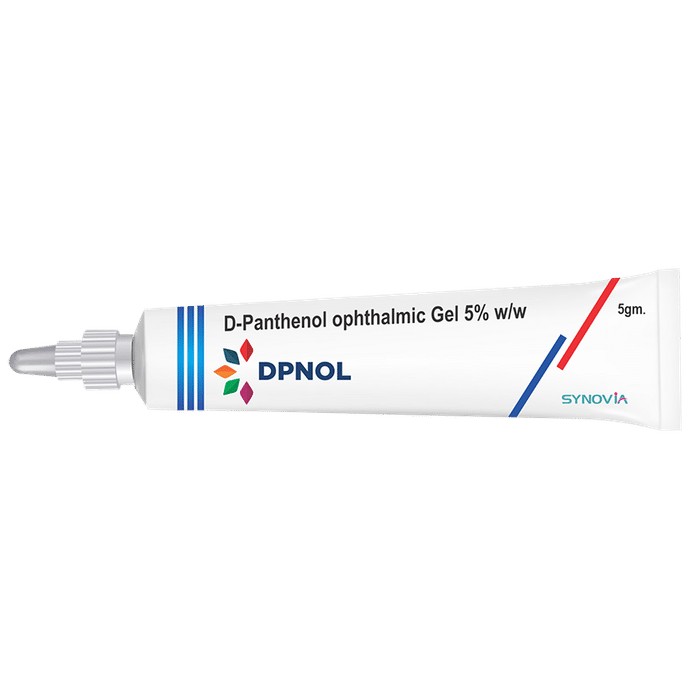
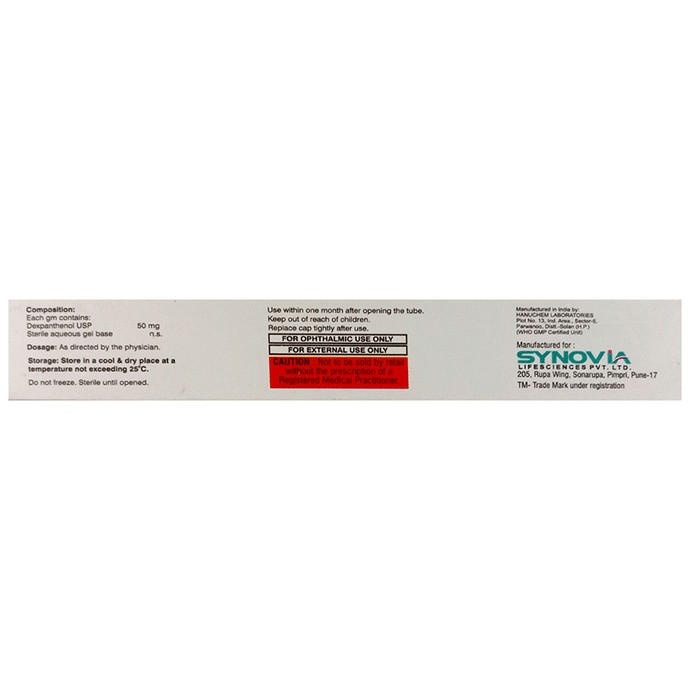
Dpnol Ophthalmic Gel

Marketer
Synovia Life Sciences Pvt Ltd
Salt Composition
D-Panthenol (5% w/w)
Overview Dpnol Ophthalmic Gel
OptimaGel ophthalmic gel treats eye injuries and inflammation. Its action enhances eye moisture, alleviating burning, itching, irritation, and discomfort. It also aids post-surgical wound healing. OptimaGel is for external use only. Follow your doctor's prescribed dosage and duration. Always wash your hands before and after application. Consistent use maximizes effectiveness. Avoid exceeding the recommended dose; this won't hasten recovery and may increase side effects. Do not prolong use beyond your doctor's instructions. Maintain cleanliness and dryness of the affected area, and wash hands before and after application to optimize treatment. Minor, temporary burning or irritation may occur immediately after application, usually resolving spontaneously. Report persistent symptoms to your doctor. Refrain from wearing contact lenses during treatment. Seek immediate medical attention if you experience a severe allergic reaction (rash, lip, throat, or facial swelling, difficulty swallowing or breathing). Inform your physician of any recently used eye medications before starting OptimaGel. Pregnant or nursing individuals should consult their doctor regarding its safety.
Uses of Dpnol Ophthalmic Gel
Ocular trauma
Major Benefits of Dpnol Ophthalmic Gel:
Apply this medication externally only. Follow your physician's instructions precisely regarding dosage and treatment length. Always consult the product label for application details prior to use. Keep the applicator tip near, but not touching, the eye. Carefully dispense the medication into the lower conjunctival sac.
Common Side effects of Dpnol Ophthalmic Gel:
- Application site reactions (burning, irritation, itching and redness)
How to use Dpnol Ophthalmic Gel:
Apply this medication externally only. Administer as directed by your physician, adhering to the prescribed dosage and timeframe. Consult the product label for application instructions prior to use. Position the applicator near, but not touching, the eye. Carefully dispense the medication into the lower conjunctival sac.
How Dpnol Ophthalmic Gel works:
Following topical application, Dpnol Ophthalmic Gel transforms into pantothenic acid, its active ingredient. This promotes hydration by attracting and retaining moisture, simultaneously stimulating cellular regeneration and facilitating post-surgical ocular wound repair.
SAFETY ADVICE
 AlcoholNone
No known drug interactions.
 PregnancyCONSULT YOUR DOCTOR
Data on Dpnol Ophthalmic Gel use in pregnancy is lacking. Seek medical advice from your physician.
 Breast feedingSAFE IF PRESCRIBED
Dpnol Ophthalmic Gel presents no known breastfeeding contraindications. Research in humans indicates negligible drug transfer to breast milk, posing no identified risk to infants.
 DrivingCONSULT YOUR DOCTOR
Dpnol Ophthalmic Gel's effect on driving ability is undetermined. Refrain from driving if experiencing symptoms impairing concentration or reaction time.
 KidneyNone
No drug interactions identified.
 LiverNone
No known drug interactions.
What if you forget to take Dpnol Ophthalmic Gel :
NA
Facts to Know About Dpnol Ophthalmic Gel
| Label | Value |
|---|---|
| Chemical Type | Pantothenate |
| Developing Habits | No. |
| Treatment Category | Ophthalmology |
| Action Class | Essential Nutrients |
 3,018 People bought this recently