


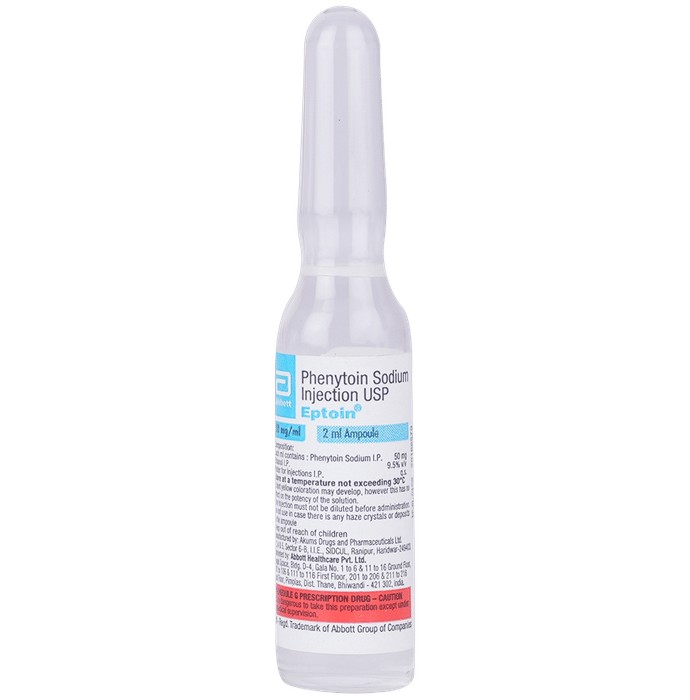
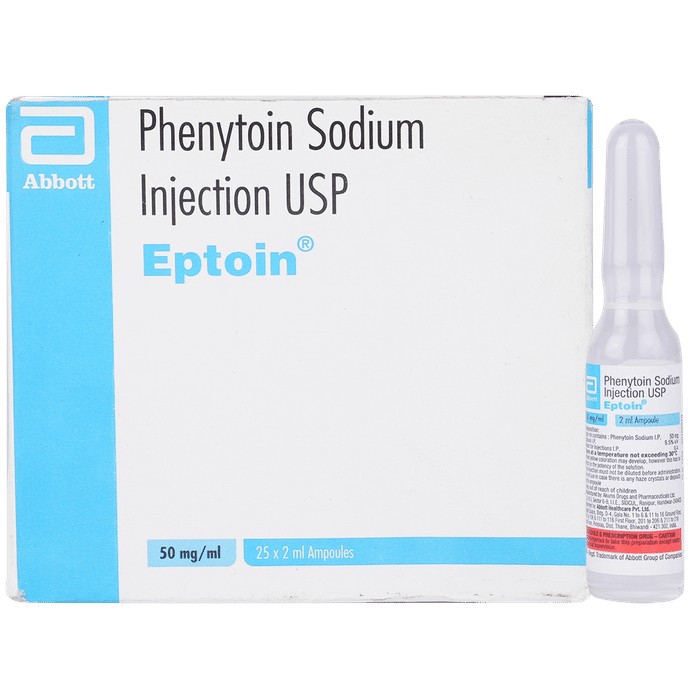
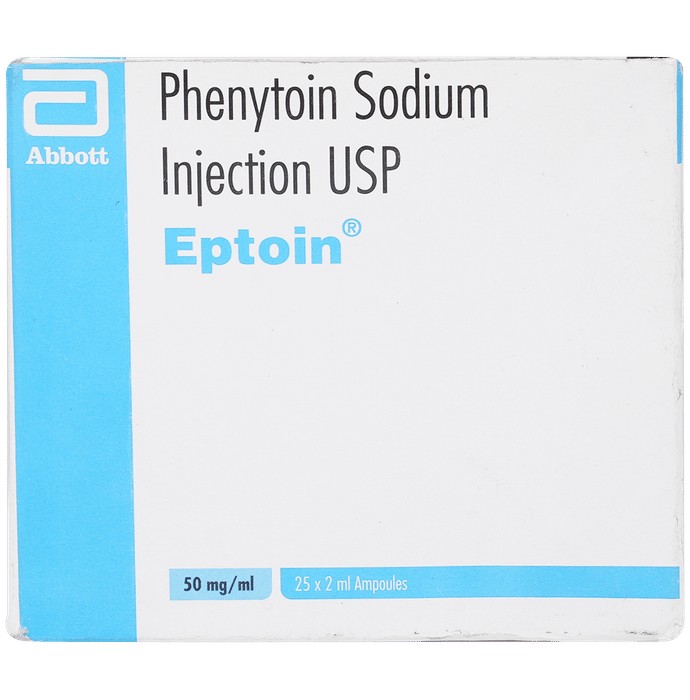
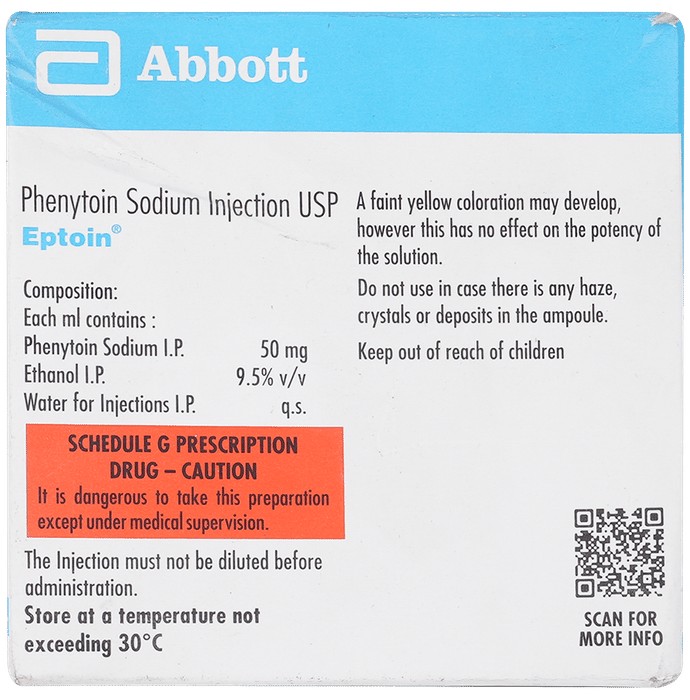

Eptoin Injection

Marketer
Abbott
Salt Composition
Phenytoin (50mg/2ml)
Overview Eptoin Injection
Epileptic seizures are treated and prevented with Eptoin Injection, which reduces excessive brain cell activity. Administered intravenously when oral intake is impossible (e.g., hospitalization), it's used alone or with other medications, always as prescribed. Dosage may increase gradually for optimal seizure control, though effects may take weeks to fully manifest; consistent use is vital, even with symptom improvement, unless directed otherwise by your physician. Discontinuing abruptly could trigger increased seizure frequency or worsen bipolar disorder. Common side effects—skin rashes, headache, nausea, insomnia, dizziness, and drowsiness—generally subside; persistent or bothersome effects warrant medical attention. Preventive or mitigating strategies exist. Inform your doctor of pre-existing kidney or liver disease, meningitis, depression, or suicidal ideation before commencing treatment. Disclose all concurrent medications (including contraceptives) as interactions are possible. While usable during pregnancy and breastfeeding if medically necessary (dosage adjustment may be required), operating machinery should be avoided if drowsiness or dizziness occurs. Regular blood tests monitor therapeutic response.
Primary Ingredients of Eptoin Injection
No text provided. Please provide the text you wish me to rephrase.
Uses of Eptoin Injection
Managing and mitigating epileptic seizures.
Major Benefits of Eptoin Injection:
This medication will be administered by your physician or their qualified assistant; self-medication is strictly prohibited.
Common Side effects of Eptoin Injection:
- Rash
- Headache
- Dizziness
- Vomiting
- Nausea
- Slurred speech
- Vertigo
- Confusion
- Nervousness
- Constipation
- Tremors
- Altered walking
How to use Eptoin Injection:
This medication will be administered by your physician or their designated nurse; self-medication is strictly prohibited.
How Eptoin Injection works:
Epileptic seizures are managed by Eptoin Injection, an anticonvulsant drug. Its mechanism of action involves reducing hyperactivity within the brain's neuronal network.
SAFETY ADVICE
 AlcoholUNSAFE
Concurrent alcohol and Eptoin Injection use poses a significant safety risk.
 PregnancyCONSULT YOUR DOCTOR
Administering Eptoin Injection during pregnancy is contraindicated due to established risks to the fetus. Nevertheless, in exceptional life-threatening circumstances, a physician might deem its use necessary when potential benefits outweigh inherent dangers. Physician consultation is mandatory.
 Breast feedingSAFE IF PRESCRIBED
Breastfeeding mothers can generally use Eptoin Injection safely. Research in humans indicates minimal drug transfer into breast milk, posing no apparent risk to infants. However, physician consultation is recommended.
 DrivingUNSAFE
Administration of Eptoin Injection can reduce attentiveness, impair visual acuity, and induce drowsiness or dizziness. Driving should be avoided if these effects manifest.
 KidneyCAUTION
Individuals with impaired kidney function should use Eptoin Injection judiciously. Dosage modification may be necessary. Physician consultation is recommended.
 LiverCAUTION
Individuals with hepatic impairment should receive Eptoin Injection only with careful monitoring. Dosage modification may be necessary. Physician consultation is advised.
What if you forget to take Eptoin Injection :
Omit Eptoin Injection doses only after contacting your physician.
Facts to Know About Eptoin Injection
| Label | Value |
|---|---|
| Chemical Category | Hydantoin-based compound |
| Developing Habits | No. |
| Treatment Category | Neuroscience of the Central Nervous System |
 3,018 People bought this recently