


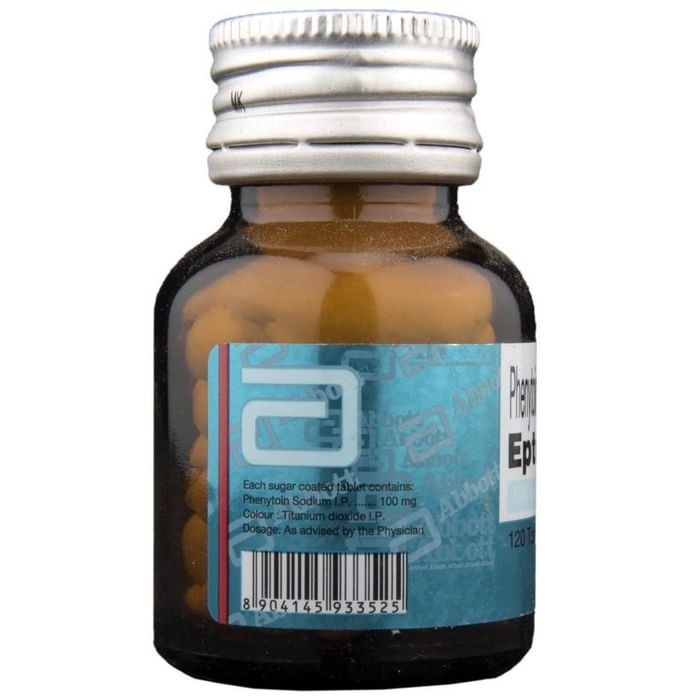
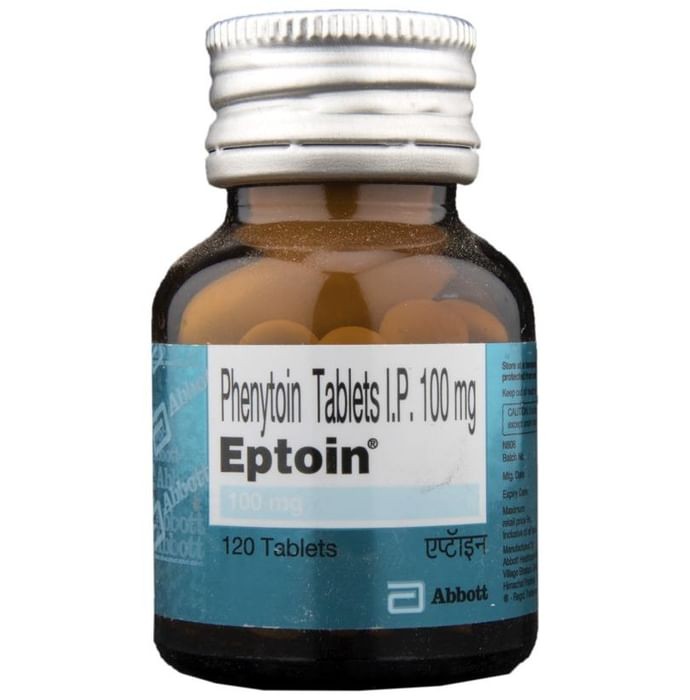
Eptoin Tablet

Marketer
Abbott
Salt Composition
Phenytoin (100mg)
Overview Eptoin Tablet
Epileptic seizures are treated and prevented with the prescription medication, Eptoin. Its mechanism involves reducing excessive, abnormal neuronal firing in the brain. Eptoin may be prescribed alone or alongside other medications, always adhering to your physician's recommended dosage and duration. Gradual dosage increases may be necessary until your condition stabilizes. Therapeutic effects may take weeks to manifest; consistent use is crucial for optimal results. Discontinuation should only occur under your doctor's guidance, as abrupt cessation might trigger increased seizure frequency or worsen bipolar symptoms (if present). Common adverse effects include nystagmus, ataxia, dysarthria, cognitive impairment, nausea, vomiting, constipation, and skin rashes. Though most side effects are transient, persistent or bothersome symptoms warrant medical consultation; management strategies may be available. Prior to commencing treatment, inform your doctor of any kidney or liver dysfunction, meningitis, depression, or suicidal ideation. Comprehensive disclosure of all other medications, including hormonal contraceptives, is essential due to potential interactions. While Eptoin use during pregnancy or breastfeeding is possible if deemed necessary, dosage adjustments might be required. Avoid operating vehicles or bicycles if drowsiness or dizziness occurs. Regular blood tests monitor treatment efficacy.
Primary Ingredients of Eptoin Tablet
No information provided. Please provide the text you want me to rewrite.
Uses of Eptoin Tablet
Managing and mitigating epileptic seizures
Major Benefits of Eptoin Tablet:
Administer this medication precisely as your physician directs, adhering to both the prescribed dosage and treatment period. Ingest the tablet whole; avoid chewing, crushing, or fracturing it. Eptoin Tablets can be consumed with or without food, although consistent timing is recommended.
Common Side effects of Eptoin Tablet:
- Rash
- Vomiting
- Nausea
- Slurred speech
- Confusion
- Nystagmus (involuntary eye movement)
- Coordination disorder
How to use Eptoin Tablet:
Administer this medication precisely as your physician directs, adhering to both the prescribed dosage and treatment length. Ingest the tablet whole; avoid chewing, crushing, or fracturing it. Eptoin Tablets can be consumed with or without food, though consistent timing is recommended.
How Eptoin Tablet works:
Epileptic seizures are managed by Eptoin tablets, an anticonvulsant drug that reduces heightened, erratic neuronal activity within the brain.
SAFETY ADVICE
 AlcoholUNSAFE
Concurrent alcohol and Eptoin Tablet ingestion is contraindicated.
 PregnancyCONSULT YOUR DOCTOR
Use of Eptoin tablets is contraindicated during pregnancy due to established risks to the fetus. Nevertheless, in exceptional life-threatening circumstances, a physician might deem prescription necessary if the potential benefits outweigh the known hazards. Physician consultation is advised.
 Breast feedingCONSULT YOUR DOCTOR
Use of Eptoin tablets while breastfeeding is likely inadvisable. Available human data indicates potential transfer to breast milk, posing a possible risk to the infant.
 DrivingUNSAFE
Taking Eptoin Tablets may cause drowsiness, blurred vision, and dizziness, reducing alertness. Driving should be avoided if these effects are experienced.
 KidneyCAUTION
Individuals with impaired kidney function should exercise caution when using Eptoin tablets, as dosage modification may be necessary. Physician consultation is advised.
 LiverCAUTION
Individuals with liver impairment should exercise caution when taking Eptoin Tablets; dosage modification may be necessary. Physician consultation is advised.
What if you forget to take Eptoin Tablet :
Should you forget to take your Eptoin Tablet, administer it immediately. Nevertheless, if your next dose is imminent, omit the missed dose and resume your usual dosing regimen. Avoid taking a double dose.
Facts to Know About Eptoin Tablet
| Label | Value |
|---|---|
| Chemical Type | Hydantoin-based compound |
| Developing Habits | No. |
| Type of Therapy | Neuroscience Central Nervous System |
 3,018 People bought this recently