



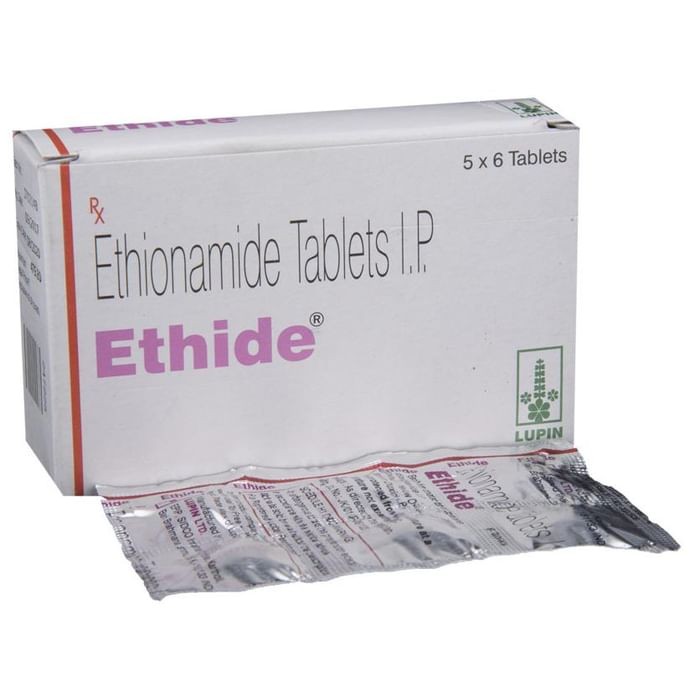
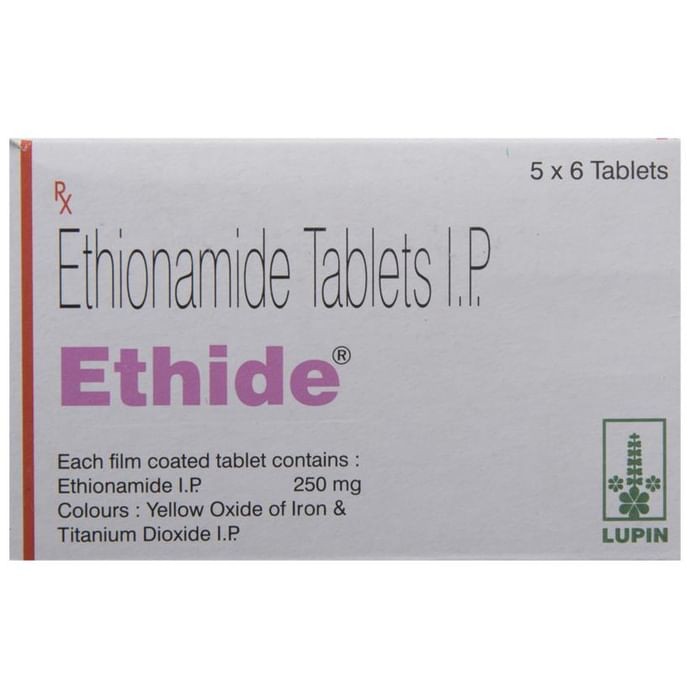
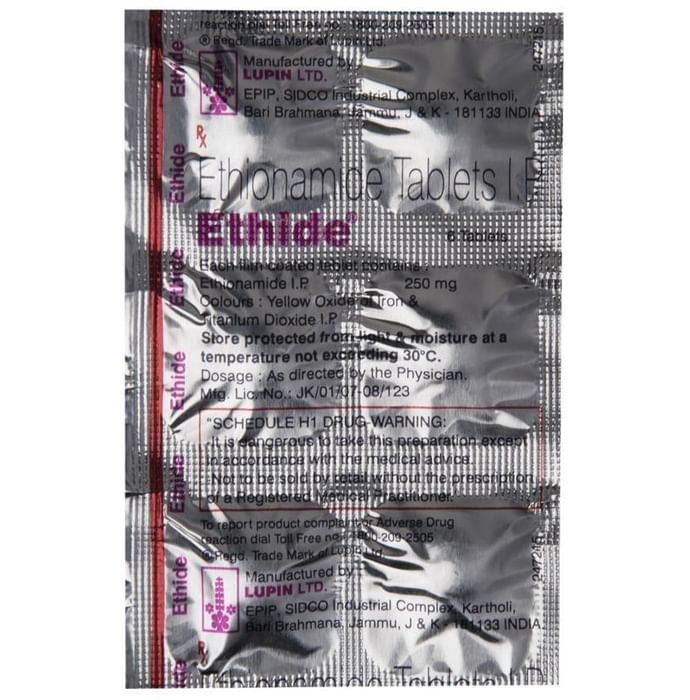
Ethide Tablet

Marketer
Lupin Ltd
Salt Composition
Ethionamide (250mg)
Overview Ethide Tablet
Ethide tablets are anti-tuberculosis antibiotics. They combat tuberculosis, a lung infection sometimes affecting other organs, and help prevent its recurrence. Ethide is typically prescribed alongside other anti-tubercular medications, particularly when bacteria exhibit resistance to other antibiotics. Always adhere to your doctor's prescribed dosage and treatment duration. Take the medication with or without food, consistently at the same time each day. Complete the entire course, even if symptoms improve; premature cessation can cause treatment failure and drug-resistant TB, potentially leading to severe health issues. If a dose is missed, take it promptly unless the next dose is imminent; avoid doubling the dose. Side effects may include appetite loss, nausea, vomiting, stomach upset, and sudden drops in blood pressure upon standing. Report concerning or persistent side effects to your physician. Diabetics should inform their doctor as Ethide may lower blood sugar, requiring regular monitoring. Your doctor may also monitor liver, vision, and thyroid function during treatment. Pregnant or lactating individuals must consult their doctor before use.
Uses of Ethide Tablet
Mycobacterium tuberculosis infection
Major Benefits of Ethide Tablet:
Consume this medication according to your physician's prescribed dosage and schedule. Ingest the tablet whole; avoid chewing, crushing, or fracturing it. Ethide Tablet can be administered with or without food, though consistent timing is recommended.
Common Side effects of Ethide Tablet:
- Loss of appetite
- Nausea
- Vomiting
- Gastric irritation
- Orthostatic hypotension (sudden lowering of blood pressure on standing)
- Weakness
- Depression
- Sleepiness
How to use Ethide Tablet:
Administer this medication according to your physician's prescribed dosage and schedule. Ingest the tablet whole; avoid chewing, crushing, or fracturing it. Ethide Tablet can be consumed with or without food, although consistent timing is recommended.
How Ethide Tablet works:
Ethide tablets are an antibacterial medication that inhibits the proliferation of tuberculosis-causing bacteria.
SAFETY ADVICE
 AlcoholUNSAFE
Consuming alcohol while taking Ethide Tablets is inadvisable.
 PregnancyCONSULT YOUR DOCTOR
Use of Ethide Tablet during pregnancy may pose risks. While human research is scant, animal studies indicate potential harm to a developing fetus. A physician will assess the potential advantages against any risks prior to prescribing. Seek medical advice.
 Breast feedingCONSULT YOUR DOCTOR
Use of Ethide Tablet while breastfeeding is likely inadvisable. Available human data indicates potential transfer of the medication into breast milk, posing a possible risk to the infant.
 DrivingUNSAFE
Driving may be affected by side effects from Ethide Tablets, including drowsiness and headache. These side effects can impair driving ability.
 KidneySAFE IF PRESCRIBED
Ethide Tablet's use in patients with kidney impairment appears safe, based on current limited evidence suggesting dose modification is usually unnecessary. However, physician consultation is recommended. Patients exhibiting end-stage renal disease may require altered dosages.
 LiverCAUTION
Patients with liver impairment should use Ethide Tablet cautiously, potentially requiring dosage modification. Consultation with a physician is advised. Ethide Tablet is contraindicated in patients with severe hepatic dysfunction.
What if you forget to take Ethide Tablet :
Should you forget to take your Ethide Tablet, administer it at your earliest convenience. Nevertheless, if your next scheduled dose is imminent, omit the missed dose and resume your usual dosing regimen. Avoid taking a double dose.
Facts to Know About Ethide Tablet
| Label | Value |
|---|---|
| Chemical Type | Nicotinamide analogs |
| Developing Habits | No. |
| Type of Treatment | Antimicrobials |
| Behavior Class | Ethambutol: A Mycobacterial Cell Wall Inhibitor |
 3,018 People bought this recently