


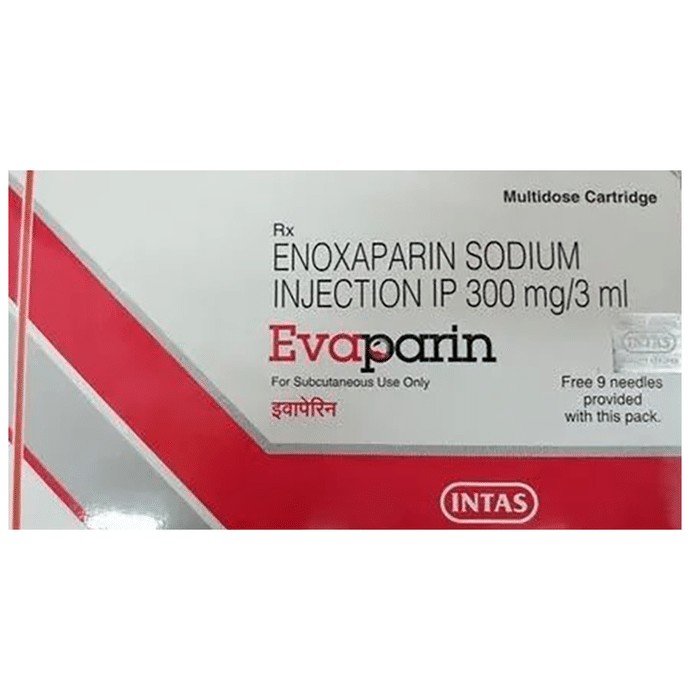
Evaparin Injection

Marketer
Intas Pharmaceuticals Ltd
Salt Composition
Enoxaparin (300mg)
Overview Evaparin Injection
Enoxaparin, administered via injection, acts as a blood thinner, preventing and treating potentially dangerous blood clots. This medication inhibits the growth of existing clots and prevents the formation of new ones. It's effectively used to counteract deep vein thrombosis (DVT) and pulmonary embolism, both serious vein-related clotting conditions. A healthcare professional administers enoxaparin subcutaneously; intramuscular injection is contraindicated. Dosage and treatment duration are individualized, factoring in the patient's medical history, response to treatment, specific condition, age, and weight. Consistent use is crucial, even in the absence of noticeable symptoms, as it proactively mitigates future clot risks; cessation may lead to clot formation. Activities increasing bleeding or injury risk should be avoided during treatment. Common side effects encompass injection site discomfort, bleeding, headache, elevated platelet counts, respiratory difficulties, swelling, anemia, fever, diarrhea, and increased liver enzyme levels. Severe headache may indicate intracranial bleeding, while intense abdominal pain could signal internal bleeding. Bleeding, often subtle, poses a significant risk; prompt medical attention is warranted for any concerning symptoms. Prior to commencing enoxaparin therapy, inform your physician of any existing hypertension, diabetes, or recent stroke. The medication is contraindicated in individuals with active bleeding. Complete disclosure of all other medications is vital to ensure treatment safety. Patients with low body weight may face a heightened bleeding risk, further exacerbated by alcohol consumption, potentially resulting in gastrointestinal bleeding.
Uses of Evaparin Injection
Preventing and managing blood clots
Major Benefits of Evaparin Injection:
This medication will be administered by your physician or registered nurse; self-medication is strictly prohibited.
Common Side effects of Evaparin Injection:
- Bleeding
- Headache
- Low blood platelets
- Increased liver enzymes
- Anemia (low number of red blood cells)
- Fever
- Injection site pain
- Breathing problems
- Edema (swelling)
- Diarrhea
How to use Evaparin Injection:
This medication will be administered by your physician or registered nurse; self-medication is strictly prohibited.
How Evaparin Injection works:
Evaparin Injection acts as a blood thinner. Its mechanism involves neutralizing specific clotting factors in the blood, thereby inhibiting clot formation and reducing the risk of vascular obstructions.
SAFETY ADVICE
 AlcoholCONSULT YOUR DOCTOR
Alcohol consumption alongside Evaparin Injection may pose safety risks; seek medical advice before combining them.
 PregnancySAFE IF PRESCRIBED
Heparin sodium injection (Evaparin) is typically deemed safe for use in pregnancy. Preclinical trials in animals have revealed minimal or absent negative consequences for fetal development; nevertheless, clinical data from human studies remain scarce.
 Breast feedingSAFE IF PRESCRIBED
The use of Evaparin Injection while breastfeeding is likely safe. Available data from humans indicates minimal risk to the infant. Trace amounts of Evaparin Injection are present in breast milk, and the quantity transferred to the baby is insufficient to cause adverse reactions.
 DrivingSAFE
Driving ability is typically unaffected by Evaparin Injection.
 KidneyCAUTION
Patients with impaired kidney function require careful monitoring when receiving Evaparin Injection. Dosage modifications may be necessary. Physician consultation is advised.
 LiverCONSULT YOUR DOCTOR
Insufficient data exists regarding Evaparin Injection's use in individuals with hepatic impairment. A physician's consultation is recommended. Nevertheless, its administration to patients with pre-existing liver conditions should be approached with caution.
What if you forget to take Evaparin Injection :
Should you forget a scheduled Evaparin Injection, seek your physician's advice.
Facts to Know About Evaparin Injection
| Label | Value |
|---|---|
| Chemical Category | Low-molecular-weight heparin |
| Developing Habits | No. |
| Type of Therapy | KINSHIP |
| Actions | Low-molecular-weight heparin (LMWH) |
 3,018 People bought this recently